White Stair Risers vs Wood Risers: Which Is Better for Your Stairs?
White painted risers with wood treads and all-wood risers are both good choices, and the right one depends less on taste than on what your stairs are made of today, how scuff-prone your household is, and how much nosing overhang you have to spare. This guide compares the two on the things that actually decide the job: repair, cost, materials, code, and finish prep.
Below you will find a side-by-side comparison, a look at poplar versus MDF for painted risers, a code detail most style guides skip, and the finishing steps that keep white paint from peeling off within a year.
White Risers vs Wood Risers: The Short Answer
Best Primer for Painted Risers
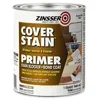 |
Zinsser Cover-Stain Stain-Blocking Primer, Quart – $20.47 If you are painting risers white, the primer decides whether the finish looks crisp or blotchy, and this is the one to start with on old stained or glossy wood.
|
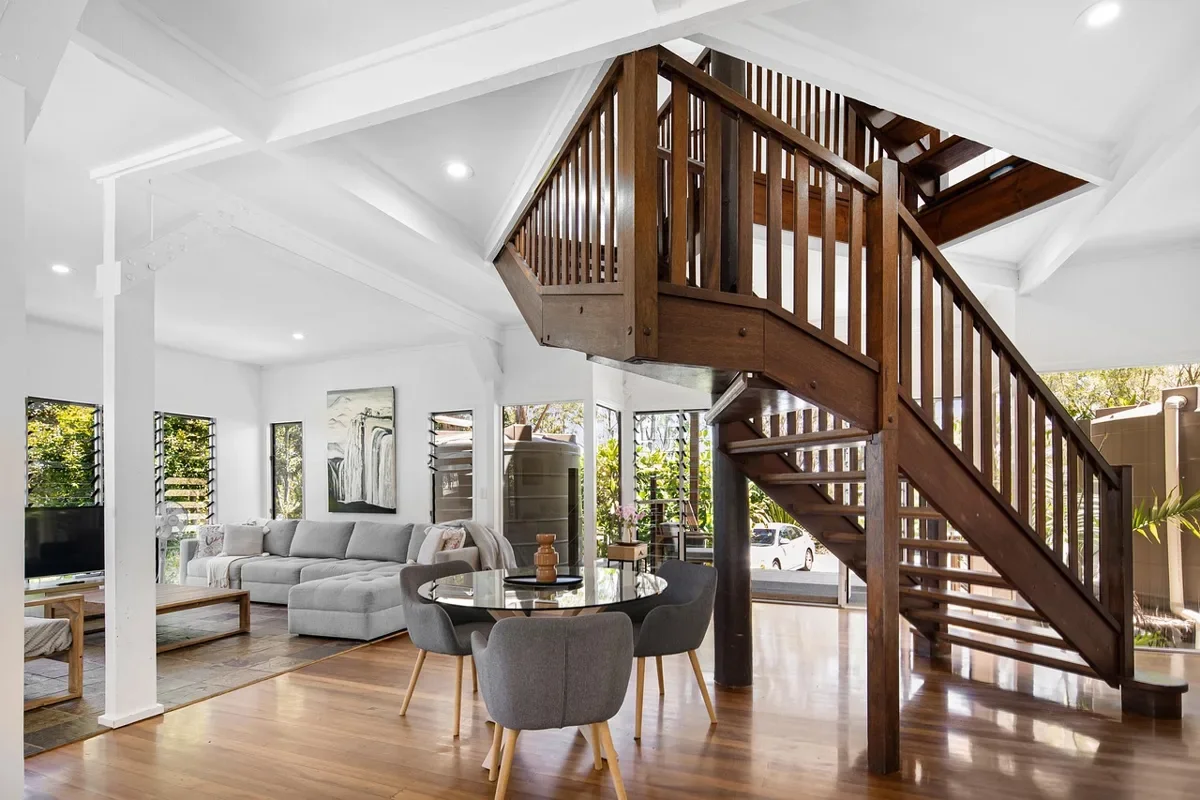
Pick white painted risers if your treads are a warm wood tone, your stairwell is dim, or you want the cheapest upgrade and are happy to touch up paint now and then. Pick matching wood risers if you want the staircase to read as one continuous piece of furniture, or you like a traditional stained look. One design source notes that white risers create a clean, high-contrast look and are easy to touch up with ordinary interior paint, while matching risers give a unified appearance that works best in light to medium tones, because dark matching risers can make a small staircase feel heavy.
A quick way to decide: stand at the bottom of the stairs and look up. If the risers are the first thing you see (open hall, front door view), the color choice matters most. If the stairs are tucked into a side hall, the practical factors below should decide it.
| Factor | White painted risers | Stained or clear wood risers |
|---|---|---|
| Look | High contrast, outlines each tread, brightens the stairwell | Uniform, warm, traditional; dark tones can feel heavy in small stairwells |
| Material | Paint-grade poplar or MDF (often factory primed) | Real hardwood or softwood boards matching the treads |
| Scuff repair | Spot sand, prime the spot, repaint; the fix is simple but you need leftover paint | Scratches in the finish mean refinishing or blending stain and topcoat |
| Moisture tolerance | Poplar handles damp entries better; MDF does not like water | Solid wood, sealed |
| Best where | Dim stairwells, wood treads, budget makeovers | Traditional homes, matching floors, natural grain lovers |
Materials: Poplar vs MDF for Painted Risers
Painted risers are rarely made of an expensive species, because the paint hides the grain anyway. The two common choices are MDF and poplar. Sources on stair makeovers describe MDF as the most common material for white risers: it is smooth, stable, and takes paint evenly, and factory-primed boards save a coat. The catch is moisture. MDF does not cope well with water, so it is a poor pick for an entry staircase where wet boots and melting snow reach the bottom step.
Poplar is a paint-grade hardwood that costs less than maple or birch but holds up better than MDF to bumps and damp. If your stairs are a main traffic route from an entry, poplar is the safer painted riser. If you are also repairing the treads, our guide to whether MDF can be used for stairs explains where it works (risers and trim) and where it does not (structural parts).
Painting Wood Risers Without Sanding to Bare Wood
If you are painting existing stained risers white, primer does the heavy lifting. Advice from finishing forums for wood risers points to an oil-to-latex conversion primer or a stain-blocking primer such as Zinsser Cover Stain, then a white paint on top. Oak and other tannin-rich woods can bleed through water-based primer as yellowish-brown blotches, which is why the stain-blocking step matters on old varnished risers.
Because risers get kicked, many painters choose a tougher topcoat than plain wall paint. Forum advice leans toward oil-based enamel or a durable trim enamel; whichever you use, allow the full cure time before anyone climbs the stairs with shoes on, because a riser that is dry to the touch can still be soft.
The Code Detail Most Riser Guides Skip: Nosing Overhang
Here is the angle most white-vs-wood posts miss. Replacing or covering risers does not change your riser height, because that is measured vertically between the leading edges of adjacent treads. What it can change is the nosing projection, the horizontal overhang of the tread past the riser face. A new board in front of the old riser moves the riser face forward by exactly its thickness, and the overhang shrinks by the same amount.
The International Residential Code, as summarized in a 2021 IRC stair guide, sets these numbers for residential stairs:
| Stair dimension | IRC requirement (2021) | Section |
|---|---|---|
| Maximum riser height | 7-3/4 inches | R311.7.5.1 |
| Riser height variation in one flight | 3/8 inch maximum | R311.7.5.1 |
| Minimum tread depth | 10 inches | R311.7.5.2 |
| Nosing projection | 3/4 inch to 1-1/4 inches (not required if tread depth is 11 inches or more) | R311.7.5.3 |
| Maximum nosing curvature radius | 9/16 inch | R311.7.5.3 |
The arithmetic is worth doing before you buy boards. If your treads currently overhang the risers by 1 inch, a 1/4 inch cover board leaves 3/4 inch, which is the bottom of the allowed range. A 3/4 inch board would leave only 1/4 inch, below the minimum, unless your treads are 11 inches deep or more and the nosing is not required. Measure your overhang on the steepest and shallowest steps, subtract your board thickness, and compare. Codes are adopted and amended locally, so confirm the requirements with your building department if you are doing more than cosmetic work.
A related rule applies if you are thinking of leaving the risers out entirely: open-riser stairs must also satisfy the 4-inch sphere rule when the stairs are more than 30 inches above the floor below, so a solid riser of either finish is the simpler path.
Scuffs, Cleaning, and the Maintenance Myth
A common claim, including on this page before this update, is that wood risers are easier to maintain because they hide dirt. The picture is more nuanced. White paint shows toe scuffs and shoe marks right away, but a scuff on paint is a cosmetic fix: wipe with a damp cloth, and for deeper marks sand lightly, spot-prime, and repaint from the leftover can. A gouge in a stained and clear-coated riser is harder, because you have to match the stain color and the sheen, and blending the repair into a large flat surface tends to show.
So the honest trade is this: white risers need more frequent light cleaning but easier repairs, while stained wood needs less cleaning but harder repairs. If you have kids, dogs, or people who kick off shoes on the way up, white risers with a durable enamel and a saved can of touch-up paint are a reasonable pick. Save the paint with the color name on the lid, and label the sheen.
Filling Nail Holes and Dents Before You Paint
Whichever material you choose, fill and sand before the first coat, because white paint highlights every imperfection under the light of a stairwell. Fill nail holes and dents on painted risers with paintable filler; on wood you plan to stain, use a filler matched to the stain. Our guide on how to fill holes in wood stairs walks through the process step by step.
Cost and Effort: Repaint or Replace?
Repainting existing risers is the lowest-cost route, because you buy primer, paint, and filler rather than new lumber for every step. Replacing risers with new wood adds material and finishing work on every step, and installing new boards accurately takes more skill than painting. A staircase with 13 risers needs 13 pieces cut to the same width and length, and they should fit tightly against the tread above and the tread below.
Covering old risers with thin boards can be a middle path, but check the nosing arithmetic above first. If old risers are cracked, loose, or squeaking, repair or replace them rather than painting over the problem. For creaks in particular, see our article on how to stop MDF stairs creaking.
Styling Ideas That Work With Either Choice
Mixing White Risers With Wood Treads
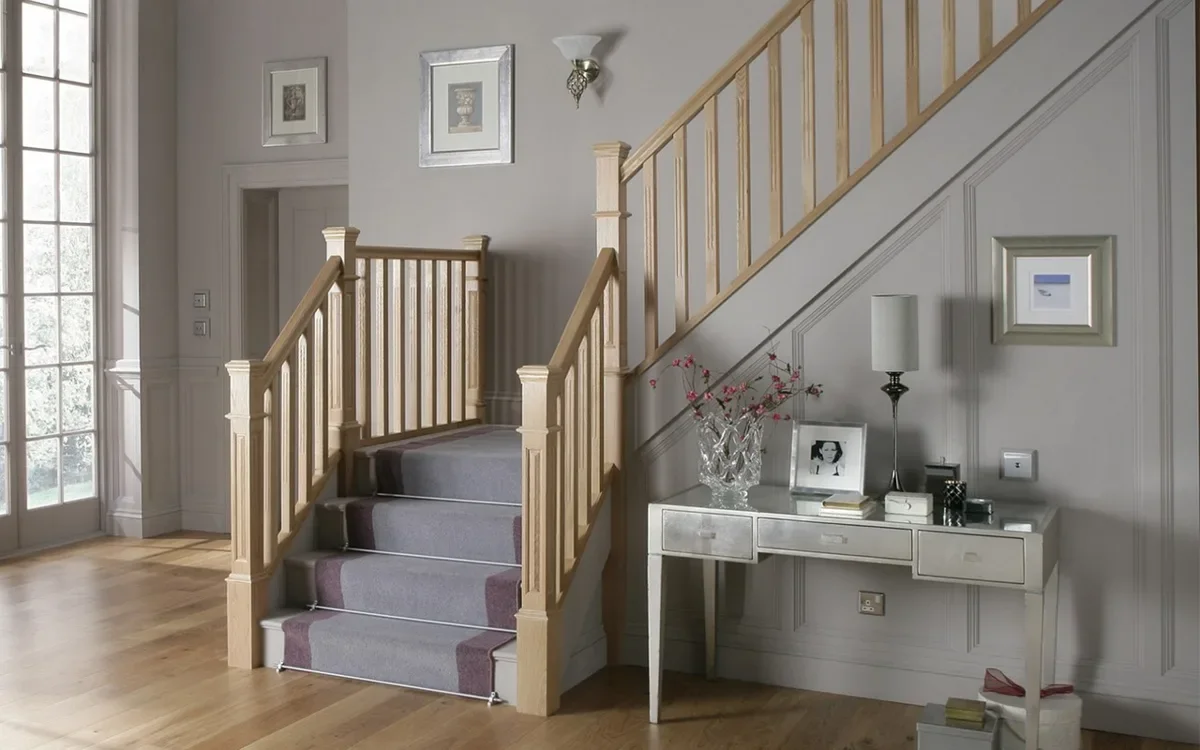
White risers with wood treads is the classic two-tone look. Keep the treads a mid tone or lighter if you want the contrast to feel fresh, and match the white to your trim so the risers read as part of the millwork. A satin or semi-gloss sheen wipes clean more easily than flat.
Handrails, Spindles and Trim
The riser color sits alongside your balusters and stringer trim, so decide those together. If you are painting spindles white too, our guide to the best way to paint spindles on stairs covers brush versus sprayer.
Lighting
Low-level lighting shows off risers, and white ones catch it the most. Strip lights tucked under the nosing add a soft glow that also makes the tread edges easier to see at night, a small safety gain on any staircase.
Frequently Asked Questions
Is it cheaper to paint risers white or replace them with wood?
Painting is almost always cheaper because you keep the existing boards and only buy primer, paint, and a little filler. Replacing risers with new wood means buying and cutting boards for every step, and matching stained wood adds finishing work on top.
Do white risers make stairs look bigger?
White risers reflect more light and separate each step visually, which tends to make a stairwell feel brighter. The effect is strongest in narrow, dim stairwells. It does not change the actual dimensions of the stairs.
Can I put new risers over old ones?
Yes, thin cover boards can go over existing risers, but the added thickness reduces the nosing projection of every tread. The IRC calls for a nosing projection of 3/4 inch to 1-1/4 inches, so measure your existing overhang before choosing a board thickness.
Should stair risers be MDF or real wood?
For painted risers, both work. MDF is smooth and takes paint evenly but tolerates moisture poorly. Poplar is a paint-grade hardwood that holds up better to impacts and damp entryways. For stained risers, you need real wood.
Conclusion
White risers are the budget-friendly, bright, high-contrast pick, with easy repairs and a need for a good primer and durable enamel. Wood risers give a unified, traditional look with harder repairs. Whichever you choose, measure your nosing overhang before adding boards, prime properly, and fill every hole before painting.
Sponsored / affiliate links. As an Amazon Associate I earn from qualifying purchases. I may earn additional commission from eligible campaigns.