Does Wood Filler Go Bad?
Yes, wood filler can go bad. Watch for hardened material, separation into a dry lump and liquid, an off smell, or a mix that will not smooth out. Bad filler can shrink, crack, or fail to bond, which means extra repair time and more cleanup. This guide shows how to separate normal aging from unusable filler, and when storage conditions matter more than age.
How to tell if wood filler has gone bad



Yes. Wood filler can go bad in several different ways: it can dry out, separate, cure in the container, or change texture after poor storage. Wood putty is often used loosely for similar products, so the same basic checks apply. If the material no longer mixes smooth or no longer cures as expected, treat it as suspect.
What “bad” means for filler
“Bad” does not always mean the product is ruined the moment it gets old. A little thickening can be normal, especially after opening. The real problem is a change that will not reverse with mixing or, for some water-based products, a small amount of water if the label allows thinning.
Water-based wood fillers are generally less smelly, and some can be brought back with water if the label allows it. Adding water to products that do not allow thinning can weaken or ruin them. Solvent-based wood fillers have a stronger odor and are harder when dry. Epoxy-based filler usually comes as a two-part formula, while latex wood filler is usually a water-based style and may be labeled for indoor or outdoor use depending on the brand.
Age versus storage damage
Age alone is not the whole story. A container stored tightly closed in a stable room may stay usable longer than a newer one left in a hot attic or a freezing garage. Storage damage often shows up as a skin on top, a dry rim, or a separation that keeps coming back after stirring.
Suppose a half-used tub sits through winter in an unheated garage and then warms up indoors. If the top is hard, the middle stays crumbly, and the product will not mix back into a uniform paste, storage damage is the likely cause. That batch should not go onto a finish-critical repair.
When you can still use it
Useable filler should still mix to a uniform texture and behave the way the package suggests. A small amount of thickening is often harmless if the product becomes smooth again and still spreads normally. For repairs, fill holes or cracks with a small dollop, then let it dry before sanding.
Is this filler still usable?
| Filler type | Visual, smell, and texture checks | Recovery steps | Discard threshold |
|---|---|---|---|
| One-part water-based filler | Check for mild thickening, a dry edge, or a slight skin. Smell is usually lower than solvent-based products. | Stir thoroughly. If the label allows it, add a small amount of water and mix again. Test on scrap wood first. | Discard if it stays lumpy, will not smooth out, or has a hard dried mass through the container. |
| Latex wood filler | Look for quick surface drying, stiffness, or grainy texture. It often sets quickly, around 15 minutes, so watch the working time. | Rescue only if the texture returns to a smooth paste after mixing. Keep the lid sealed tightly after use. | Discard if it has fully set in the container or no longer spreads before it skins over. |
| Solvent-based filler | Check for strong odor changes, thickening, or a crust around the lid. These products are often harder when dry and may be epoxy-base products. | Stir well and follow the label exactly. Do not thin it unless the manufacturer says to do so. | Discard if it remains stringy, separated, or too stiff to press into a crack. |
| Two-part filler with hardener | Check both parts for separation, dried edges, or a missing hardener. If the parts are not mixed, it may not cure properly. | Mix only the amount you need and follow the label ratios. If the hardener is missing or the mix stays tacky, do not use it. | Discard if it never cures, stays gummy after the stated cure window, or the hardener is unavailable. |
| Cold- or hot-stored filler | Check for a warped container, cracked lid, watery separation, hard skin, or unusual odor after temperature swings. | Let the container return to room temperature before mixing. Then inspect again for smoothness and consistency. | Discard if storage damage left permanent separation, skinning, or a cured lump. |
Look for a failure mode, not just age. Bad filler usually gives itself away with texture, separation that will not correct, or a mix that will not smooth out. If it will not mix smooth or keeps forming hard bits, it is safer to throw it out than to gamble on a repair.
Texture checks
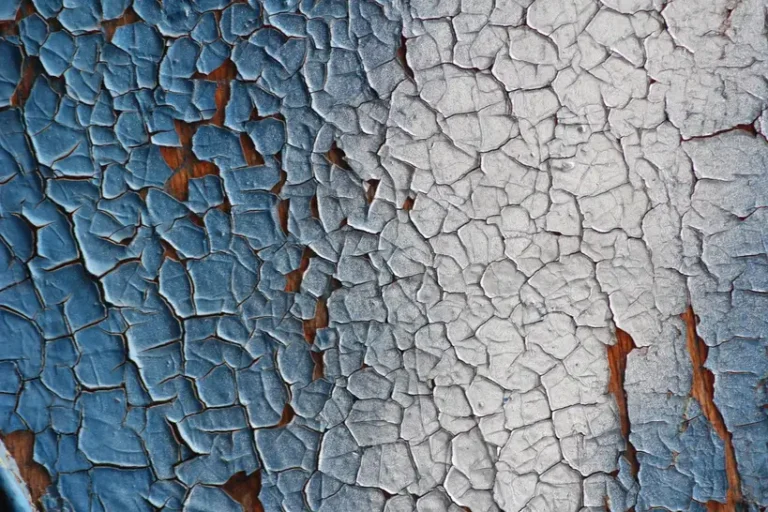
Start with the easiest sign: texture. A smooth, even paste is a good sign. A cured lump, a hard skin, or gritty chunks that do not break down with stirring point to a bad batch. Sanding should wait until the filler is dry; if the container has already hardened, the product is done.
Smell checks
A normal odor is one thing; an abnormal or sour smell is another. Odor alone is not a reliable indicator, because normal smell strength varies a lot by formula and age. If the smell is far stronger than expected or seems off, treat that as a warning and avoid using it on visible work.
Color and separation checks
Some fillers come in white, tan, pink color-changing formulas, or wood-tone shades. Color change alone does not mean the product is bad. The problem is separation that will not recombine, a watery layer that keeps returning, or a color shift paired with hard lumps and poor spreadability.
Picture a small tub of tan filler with a clear liquid on top and a dry plug underneath. If stirring makes it uniform again, it may still be usable. If the liquid and solids stay apart after repeated mixing, the batch is beyond a normal touch-up.
Recovery steps before you throw it out
- Close the lid, then reopen it and inspect the rim and surface.
- Stir the container from bottom to top until the color and texture are even.
- If the product is water-based and the label allows it, add a small amount of water.
- For two-part products, check that the hardener is present and mixed fully.
- Test a small amount on scrap wood before putting it on the project.
What happens in cold or hot storage?
Cold or hot storage can damage filler even when the container has not been opened. Winter garage storage may make the material stiff, separate, or form a skin. Summer attic or shed storage can dry out the rim, thicken the body, or warp the container. The product may recover, but it may also be permanently damaged.
Winter garage storage
Freezing temperatures are hard on many fillers. After a cold winter, the biggest risk is that the product no longer mixes back to a smooth paste. Let it warm indoors first, then check whether the texture returns. If it stays chalky, lumpy, or separated, do not try to force it into a repair.
Summer attic or shed storage
Heat speeds up drying and can thicken the contents before the lid ever opens again. This matters most with one-part products and anything with a strong solvent odor. A tight lid helps, but it cannot always prevent drying if the container sits in high heat for long periods.
Bringing the container back indoors
Do not judge the product while it is still cold or hot. Bring it to room temperature first, then stir and inspect. If the filler still shows separation, hard chunks, or a cured skin after warming, the issue is storage damage rather than temporary stiffness.
How long does wood filler last?
There is no single shelf life that fits every product. Opened containers usually age faster than unopened ones, but label instructions, container quality, and storage conditions matter just as much. Thickness, temperature, and humidity can change dry time and can also change how long a leftover batch stays usable.
Opened versus unopened containers
An unopened container is usually better protected than an opened one, but it is still vulnerable to poor storage conditions and packaging failure. An opened tub loses moisture or solvent faster, so it may thicken first around the lid or top edge. That does not always mean failure; it means the batch needs a closer look.
Why brand labels matter
Many brands list stainability, indoor/outdoor use, and handling time on the package. Some fillers are stainable, while others do not take stain well. Some are for indoor use only, while others are suitable indoors and outdoors. If the label does not give a clear answer for your model, check the manufacturer’s listing for your exact product.
Why thickness and climate change the answer
Dry time is not fixed. It varies by brand, thickness, temperature, and humidity, so the exact product label still wins.
Which type are you using?
Identify the filler before you decide whether it is bad. Water-based and latex labels overlap in common consumer products, so do not assume they behave like solvent-based or two-part materials. Bondo wood filler is commonly sold as a two-part polyester filler, while Minwax High-Performance Wood Filler is commonly sold as a two-part high-performance filler with cream hardener. Ronseal products vary by label, so check the exact package before you mix or discard anything.
Water-based and latex filler
These are often the easiest to clean up and the least smelly. Some water-based products can be brought back with water if they have only thickened, not cured, and if the label allows it. These products can set quickly, so a partly used container can age fast if the lid is loose.
Solvent-based filler
Solvent-based wood filler has a stronger odor and tends to dry harder than many water-based products. If the smell is off or the body has turned stiff and stringy, do not try to force it into a repair.
Two-part filler and hardener
Two-part products need both parts to work. If the hardener is missing, the filler may never cure properly. This matters for any product sold with a separate cream hardener or catalyst. Mix only what you can use in the working time, then let it cure fully before sanding or finishing.
Epoxy, polyester, and high-performance labels
Label wording can be confusing. A two-part filler is not always an epoxy system, even when the packaging sounds technical. Bondo Wood Filler is commonly a two-part polyester filler, not a true epoxy filler. The safer move is simple: follow the label on your exact product, not a guess based on the brand name.
Can you still stain it or use it outside?
Sometimes yes, sometimes no. Stainability, indoor/outdoor rating, and color choice all depend on the exact product. Some fillers accept stain poorly, some are made for indoor use only, and some can be used indoors and outdoors. Test scraps matter here, because the visible result can differ from the label description.
Stainable versus non-stainable filler
Some fillers are designed to accept stain, but many do not match surrounding wood well. Even stainable products can look different once finish goes on. Always test on scrap wood before finishing, especially if the repair will be visible or if you are matching an existing stain color.
Indoor-only and indoor-outdoor ratings
Do not assume a filler is fine for exterior use just because it cured inside a warm room. Some fillers are meant only for indoor conditions, while others are suitable both indoors and outdoors. A mismatch here can lead to cracking, poor adhesion, or a repair that fails faster than expected.
Color matching and test scraps
White, tan, pink color-changing formulas, and wood-tone shades can all behave differently after sanding and finishing. A close visual match in the container is not enough. Use a scrap board from the same project wood and finish it the same way before touching the real repair.
Frequently asked questions
Does wood putty go bad?
Yes. Wood putty can go bad for the same broad reasons as wood filler: drying out, separation, hard lumps, or storage damage. Many people use the terms loosely, so the safer check is the same either way.
Does wood filler go off without hardener?
For some two-part fillers, yes. If the hardener is missing or not mixed in, the product may stay soft, tacky, or uncured. That is a product failure, not normal aging. Follow the label on the exact filler you bought, because the mix ratio and cure behavior vary by brand.
Does Bondo wood filler go bad?
Yes, Bondo wood filler can go bad like other two-part fillers. It is commonly sold as a polyester filler, and the separate parts need to be in good condition and mixed properly. If it hardens in the container, separates badly, or will not cure, do not use it on the repair.
Does Minwax wood filler go bad?
Yes. Minwax High-Performance Wood Filler is often sold as a two-part filler with a cream hardener, so it can fail if one part is missing, the parts are not mixed well, or storage has damaged the product. If it stays gummy or never cures, the batch should be discarded.
Can wood filler go off?
Yes. “Go off” usually means the product has cured, dried out, or changed so much that it no longer works. The clearest signs are hard lumps, separation that will not recombine, abnormal smell, or a product that will not cure properly after mixing. When that happens, throw it out.
Sponsored / affiliate links. As an Amazon Associate I earn from qualifying purchases. I may earn additional commission from eligible campaigns.