Wood Fireplace Keeps Going Out: Causes and Fixes
A wood fireplace that keeps going out usually has a draft, fuel, or air-supply problem; if it dies only on startup, suspect a cold flue or damp kindling first. Ignoring it wastes wood, fills the room with smoke, and leaves creosote in the flue. This guide matches the symptom pattern to the fastest safe fix.
Why does the fire keep going out?


The timing tells you the most. A fire that fails in the first few minutes often points to weak startup airflow, a cold chimney, or damp kindling. A fire that stays lit until you reload often points to log size, loading pattern, or a damper and vent setting that starves the firebox after the flame bed is established.
Start with the failure pattern
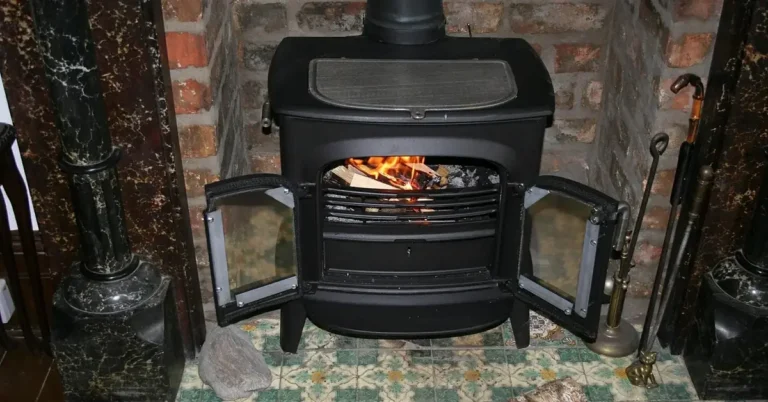
The wood fireplace firebox needs dry fuel and airflow, the damper must let smoke move up the chimney, and the flue must be clear enough to pull draft. If one part fails, the fire may char wood but never build enough heat to keep burning. A smoky fireplace usually means air is not moving through the firebox properly.
Separate the symptoms before you change anything. Startup failures often clear with better kindling, more open air, or a warm flue. Failures after reloading often point to large logs or a packed firebox. Failures on cold mornings often point to a cold chimney that cannot establish upward flow at first.
Wood fireplace troubleshooting matrix
| Symptom pattern | Most likely cause | Fastest safe test or fix |
|---|---|---|
| Fire dies in 5 minutes | Cold chimney, damper not fully open, or too little kindling | Open the damper fully, open air vents fully, and relight with a larger kindling bundle |
| Smoke spills into room | Weak draft from a cold flue, blocked flue, or restricted airflow | Stop adding wood, open the damper, check vents, and if smoke continues, pause and inspect for blockage |
| Logs char but will not ignite | Wet or green wood, too little kindling, or a poor top layer of fuel | Use dry seasoned wood below 20% moisture and rebuild with more dry kindling around air gaps |
| Fire dies after adding large logs | Oversized logs or packed loading that smothers the coal bed | Split the logs smaller, place them with gaps, and avoid burying the flame bed |
| Fire only fails on cold mornings | Cold chimney or downward draft before the flue warms | Warm the flue first with a small starter fire and keep the door slightly ajar for the first few minutes |
Is the wood dry enough?
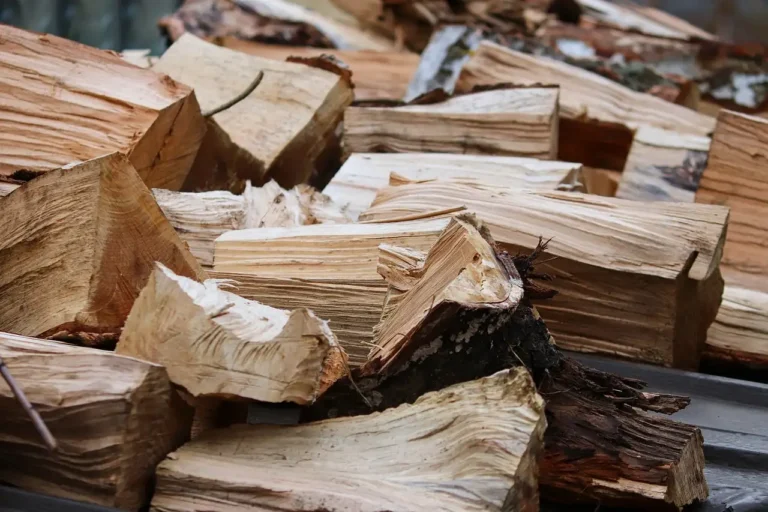
Yes, this is one of the first things to check. Seasoned hardwood with moisture content below 20% is essential, because wet or green wood burns cooler, makes more smoke, and often leaves the fire too weak to keep itself going. If the wood looks dry outside but burns badly, the problem may still be moisture inside.
Seasoned wood and the 20% target
Seasoned firewood means the wood has dried enough to burn hotter and cleaner than wet wood. A moisture meter gives the most direct check. Split a piece, test the fresh interior, and look for a reading below 20%. Surface checks are less reliable because the outside can feel dry while the core still holds water.
Wet wood takes heat from the firebox. That leaves less energy to warm the chimney, build draft, and ignite the next piece of fuel. The result is often a weak flame, heavy smoke, and a fire that goes out as soon as the small starter bundle burns down.
What to check if wood looks dry but burns poorly
- Split a log and check the fresh inner face with a moisture meter.
- Confirm the wood has been stored off the ground and under cover with open sides for airflow.
- Look for punky, soft, or spongy sections that suggest rot or trapped moisture.
- Compare one dry split with one suspect split to see whether the issue follows the wood.
Suppose a homeowner loads two medium splits that seem dry on the outside, but the fire keeps fading after ten minutes. If a fresh split reads above 20%, the fuel is the problem, not the damper. If the wood reads below 20% and the fire still fades, move to draft and loading checks.
Is the fireplace getting enough air?
Usually, no fire that keeps going out should be checked for airflow next. For a standard open wood-burning fireplace, the damper must be open when lighting and while the fire is burning, and the air vents must be open during startup. Sealed inserts and wood stoves use their own air controls, so follow the appliance instructions for those units. Restricted vents can put out the fire before the coal bed forms.
Damper position at startup
Should the damper be fully open when lighting a fire? Yes. The damper controls airflow and smoke movement, so starting with it open gives the fire the best chance to establish draft. A damper that is closed, partly blocked, or stuck can make smoke spill and can smother the first flame.
Check that the handle or control moves freely and that nothing is blocking the flue path. If the fireplace is an insert or stove-style unit, follow the appliance instructions for startup position. Those setups can have different air controls than an open hearth, and the wrong control setting can starve the firebox.
Air vents and combustion air
How do you get more airflow in a wood fireplace? Open the air vents fully at startup, then keep the firebox arranged so air can pass between the pieces. If the unit has front or lower vents, confirm they are not clogged with ash. A thin ash bed is fine; a packed layer of ash can restrict oxygen.
The fire needs oxygen from the room and from the vent path. If the room is tightly sealed or the vents are partly blocked, the fire may flare briefly and then die. That is especially common on the first light, when the chimney has not yet developed a strong upward pull.
Top-down lighting method for faster startup
The top-down lighting method burns from top to bottom. It often helps because the largest logs sit at the bottom, kindling sits above them, and the fire creates heat faster near the chimney path. That can reduce smoke compared with a poor setup that buries kindling under heavy logs.
Use enough kindling to build a hot starting zone, then stack smaller splits above or around it with gaps for air. For the first few minutes, the door may be kept slightly ajar to help the fire establish draft, as long as the unit’s instructions allow it. Once the flame is steady, let the fire continue with the door fully closed.
A common first-timer mistake is placing one small stick of kindling under two large logs and closing the door right away. The wood chars, the smoke thickens, and the fire dies before the draft can form. More kindling, more air gaps, and a fully open damper usually solve that pattern.
Why does it smoke when I add logs?
Smoke after adding logs usually means the firebox lost airflow when the new wood went in. Oversized logs, packed loading, or a weak coal bed can block the path through the firebox and slow ignition. The result is a temporary or immediate smoke spill, especially if the flue is still cool.
Oversized logs and packed loading
Can logs be too big for a fireplace fire? Yes. Large logs take longer to catch, absorb more heat, and can smother the burning bed if they are dropped in too early. If the new wood covers the flame and leaves no air space, the fire can dim or go out.
Use smaller splits when the fire is still building. Add wood in a way that leaves visible gaps between pieces, and do not bury the hot center under a solid wall of fresh logs. If the fire only fails after reloading, the problem is often the reload pattern, not the chimney.
Too little kindling or too small a coal bed
How much kindling do you need to start a wood fire? Enough to create a strong bed of heat, not just a few sticks. The exact amount depends on the fireplace size, but startup should produce a lively flame zone before larger logs are added. Too little kindling leaves the fire too cool to recover after loading.
If the coal bed is still small, wait before adding large logs. A weak starter can light a surface, but it cannot always warm the next layer fast enough. That is why some fires burn briefly, smoke, and then fail as soon as the new wood interrupts the airflow.
How loading blocks airflow through the firebox
Loading matters because the firebox depends on open paths for combustion air and flame travel. A tight stack can block the front openings, cover the kindling, or seal off the spaces where air should move upward. The fireplace then behaves as if the damper were partly closed even when it is not.
Think of the load like a loose stack, not a solid wall. Keep the center open enough for flame to reach the next piece. If your fireplace smokes when you add logs, add them more gradually and avoid dropping in a single heavy split that can collapse the coal bed.
Cold chimney and blocked flue
A cold chimney can block draft because warm air needs to rise. On cold mornings, the flue may be full of dense cold air that resists upward flow, so smoke spills into the room or the fire dies before it gets established. If the problem happens only in cold weather, draft loss is a strong suspect.
Cold downdraft on the first light
How do you keep a fire going in a cold chimney? Warm the flue first, light a small starter fire, and keep the damper open. The first few minutes are the hardest. A cold chimney often needs a little heat before it can pull smoke upward instead of pushing it back into the room.
For the first few minutes, the door may be kept slightly ajar if the fireplace design allows it. That extra air can help the draft get started. Once the flue warms, the fire should continue normally.
Chimney or flue blockage from soot, nests, or debris
What should you do if your chimney or flue is blocked? Stop using the fireplace until it is inspected. Soot, creosote, nests, and debris can narrow the passage enough to cause smoke spill and poor draft. A partial blockage can be as troublesome as a full one, because it still disrupts the airflow path.
If smoke keeps spilling after the damper is open and the wood is dry, do not keep feeding the fire. That pattern can signal a blocked or restricted flue that needs more than a simple adjustment. Persistent smoke is a service issue, not a loading issue.
When a chimney sweep should inspect the system
A chimney sweep is recommended for annual inspection, and cleaning as needed when soot or creosote buildup warrants it. The sweep removes soot, creosote, nests, and debris, and can check for a stuck damper, flue damage, or other problems that affect draft. Annual service matters even if the fireplace seems to work, because buildup can grow before it causes obvious symptoms.
Call for professional service sooner if you see repeated smoke spillage, smell heavy creosote, or suspect a blockage you cannot clear safely. A blocked flue is not a problem to solve by guessing. It needs inspection.
Frequently asked questions
Why does my wood fireplace keep going out?
Most often, the fire is losing one of three things: draft, dry fuel, or oxygen. If it goes out within minutes, check the damper, air vents, and kindling first. If it dies after reloading, look at log size and packing. If it fails only on cold mornings, suspect a cold chimney.
Can wet firewood make a fireplace go out?
Yes. Wet or green wood burns cooler, makes more smoke, and can fail to heat the chimney enough to build draft. Seasoned hardwood with moisture content below 20% is the safer target. If the fire starts but fades, split a piece and check the interior moisture before changing anything else.
How do I get more airflow in a wood fireplace?
Open the damper fully at startup, open the air vents fully, and keep the fuel arranged with gaps for oxygen. A thin ash layer is fine, but a packed firebox or blocked vent can starve the fire. For startup, a looser layout with plenty of kindling usually works best.
Why does my fireplace smoke when I add logs?
Smoke after adding logs usually means the reload blocked airflow or cooled the fire too much. Large logs, a tight stack, or too little coal bed can slow ignition and spill smoke. Add smaller splits, leave gaps, and wait until the fire is strong enough to take the new wood.
Should the damper be fully open when lighting a fire?
Yes. A fully open damper gives smoke a clear path out of the firebox and helps the chimney begin drafting. If the damper is partly closed or stuck, the fire may smoke or die before it establishes heat. For a standard open wood-burning fireplace, keep it open while the fire is burning; sealed inserts and stoves should follow their appliance instructions.
How do I keep a fire going in a cold chimney?
Start with the damper open, use dry kindling, and build a small hot starter fire to warm the flue. The first few minutes are key, and the door may be kept slightly ajar if allowed. If the chimney keeps pushing smoke back into the room, stop and inspect for blockage or draft failure.
Sponsored / affiliate links. As an Amazon Associate I earn from qualifying purchases. I may earn additional commission from eligible campaigns.