Wood Volume Calculation Formula: Lumber, Logs & Board Feet Explained
The wood volume calculation formula you need depends on the shape: rectangular lumber uses Length × Width × Height, board-foot pricing uses (Thickness × Width × Length) ÷ 12, and round logs use π × Radius² × Height (or a log-scaling rule for rough logs). Mixing these up — or mixing units within one of them — is where most volume estimates go wrong.
Getting the wood volume calculation formula right matters whether you’re pricing a hardwood order, scaling a log before it goes to the mill, or figuring out how much material a project actually needs. The formula itself is short. The mistakes that throw off the answer — mixed units, nominal-vs-actual lumber sizes, treating a tapered log like a cylinder — are the part most guides skip.
The Basic Volume Formula for Rectangular Lumber
Best Tool for Precise Volume Measurements
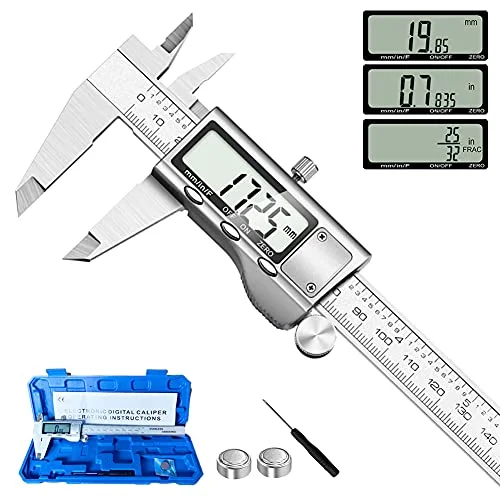 |
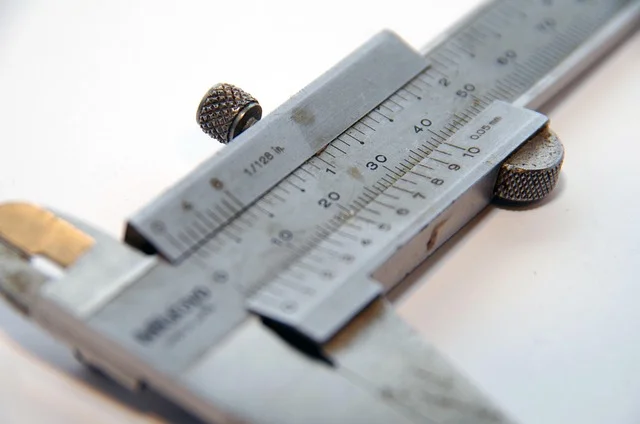
Jiavarry 6-Inch Digital Caliper – $21.98 Board-foot and cylinder-volume math is only as accurate as your thickness reading — this reads to 0.001 inch where a tape measure can’t.
|
For a squared board or beam, wood volume is Length × Width × Height (or Thickness). All three dimensions have to be in the same unit before you multiply — that’s the step people skip.
Worked example: a rough board measures 6 feet long, 12 inches wide, and 1 inch thick. Convert everything to feet first — 12 inches = 1 foot, 1 inch = 0.083 feet — then multiply: 6 × 1 × 0.083 = 0.5 cubic feet. If you’d multiplied 6 × 12 × 1 without converting, you’d get 72 and have no idea what unit that number is even in. That’s the single most common error in wood volume math, and it’s an easy one to avoid by converting to one unit before you multiply, not after.
Board Feet — The Formula Lumber Yards Actually Use
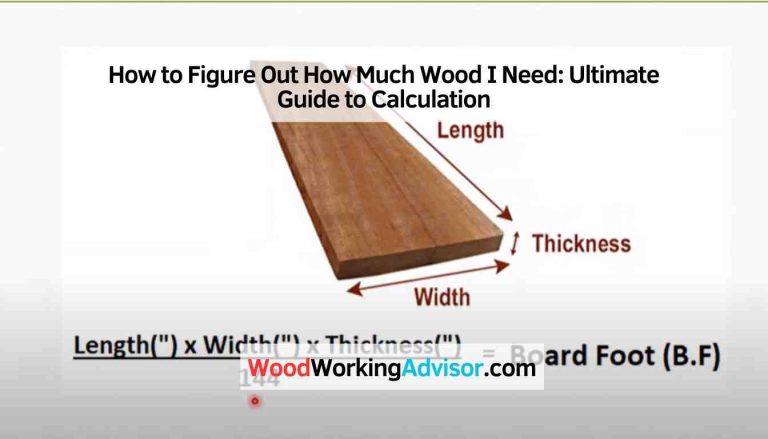
Hardwood and rough-sawn lumber isn’t priced by the board or the linear foot — it’s priced by the board foot, a volume unit equal to a piece 12 inches wide, 12 inches long, and 1 inch thick (144 cubic inches). The formula lumberyards actually bill against is:
Board Feet = (Thickness in inches × Width in inches × Length in feet) ÷ 12
Worked example: a 2-inch-thick, 6-inch-wide, 8-foot-long piece of walnut — (2 × 6 × 8) ÷ 12 = 96 ÷ 12 = 8 board feet. Multiply that by the mill’s per-board-foot price and you have your cost, before waste factor. Dimensional framing lumber (studs, joists, deck boards) is normally sold by the piece or the linear foot instead, so this formula rarely applies to a home-center 2×4 — it’s specifically the hardwood/rough-sawn pricing formula. For a full breakdown of board-foot quantities by project type and a waste-factor chart, see our guide on how many board feet you need.
Calculating Volume for Round Logs and Cylindrical Stock
For a true cylinder — a dowel, a turned spindle, a perfectly round post — the formula is Volume = π × Radius² × Height. Measure the radius (half the diameter) and the height or length, square the radius, multiply by π (about 3.14159), then multiply by the height. A 4-inch-diameter, 36-inch-long dowel has a 2-inch radius: 3.14159 × 2² × 36 = 3.14159 × 4 × 36 ≈ 452 cubic inches.
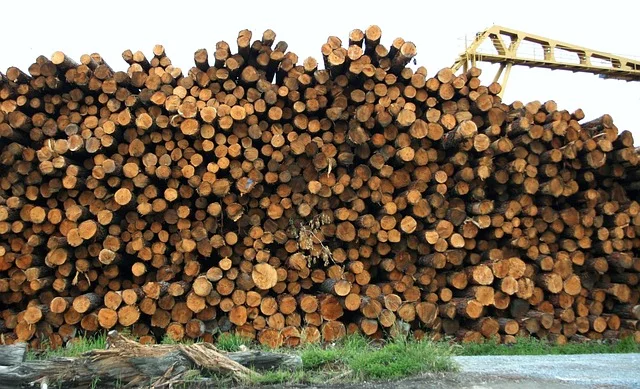
A raw log isn’t a true cylinder, though — it tapers from the butt end to the top, has bark and irregular shape, and loses material to saw kerf when it’s milled into boards. Because of that, log buyers and foresters don’t use the plain cylinder formula; they use a log scaling rule. The most common in the U.S. is the Doyle Log Rule:
Board Feet = (D − 4)² × L ÷ 16, where D is the log’s small-end diameter in inches (measured inside the bark) and L is its length in feet.
Worked example: a log with a 16-inch small-end diameter and a 12-foot length — (16 − 4)² × 12 ÷ 16 = 144 × 12 ÷ 16 = 108 board feet. A 12-inch-diameter, 16-foot log comes out to (12 − 4)² × 16 ÷ 16 = 64 board feet. Two other rules — Scribner and International ¼-inch — exist for the same purpose and will give a different number for the identical log, because each one assumes a different amount of saw kerf and slab waste. If a mill’s scale sheet doesn’t match your own Doyle-rule math, that’s almost always why — ask which rule they’re using before assuming the count is wrong.
Common Mistakes That Skew Wood Volume Calculations
Nominal vs. actual dimensions. A “2×4” is not 2 inches by 4 inches — after milling and drying it measures 1.5 x 3.5 inches actual. Run an 8-foot 2×4’s volume both ways: at nominal size, 2 × 4 × 96 = 768 cubic inches; at actual size, 1.5 × 3.5 × 96 = 504 cubic inches. That’s a 52% overstatement from using the nominal number instead of the actual one — enough to blow a material estimate on a project of any size. Always measure actual dimensions with calipers or a tape measure rather than trusting the lumber’s stamped nominal size.
Mixed units. Multiplying feet by inches by centimeters without converting first produces a number with no real unit — pick one unit (all feet, or all inches, or all millimeters) and convert every measurement to it before you multiply.
Moisture-driven size change. Wood shrinks as it dries and swells as it absorbs moisture, mostly across the width and thickness rather than the length. A board measured green and recalculated after kiln-drying can show a noticeably different volume even though nothing was cut off it. If your project spans a season or the stock wasn’t kiln-dried, check moisture content before finalizing a volume-based estimate — our moisture content calculator walks through that adjustment.
Treating a tapered log as a straight cylinder. Using the small end’s diameter for the whole log’s length (rather than a scaling rule like Doyle) overstates the usable volume, since real logs narrow toward the top.
Tools for Measuring Wood Volume Accurately
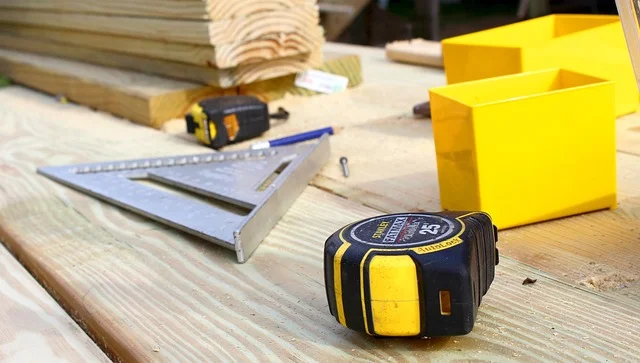
A standard tape measure covers length and width on lumber and framing stock. For thickness on hardwood, dowels, or anything where a sixteenth of an inch changes the board-foot math, a digital caliper reads to 0.001 inch and removes the guesswork a tape measure can’t avoid on a rounded or slightly warped edge. For log diameter, foresters use a specialized diameter tape (a regular tape marked to read diameter directly from a circumference measurement) or calipers sized for the log; a moisture meter is worth adding to the kit any time volume numbers need to reflect dried, not green, dimensions.
Frequently Asked Questions
What is the basic formula for wood volume?
For a squared board or beam, wood volume equals Length × Width × Height, with all three measurements converted to the same unit before multiplying. For a true cylinder, it’s π × Radius² × Height instead.
How do you calculate board feet?
Board Feet = (Thickness in inches × Width in inches × Length in feet) ÷ 12. A 2-inch by 6-inch board that’s 8 feet long works out to (2 × 6 × 8) ÷ 12 = 8 board feet.
Is a 2×4 actually 2 inches by 4 inches?
No. A “2×4” is a nominal size; its actual milled dimensions are 1.5 inches by 3.5 inches. Using the nominal 2 x 4 instead of the actual 1.5 x 3.5 overstates an 8-foot board’s volume by about 52%, so volume calculations should always use actual measured dimensions.
How do you estimate the volume of a round log?
A true cylinder uses π × Radius² × Height, but raw logs taper and lose material to saw kerf, so mills and foresters use a log scaling rule instead. The Doyle Log Rule — Board Feet = (Small-end diameter in inches − 4)² × Length in feet ÷ 16 — is the most common in the U.S., though Scribner and International ¼-inch rules are also used and will give different results for the same log.
Conclusion
Three formulas cover almost every wood volume question: Length × Width × Height for squared stock, (Thickness × Width × Length) ÷ 12 for board-foot pricing, and a log scaling rule like Doyle’s for raw logs. The formulas themselves take seconds to run — what actually determines whether the answer is right is converting to one unit first and measuring actual rather than nominal dimensions. Get those two habits right and the rest is arithmetic.
Sponsored / affiliate links. As an Amazon Associate I earn from qualifying purchases. I may earn additional commission from eligible campaigns.