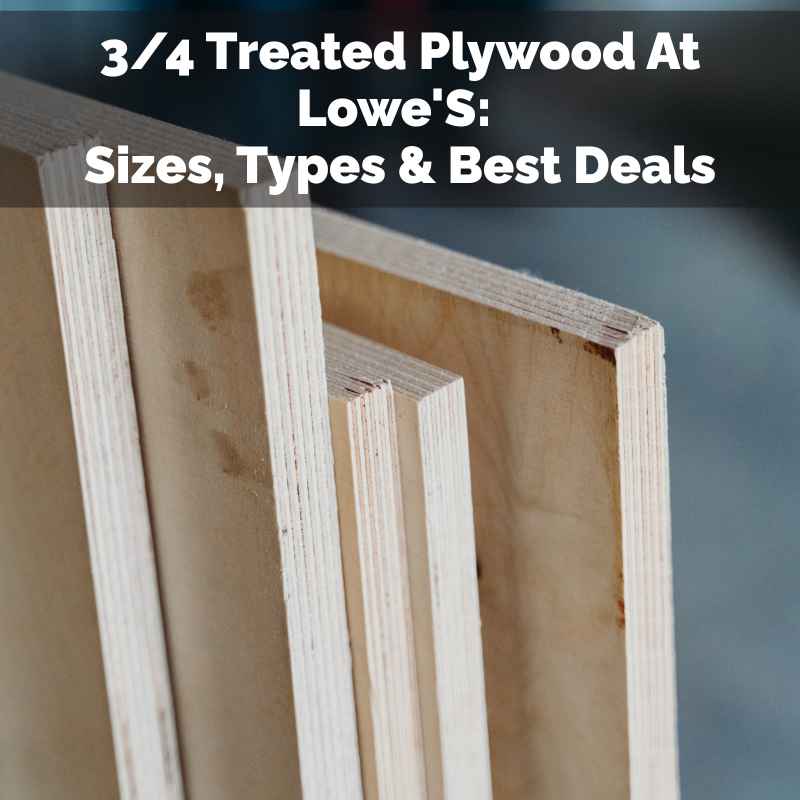
3/4 Treated Plywood At Lowe’S: Sizes, Types & Best Deals
Understanding 3/4 inch treated plywood at Lowe’s involves knowing the common sizes, the different treatment levels, and how to identify quality. This guide helps you pick the right type for outdoor projects like decks, fences, and sheds, ensuring durability and value.
What is 3/4 Treated Plywood?
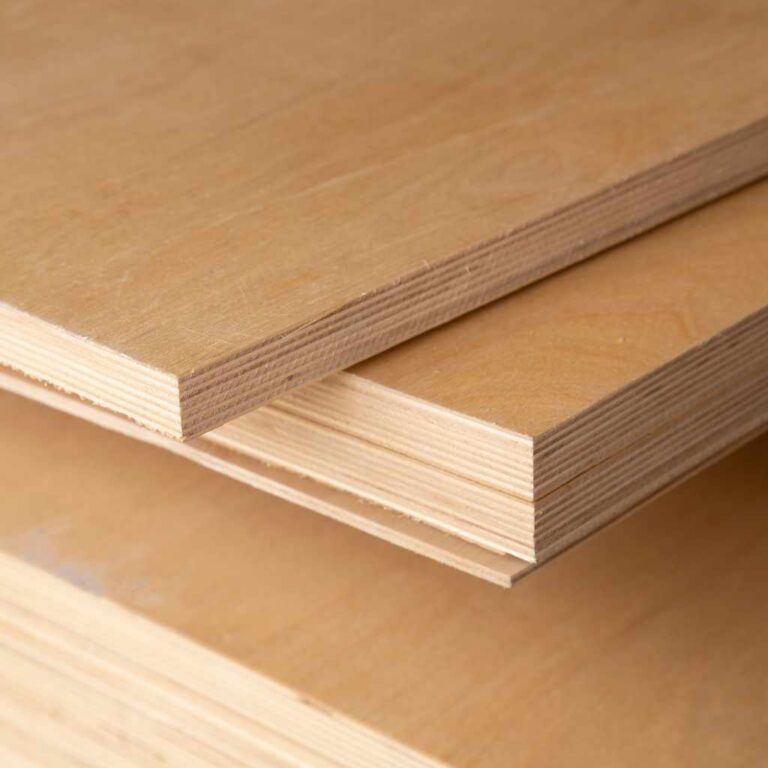
Plywood is made from thin layers of wood. These layers are glued together. They form a strong board.
Treated plywood has chemicals added. These chemicals protect the wood. They stop rot and insects.
This is very important for wood used outside. 3/4 treated plywood is a common thickness. It’s strong and stable.
It holds up well to weather.
The treatment makes the wood last much longer. It resists decay from rain and dampness. It also fights off termites and other wood-boring bugs.
This means your project stays strong for years. Without treatment, outdoor wood would rot fast. It would crumble and fall apart.
The chemicals soak deep into the wood. They offer protection from the inside out.
You’ll find different levels of treatment. Some are for ground contact. Others are for above-ground use.
It’s key to choose the right one. Ground contact treatment is stronger. It has more chemicals.
It’s needed for posts or frames touching the soil. Above-ground treatment is fine for siding or decks.
My First Deck Disaster
I remember building my first deck years ago. I was so excited. I wanted a nice outdoor space.
I went to the lumber yard. I saw lots of plywood. I picked what looked good.
It was labeled “treated.” I thought I was all set. I built the deck frame. I put down the deck boards.
It looked amazing! A few years later, I noticed something odd. The frame looked a bit soft.
Then, a section near the ground just crumbled. Termites had a feast! I had used the wrong type of treated plywood.
It wasn’t rated for ground contact. That mistake cost me a lot of money and time to fix. I learned a hard lesson about reading labels.
Now, I always check the treatment level.
Key Features of Treated Plywood
Purpose: Protects wood from decay and insects outdoors.
Treatment Types: Ground contact (GC) and above ground (AG).
Thickness: Common is 3/4 inch, good for strength and stability.
Uses: Decks, fences, sheds, outdoor furniture, subflooring.
Longevity: Extends the life of wood projects significantly.
Common Sizes and Dimensions at Lowe’s
When you go to Lowe’s, you’ll see standard sizes. The most common sheet size is 4 feet by 8 feet. This is a big board.
It’s easy to cover large areas. The thickness you are looking for is 3/4 inch. This is also called a 24/32 or 40/32 panel in some places.
But most people just say 3/4 inch.
The actual thickness might be a tiny bit less. This is normal. It’s often around 0.70 inches.
This happens because of the sanding process. Plywood is made of many thin wood layers. These are called plies or veneers.
The number of plies affects strength. Thicker plywood usually has more layers. 3/4 treated plywood typically has enough layers for good strength.
Lowe’s also carries different grades of plywood. You might see CDX, AC, or BC. The letter grades tell you about the veneer quality.
For outdoor projects, the ‘X’ in CDX means it’s rated for exterior use. This means the glue used can handle moisture. This is super important for treated wood.
You don’t want the layers to split apart when wet.
You might also find plywood cut to smaller sizes. Sometimes stores sell half sheets or quarter sheets. These are good for smaller jobs.
But buying a full 4×8 sheet is usually more cost-effective. Make sure to check the actual dimensions when you buy.
Plywood Size & Measurement Quick Guide
Standard Sheet Size: 4 feet wide by 8 feet long.
Standard Thickness: 3/4 inch (often measures around 0.70 inches).
Other Sizes: May be available in half or quarter sheets.
Grading Systems: Look for ‘X’ for exterior glue (e.g., CDX).
Units: Sold in square feet or by the sheet.
Understanding Wood Treatment Levels
The treatment chemicals are key to outdoor wood. Lowe’s carries plywood treated with different chemicals. The most common is Alkaline Copper Quaternary (ACQ).
Older treatments like Chromated Copper Arsenate (CCA) are less common now. This is for safety reasons. ACQ is very effective.
It protects against decay and insects well.
There are two main use categories. Ground contact (GC) treatment is the strongest. This plywood is designed to be in direct contact with soil.
Or it might be used in areas that stay wet often. Think deck posts, fence posts, or retaining walls. The treatment level is higher to handle constant moisture and soil microbes.
The other category is above ground (AG). This plywood is for projects that are not in constant contact with the ground. This includes deck surfaces, fences that are not directly touching soil, or shed walls.
It still offers good protection. But it’s not meant for the harshest wet conditions.
How do you know which is which? The lumber yard usually marks the boards. Look for labels or stamps.
Sometimes the end of the board is colored. For example, greenish tints can mean it’s treated. Check the tags carefully.
If you’re unsure, ask a Lowe’s associate. Getting the right treatment level is vital for your project’s lifespan.
The treatment process happens under pressure. The wood is put in a big tank. The chemicals are forced deep into the wood fibers.
This makes the protection last. It’s not just on the surface. This deep penetration is why treated wood is so durable.
Treatment Level Checkpoints
Ground Contact (GC): For wood touching soil or in constant dampness.
Above Ground (AG): For wood with some air circulation, not directly on soil.
Common Chemical: ACQ (Alkaline Copper Quaternary) is widely used.
Identification: Check product tags, stamps, or end-of-board coloring.
Importance: Crucial for project longevity and preventing premature rot.
What Type of Treated Plywood is Best?
The best type of 3/4 treated plywood depends on your project. For decks, you’ll often use it for the subframe. This includes the joists and beams.
These parts are exposed to weather. They might get wet from rain. If they are also touching concrete piers or are close to the ground, you need ground contact rated plywood.
Decking boards themselves are usually solid wood or composite. Plywood is less common for the walking surface. But it’s great for the structure underneath.
For a fence, the posts that go in the ground must be ground contact rated. The fence panels or pickets attached to the posts might use above-ground rated plywood if they don’t touch the soil.
Sheds and outdoor storage units are another common use. The floor joists and subfloor of a shed would benefit from ground contact rated plywood. The walls and roof sheathing could potentially use above-ground rated plywood, especially if the shed has a good foundation or is elevated.
But using ground contact everywhere offers extra peace of mind.
When in doubt, always go for the higher level of protection. Ground contact rated plywood costs a bit more. But it ensures your project lasts longer.
It avoids future repair headaches. It’s an investment in durability. Always check the labels carefully.
They tell you the intended use.
Some treated plywood is also rated for structural use. This means it’s strong enough for framing walls or floors. Look for stamps indicating structural grading.
This ensures it meets building codes for strength and safety. For most DIY outdoor projects, this level of structural integrity is important.
Choosing the Right Type
For Deck Frames: Ground Contact (GC) is often best.
For Fence Posts: Ground Contact (GC) is essential.
For Shed Floors: Ground Contact (GC) is recommended.
For Shed Walls/Roofs: Above Ground (AG) might be okay, but GC offers more protection.
General Rule: When in doubt, choose Ground Contact for maximum durability.
Walking into Lowe’s, the lumber area can be vast. The treated plywood is usually in a dedicated section. It might be outdoors or in a covered area.
Boards are often stacked in large piles. Look for the 3/4 inch thickness first. Then check the treatment labels.
You’ll see different brands. Common brands include KDAT (Kiln Dried After Treatment). This means the wood was dried in an oven after being treated.
This helps reduce warping and makes it ready to paint or stain sooner. Other brands might not specify KDAT. This doesn’t mean they are bad, but they might be wetter.
Pay attention to the appearance of the wood. Look for boards that are mostly straight. Avoid pieces with large knots that go all the way through.
Some knots are okay. They are natural. But big, loose ones can weaken the board.
Check for signs of damage like cracks or dents.
The price can vary. Ground contact treated plywood is usually more expensive. KDAT plywood can also cost more.
Compare prices per sheet. Also, consider the quality. A slightly more expensive board that is straight and free of defects might be a better value.
You don’t want to spend time picking through piles.
Sometimes, Lowe’s has specialty treated wood. This could be for marine use or specific building codes. For most common outdoor projects, the standard ACQ treated plywood is what you’ll need.
Don’t be afraid to ask staff for help. They can point you to the right section or answer specific questions.
Before you load it into your cart, inspect each sheet. Look for warping or cupping. This is when the board bends or twists.
Some minor warping can happen. But severe bending means it might be hard to work with. You want flat, stable boards for your project.
Shopping Tips at Lowe’s
Location: Look in the outdoor lumber section.
Identify: Focus on 3/4 inch thickness and treatment type labels.
Brands: KDAT is a plus for reduced warping.
Inspect: Check for straightness, few large knots, and no major cracks.
Compare: Look at price per sheet and overall quality.
Ask: Don’t hesitate to ask store associates for assistance.
Best Deals and Value for Your Money
Finding the best deal on 3/4 treated plywood involves a few strategies. First, check Lowe’s weekly ads. They often have sales on lumber.
These sales can save you a good amount, especially on larger projects.
Buying in bulk can also save money. If you need multiple sheets, see if there’s a discount for buying a full bundle. Sometimes stores offer better prices when you buy a stack.
This is great if you’re building a large deck or fence.
Consider the grade of the plywood. While you want good quality, sometimes a slightly lower grade might be acceptable for certain parts of a project. For example, the subfloor of a shed might not need the absolute highest grade if it’s covered by a finished floor.
However, for structural parts like deck joists, don’t skimp on quality.
Also, think about the treatment. While ground contact is usually more expensive, if your project is entirely above ground and in a dry area, you might save money with above-ground treated plywood. Always match the treatment level to the need.
Keep an eye out for clearance items. Sometimes stores will mark down lumber that has minor cosmetic flaws or is left over from a promotion. You can get great deals this way.
Just inspect these pieces carefully to make sure the flaws don’t affect the structural integrity.
Finally, compare prices online if you can. While Lowe’s is a great source, it’s always wise to see if other local lumber yards have competitive pricing. However, for convenience and often good deals, Lowe’s is a solid choice for treated plywood.
Maximizing Your Budget
Sales & Ads: Watch for Lowe’s weekly promotions.
Bulk Buying: Discounts may apply for large quantities.
Grade vs. Use: Match grade to project needs; don’t overbuy.
Treatment Level: Choose AG if GC isn’t strictly necessary.
Clearance: Look for discounted items with minor imperfections.
Comparison: Check local competitor prices if possible.
Projects Suitable for 3/4 Treated Plywood
3/4 treated plywood is incredibly versatile for outdoor projects. Its thickness provides strength. The treatment ensures it lasts in harsh conditions.
It’s a go-to material for many DIYers and professionals.
One of the most popular uses is for deck framing. The strong structure underneath your deck boards is critical. Joists, beams, and rim joists all benefit from the stability and rot resistance of 3/4 treated plywood.
It creates a solid base that can support weight and withstand weather.
Fences are another major application. The posts that anchor your fence into the ground absolutely need ground contact rated treated plywood. For the fence panels or pickets, if they are elevated off the ground, you could use above-ground treated plywood, but for maximum durability and uniformity, using ground contact rated plywood throughout is often a good choice.
Outdoor sheds and storage units are prime candidates. The subfloor of a shed needs to be strong and resistant to moisture from the ground. 3/4 treated plywood makes an excellent shed floor.
It can also be used for the walls and roof sheathing, offering protection against rain and humidity.
Other uses include:
Outdoor furniture frames (like benches or picnic tables)
Planter boxes and raised garden beds
Steps and landings for outdoor decks
Dog houses and animal shelters
Temporary outdoor structures or platforms
Subflooring for playhouses
When choosing plywood for these projects, always consider the level of exposure to moisture. For anything that touches the ground or is consistently wet, opt for ground contact rated. For parts that have good air circulation and are less likely to get soaked, above ground might suffice, but again, the higher protection is often worth it.
Project Ideas for Treated Plywood
Decks: Subflooring and framing.
Fences: Posts and panel construction.
Sheds: Floors, walls, and roof sheathing.
Outdoor Furniture: Frames for benches, tables.
Garden Structures: Planter boxes, raised beds.
Animal Housing: Dog houses, chicken coops.
Installation and Handling Tips
Working with treated lumber is a bit different than untreated wood. Always wear safety glasses. The chemicals can be irritating if they get in your eyes.
Wearing gloves is also a good idea. Some people find the treated wood can dry out their skin.
When cutting treated plywood, use a sharp saw blade. The chemicals can be tough on blades. It’s also important to cut outside or in a well-ventilated area.
This is because of the sawdust. While modern treatments are much safer than older ones, it’s still best to avoid breathing the dust.
Sawdust from treated wood should not be burned in open fires. The chemicals can be released into the air. Dispose of the sawdust responsibly.
Check your local waste disposal guidelines.
When fastening treated plywood, use hot-dipped galvanized nails or screws. Or use stainless steel fasteners. The copper in the treatment can corrode regular steel fasteners over time.
This can weaken the connections. Deck screws specifically made for treated lumber are readily available at Lowe’s.
If you plan to paint or stain your project, wait for the wood to dry out first. KDAT plywood dries faster. If it’s not KDAT, it might take several weeks or even months for the moisture content to drop to a suitable level.
You can test this with a moisture meter. Aim for a moisture content below 15% before applying a finish.
Avoid using treated wood where it will be in constant contact with drinking water or food. While ACQ treatment is safer than older methods, it’s still a chemical treatment. For projects like cutting boards or potable water tanks, use untreated, food-grade materials.
Safe Handling Practices
Safety Gear: Always wear safety glasses and gloves.
Cutting: Use sharp blades; cut outdoors or in a well-ventilated area.
Sawdust: Dispose of responsibly; do not burn.
Fasteners: Use hot-dipped galvanized or stainless steel screws/nails.
Finishing: Allow wood to dry (below 15% moisture) before painting/staining.
Avoid Contact: Do not use for food prep surfaces or potable water containers.
What This Means for Your Project
Knowing about 3/4 treated plywood empowers you. You can now make informed choices at Lowe’s. It means your outdoor projects will be stronger and last longer.
It means you won’t have to worry about rot or bugs as much.
When you choose the right type of treated plywood, you are investing in durability. You are saving yourself time and money on future repairs. A well-built deck or fence adds value to your home.
It provides enjoyment for years.
It also means understanding labels. The difference between ground contact and above ground is crucial. Using the wrong type can lead to premature failure, like my deck did.
So, take the time to read and understand what you are buying.
For DIYers, this knowledge builds confidence. You can walk into the store knowing what you need. You can select the best materials for the job.
This makes the building process smoother and the final result more satisfying. It’s about building it right the first time.
Remember that even treated wood will age. It can weather and change color over time. Regular maintenance, like cleaning and occasional sealing or staining, will keep it looking its best.
But the core structure will remain sound thanks to the treatment.
Quick Fixes & Tips
While this guide is about choosing the right plywood, here are a few quick tips for your project:
- Measure twice, cut once. This old saying is always true.
- Use a level to ensure your frames are straight.
- Pre-drill holes for screws near edges to prevent splitting.
- Stack sheets carefully to avoid damage.
- Cover your project if rain is expected during construction.
- Clean up your workspace daily.
Frequently Asked Questions
Is 3/4 inch treated plywood good for deck subflooring?
Yes, 3/4 treated plywood is an excellent choice for deck subflooring. Its thickness provides a solid base, and the treatment protects it from moisture and insects. For the best results, ensure you use ground contact rated plywood if the frame is close to the ground or sits on concrete piers.
What is the difference between ACQ and CCA treatment?
ACQ (Alkaline Copper Quaternary) is a more modern and environmentally friendly treatment. CCA (Chromated Copper Arsenate) was used more in the past but is now restricted due to concerns about arsenic. Both protect wood from decay and insects, but ACQ is the standard for residential use today.
Can I paint or stain treated plywood?
Yes, you can paint or stain treated plywood. However, it’s important to let the wood dry out first. The treatment process leaves the wood quite wet.
Wait until the moisture content is below 15%. KDAT (Kiln Dried After Treatment) plywood dries faster than standard treated lumber.
How long does treated plywood last?
With proper installation and maintenance, 3/4 treated plywood can last for 15 to 25 years, sometimes even longer. Ground contact rated plywood generally has a longer lifespan because it’s designed for harsher conditions. Regular cleaning and sealing will help extend its life.
Is treated plywood safe for vegetable gardens?
Modern ACQ treated plywood is generally considered safe for most uses, including raised garden beds. However, some people prefer to use untreated wood or plastic liners for beds where vegetables will be grown, just to be extra cautious. The chemicals are bound within the wood, but avoiding direct contact with food is always a good practice.
What kind of screws should I use with treated plywood?
You should use hot-dipped galvanized or stainless steel screws when working with treated plywood. This is because the copper in the treatment can corrode standard steel fasteners over time. Look for screws specifically labeled for use with treated lumber.
These are designed to resist corrosion.
Conclusion
Finding the right 3/4 treated plywood at Lowe’s doesn’t have to be confusing. By understanding sizes, treatment levels, and project needs, you can pick the best wood. This ensures your outdoor projects are strong, durable, and last for years.
Happy building!