5mm vs 1/4 Plywood: What’s the Best Choice for Your Project?
Choosing the right wood thickness can be tricky, especially when you’re just starting out. The question of 5mm vs 1/4 Plywood: When to Use Each often pops up for beginners because both sizes seem similar, but they have different uses. You might feel a little lost at first, but don’t worry! This post will break it down simply. We’ll explore the main differences and guide you step-by-step to pick the best plywood for your project. After this, you’ll feel confident making the right call. Let’s get started!
What is Plywood and Why Does Thickness Matter?
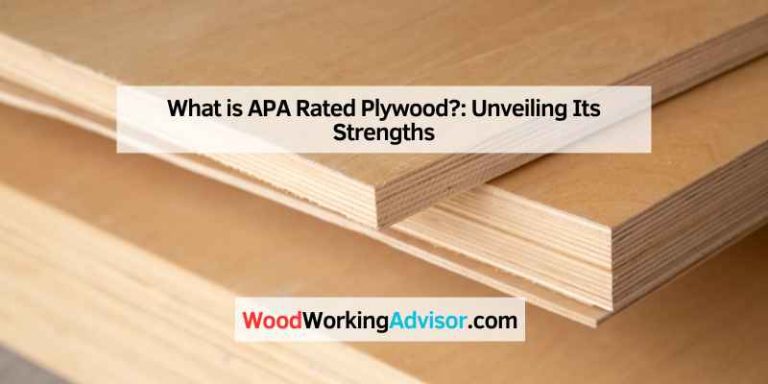
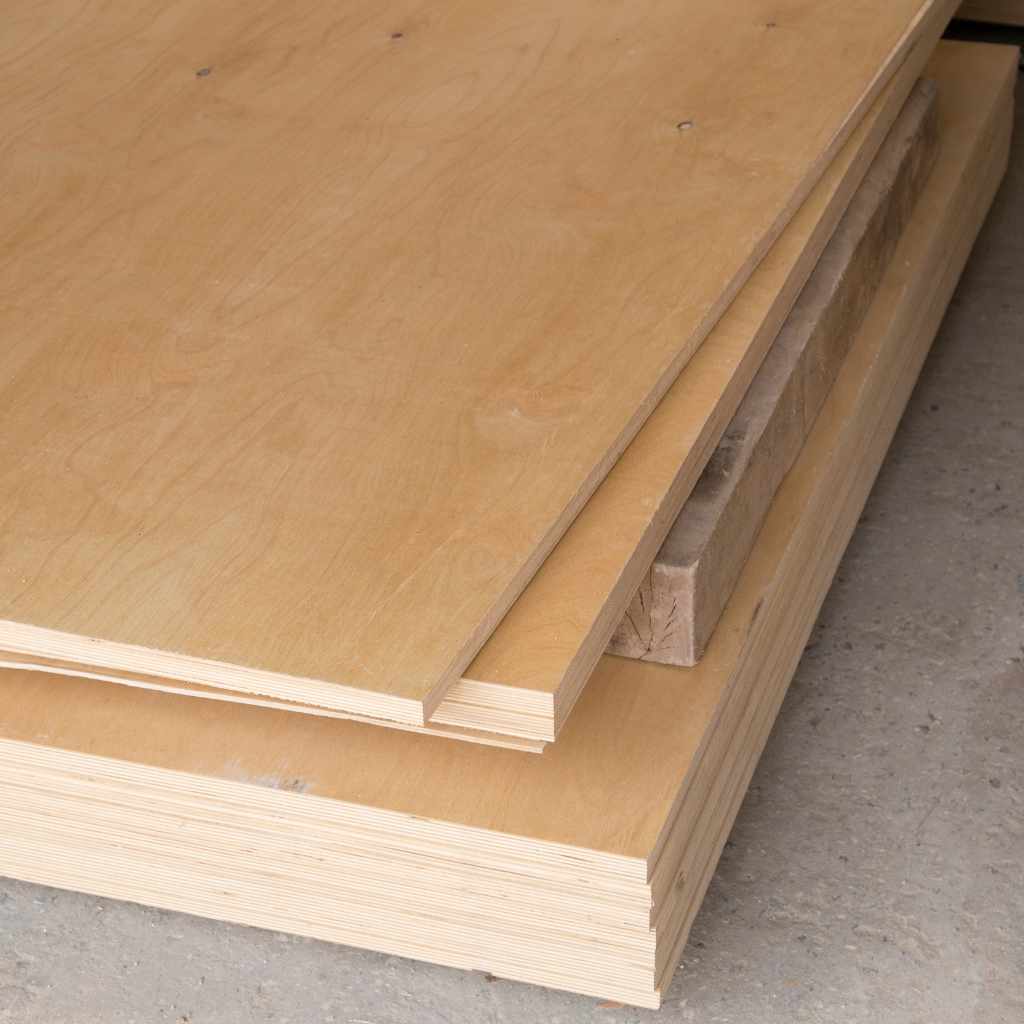
Plywood is a type of manufactured wood made from thin sheets of wood veneer that are glued together with each layer’s grain turned at right angles to the next. This cross-graining creates a strong and stable material. The thickness of the plywood significantly affects its strength, flexibility, and the types of projects it is suitable for. Different thicknesses are available to meet various construction and design needs, from delicate craft projects to structural applications.
When selecting plywood, you’ll often encounter two common thicknesses: 5mm and 1/4 inch (which is approximately 6mm). Making the correct choice between these two depends on what you plan to build. Knowing the differences ensures your project is successful, whether it’s for durability, appearance, or the way the wood interacts with screws and nails. The thickness impacts the material’s ability to resist bending, how much weight it can carry, and how easy it is to work with.
Understanding Plywood Construction
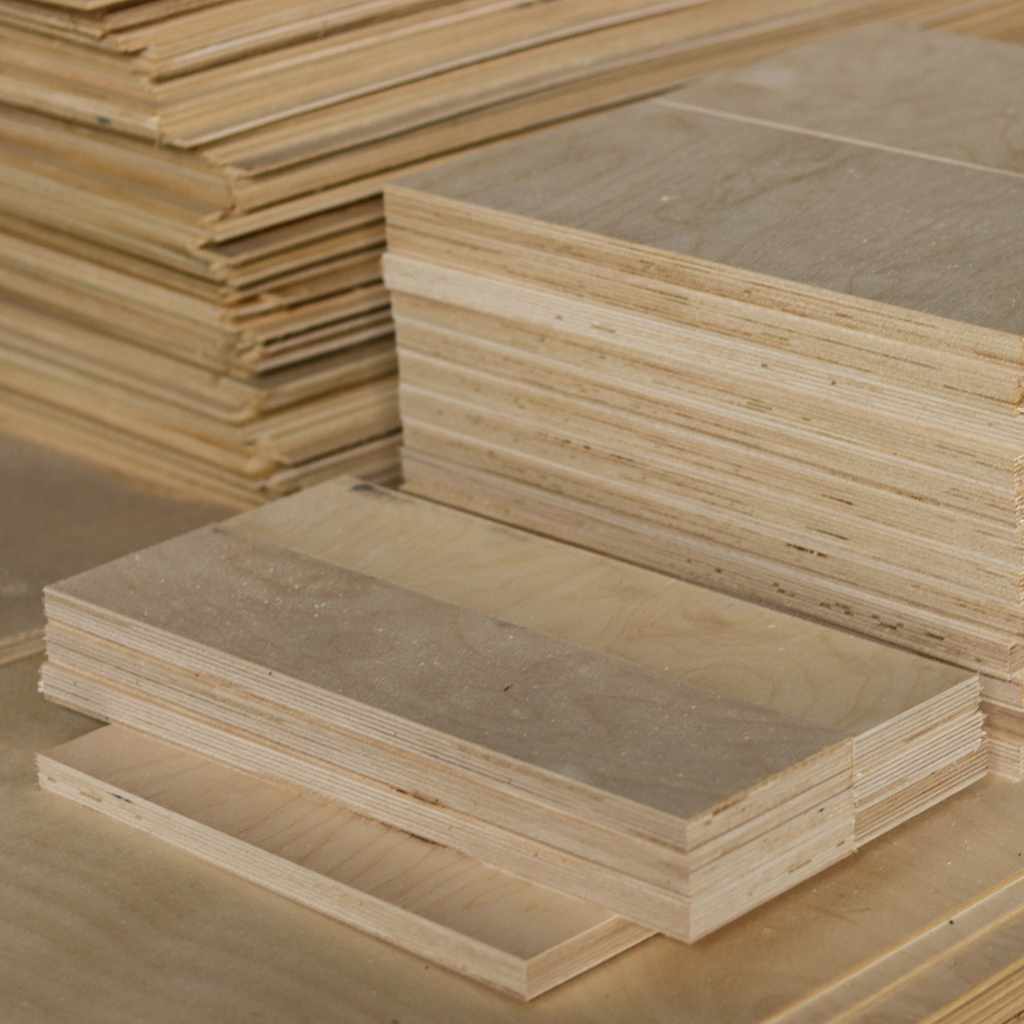
The core of plywood construction is its unique layering process. Thin sheets of wood veneer, called plies, are stacked together. Each ply has its grain running in a different direction. This creates a strong bond. The adhesive used to hold the plies together is also important. The glue must be strong and resistant to moisture and other environmental conditions. Different types of glue are used based on the intended use of the plywood, with some designed for indoor use and others for outdoor applications or marine environments.
- The Grain Direction: The alternating grain directions are the key to plywood’s strength. This arrangement distributes stress evenly across the material, making it less likely to warp, crack, or split compared to solid wood.
- The Number of Plies: The number of plies affects the plywood’s thickness and strength. Thicker plywood typically has more plies. This increases the load-bearing capacity and overall durability.
- The Core Material: The core of the plywood can vary. It can be made from solid wood strips, or it might be a composite material. The core’s makeup affects the plywood’s weight, strength, and overall cost.
The Manufacturing Process
The process begins with selecting high-quality wood for the veneer. The logs are peeled to create thin sheets. The sheets are dried to the correct moisture content. Then, the sheets are coated with glue, and the plies are stacked with the grains alternating. The stack is then pressed under high pressure and heat to bond the plies together permanently. After pressing, the plywood is trimmed to the required size, sanded, and inspected for quality.
- Veneer Preparation: Logs are softened and then peeled into thin sheets. This process ensures the wood is uniform in thickness.
- Gluing: The veneer sheets are coated with an adhesive designed to withstand stress and environmental factors.
- Pressing: Layers of veneer are pressed together under high pressure and heat. This process bonds the plies into a solid sheet.
- Finishing: The finished plywood is trimmed, sanded, and inspected. Any defects are addressed, and the surface is prepared for use or further treatments.
5mm Plywood: Best Uses and Characteristics
5mm plywood, which is close to 3/16 inch, offers a blend of flexibility and workability. It is often a great choice for projects where weight is a factor or where bending and shaping the material are important. The characteristics of 5mm plywood make it suitable for a variety of projects. Understanding its properties ensures the best results.
The thin profile of 5mm plywood makes it easy to cut with hand tools or power saws. It bends easily, making it perfect for curved designs. However, it is not as strong as thicker plywood. This needs to be considered when planning your project. This plywood can be found at most home improvement stores and is often available in a variety of wood species.
Key Features of 5mm Plywood
Several features distinguish 5mm plywood, making it a good choice for specific applications. Understanding these features will help you determine its suitability for your project. Key elements include flexibility, weight, and workability. These features make it a versatile material in several projects.
- Flexibility: 5mm plywood is very flexible. It can be bent to create curved surfaces or to fit around unusual shapes. This characteristic is especially useful in craft projects or furniture design.
- Lightweight: Its lighter weight is a significant advantage. It is easier to handle and transport. It also reduces the overall weight of finished projects.
- Ease of Cutting and Shaping: 5mm plywood is easy to cut with various tools. It can be cut with a saw, knife, or even a craft knife. This makes it ideal for projects needing precision and intricate shapes.
- Finishing Options: 5mm plywood accepts various finishes well, including paint, stain, and varnish. It provides options for both aesthetic and protective purposes.
Suitable Projects for 5mm Plywood
5mm plywood is ideal for projects that need both flexibility and a lighter build. Its features make it a great choice for smaller-scale projects. Several projects benefit from the material’s ability to be bent and shaped. It’s also suitable for projects needing a lightweight material that’s easy to handle.
- Model Making: Its flexibility allows for precise cuts and easy bending, making it ideal for creating intricate models of structures, vehicles, or artwork.
- Craft Projects: 5mm plywood is commonly used in craft projects. It is very suitable for box making, decorative panels, and other small crafts.
- Backing for Larger Projects: It can serve as backing for cabinets or furniture. This offers stability without adding a lot of weight.
1/4 Inch Plywood: When to Use It
1/4 inch plywood, or approximately 6mm, offers a balance of strength and versatility. It is an excellent choice for projects needing more structure than 5mm but don’t require the thickness of 1/2 inch or thicker plywood. Its wider profile adds greater strength. This makes it suitable for projects that require a degree of structural integrity. It’s often found in furniture, cabinetry, and other common applications.
1/4 inch plywood is sturdier than 5mm plywood, and therefore it is ideal for projects requiring more stability. It provides a good base for larger projects or those that need to withstand more wear and tear. This thickness is also relatively easy to work with. It can be cut, shaped, and fastened with common woodworking tools.
Advantages of 1/4 Inch Plywood
Several advantages make 1/4 inch plywood a popular option in woodworking. These advantages include increased strength, durability, and a wider range of uses. Understanding these benefits will help you decide if it is right for your project.
- Increased Strength: Being thicker than 5mm, it is stronger and more resistant to bending and warping. This makes it appropriate for projects that must bear weight or endure regular use.
- Durability: 1/4 inch plywood is more durable. It can withstand greater stress and impact than thinner options. This feature is particularly useful in projects needing to last for a long time.
- Easier Fastening: It holds screws and nails better than 5mm plywood. This makes it easier to assemble projects and ensures stronger connections.
- Wider Range of Applications: It is suitable for a broader array of projects, from furniture to shelving. Its flexibility and ability to handle various uses increase its value.
Popular Projects for 1/4 Inch Plywood
1/4 inch plywood works well for projects that need a good balance between strength and flexibility. The extra thickness and stability make it perfect for a range of uses. It’s especially useful for projects that need to handle some weight or be built to last.
- Shelving: The added strength of 1/4 inch plywood makes it suitable for shelving. It can support books, decorations, and other items.
- Small Furniture Pieces: 1/4 inch plywood is often used in building small furniture, such as side tables and drawers. Its stiffness supports the structure.
- Cabinet Backs and Sides: It is suitable for building the backs and sides of cabinets. This adds stability and durability to the cabinet structure.
Comparing 5mm and 1/4 Inch Plywood
When choosing between 5mm vs 1/4 Plywood: When to Use Each, understanding the differences between them is key. Both are useful, but their applications vary. This comparison helps clarify which to use for your project.
The main differences between 5mm and 1/4 inch plywood relate to their thickness, strength, and workability. The following table summarizes the key differences.
| Feature | 5mm Plywood | 1/4 Inch Plywood |
|---|---|---|
| Thickness | 5mm (approximately 3/16 inch) | 1/4 inch (approximately 6mm) |
| Strength | Less strong; more flexible | More strength; less flexible |
| Weight | Lighter | Heavier |
| Uses | Model making, craft projects, backing | Shelving, small furniture, cabinet components |
| Fastening | Requires care to avoid splitting | Holds screws and nails better |
As can be seen from the table, 5mm plywood offers a great amount of flexibility. This makes it easy to bend and shape. In contrast, 1/4 inch plywood is more rigid. This makes it more suitable for projects needing greater strength. For example, 5mm plywood might be your best choice for a craft project where you need to curve the material to form a unique shape. 1/4 inch plywood would be a better choice for building a small bookshelf, as it will hold a greater weight.
Cost Considerations
Price is a factor in every project. 5mm and 1/4 inch plywood prices may change based on the type of wood and where you buy it. Generally, 5mm plywood is slightly less expensive than 1/4 inch plywood. This is primarily due to the less material required for its construction. Both types are widely available in most hardware stores. Comparing prices across stores can help you find the most cost-effective solution for your project.
- Cost of 5mm Plywood: 5mm plywood is generally more affordable. This makes it an ideal choice for budget-conscious projects, particularly for crafts or model making.
- Cost of 1/4 Inch Plywood: While slightly more expensive, 1/4 inch plywood still offers a good value. It provides more strength and durability for the additional cost.
- Material Type: The type of wood used significantly affects the price of plywood. More expensive hardwoods will add to the material costs.
- Location and Supplier: Prices can vary based on your location and the supplier. It is advisable to compare prices among different stores.
Knowing the cost differences helps you manage your project budget. While the price differences may be small, they can add up, particularly for larger projects. Considering the costs in your planning allows you to choose materials that fit your budget.
Workability: Cutting, Shaping, and Fastening
Workability is a key consideration when choosing plywood. Ease of cutting, shaping, and fastening affects project success. Both 5mm and 1/4 inch plywood can be worked with basic tools. However, there are differences in the ease with which you can do so.
5mm plywood is easy to cut and shape. However, it can be prone to splitting when fastening, making pre-drilling holes advisable. 1/4 inch plywood is also easy to cut, although it is more difficult to bend. It holds fasteners better than 5mm plywood. The correct selection depends on your project needs and tool comfort level.
- Cutting: Both plywood thicknesses can be cut with a hand saw, a circular saw, or a jigsaw. 5mm plywood cuts quickly. However, it may require support to prevent it from flexing during the cut. 1/4 inch plywood is more rigid and is easier to cut straight lines.
- Shaping: 5mm plywood is very easy to bend and shape. This makes it ideal for curved designs. 1/4 inch plywood can also be bent, but it requires more effort and may need a bending jig or other methods to achieve curves.
- Fastening: When fastening, 5mm plywood can split easily. Pre-drilling holes is advisable to avoid splitting. 1/4 inch plywood holds screws and nails better and is less likely to split.
The tools and techniques you use should consider the thickness of the plywood. Using the right tools for cutting, shaping, and fastening ensures a cleaner, stronger, and more attractive finish for your project.
Choosing the Right Plywood for Your Project
When selecting between 5mm vs 1/4 Plywood: When to Use Each, you need to assess your project requirements. Considering the needed strength, the design, and the overall look will ensure that you select the right plywood thickness. You can make an informed choice based on these factors.
Consider the project’s function, design needs, and budget. This will help you select the most appropriate plywood. For example, if you are making a model with curved surfaces, 5mm plywood is probably your best choice. If you’re building a small bookshelf that needs to hold a few books, 1/4 inch plywood may be more appropriate because of its strength.
Assessing Project Needs
Before choosing between 5mm and 1/4 inch plywood, carefully assess the demands of your project. Think about how the item will be used, how much weight it must bear, and the environment it will be in. These considerations determine the suitability of each thickness.
- Strength Requirements: If the project must support weight, like shelving, 1/4 inch plywood is usually preferable. For lighter applications, such as model making, 5mm plywood is often sufficient.
- Design Requirements: Consider the design elements and curves. 5mm plywood is more flexible, making it ideal for projects with curved surfaces.
- Environmental Factors: If the project will be exposed to moisture or changes in humidity, choose plywood made with a water-resistant adhesive.
Matching Plywood to the Project
Knowing your project’s needs will lead you to the right choice. Consider the specific applications and the qualities that best meet those requirements. Think about how the thickness influences the final product’s look and functionality.
- Model Making: 5mm plywood is ideal for its flexibility and ease of cutting, which make complex designs easier to create.
- Craft Projects: For crafts such as boxes or decorative panels, 5mm plywood offers sufficient strength and is easy to shape and finish.
- Small Furniture: 1/4 inch plywood is often the better choice. It is strong enough to support weight and wear over time.
- Shelving: The added strength of 1/4 inch plywood is essential for building shelves, ensuring that it is robust and can hold various items.
Frequently Asked Questions
Question: Is 5mm plywood strong enough for building a small toy box?
Answer: 5mm plywood may be suitable for a small toy box, but it depends on the size and intended use. Consider if the box will be subjected to significant weight or rough handling. If so, 1/4 inch plywood would provide more durability and support.
Question: Can I use 1/4 inch plywood for intricate designs?
Answer: While 1/4 inch plywood is sturdier, it is also workable for intricate designs. You may need to use finer tools or be more careful with cutting and shaping it. For very intricate, complex designs, 5mm plywood might be easier to manage.
Question: What’s the best way to cut 5mm plywood without causing it to split?
Answer: When cutting 5mm plywood, it is wise to use a sharp blade and to cut slowly. Support the plywood on a stable surface and consider pre-drilling holes when fastening to minimize splitting. A fine-tooth saw or a craft knife can also provide clean cuts.
Question: Which plywood is easier to bend to create curved surfaces?
Answer: 5mm plywood is significantly easier to bend to create curved surfaces than 1/4 inch plywood. Its thinness and flexibility allow it to conform more easily to curves. For projects with strong curves, 5mm is ideal.
Question: Are there any specific finishes that work better with 5mm or 1/4 inch plywood?
Answer: Both 5mm and 1/4 inch plywood can be finished with a variety of materials, including paints, stains, and varnishes. The key to a good finish is surface preparation. Sand the plywood well before applying the finish.
Final Thoughts
Making the right choice between 5mm and 1/4 inch plywood comes down to matching the material’s properties to your project’s needs. 5mm plywood shines when flexibility and lightweight construction are key. It is great for crafts, model making, or projects with curved designs. 1/4 inch plywood is a good option when strength, durability, and load-bearing capacity are more important. It is perfect for shelving, small furniture, and other applications that need to withstand daily use. By understanding the advantages of each, you can make an informed choice that will improve your results.
Consider the project’s requirements, assess the demands, and think about your budget. Remember to examine the qualities of each type. With this information, you can explore the options with confidence. Then, start your next project and enjoy the process. Good luck, and keep creating!