8 Ft Composite Deck Boards Best Picks & Prices
Finding the right 8 Ft Composite Deck Boards: Best Picks & Prices can feel a little tricky when you’re new to home projects. You want something that looks great, lasts a long time, and doesn’t break the bank. But with so many choices out there, it’s easy to get confused.
Don’t worry, we’ll make it super simple! We’ll walk you through everything you need to know, step by step. Get ready to discover the best boards for your dream deck without any stress.
Choosing the Right 8 Ft Composite Deck Boards
This section helps you understand why picking the best 8 Ft Composite Deck Boards: Best Picks & Prices matters for your home. We’ll look at what makes composite boards a great choice and what you should look for. Good composite decking lasts much longer than wood and needs less upkeep.
It can resist fading, staining, and scratching, which is a big plus. Thinking about the look and feel of your outdoor space is also important. We want to guide you to boards that fit your style and budget.
What Is Composite Decking
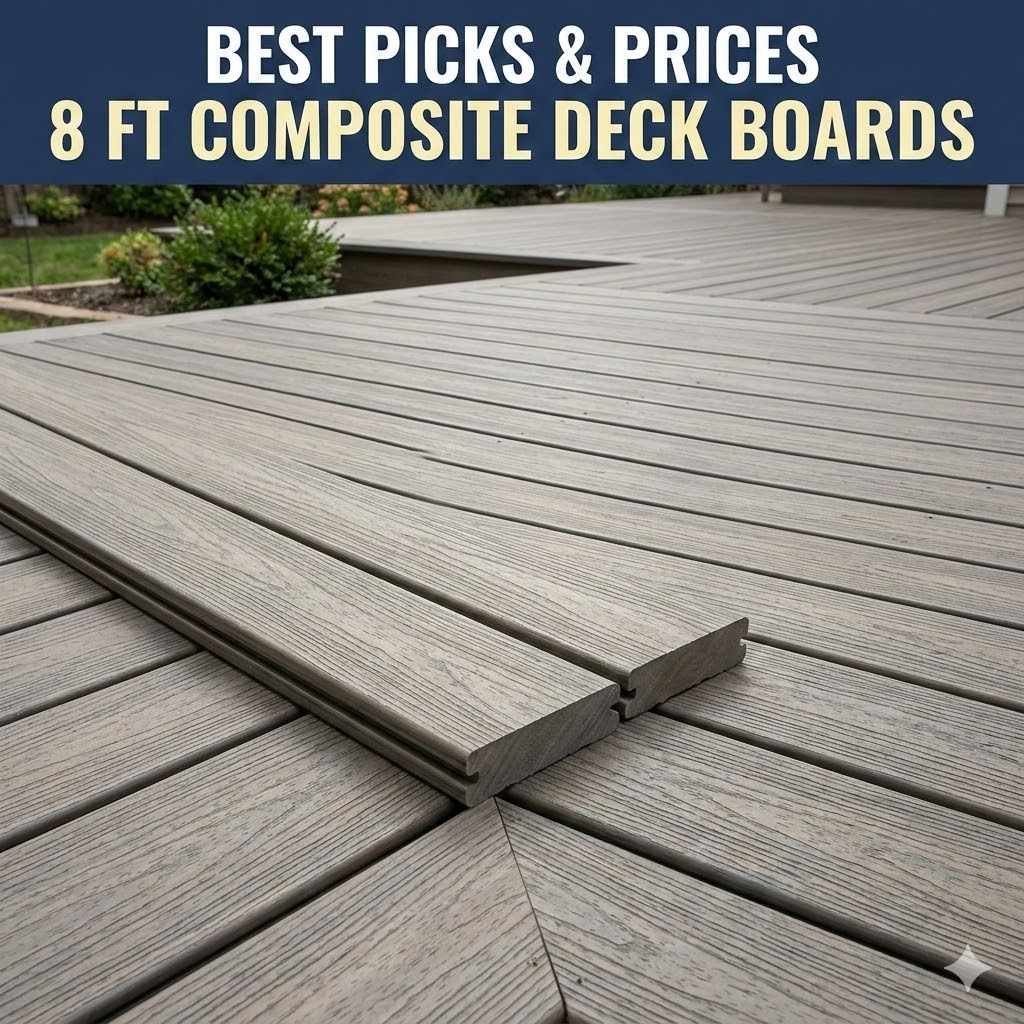
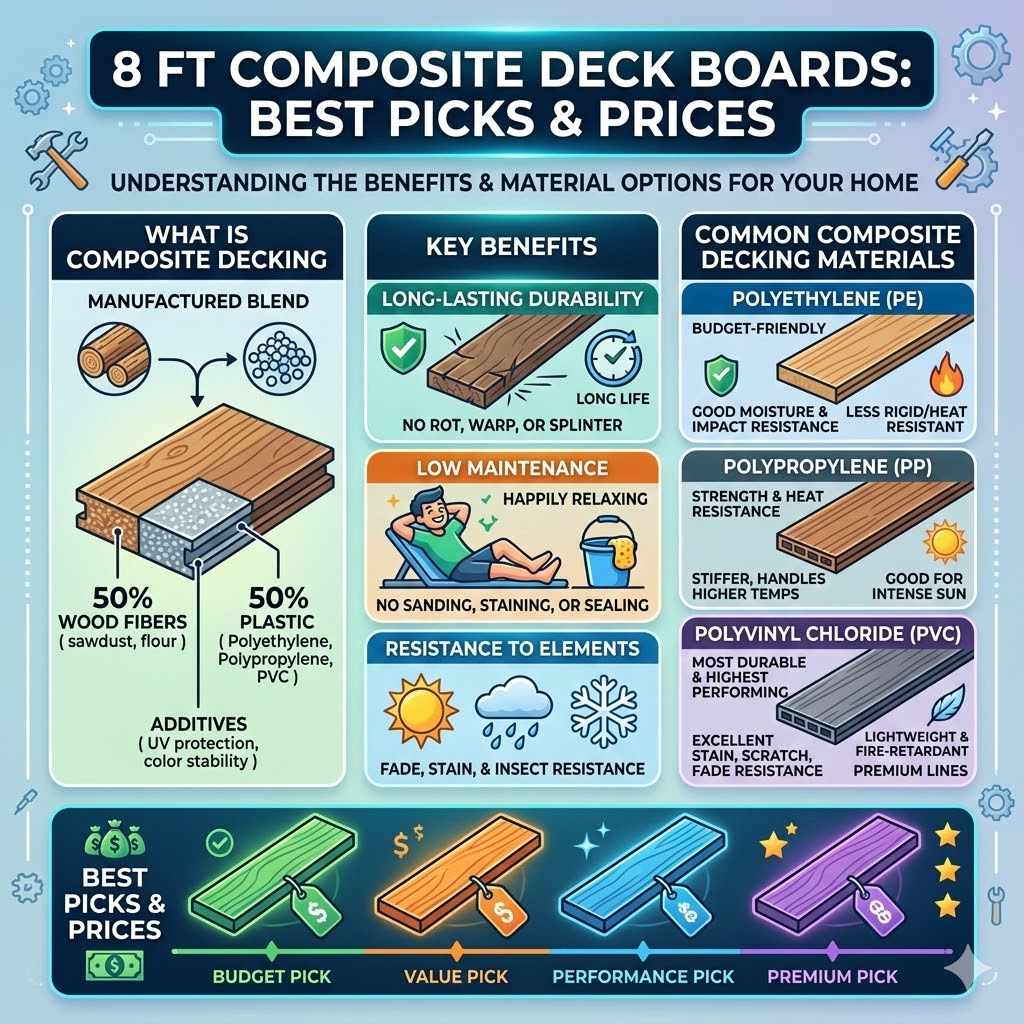
Composite decking is a manufactured product made from a mix of wood fibers and plastic. It’s designed to look like natural wood but with many added benefits. The plastic helps protect it from moisture, rot, and insects.
The wood fibers give it a natural look and feel. This combination makes it a durable and low-maintenance option for outdoor living spaces.
The typical composition is about 50% wood (like sawdust or wood flour) and 50% plastic (often polyethylene, polypropylene, or PVC). Some newer versions might also include additives for UV protection, color stability, and fire resistance. This blend is then heated and extruded into various shapes and sizes, most commonly deck boards.
Benefits of Composite Decking
- Long Lasting Durability
- Composite decks are known for their toughness. They don’t rot, warp, or splinter like traditional wood decks can over time. This means your deck will look good for many years with minimal issues.
- This durability saves you money on repairs and replacements down the line. It also means less hassle for you as a homeowner, as you won’t be constantly fixing minor problems.
- Low Maintenance
- One of the biggest draws of composite decking is how little care it requires. You won’t need to sand, stain, or seal it regularly. A simple wash with soap and water a couple of times a year is usually all it takes to keep it looking its best.
- This saves you time and the cost of buying special cleaning products or hiring professionals.
- Resistance to Elements
- Composite boards are designed to stand up to harsh weather. They resist fading from the sun, staining from spills like food or drinks, and damage from insects like termites. This means your deck will maintain its color and structural integrity even after years of exposure to sun, rain, and snow.
Common Composite Decking Materials
Different types of plastics are used in composite decking, which can affect performance and cost.
- Polyethylene
- This is a common and often more budget-friendly plastic used in composites. It offers good resistance to moisture and impact. However, it might not be as rigid or heat-resistant as other plastics.
- Boards made with polyethylene are a solid choice for many homeowners looking for durability without the highest price tag.
- Polypropylene
- Polypropylene is known for its strength and heat resistance. Decking made with this material tends to be a bit stiffer and can handle higher temperatures without softening as much. This makes it a good option for areas that get intense sun.
- Polyvinyl Chloride (PVC)
- PVC is the most durable and highest-performing plastic used in composite decking. It offers excellent resistance to staining, scratching, and fading. PVC-based composites are also very lightweight and have good fire-retardant properties.
They are often found in premium decking lines.
Key Features of 8 Ft Composite Deck Boards
When looking for 8 Ft Composite Deck Boards: Best Picks & Prices, several features will impact your choice. These features affect how the boards look, perform, and how easy they are to install. Understanding these details helps you make a smart purchase that you’ll be happy with for years.
We’ll break down what to look for so you can confidently select the best boards for your project.
Deck Board Construction Types
Composite deck boards are made in different ways, which changes their look and how they perform.
- Solid Decking
- Solid composite deck boards are fully packed with material, offering maximum strength and durability. They feel more substantial underfoot and can often support heavier loads. These are typically the most premium option, providing a robust and long-lasting surface.
- Hollow Decking
- Hollow composite boards have channels or voids inside them. This makes them lighter and often more affordable than solid boards. While still strong and durable, they might not feel as rigid.
Hollow boards are easier to handle and install, especially for DIYers. The hollow spaces also allow for better air circulation, which can help prevent moisture buildup.
Surface Textures and Finishes
The surface of a composite deck board is key to its look and safety.
- Embossed Wood Grain
- Many composite boards feature an embossed wood grain texture. This is created by pressing a pattern into the surface of the board during manufacturing. It mimics the natural look and feel of real wood, providing a more authentic appearance.
- This texture also helps reduce slipperiness.
- Brushed Finish
- A brushed finish gives the deck boards a smoother, matte appearance. It’s less about mimicking wood grain and more about a clean, modern look. This finish can feel nice underfoot and is also designed to resist slipping.
- Smooth Finish
- Some composite boards have a completely smooth surface. While visually appealing for a very modern aesthetic, smooth surfaces can sometimes be more slippery when wet compared to textured options. They are easier to clean but might require extra attention to slip prevention, especially in areas with a lot of moisture.
Color Options and UV Protection
The colors available for composite decking are vast, and UV protection is crucial for longevity.
- Natural Wood TonesYou can find composite boards in a wide range of colors that mimic natural wood, from light tans and grays to deep browns and reds. These colors offer a classic look that blends well with most outdoor environments. Many brands offer realistic variations in color and grain pattern to enhance the natural look.
- Modern and Bold ColorsBeyond wood tones, composite decking is available in shades like charcoal, white, and even vibrant blues or greens. These colors allow for more creative and contemporary deck designs. They can be used to make a bold statement or to match specific architectural styles.
- UV InhibitorsHigh-quality composite decking includes UV inhibitors in its formula. These additives protect the boards from the damaging effects of the sun’s ultraviolet rays. Without proper UV protection, composite boards can fade and degrade over time.
Look for boards that explicitly state they have advanced UV resistance for lasting color.
Fastening Systems
How you attach the deck boards to the joists affects the appearance and ease of installation.
- Face Screwing
- This is the traditional method where screws are driven directly through the face of the deck board into the joist. It’s straightforward and secure but leaves visible screw heads on the deck surface. These screws need to be color-matched to the boards for a less noticeable look.
- Special deck screws are designed to resist corrosion and camming out.
- Hidden Fasteners
- Hidden fastener systems create a clean, screw-free surface. These systems use clips or other hardware that attach to the sides of the boards and then secure to the joists. This results in a very smooth and polished look.
While more expensive and sometimes trickier to install, the aesthetic benefit is significant. Brands often have proprietary hidden fastener systems.
Finding the Best 8 Ft Composite Deck Boards: Best Picks & Prices
Now that you know what to look for, let’s talk about finding the best 8 Ft Composite Deck Boards: Best Picks & Prices. This involves comparing different brands and understanding where to get the best deals. We want to help you get great value without sacrificing quality.
Thinking about budget and what you get for your money is key.
Top Composite Decking Brands
Several reputable brands offer high-quality composite decking. Each has its strengths in terms of style, durability, and price.
Trex
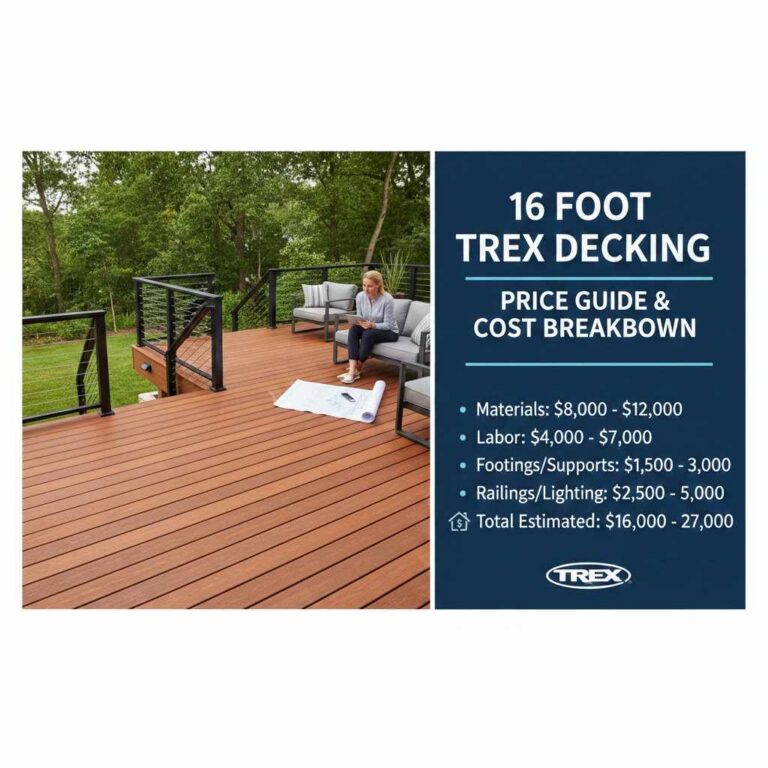
Trex is one of the most well-known composite decking brands. They offer a wide variety of product lines, from their basic, budget-friendly Enhance line to their premium Signature and Transcenda series. Trex boards are known for their durability, wide range of colors, and good warranty.
They have a strong focus on sustainability, often using recycled materials in their products.
TimberTech (by Azek)
TimberTech is another leading brand, known for its premium and realistic wood-grain looks. Their AZEK Decking and PRO Collections offer high performance, superior stain and fade resistance, and innovative designs. TimberTech often uses advanced technology to create boards that closely resemble natural wood, providing a luxurious finish.
Fiberon
Fiberon offers a good balance of quality and value. Their Concordia and Paramount collections provide excellent durability and a wide array of attractive colors and textures. Fiberon is also recognized for its commitment to eco-friendly manufacturing processes, using recycled and reclaimed materials.
MoistureShield
MoistureShield stands out for its innovative CoolDeck technology, which helps to reflect more heat, making the deck surface cooler. Their products are designed for exceptional moisture resistance and durability, making them a great choice for humid climates or areas near water. They offer both solid and grooved boards.
Comparing Prices and Value
The price of composite decking can vary quite a bit. Factors like brand, product line, and specific features influence the cost.
| Brand/Line | Typical Price Range (per linear foot) | Key Value Proposition |
|---|---|---|
| Trex Enhance Basics | $3 – $5 | Affordable entry into composite decking, good basic features. |
| Trex Select | $4 – $6 | Mid-range option with better stain resistance and color options. |
| TimberTech PRO Legacy/AZEK | $7 – $12+ | Premium look and feel, superior durability, advanced UV protection. |
| Fiberon Concordia | $5 – $8 | Excellent durability and aesthetics at a competitive price point. |
| MoistureShield Vision/Elevate | $6 – $10 | Focus on heat reflection (CoolDeck tech) and superior moisture resistance. |
When comparing prices, remember to look at the warranty and the specific features offered. A slightly more expensive board with a longer warranty and better resistance to fading might be a better value over the life of your deck. Always get quotes for the specific products you are interested in, as prices can change.
Where to Buy Composite Decking
You have a few options when it comes to purchasing your composite deck boards.
- Big Box Home Improvement Stores
- Stores like Home Depot and Lowe’s carry a range of composite decking brands. They often have competitive pricing and are convenient for DIYers. You can usually see samples in person and get advice from store associates.
- However, their selection might be limited to the most popular brands and lines.
- Local Lumber Yards and Decking Suppliers
- These specialized suppliers often offer a wider selection of brands and product lines, including higher-end or niche options. They tend to have more knowledgeable staff who can provide expert advice specific to decking projects. Prices can sometimes be better for bulk purchases, and they might offer delivery services.
- Online Retailers
- Some online stores specialize in building materials, including composite decking. This can be a good option for comparing prices across different suppliers and brands. However, it’s crucial to ensure you are buying from a reputable source and to factor in shipping costs and times.
Always try to see physical samples before buying online if possible.
Installation Considerations for 8 Ft Composite Deck Boards
Installing 8 Ft Composite Deck Boards: Best Picks & Prices involves more than just laying down the boards. Proper installation ensures your deck is safe, looks good, and lasts as long as it should. We’ll cover some important points to keep in mind.
Even if you’re hiring a pro, knowing these steps helps you understand the process and ask the right questions.
Deck Framing and Joist Spacing
The foundation of your deck is its framing. This includes the support posts, beams, and joists. The spacing of the joists is critical for supporting your deck boards.
- Standard Joist Spacing
- For most composite decking, joists should be spaced 16 inches on center (o.c.) for standard load-bearing capacity. This means there are 16 inches of space between the center of one joist and the center of the next. Some manufacturers may recommend 12 inches o.c.
- for certain products or for increased stiffness. Always check the manufacturer’s guidelines.
- Deck Board Span Ratings
- Composite deck boards have a maximum span rating, which is the longest distance they can span between supports without excessive sagging. Using the correct joist spacing ensures you stay within this rating. Exceeding the span can lead to sagging and premature failure of the deck boards.
Cutting and Handling Composite Boards
Composite boards are different from wood and require specific techniques for cutting.
- Tools for Cutting
- You’ll need a good circular saw or miter saw for cutting composite boards. It’s highly recommended to use blades specifically designed for composite or plastic materials. These blades have a higher tooth count and a special tooth geometry that results in cleaner cuts and prevents melting or chipping.
- Standard wood blades can work but may produce rougher edges.
- Dust Control
- Cutting composite decking produces fine dust that can be harmful if inhaled. Always wear a dust mask, safety glasses, and gloves when cutting. It’s also a good idea to use a vacuum attachment on your saw to collect as much dust as possible.
- Work in a well-ventilated area.
- Expansion and Contraction
- Composite materials expand and contract with temperature changes. It’s crucial to leave small gaps between deck boards at the ends and sometimes along the sides, as per the manufacturer’s instructions. This gap allows the boards to move freely without buckling.
The amount of gap needed can depend on the product and the expected temperature range in your area.
Ventilation for Composite Decks
Good airflow under and around your deck is vital for its longevity.
- Airflow UnderneathEnsuring adequate air circulation beneath the deck helps prevent moisture buildup. Moisture trapped under the deck can lead to mold, mildew, and potential structural issues for the framing. Maintain clear pathways for air to flow freely around the joists and support structures.
- Perimeter ClearanceLeave a small gap between the edge of the deck and any adjacent structures, like your house or fences. This allows for air circulation and prevents moisture from getting trapped. It also makes cleaning and maintenance easier.
Maintenance and Care for Composite Decks
While composite decking is low maintenance, it’s not zero maintenance. A little care goes a long way in keeping your deck looking great.
Regular Cleaning
Keeping your deck clean is the most important part of its care.
- Routine Washing
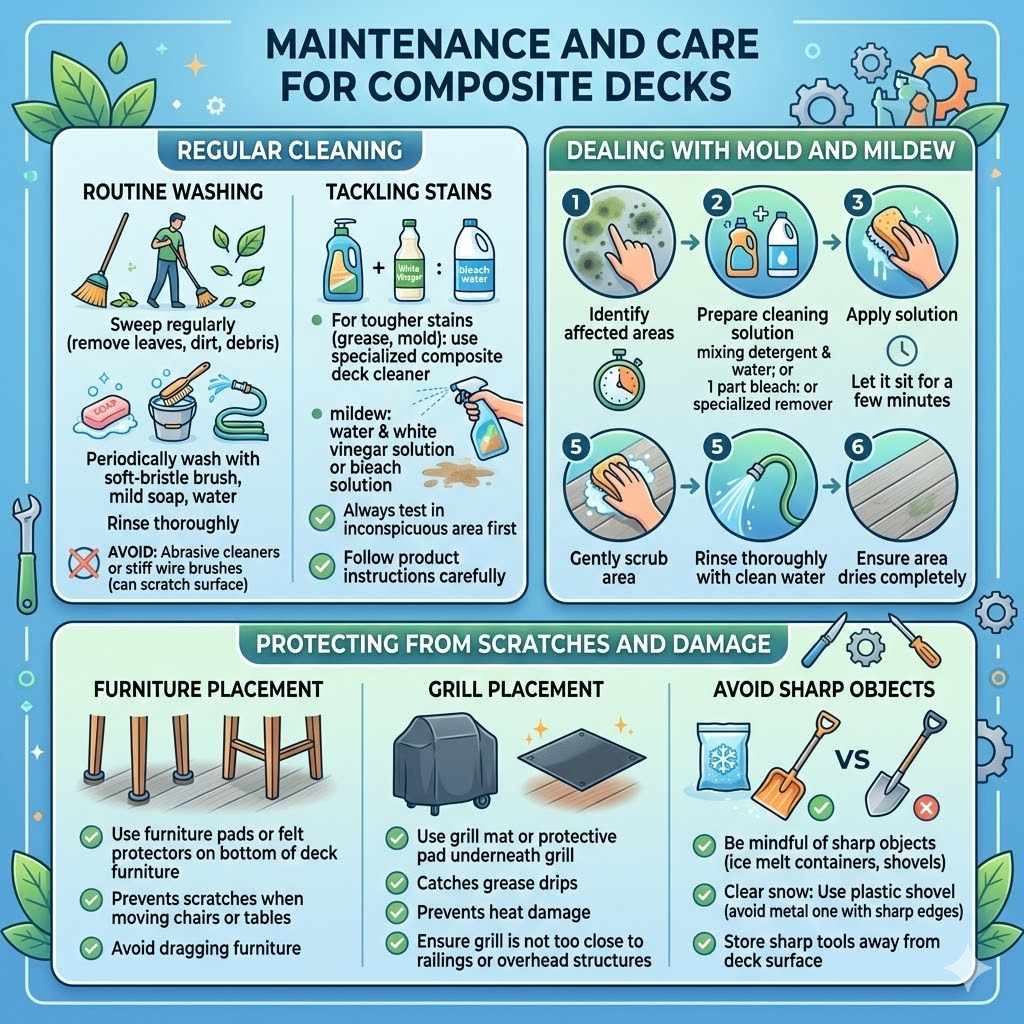
- Sweep your deck regularly to remove leaves, dirt, and debris. Periodically, wash the deck with a soft-bristle brush, mild soap (like dish soap), and water. Rinse thoroughly.
- Avoid using abrasive cleaners or stiff wire brushes, as these can scratch the surface.
- Tackling Stains
- For tougher stains like grease or mold, a specialized composite deck cleaner can be used. Always follow the product instructions carefully. For mildew, a solution of water and white vinegar or a bleach-and-water solution (one part bleach to four parts water) can be effective, but test it in an inconspicuous area first.
Dealing with Mold and Mildew
Mold and mildew can grow on any surface, including composite, especially in damp or shaded areas.
- Identify the affected areas.
- Prepare a cleaning solution. A mild detergent and water is a good start. For stubborn spots, a solution of 1 part bleach to 4 parts water can be used, or a specialized mold and mildew remover for decks.
- Apply the solution to the affected area with a soft brush or sponge.
- Let it sit for a few minutes to work.
- Gently scrub the area.
- Rinse thoroughly with clean water.
- Ensure the area dries completely.
Protecting from Scratches and Damage
While durable, composite decks can still be scratched or damaged.
- Furniture PlacementUse furniture pads or felt protectors on the bottom of your deck furniture. This will prevent scratches when moving chairs or tables. Avoid dragging furniture across the deck surface.
- Grill PlacementWhen placing a grill on the deck, use a grill mat or a protective pad underneath it. This will catch grease drips and prevent heat damage to the composite boards. Make sure the grill is not too close to the railing or overhead structures.
- Avoid Sharp ObjectsBe mindful of sharp objects like ice melt containers or shovels, especially if they have sharp edges. If you need to clear snow, use a plastic shovel rather than a metal one. Store sharp tools away from the deck surface.
Frequently Asked Questions
Question: How long does composite decking typically last
Answer: High-quality composite decking, when properly installed and maintained, can last 25 to 50 years or even longer. This longevity is due to its resistance to rot, decay, insects, and weathering.
Question: Is composite decking more expensive than wood
Answer: Initially, composite decking usually has a higher upfront cost compared to basic wood decking like pine or cedar. However, when you factor in the lower maintenance costs, longer lifespan, and reduced need for repairs or replacement, composite can often be more cost-effective over time.
Question: Can composite decking get hot in the sun
Answer: Yes, like any surface exposed to direct sunlight, composite decking can get hot. However, some newer composite products, like those with CoolDeck technology, are designed to reflect more heat and stay cooler than older generations of composite decking.
Question: Do composite deck boards fade
Answer: While composite decking is designed to resist fading, some slight fading can occur over the first few months of exposure to sunlight. However, high-quality composites with good UV protection will then stabilize and maintain their color for many years, with minimal further fading.
Question: Can I install composite decking myself
Answer: Yes, many homeowners successfully install composite decking themselves, especially with the advent of hidden fastener systems that simplify the process. However, it requires careful planning, accurate measurements, and attention to detail. If you’re not comfortable with carpentry or project planning, hiring a professional installer is recommended.
Summary
You can find great 8 Ft Composite Deck Boards: Best Picks & Prices by looking at construction, texture, color, and fasteners. Top brands offer quality options for every budget. Remember to consider installation needs like joist spacing and cutting techniques.
Regular cleaning will keep your deck looking its best for years. Choosing wisely means a beautiful, lasting outdoor space for your home.