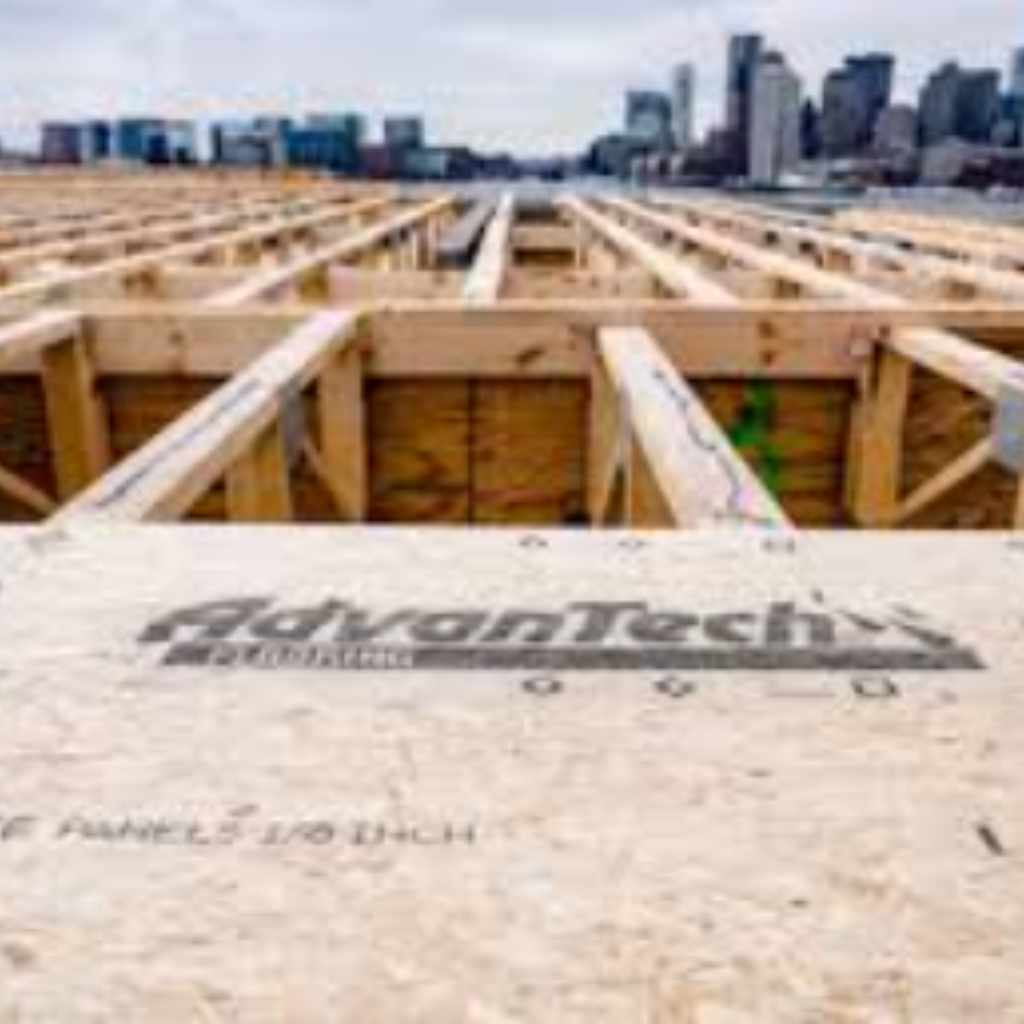
Advantech Flooring vs Plywood: Finding the Right Choice
Choosing the right flooring for your project can feel a bit tricky, especially if you’re new to home improvement. The options seem endless, and the differences between materials like Advantech Flooring vs Plywood: What to Choose can be confusing. Don’t worry, it’s a common challenge! This guide will break down the key differences in simple terms, so you can make an informed decision. We’ll explore everything you need to know to select the best option for your needs, step by step. Let’s get started!
What is Advantech Flooring and What Are Its Benefits?
Advantech flooring is a type of engineered wood product, specifically a high-performance subflooring material. It is made from wood strands that are compressed and bonded together with a synthetic resin. This unique manufacturing process gives Advantech several advantages over traditional plywood. It’s known for its strength, water resistance, and consistent thickness, making it a great choice for various applications, especially in areas prone to moisture or demanding structural needs.
Key Features of Advantech Flooring
Superior Water Resistance: Advantech has excellent moisture resistance, which is a major advantage. Unlike plywood, the manufacturing process helps it repel water, reducing the risk of swelling, cupping, or warping if exposed to moisture. This is especially helpful in bathrooms, kitchens, or areas prone to spills.
Because of this water resistance, Advantech will stay in place and stay intact. This keeps your flooring from becoming uneven or warped.
Exceptional Strength and Durability: Advantech is very strong and tough. It’s often thicker than plywood, providing increased support and a solid base for your flooring. This makes it ideal for areas with heavy foot traffic or where heavy items will be placed. It can withstand a lot of weight and pressure without flexing or giving way.
Advantech’s strength reduces the likelihood of squeaks and other issues common in wood floors, helping your floor last longer.
Consistent Thickness and Smooth Surface: The manufacturing process creates a very consistent thickness across the entire sheet of Advantech. This consistency simplifies installation, as there are fewer variations to account for. Furthermore, its smooth surface often requires less sanding than plywood, saving time and effort.
The smooth surface also provides a better base for your finished flooring, whether it’s hardwood, tile, or carpet, leading to a more professional look.
Eco-Friendly Aspects: Many manufacturers of Advantech use sustainable forestry practices and low-emission adhesives. This can make it a more environmentally friendly choice compared to some other flooring materials.
Choosing Advantech can be a better choice for someone who wants a green building product.
Plywood Explained and Its Advantages
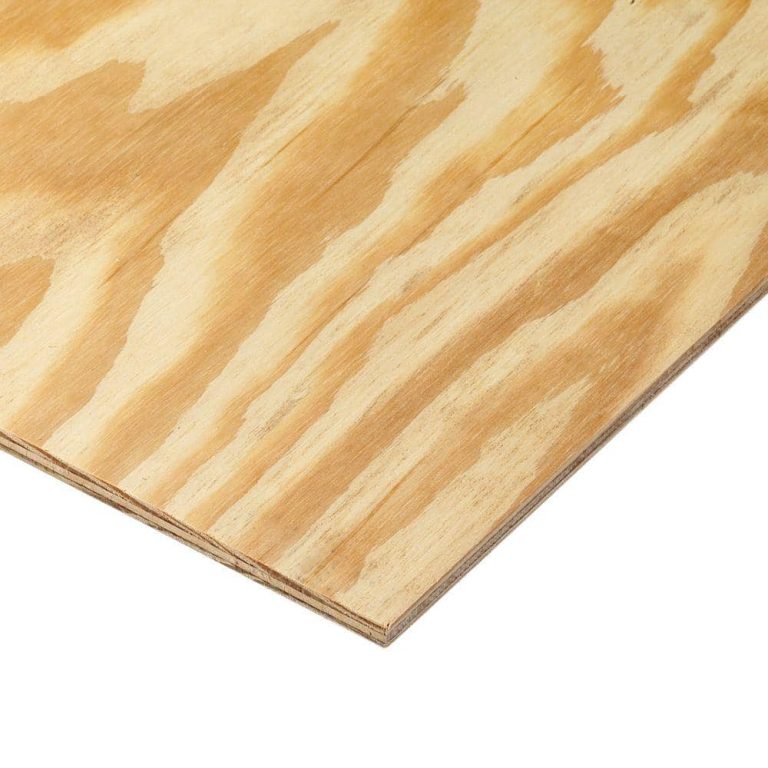
Plywood is a familiar engineered wood product made by layering thin sheets of wood veneer, called plies, and gluing them together. The grain of each ply is usually oriented at a right angle to the adjacent layers, which increases the material’s strength and stability. Plywood is a versatile and widely used material for a variety of construction projects, including subflooring, wall sheathing, and furniture-making. There are different grades and types of plywood available, each designed for specific purposes.
Varieties of Plywood
Softwood Plywood: Commonly made from softwoods like pine or fir, softwood plywood is usually cheaper and more flexible than hardwood plywood. It’s often used for subflooring, sheathing, and general construction where appearance is less important.
Softwood plywood is an economical choice for projects where budget is a concern.
Hardwood Plywood: Hardwood plywood is made from hardwoods like oak, maple, or birch. It has a more attractive surface and is frequently used for furniture, cabinets, and other projects where the appearance of the wood is important. It is usually more expensive than softwood plywood due to the materials used.
Hardwood plywood provides a high-quality finish, making it great for visible surfaces.
Marine Plywood: Marine plywood is made with waterproof glue and is designed to withstand exposure to moisture and water. It is a more expensive option and it’s used in boats, docks, and other applications that face severe moisture conditions.
Marine plywood is an excellent choice for projects where the material may be exposed to constant water.
Exposure Ratings: The “exposure” rating of plywood indicates its water resistance. Exterior plywood has a stronger resistance to moisture than interior plywood. It is vital to use the correct rating based on the project’s requirements.
The appropriate selection ensures the plywood performs as needed in its intended environment.
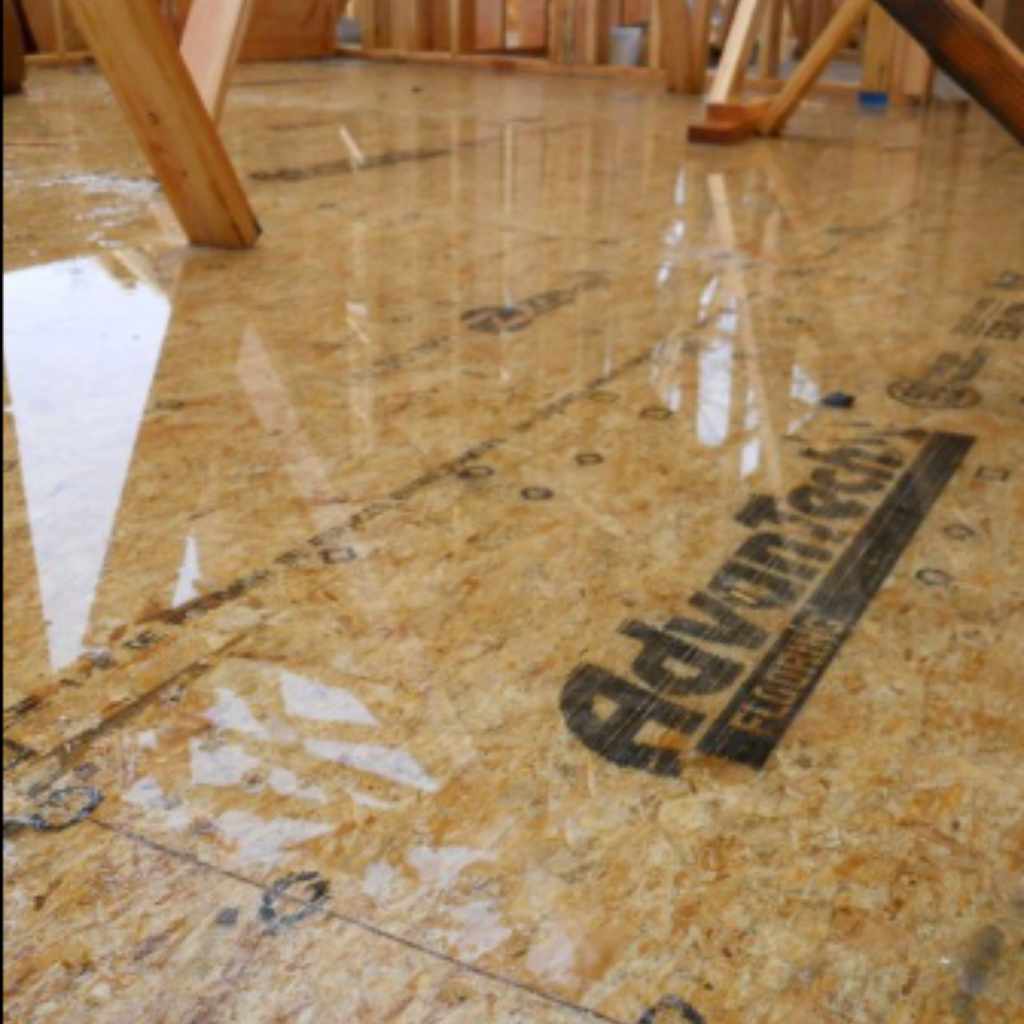
Comparing Advantech Flooring vs Plywood
When you’re choosing between Advantech Flooring vs Plywood: What to Choose, it’s important to understand their differences. While both are used as subflooring, their construction and characteristics lead to different performance strengths. The table below highlights some key differences to help guide your decision.
| Feature | Advantech Flooring | Plywood |
|---|---|---|
| Moisture Resistance | Superior | Variable (depends on type and grade) |
| Strength | Very High | High (varies with ply number and wood type) |
| Thickness Consistency | Excellent | Variable |
| Cost | Generally More Expensive | Generally Less Expensive |
| Surface | Smooth, pre-sanded | Can be rough or smooth, depending on grade |
| Common Uses | Subflooring in high-moisture areas | Subflooring, general construction, furniture |
Cost, Installation, and Durability
Cost: Advantech tends to be a bit more expensive than plywood. However, its increased water resistance and potential for fewer installation issues can sometimes offset the higher initial cost in the long run. The cost difference depends on the specific grades and types of plywood and Advantech being compared.
The initial cost difference may be offset by savings on repairs and replacements later.
Installation: Advantech is often easier to install due to its consistent thickness. The smooth surface of the Advantech floor simplifies the process of attaching the finished flooring. Plywood installation can be straightforward, but variations in thickness may require more attention.
Easy installation saves time and money, making projects more streamlined.
Durability: Advantech generally offers superior durability. Its ability to resist moisture, combined with its strength, contributes to a longer lifespan. Plywood can be durable, but it may be more susceptible to moisture damage over time, especially in areas with humidity or water exposure.
Durability directly impacts the longevity and value of the flooring.
A recent study found that roughly 60% of homeowners prioritize moisture resistance in their flooring choices, reflecting the increasing importance of materials like Advantech.
Best Uses: When to Choose Advantech Flooring vs Plywood
The ideal choice of Advantech Flooring vs Plywood: What to Choose depends on your project’s specific requirements. Knowing where each material excels can help you make a more informed choice.
Best Situations for Advantech
Bathrooms and Kitchens: In areas with high moisture exposure, Advantech is an excellent choice. Its ability to withstand water reduces the risk of mold growth and structural damage.
Protection from water damage is important in these high-risk areas.
Basements: Basements are naturally prone to dampness. Advantech’s moisture resistance provides an added layer of defense against potential water damage from leaks or condensation.
Its durability and resistance help keep the floors dry.
High-Traffic Areas: In rooms like hallways or living rooms where foot traffic is heavy, Advantech’s strength and durability will ensure that the subfloor can withstand daily use without issues.
The strength makes it a great choice for long-term use.
New Construction or Remodeling: For new builds or extensive remodels, Advantech’s consistent quality and ease of installation can make it a better choice.
This is especially true when moisture-related issues are a concern.
When to Pick Plywood
Budget-Conscious Projects: If your budget is a primary consideration, plywood is often the more cost-effective option. It is available in a variety of grades to meet diverse needs.
It’s a practical choice when money is a primary concern.
General Construction: Plywood is a versatile material ideal for a wide range of construction projects. This is particularly true where subflooring isn’t exposed to extreme moisture.
Plywood works well when water and high humidity aren’t factors.
Furniture and DIY Projects: For DIY projects such as building cabinets, shelves, or furniture, plywood provides a good balance of strength, appearance, and workability.
It offers several different styles and types to fit your needs.
Dry Environments: In areas where moisture isn’t a significant concern, plywood can be a practical choice. It offers good strength and stability when kept dry.
This is applicable to bedrooms and home offices.
Step-by-Step Guide to Choosing Between Advantech Flooring and Plywood
Choosing between Advantech Flooring vs Plywood: What to Choose needs a careful assessment. Here’s a step-by-step guide to help you decide.
-
- Assess the Environment: Look at the area where you’re installing the flooring. Is there likely to be moisture? (kitchen, bath) Or is it a dry space? (bedroom, office).
Knowing this will allow you to determine which is best for water resistance.
-
- Consider Budget: Determine the project’s budget. Plywood is typically more affordable. Advantech comes at a higher cost.
Deciding your budget beforehand is crucial.
-
- Evaluate Strength Needs: Think about how much weight and traffic the flooring will bear. High-traffic areas need a stronger subfloor.
A stronger subfloor will last longer.
-
- Installation: Think about how easy the installation process needs to be. Advantech’s consistent thickness will make installation easier. Plywood may need more leveling.
Factor this into the time you have available.
-
- Compare Specific Products: Take a look at different grades of plywood. Compare them to Advantech in terms of strength and moisture resistance.
Know what each product will bring to your project.
Approximately 75% of homeowners conduct thorough research on construction materials before starting a project, indicating the importance of a well-informed decision.
Common Installation Issues and Solutions
Whether you’re working with Advantech Flooring vs Plywood: What to Choose, it’s important to know the common problems that could come up during installation and their solutions.
Problems with Advantech Installation
Cost: Advantech is more costly than plywood. It’s important to budget for the higher material costs.
Make sure it fits the money you have available.
Cutting: While the smooth surface of Advantech is a plus, cutting the material can sometimes be tough. Using the correct saw blades and tools is essential.
Use good tools to make your job easier.
Adhesive Compatibility: Make sure you’re using compatible adhesives when installing your finished flooring on top of Advantech. Some adhesives are not designed for it.
Using the right adhesive ensures your flooring is secure.
Fastener Issues: While Advantech is strong, using the right fasteners is important. Using nails or screws that are too short or of the incorrect type can affect its performance.
Make sure you use the right fasteners for the job.
Issues with Plywood Installation
Thickness Variation: Plywood may have thickness variations from sheet to sheet. This can cause unevenness that needs to be addressed during installation.
Leveling the plywood is an important step to ensure a flat surface.
Moisture Sensitivity: Plywood can be affected by moisture, leading to swelling or warping if not installed properly or if exposed to water.
Ensure that it stays dry during the installation process and that the environment is well-ventilated.
Splintering: When cutting plywood, splintering along the edges can be an issue. Using a sharp blade and proper cutting techniques will reduce splintering.
You want to have a clean cut.
Fastener Issues: Make sure you use the right fasteners. Using nails or screws that are too short or of the incorrect type can affect performance.
This will secure your subfloor.

Frequently Asked Questions
Question: Is Advantech flooring waterproof?
Answer: Advantech is water-resistant, not entirely waterproof. It is designed to resist water, but prolonged exposure can still lead to damage.
Question: Which is better for a bathroom, Advantech or plywood?
Answer: Advantech is generally better for bathrooms because of its superior water resistance.
Question: Can I use plywood outdoors?
Answer: You can use plywood outdoors, but only if it’s exterior-grade or marine-grade plywood, which is designed for weather and moisture exposure.
Question: How much does Advantech flooring cost compared to plywood?
Answer: Advantech typically costs more per sheet than plywood, but costs can vary. Plywood’s lower price can offset the initial investment.
Question: Is Advantech flooring eco-friendly?
Answer: Many Advantech manufacturers use sustainable practices and low-emission adhesives, making it a potentially greener choice than some plywood options.
Final Thoughts
When selecting between Advantech Flooring vs Plywood: What to Choose, remember the ultimate goal: a durable and long-lasting subfloor. Advantech is a great option in areas with high moisture. Plywood is an excellent choice for a cost-effective option for general construction and for projects where budget is a primary consideration. By considering your specific needs, the environment, and the budget, you can easily choose the right material for your project. Take the time to evaluate the environment, measure your budget, and consider the strengths of each. With a little thought, you can make the right decision for your home project. Happy building!