Ash Natural Wood: Proven Essential Choice
Ash natural wood is a top-tier choice for beginners and DIYers due to its excellent balance of affordability, durability, workability, and attractive appearance. It’s a versatile, forgiving, and beautiful hardwood perfect for furniture, flooring, and decorative projects, making it an essential material to master.
Welcome to the workshop! If you’re just starting out in woodworking, picking the right materials can feel a bit overwhelming. You want something that looks great, lasts a long time, and is easy to work with – not too hard, not too soft, and not too expensive. Sound about right? Well, I’ve got a fantastic wood for you that ticks all those boxes and more: Ash natural wood. It’s a proven essential for a reason, and by the end of this guide, you’ll see why it’s the perfect choice for your next project. Let’s dive in and discover the magic of ash!
Why Ash Natural Wood is a Beginner’s Best Friend
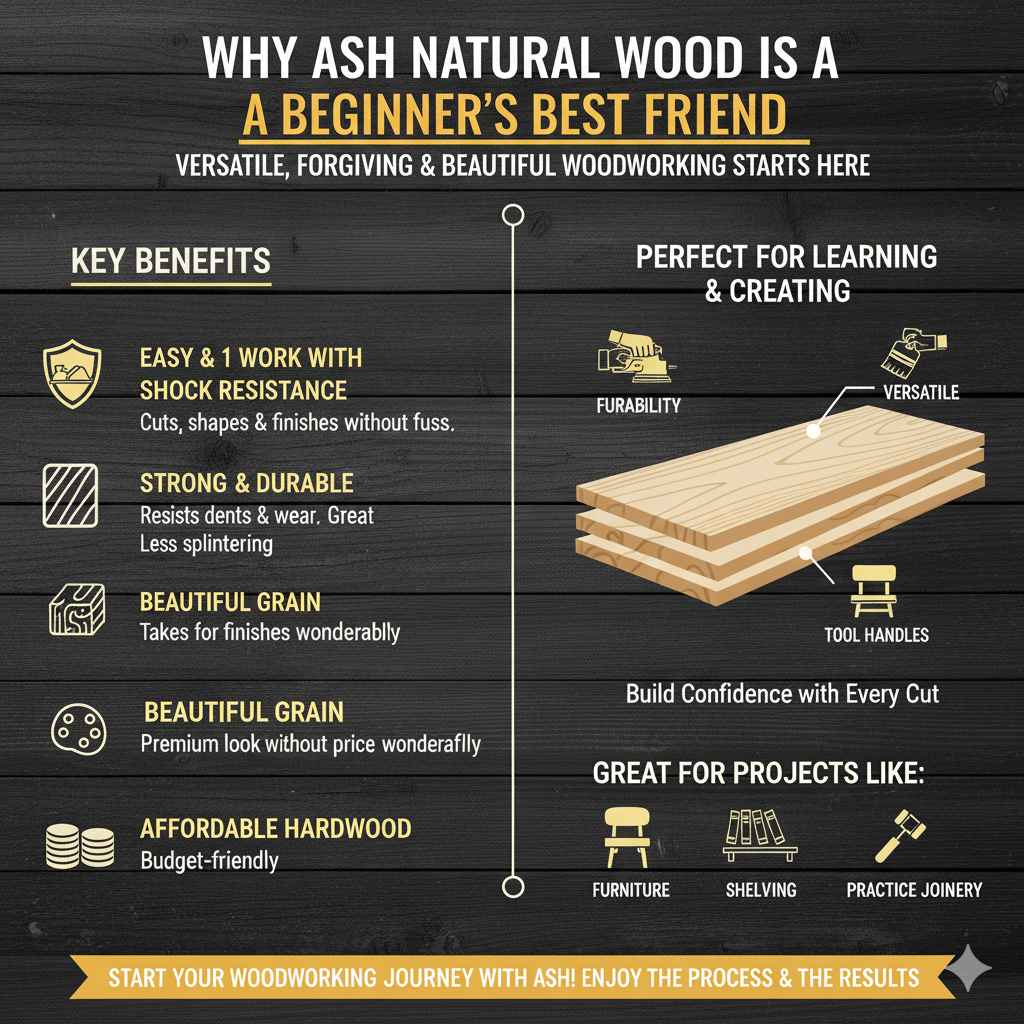
When you’re learning the ropes of woodworking, choosing the right wood can make all the difference between feeling frustrated and feeling accomplished. Ash natural wood stands out as a truly versatile and forgiving material that’s perfect for those taking their first steps into crafting. It offers a wonderful combination of strength and workability, meaning you can cut it, shape it, and finish it without battling the wood itself. This makes for a much more enjoyable learning experience. Plus, its natural beauty means your projects will look fantastic, giving you that boost of confidence to keep creating.
Think of ash as a friendly guide in the woodworking world. Unlike some trickier hardwoods that might splinter easily or dull your tools quickly, ash is generally cooperative. This means fewer mistakes, less frustration, and more beautiful results. Whether you’re dreaming of building a simple bookshelf, a sturdy coffee table, or even just practicing your joinery techniques, ash natural wood is ready to help you succeed. It’s an affordable hardwood, which is also a huge plus when you’re starting out and might make a few less-than-perfect cuts. You get a premium look and feel without the premium price tag, making every project a rewarding journey.
Understanding Ash Natural Wood: The Basics
Ash is a hardwood that belongs to the Fraxinus genus. It’s a common and widely available wood, which contributes to its affordability and accessibility. What makes it such a brilliant choice for beginners is its impressive strength-to-weight ratio. It’s strong enough to handle everyday wear and tear, making it ideal for furniture and flooring, yet it’s not so dense that it becomes difficult to cut or sand. This sweet spot of properties is what truly elevates ash as an essential wood for any DIY enthusiast.
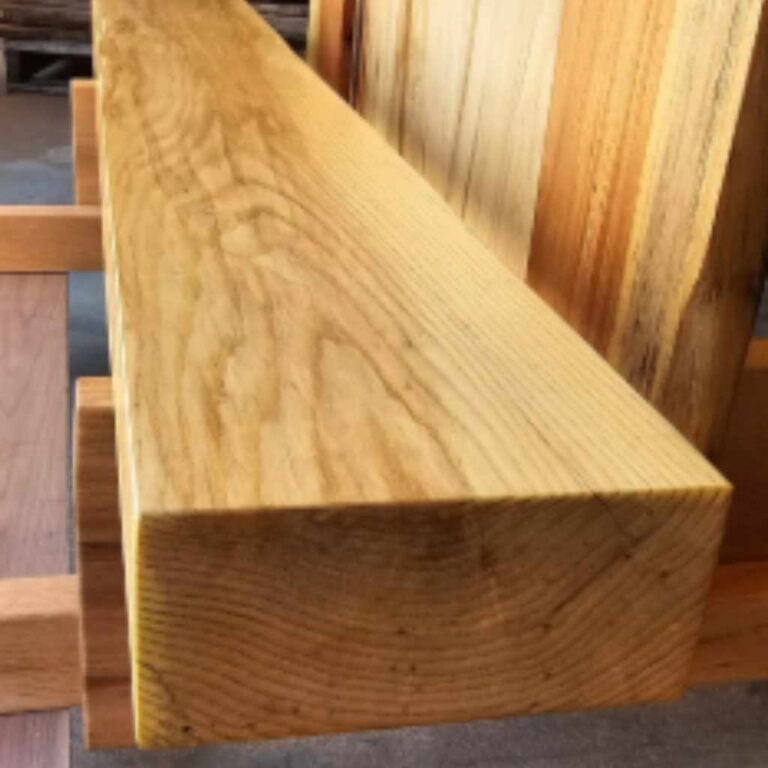
The grain of ash wood is typically straight and possesses a coarse, open texture. This characteristic grain pattern gives it a distinct visual appeal. When finished, it can range from a pale, creamy white to a light brown, sometimes with a reddish or pinkish hue. This natural variation means that no two pieces of ash are exactly alike, adding character and uniqueness to your projects. The open grain also means it takes stains and finishes very well, allowing you to achieve a wide variety of looks, from a natural, light finish to a deep, rich color.
One of the most significant advantages of ash is its shock resistance. This makes it a historically popular choice for tool handles, baseball bats, and other items that need to withstand impact. For your DIY projects, this translates to a durable material that won’t easily dent or scratch. You can be a bit more forgiving with your handling and less worried about minor bumps during construction or in its final use. This durability is a key reason why ash natural wood is considered an essential choice for long-lasting projects.
Key Characteristics of Ash Natural Wood:
- Strength: Ash is known for its excellent strength and stiffness, making it robust for furniture and flooring.
- Durability: Its good shock resistance means it can withstand impact and wear, leading to long-lasting projects.
- Workability: Ash is relatively easy to work with both hand and power tools. It cuts, sands, and finishes well.
- Appearance: It features a straight, open grain pattern with a color that ranges from pale white to light brown, often with distinctive figuring.
- Affordability: Compared to many other hardwoods, ash offers great value for its quality and performance.
- Availability: Ash is widely distributed and readily available in lumberyards, making it easy to source.
Working with Ash Natural Wood: A Beginner’s Guide
One of the prime reasons ash natural wood is an essential choice for beginners is its fantastic workability. This means it’s forgiving and generally easy to handle with standard woodworking tools. Let’s break down how it behaves during common woodworking tasks:
Cutting: Ash cuts very cleanly. Whether you’re using a handsaw, a circular saw, or a table saw, you’ll find that ash doesn’t tend to splinter much. This is a huge relief for beginners who might not have the steadiest hands or the most advanced cutting techniques. Even with a standard carving knife or chisel, you’ll find ash responds well. For precise cuts, ensure your blades are sharp. A dull blade can make any wood, including ash, a little harder to work with and can lead to tear-out.
Joining: Ash is excellent for various joinery methods. Its strength means it holds screws and nails very well, reducing the chance of splitting, especially if you pre-drill holes. For glue, ash creates strong bonds. Whether you’re using simple butt joints with glue and screws, or practicing more advanced techniques like mortise and tenon or dovetails, ash will hold up beautifully. Its open grain can sometimes require a bit more glue to ensure a full bond, but this is a minor point.
Sanding: The open and coarse texture of ash means it sands smoothly. Start with a coarser grit sandpaper (like 80 or 100 grit) to even out any imperfections from cutting or milling, then progressively move to finer grits (150, 220, and even higher) for a silky-smooth surface. Because the grain is generally straight, sanding is straightforward. You’ll find that it quickly removes mill marks and prepares the surface perfectly for finishing.
Finishing: Ash takes finishes exceptionally well, giving you a lot of creative freedom. Its natural color, ranging from pale cream to light brown, is attractive on its own and can be enhanced with clear coats like polyurethane or varnish, which will also add a protective layer. If you want to change the look, ash accepts stains beautifully. The open grain tends to absorb stain a bit more deeply than tighter-grained woods, which can create a lovely contrast as the stain darkens the pores while leaving the wood itself a lighter shade. This can give your projects a richer, more three-dimensional look. For an incredibly smooth finish, consider using a grain filler on ash before applying your stain or topcoat, which will fill in those open pores for an even surface.
Tool Recommendations for Working with Ash:
- Measuring & Marking: Tape measure, pencil, combination square.
- Cutting: Handsaw (crosscut and rip), Jigsaw, Circular Saw, or Table Saw (for more precise cuts).
- Shaping/Drilling: Drill/Driver, drill bits (including a countersink bit for screws), sanding blocks, orbital sander.
- Joining: Wood glue, screws or nails, clamps.
Ash vs. Other Popular Beginner Woods
To truly understand why ash natural wood is an essential choice, let’s compare it to a couple of other woods often considered by beginners. This helps highlight ash’s unique benefits.
Ash vs. Pine: Pine is often the go-to for absolute beginners because it’s very soft, inexpensive, and easy to cut. However, pine is prone to dents and scratches, making it less durable for items that will see a lot of use. Ash, while harder than pine, is still easy enough to work with and offers significantly better durability and a more “premium” look and feel. If your project needs to last and withstand some wear, ash is a superior choice.
Ash vs. Poplar: Poplar is another affordable hardwood that’s a decent choice for beginners. It’s softer than ash and easier to cut, and it paints very well, often making it ideal for painted furniture. However, poplar has a greenish tint that some find unappealing, and it doesn’t take stains as nicely or consistently as ash. Its grain is also less distinct. If you’re aiming for a natural wood finish or want a bit more visual character in your wood, ash generally has the edge.
To visualize these comparisons:
| Wood Type | Hardness (Janka Scale) | Workability | Appearance | Cost | Best For |
|---|---|---|---|---|---|
| Ash | 1320 (Medium-Hard) | Good | Clear, straight grain, light to medium brown | Moderate | Furniture, flooring, cabinetry, tool handles |
| Pine | 380-870 (Softwood) | Very Easy | Knotty, pronounced grain, pale yellow/white | Low | Simple projects, rustic furniture, temporary structures |
| Poplar | 540 (Soft Hardwood) | Easy | Straight grain, light color, often greenish tint | Low-Moderate | Painted furniture, utility items, interior trim |
As you can see from the table, ash strikes a fantastic balance. It’s considerably harder and more durable than pine and poplar, leading to longer-lasting projects, while still maintaining excellent workability. Its natural aesthetic is also highly desirable for furniture and visible applications, making it a truly essential choice for achieving both function and beauty without excessive difficulty.
Project Ideas Using Ash Natural Wood
The versatility of ash natural wood means it’s suitable for a wide array of projects, from simple weekend crafts to more involved pieces of furniture. Because it’s forgiving and finishes so well, any project you tackle will likely result in a piece you can be proud of. Here are a few ideas perfect for beginners using ash:
- Simple Bookshelf or Wall Shelves Ash is perfect for shelving. Its strength means shelves won’t sag under the weight of books. You can build a simple, sturdy bookshelf with basic joinery, and the natural grain of the ash will look wonderful, whether stained light or dark, or finished with a clear coat. This is a great project to practice cutting straight lines and assembling square frames.
- Wooden Crate or Storage Box For a beginner woodworking project, a simple wooden crate or storage box is ideal. Ash’s durability ensures it will hold up to repeated use, whether it’s for storing toys, firewood, or craft supplies. You can make it in various sizes, and it’s a fantastic way to practice fundamental skills like measuring, cutting, and fastening. The open grain of ash will give even a rustic crate a sophisticated feel.
- End Grain Cutting Board (with caution) While often made with harder woods, ash can be used for cutting boards, especially for tasks not involving heavy chopping. Its shock resistance is a plus. For a beginner, starting with a simple face-grain cutting board might be easier, but if you’re feeling ambitious, an end-grain board can be a beautiful project. Remember to use food-safe finishes and seal it well. You can get some stunning patterns with ash’s contrasting light and darker grain by arranging the pieces carefully. A fantastic resource for understanding wood sustainability and types, including proper use cases for food, is the U.S. Department of Agriculture’s Forest Products Laboratory: Forest Products Laboratory provides extensive research and data on wood properties.
- Picture Frames Crafting your own picture frames is a rewarding project that introduces you to joinery like miter cuts. Ash is excellent for this because it’s easy to cut precise angles and sands to a smooth finish, making your photos look their best. You can create custom sizes and styles easily. The straight grain of ash is particularly suited for the clean lines of frames.
- Small Side or Coffee Table Once you’re comfortable with basic projects, a small side table or coffee table is an achievable next step. Ash’s strength makes it ideal for tabletops and legs that need to be sturdy. You can keep the design simple, focusing on clean lines and good joinery. The natural beauty of ash will shine through, creating a piece of furniture that looks much more expensive than it is.
Finishing and Care for Ash Natural Wood
Proper finishing and care are crucial to ensure your ash wood projects not only look their best but also last for years to come. Thankfully, ash is very responsive to finishing, making this stage rewarding rather than frustrating.
Finishing Steps for Ash:
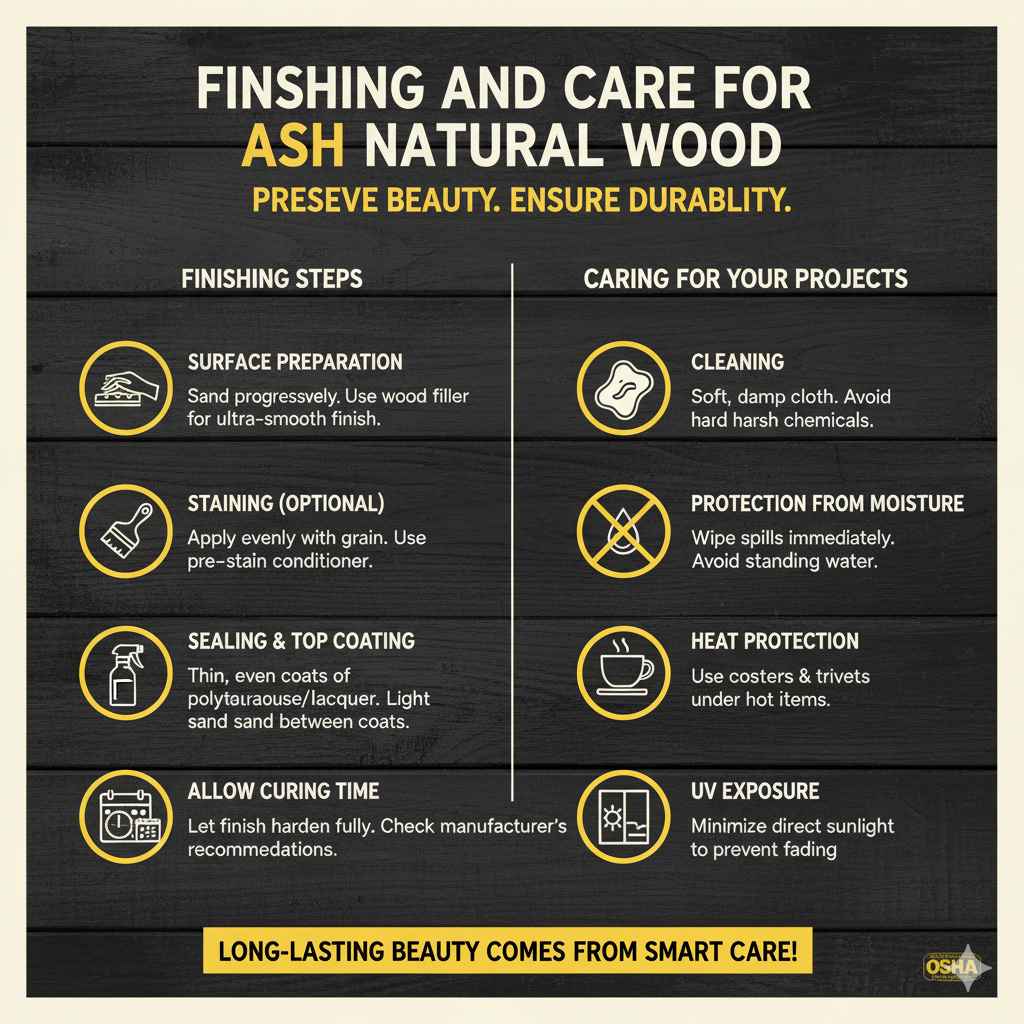
- Surface Preparation: Ensure your wood is smooth. As mentioned, sand progressively through grits (e.g., 120, 150, 220). Wipe away all dust with a tack cloth or a damp rag after each grit. For an ultra-smooth finish on open-grained ash, consider applying a thin layer of wood filler, letting it dry, and then sanding it smooth. Test this on a scrap piece first to understand the effect.
- Staining (Optional): If you decide to stain your ash, apply it evenly following the wood grain. Wipe off excess stain after the recommended time. Ash’s open grain might absorb stain a little differently than tighter-grained woods. Applying a pre-stain wood conditioner can help achieve a more uniform color, especially if you’re aiming for a very dark or even whitewashed look.
- Sealing and Top Coating: Once the stain is dry (or if you’re going for a natural look), apply your topcoat. Popular choices include polyurethane (oil-based or water-based), lacquer, or varnish. Apply thin, even coats. Most finishes require light sanding between coats (using very fine grit sandpaper, like 320 or 400) to ensure good adhesion and a smooth surface.
- Allow Curing Time: Finishes need time to cure completely. This is usually longer than they take to dry to the touch. Check the product manufacturer’s recommendations for full curing times before putting your project into heavy use.
Caring for Your Ash Wood Projects:
Ash wood, when properly finished, is quite durable. However, like all wood, it benefits from gentle care:
- Cleaning: For most projects, a soft, damp cloth is sufficient for routine cleaning. Avoid harsh chemicals or abrasive cleaners, as they can damage the finish. For tougher spots, a mild soap solution can be used, followed by a clean damp cloth wipe-down and then drying.
- Protection from Moisture: While a good finish offers protection, avoid leaving standing water or excessive moisture on your ash wood surfaces for extended periods. Wipe up spills immediately.
- Heat Protection: Use coasters under glasses and trivets under hot dishes, especially on tabletops, to prevent heat marks or damage to the finish.
- UV Exposure: Prolonged direct sunlight can cause wood to fade or darken unevenly. Position your ash wood furniture away from direct, intense sunlight when possible, or use window coverings.
By following these finishing and care tips, your ash natural wood projects will maintain their beauty and integrity for a long time.
Frequently Asked Questions About Ash Natural Wood
Q1: Is ash wood good for outdoor furniture?
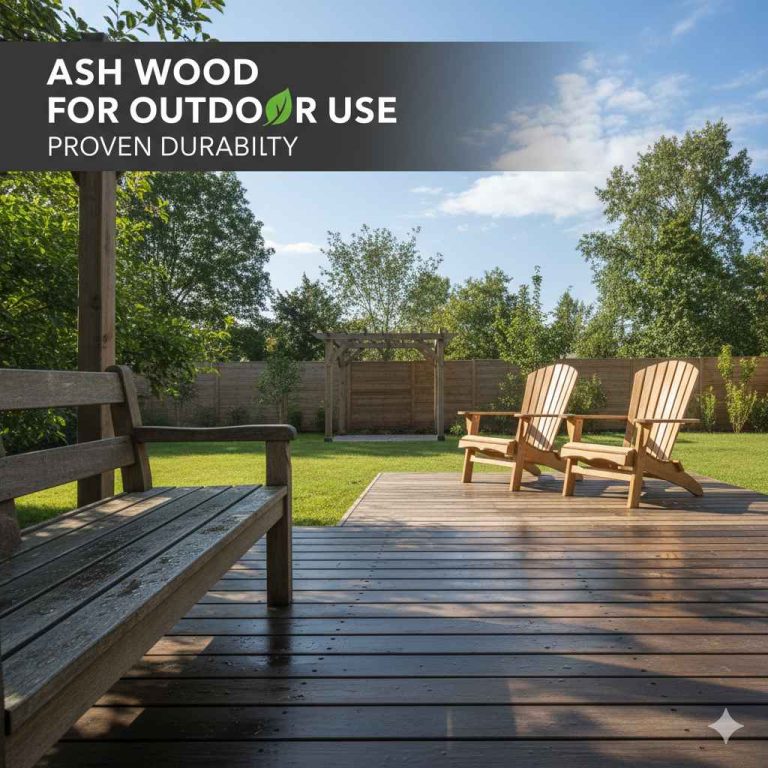
Generally, ash is not the best choice for outdoor furniture. While it’s strong and durable, it doesn’t have the natural rot and insect resistance of woods like cedar or redwood. If you plan to use ash outdoors, it absolutely must be sealed with a high-quality exterior-grade finish and maintained very regularly. For most outdoor projects, hardwoods like teak, oak, or naturally rot-resistant softwoods are preferred.
Q2: How Does Ash Compare to Oak?
Both ash and oak are strong, durable hardwoods widely used in furniture and flooring. Oak is typically harder and heavier than ash. The grain patterns differ significantly: oak often has a more pronounced, open, and sometimes wavy grain, while ash has a straighter, more consistent grain. Ash tends to be slightly more shock-absorbent than oak, making it preferred for things like tool handles. In terms of appearance, oak often has a more classic, rustic look, while ash can appear more modern and sleek due to its straighter grain. Costs can be similar depending on the specific species and grade.
Q3: Can beginners successfully use ash for their first furniture project?
Absolutely! Ash natural wood is an excellent wood for beginners. It’s easy to cut, sand, and join, and it’s forgiving of minor mistakes. Its durability means your project will likely withstand the learning process. The key is to use sharp tools and take your time with measurements and cuts.