Best Woodshop Heaters (2026): Based on Specs and Reviews
The best woodshop heater is usually a properly vented ceiling-mounted gas unit for insulated garages, while a 1.5–2 kW infrared or oil-filled electric heater fits small, tight spaces; size it to the shop, not the label. Bad choices waste electricity, leave cold corners, and can stir dust or add ignition risk near finishes and sawdust. This guide ranks heater types by shop layout, insulation, dust exposure, and operating cost so you can choose the right one.
Quick comparison
| Product | Badge | Best for | Price | ||
|---|---|---|---|---|---|
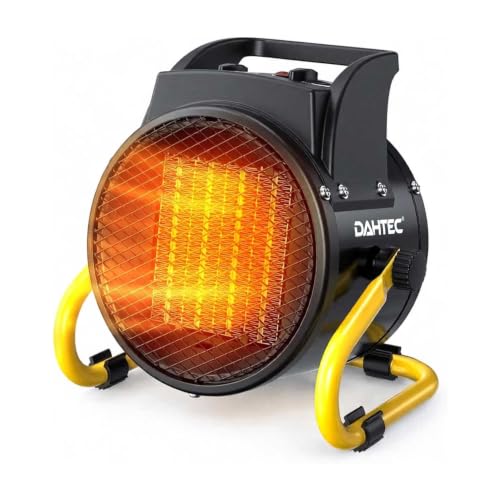 |
DAHTEC 1500W Electric Space Heater for Indoor Use, PortableDAHTEC | Our pick | 1500W · PTC Ceramic · 3 Modes | $59.99
Price as of 19 Oct 2026
|
View |
 |
DR. INFRARED HEATER NEW Upgraded DR-975 7500-Watt 240-VoltDR. INFRARED HEATER | Upgrade pick | 7500W · 240V · Wall/Ceiling Mount | $240.00
Price as of 19 Oct 2026
|
View |
 |
DR. INFRARED HEATER 1500W Portable Infrared Indoor andDR. INFRARED HEATER | Also great | 1500W · Infrared · 3-Way Mounting | $109.98
Price as of 19 Oct 2026
|
View |
 |
ProCom Heating Liquid Propane Ventless Blue Flame HeaterProCom | Also great | 30,000 BTU · Propane · Ventless | $189.99
Price as of 19 Oct 2026
|
View |
 |
DELLA Serena 22 SEER2 12000 BTU Mini Split Heat Pump WorksDella | Also great | 12,000 BTU · 22 SEER2 · Ductless | $701.96
Price as of 19 Oct 2026
|
View |
This comparison is about fit, not hype. A heater that is ideal for a sealed 400-square-foot shop may be a poor choice in a leaky 2-car garage with high ceilings and open lumber storage.
How we chose
We compared heater types by five shop realities: insulation level, ceiling height, power or fuel access, dust exposure, clearance needs, and winter operating cost. That matters more than a label that only lists BTUs or watts.
The strongest picks also had practical controls. A good thermostat matched to the space, overheat protection that shuts the unit down before internal parts overheat, and a wall or ceiling mount that keeps the heater off the floor all matter in a woodshop.
For combustion heaters, we weighed ventilation and clearance from combustibles more heavily than raw output. For electric heaters, we looked at whether they could cover a small or insulated shop without nuisance cycling.
Electric hardwired heater: best for insulated shops
The DR. INFRARED HEATER DR-975 is the strongest fit when you have 240-volt power, a small-to-medium insulated shop, and want whole-room heat without combustion risk. Based on the published specs, the 7,500-watt output and wall or ceiling mounting make it a serious garage heater, and the remote thermostat helps zone control.
Its best use case is a shop that stays fairly tight and already has a proper 240-volt circuit. The maker’s details also make it a better match for fixed placement than for a temporary setup.
The drawback is obvious: it needs hardwired 240-volt power, so it is not the easy choice for a rental, an unheated outbuilding, or a shop without electrical capacity. Like many electric heaters, it works best when the space is reasonably insulated and not wildly leaky.
Why 240-volt hardwired units fit smaller or insulated spaces
A hardwired electric heater is usually the safest all-around choice for a woodshop because it avoids open flame and fuel storage. For many garages and enclosed shops, that matters more than chasing the highest BTU number.
The DR-975 is commonly rated for spaces up to about 600 square feet and delivers about 20,520 BTUs of heat from 240-volt electricity. That puts it in the right range for a shop that needs steady background warmth, not just a quick blast of hot air.
Wattage range to look
For electric hardwired heat, look in the 5,000- to 7,500-watt range for many garages and compact woodshops. That range is common because it balances output with the electrical limits of a typical shop circuit.
A 6,000W unit such as the Comfort Zone CZ225ER sits in that middle ground. It is large enough for meaningful whole-room heat, but still far more practical than trying to warm an open shop with a small plug-in unit.
Mounting and overheat protection
Wall or ceiling mounting saves floor space and keeps the heater away from carts, sheet goods, and offcuts. It also helps with air circulation in a crowded shop.
Overheat protection is a must in a dusty space. A heater should shut down before internal temperatures climb to a dangerous level, especially if sawdust starts collecting around the intake or housing.
Limits in leaky or uninsulated shops
Electric heat struggles when the building leaks badly or the ceiling is very high. You can still use it, but operating cost rises fast if you are trying to heat a large volume of cold air every time you enter the shop.
For a cold-start shop, electric units also take longer to recover after the doors open. That is where bigger gas units can win on output, even if they lose on simplicity.
What heater works best for a small woodshop?
For a small woodshop, an electric hardwired heater is usually the best choice for whole-room heat, while an infrared electric heater is better for spot heating where you work. Small spaces reward quiet operation, wall or ceiling mounting, and tighter temperature control more than raw BTUs.
Infrared heater for spot heating
The DR. INFRARED HEATER 1500W infrared model is a good fit when you want warmth at a bench, assembly table, or finish area rather than throughout the entire room. Infrared heat warms objects and people directly, so it can feel effective quickly in a small zone.
The drawback is coverage. A spot heater is not the right answer for an uninsulated garage with a cold concrete floor and open door traffic. It is a zone tool, not a full-shop solution.
Electric hardwired heater for whole-room heat
If the small shop is insulated and has the right circuit, a hardwired electric unit is easier to live with than a combustion heater. You get cleaner operation, less fuss with fuel, and fewer clearance concerns around open flame.
Picture a 240-square-foot garage shop with decent insulation and a door that stays shut most of the winter. In that case, a fixed electric unit is likely to hold temperature better than a portable fuel heater that blasts one corner and leaves the rest cold.
When floor space is tight
Choose a wall-mounted or ceiling-mounted heater when you need every square foot for clamps, lumber, or machines. Floor-standing heaters compete with your workflow, and they are easier to bump, block, or bury under dust.
That is one reason ceiling-mounted electric and gas units keep appearing in shop setups. They free the floor and let you place heat above the path of carts and tool storage.
Natural gas unit heater: best for large shops
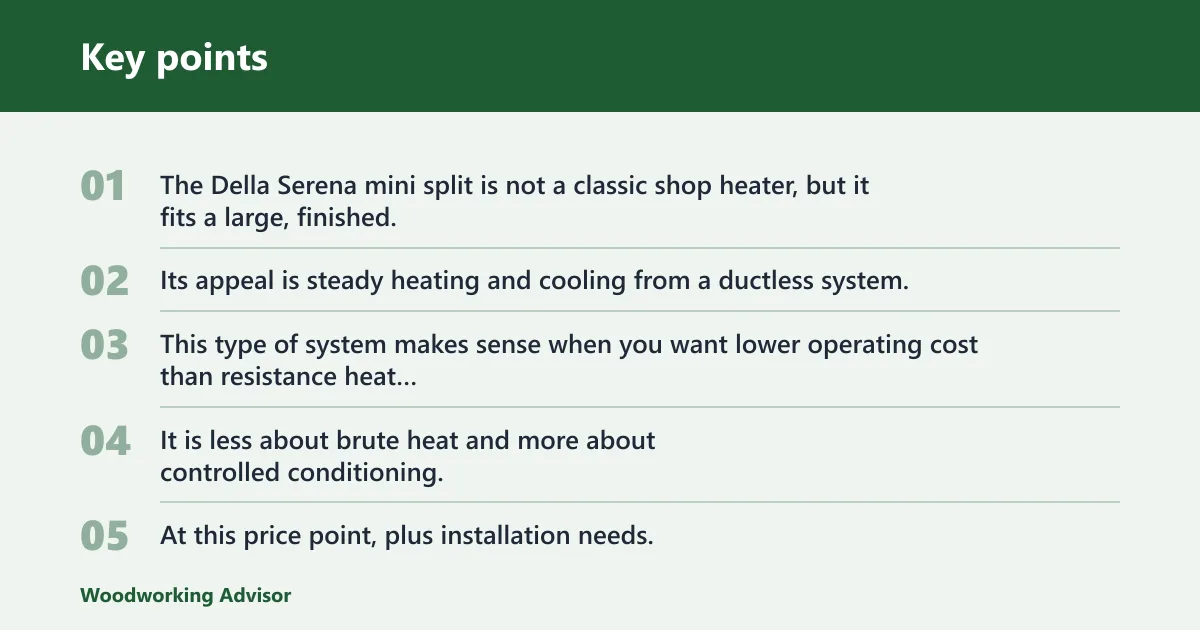
The Della Serena mini split is not a classic shop heater, but it fits a large, finished, or lightly partitioned shop that needs efficient year-round temperature control. Its appeal is steady heating and cooling from a ductless system, which is useful where a full heater would be oversized or awkward.
This type of system makes sense when you want lower operating cost than resistance heat and you can handle the installation. It is less about brute heat and more about controlled conditioning.
The drawback is cost and complexity. At this price point, plus installation needs, it is not the easiest option for a rough garage, and it does not replace the simplicity of a purpose-built unit heater in a dusty, unfinished shop.
Why ceiling-mounted gas units fit large coverage needs
A large, open shop often needs a ceiling-mounted gas unit heater because floor space matters and warm air has to move across a lot of volume. The Mr. Heater Big Maxx MHU80NG is rated at 80,000 BTU and covers 2,667 square feet, which puts it in the large-shop class.
Its ceiling-mounted design also keeps the heater out of the working area. That matters in a space with sheet goods, ladders, or rolling cabinets moving around.
BTU sizing for large open spaces
BTU output is the main sizing metric for gas heaters. For insulated shops, a common rule of thumb is 30–40 BTUs per square foot; for uninsulated spaces, 50–60 BTUs per square foot is a better starting point.
That means a 1,000-square-foot insulated shop may need about 30,000 to 40,000 BTUs, while the same uninsulated shop may need 50,000 to 60,000 BTUs or more. Ceiling height, air leakage, and frequent door opening can push the need higher.
Permanent installation tradeoffs
Natural gas unit heaters are permanent equipment. They need proper gas supply, a powered exhaust path, and installation that follows the clearance instructions in the manual.
The Big Maxx also calls for a minimum 10-foot ceiling height and 8 feet of clearance from the floor. In a woodshop, those numbers should be treated as the starting point, not the finish line, because dust, lumber stacks, and offcuts can create extra hazard around the heater.
What heater works best for a large woodshop?
A large woodshop usually does best with a ceiling-mounted natural gas unit heater if gas service is available and the shop can meet clearance rules. If you need portability or temporary heat, forced-air propane can fill the gap, but it is a tougher fit for long winter use and high-dust spaces.
Natural gas unit heater for permanent coverage
Natural gas works well when you want steady heat over a big footprint and do not want to move equipment around. The best units are designed for ceiling mounting, powered exhaust, and controlled delivery of warm air across the room.
The drawback is installation. You need enough height, enough clearance, and the right gas and venting setup before the heater is useful.
Forced-air propane heater for portable or temporary heat
The ProCom Heating propane heater is the more flexible option when you need portable heat and do not have gas service. It is listed at 30,000 BTU and is described as heating up to 1,400 square feet effectively.
Its downside is the same thing that makes it handy: it is combustion heat in a portable package. That means ventilation planning matters, and the heater belongs well away from sawdust, finish rags, cardboard, and wood piles.
BTU sizing for large open spaces: suppose a 1,500-square-foot shop
Suppose a 1,500-square-foot shop is insulated but has a tall ceiling and a loading door that opens often. The BTU need can land much closer to the upper end of the range because warm air escapes faster and the heater has to recover after each door cycle.
That is why ceiling height and leakage matter as much as floor area. A big number on the label does not help if the space loses heat faster than the heater can replace it.
Do you need ventilation for a propane woodshop heater?
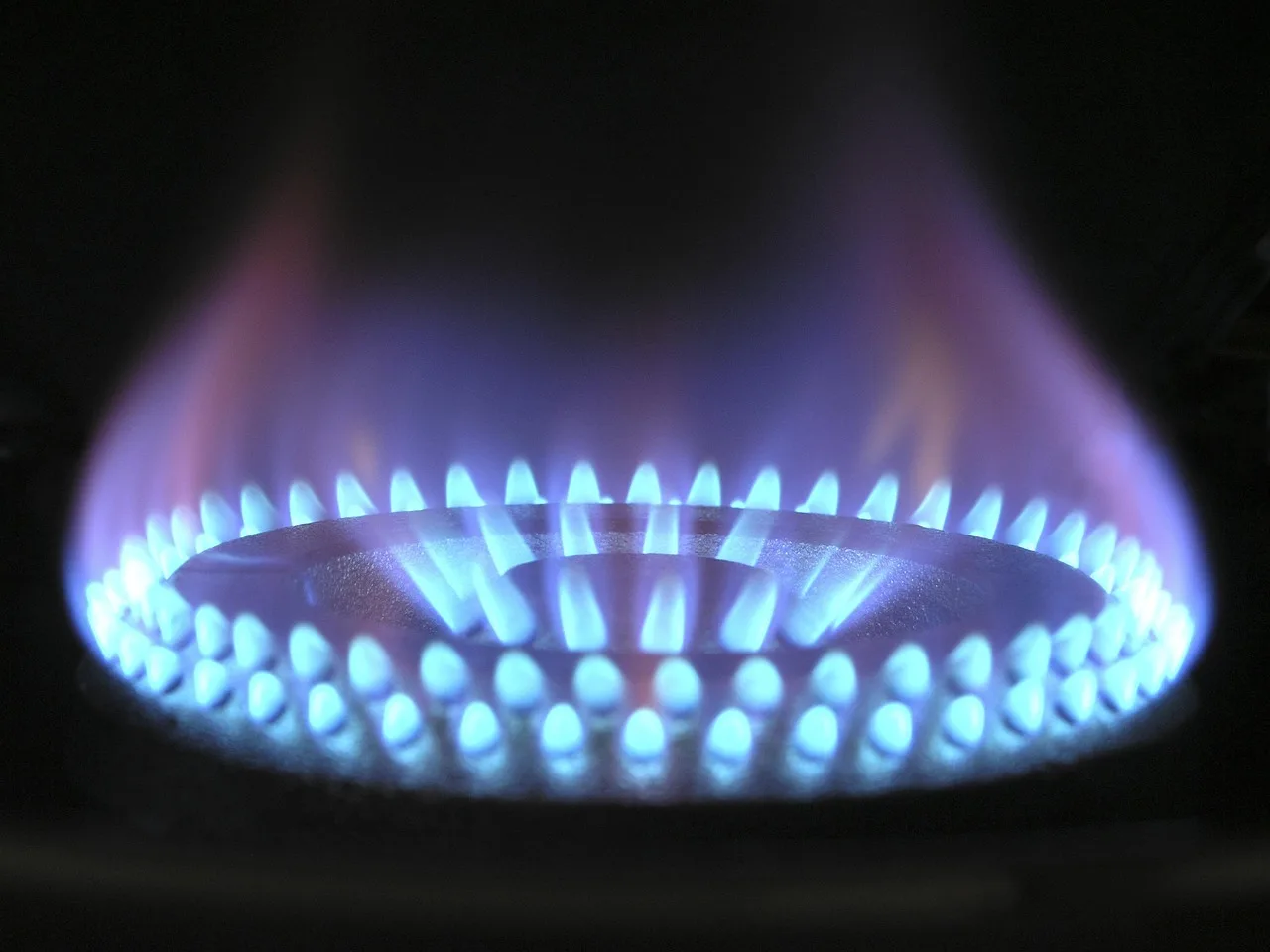
Yes. Combustion heaters need fresh air and a plan for exhaust gases, because propane and natural gas can create carbon monoxide and oxygen depletion risks. Ventilation is not optional in a dusty woodshop, and it should be part of the install plan, not an afterthought.
Fresh air and combustion safety
Any combustion heater needs enough fresh air to burn properly. If the room is tight, the burner can run poorly or shut down unexpectedly, and the air quality can become unsafe.
That is why vented systems are usually preferred for permanent shop heating. Unvented heaters may be convenient, but they demand much more care around room air, fuel quality, and run time.
Carbon monoxide concerns
Carbon monoxide is the main reason woodshop owners should be cautious with propane and gas heat. A heater can appear to run normally while still creating an unsafe atmosphere.
Use a model with proper safety features and follow the installation instructions exactly. If the shop is attached to a house, that caution becomes even more important.
Clearance from combustibles in dusty shops
Manufacturer clearance instructions matter more in a woodshop because sawdust and stockpiles behave like combustible material. A “minimum” clearance on paper is not generous enough when dust can collect on the heater housing or drift into the airstream.
A practical rule is to triple the stated clearance when the shop is dusty or storage is loose. That is not a substitute for the manual; it is the safer woodshop interpretation of it.
Why installation details matter
A combustion heater can fail a shop if the install ignores ceiling height, air movement, or where lumber is stored. A heater with enough BTU output can still be the wrong choice if it cannot be mounted with proper spacing and exhaust routing.
That is one reason the manual matters so much. In a woodshop, the install is part of the safety system.
Woodshop heater decision matrix
This matrix translates shop reality into heater type. It focuses on size, insulation, ceiling height, power or fuel, and dust exposure so you do not buy the wrong format for the space.
| Shop condition | Best heater type | Key risks and installation needs |
|---|---|---|
| Small, insulated shop; 240-volt power available; low dust | Electric hardwired heater | Needs a proper 240-volt circuit, wall or ceiling mounting, and overheat protection. Watch for short cycling if the unit is oversized. |
| Small shop; floor space is tight; bench-only warmth needed | Infrared electric heater | Good for spot heat, not whole-room heat. Keep it clear of dust buildup and do not expect even coverage in open corners. |
| Medium shop; insulated but leaky around doors | Hardwired electric or vented gas unit | Choose based on power access. Electric is simpler; gas gives faster recovery but needs venting and larger clearances. |
| Large open shop; gas available; high ceiling | Natural gas unit heater | Requires permanent installation, powered exhaust, and clearance from walls, stock, and offcuts. Ceiling height must suit the model. |
| Large shop; no gas line; temporary or mobile heat needed | Forced-air propane heater | Needs ventilation, fuel storage, and strict clearance from combustibles. Higher fire risk near sawdust and finishing supplies. |
| Shop used for freeze protection only | Low-output electric heat or mini split | Setback control matters. The goal is to stay above 50°F, not make the room feel warm for short visits. |
How to read the matrix
If the shop is insulated and already wired for 240 volts, start with electric heat. If the space is large and permanently set up, gas heat becomes more practical, but only if ventilation and clearances are workable.
If dust is heavy and storage is loose, move away from portable combustion heat unless you can keep the unit far from combustibles and manage fresh-air supply.
Which one should you buy?
The best overall pick for many woodshops is a hardwired 240-volt electric heater, because it avoids combustion, mounts out of the way, and suits insulated garages and smaller shops well. If you have a large permanent shop with gas service, a ceiling-mounted natural gas unit heater is often the better long-term answer.
Best pick by budget
The DAHTEC 1500W portable ceramic heater is the lowest-cost option here, and it makes sense only for very small, temporary, or bench-level heating. Its upside is portability and overheat protection; its drawback is obvious output limits for whole-shop heating.
Best pick by shop type
For a compact insulated shop, choose the DR. INFRARED HEATER DR-975. For a big permanent shop, choose the Mr. Heater Big Maxx MHU80NG if you can meet the installation requirements. For a spot-heating setup, the DR. INFRARED HEATER 1500W infrared model is the most flexible.
Best pick by safety priority
If safety is the top concern, electric wins in many woodshops. It avoids combustion, reduces carbon monoxide concerns, and is easier to keep clear of dust than a portable propane unit.
The main caution is still placement. Even electric heaters need clear space around them, and dust can clog fan-driven models or collect where it should not.
Best pick by operating cost
Operating cost depends on local utility rates, insulation, and how often the shop is heated. In many permanent shops, a gas unit can cost less to run than resistance heat for long winter stretches, especially when the ceiling is high and the heater runs for hours.
In a smaller insulated shop, though, a right-sized electric heater can be the simpler and cheaper answer once installation and maintenance are counted.
Frequently asked questions
What is the best heater for a woodshop?
The best heater for a woodshop is usually a properly vented ceiling-mounted gas unit in a large insulated shop, or a 240-volt electric hardwired heater in a smaller insulated space. The right answer depends on ceiling height, dust exposure, and whether you have gas or electrical capacity.
What type of heater is safest for a woodshop with sawdust?
Electric heaters are usually safest because they avoid open flame and fuel combustion. Even then, you need clearance from combustibles, overheat protection, and regular dust cleaning around the unit so sawdust does not collect on the housing or intake.
How many BTUs do I need for a woodshop heater?
Use about 30–40 BTUs per square foot for insulated shops and 50–60 BTUs per square foot for uninsulated spaces. Then adjust upward for high ceilings, poor insulation, frequent door opening, and air leakage. A small shop often needs less than a large open garage.
Are electric heaters better than propane heaters for a woodshop?
Electric heaters are usually better for safety and simplicity, especially in smaller or insulated shops. Propane heaters can deliver more portable heat, but they need ventilation, fuel handling, and more careful placement around sawdust, offcuts, and finish materials.
How much clearance should a woodshop heater have from combustibles?
Follow the manufacturer’s clearance instructions first. Then treat a woodshop more cautiously than a clean utility room by keeping extra distance from stockpiles, offcuts, and dust. A good working rule is to triple the listed clearance whenever the area around the heater is cluttered or dusty.
Sponsored / affiliate links. As an Amazon Associate I earn from qualifying purchases. I may earn additional commission from eligible campaigns.