Best Wood Cutting Board Brands (2026): research shows
For most buyers, the best wood cutting board brands are John Boos for durability, Teakhaus for lower maintenance, and Sonder LA for premium fit and finish; if you want one rule, choose a thick end-grain or dense hardwood board over a thin edge-grain one. Poor wood-board choices warp, crack, dull knives faster, and can become harder to clean safely. This guide ranks leading brands by food-safety risk, durability, maintenance burden, and value.
Quick picks
- Best overall for daily prep: John Boos, because thick hard maple and solid edge-grain or end-grain construction prioritize stability and long service life.
- Best end-grain choice for knife care: Sonder Los Angeles, because end-grain construction is kinder to edges and usually has a premium finish and heavier build.
- Best low-maintenance option: Teakhaus, because edge-grain teak typically needs less upkeep than end grain and resists moisture well.
- Best value for smaller budgets: Teakhaus, especially if you want a lighter everyday board with lower ownership burden.
Quick comparison
| Product | Badge | Best for | Price | ||
|---|---|---|---|---|---|
 |
Teakhaus Edge-Grain Teak Wood Cutting Board with JuiceTeakhaus | Our pick | Edge-grain teak · Juice groove · Table-ready | $55.00
Price as of 13 Oct 2026
|
View |
 |
John Boos Maple Wood Edge Grain Cutting Board for KitchenJohn Boos | Upgrade pick | Reversible maple · 2.25-inch thickness · RA-Board Series | $106.22
Price as of 13 Oct 2026
|
View |
 |
OXO Good Grips Plastic Carving & Cutting Board – White,OXO | Budget pick | Plastic · Double-sided · Drip-catcher corners | $37.95
Price as of 13 Oct 2026
|
View |
 |
KitchenAid Classic Plastic Cutting Board with PerimeterKitchenAid | Also great | Plastic · Perimeter trench · Dishwasher-safe | $19.41
Price as of 13 Oct 2026
|
View |
Heavy chopping favors thicker maple or end-grain boards. Small kitchens usually do better with a lighter edge-grain board, while gift buyers often want the best finish quality and the most visually premium wood species.
How we chose
This ranking weighs safety, durability, and ownership burden instead of brand fame. The main filters are wood species, grain orientation, thickness, finish type, glue quality, and how much care the board is likely to need over time.
Hard maple, walnut, and cherry are the main hardwoods in this guide because they are common cutting-board woods with predictable food-contact behavior. End grain ranks higher for knife care but usually asks for more money and maintenance, while face grain sits lowest for durability and is better for serving.
We also considered flatness tolerance, sanding quality, juice groove accuracy, and practical weight. Those details matter because a board that rocks, stains quickly, or takes too much oil can become annoying long before it fails structurally.
Which wood cutting board brands are safest for food prep?
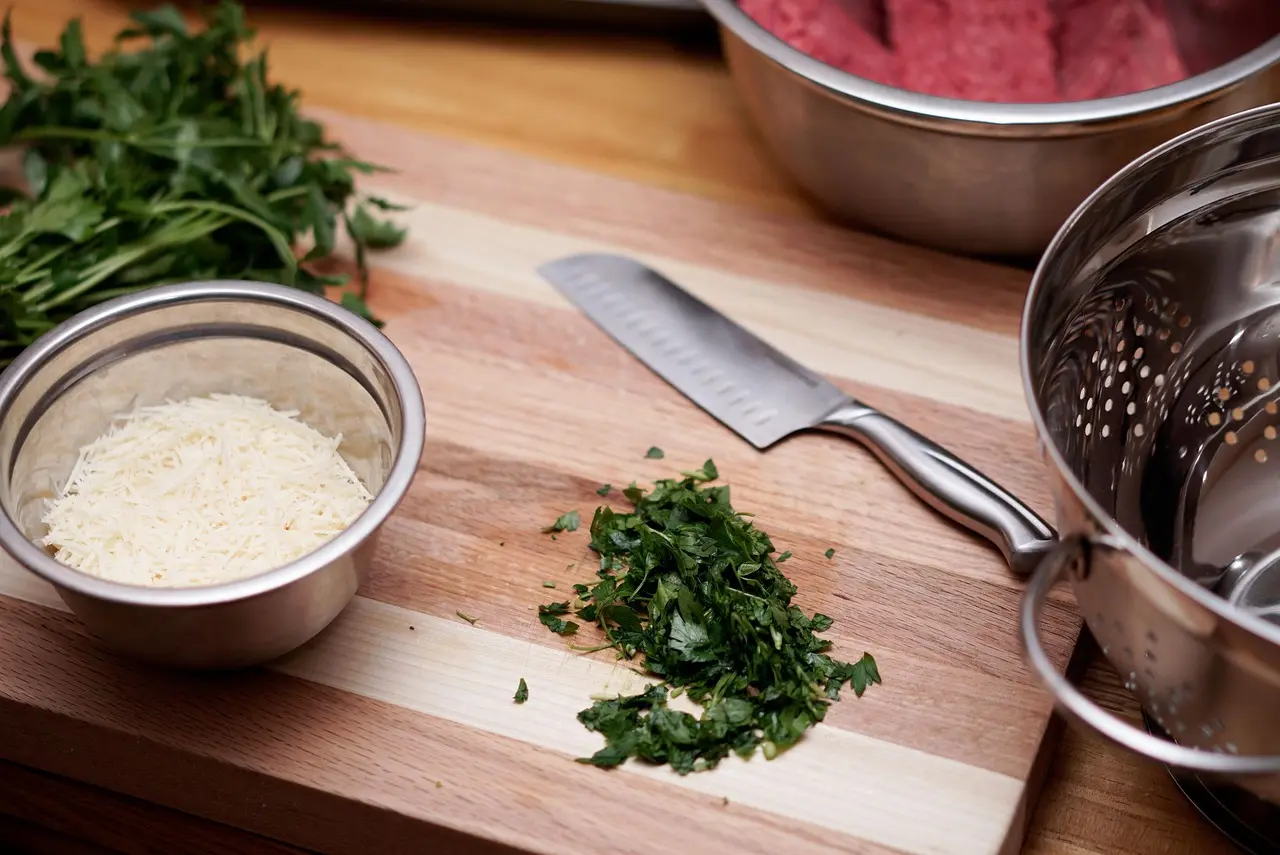
The safest wood cutting board brands use tight-grain hardwood, a food-safe finish, and glue joints that can handle moisture without separating. Hard maple, walnut, and cherry can all work well, but construction quality matters as much as species because warping, cracks, and loose laminations create hygiene problems.
Why tight-grain hardwood matters
Hard maple is the classic choice because it has a tight grain, high wear resistance, and a long food-safe reputation. Walnut is slightly softer than maple, but still durable and popular in mixed-wood designs. Cherry sits in the middle visually, though it is generally softer than maple and can show wear sooner.
Loose-grain woods are more likely to absorb moisture, telegraph knife marks, and stain deeply. That does not make every softer hardwood unsafe, but it does mean the board’s finish and upkeep schedule matter more.
Why finish and glue matter as much as species
Food-safe finish usually means mineral oil or board cream, both non-toxic and intended for food contact. These finishes are not permanent; they need periodic replenishment so the board does not dry out and crack. Construction glue also matters, especially on end-grain boards where many small blocks meet and repeated moisture cycles can stress joints.
Water-resistant or food-safe adhesive is critical for longevity. If glue quality is poor, end-grain boards can split at seams or open at the edges after repeated washing and drying.
What to avoid in low-cost boards
A low-cost board often cuts corners on thickness, sanding, flatness, and adhesive. Thin boards warp more easily. Rough sanding leaves early knife grooves and uneven finish absorption. Poorly placed juice grooves or feet can also create wobble and trap moisture.
- Prefer tight-grain hardwood over mystery wood.
- Look for clear mention of mineral oil, board cream, or another food-contact-safe finish.
- Favor thicker boards when you want stability.
- Check whether the maker specifies water-resistant or food-safe glue.
- Avoid boards that seem lightly finished, very thin, or poorly flattened.
John Boos: best for heavy-duty maple boards
John Boos fits buyers who want a dense, workhorse prep board with hard maple and substantial thickness. Hard maple is a strong match for frequent chopping because it is tightly grained, wear resistant, and widely used in serious kitchen boards. The 2.25-inch build also helps with warp resistance and overall mass.
Edge grain and end grain both have a place in this brand’s lineup, but the thick maple format stands out for stability and long-term use. That said, a board this heavy takes more counter space and is less convenient to move, wash, or dry than a lighter everyday board.
Choose John Boos if you do a lot of vegetable prep, want a board that feels planted during chopping, and do not mind regular oiling. It is a strong buy for home cooks who value durability over portability.
Sonder Los Angeles is the premium-leaning pick for buyers who want the knife-friendly feel of end grain and a more finished presentation. End grain is usually more expensive because it takes more labor, more adhesive joints, and thicker stock to build properly. That construction can be gentler on knife edges and better at hiding surface wear.
Thicker end-grain boards tend to resist warping better, but they also demand more care. They need periodic oiling, careful drying, and sensible storage so the blocks do not shift, split, or cup. Glue quality matters here more than on simpler edge-grain boards because the structure depends on many bonded pieces.
This is the choice for buyers who want a gift-worthy board, care about visual presentation, and are willing to keep up with maintenance. The honest drawback is simple: premium end grain costs more and usually weighs more, too.
Teakhaus: best for lower-maintenance everyday use
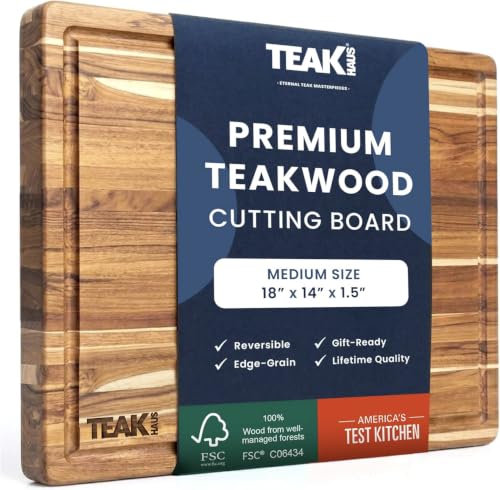
Teakhaus is the practical pick for buyers who want an easier ownership experience. Edge-grain construction is typically lighter than end grain, costs less, and suits daily prep well. Teak also has a reputation for resisting moisture and warping better than many soft or open-grained woods.
This kind of board fits everyday slicing, sandwich prep, and general vegetable work. The tradeoff is that edge grain is less knife-friendly than end grain and can show grooves sooner with heavy chopping. A juice groove is useful for meats and ripe produce, but it does not change the basic maintenance reality.
Choose Teakhaus if you want a board that is easier to move, easier to live with, and less expensive than premium end grain. It is not the top choice for the most demanding knife work, but it is a solid daily driver.
Which one should you buy?
Choose John Boos if your priority is heavy chopping and long-term stability. Choose Sonder Los Angeles if you want the best knife feel and a premium end-grain presentation. Choose Teakhaus if you want the least maintenance burden without moving down to a disposable-feeling board.
Best pick for heavy chopping
John Boos is the best fit because thick hard maple and a substantial build help the board stay flat under repeated use. That combination also reduces the chance of rocking during knife work, which matters when you are breaking down lots of produce or trimming meat.
Best pick for mixed prep and serving
Sonder Los Angeles is the best match if you want one board that can move from prep to table more naturally. End grain hides wear better and often looks more premium, which helps when the board will be seen as often as it is used.
Best pick for small kitchens
Teakhaus makes the most sense for tighter spaces because edge-grain boards tend to be lighter and easier to store. A medium board is easier to dry on a rack, easier to pull from a cabinet, and less likely to feel like permanent counter furniture.
Best pick if you want the least maintenance
Teakhaus is the lowest-burden option in this group. Edge grain usually needs less upkeep than end grain, and teak’s moisture resistance can make daily cleaning and drying a little easier to manage.
Suppose your kitchen is short on counter space and you mostly chop onions, herbs, and fruit. A medium edge-grain board may be the better buy than a very thick end-grain block, because storage and drying become part of the real ownership cost.
A common first-timer mistake is buying a thin, pretty board that looks premium but slides, cups, and stains after a few months. Thickness and finish matter more than the photo-friendly grain pattern.
what are the best woods for a cutting board
The best woods for a cutting board are hard maple, walnut, and cherry, with maple usually leading for wear resistance and walnut often chosen for visual contrast. Maple’s tight grain and hardness support frequent prep, while walnut and cherry can work well when you want a premium look and acceptable durability.
For most buyers, the right wood depends on the tradeoff you want. Maple is the safe default for heavy use, walnut hides stains well, and cherry gives a warm mid-tone look but is generally softer than maple.
what is the best brand of cutting boards
The best brand depends on use case, but John Boos is the strongest all-purpose wood-board brand here for durability, Teakhaus is the easiest to live with, and Sonder Los Angeles is the best premium end-grain option. The right answer changes with your cooking style, storage space, and tolerance for upkeep.
That is why a brand ranking by price alone misses the point. A thick maple board, a lower-maintenance teak board, and a premium end-grain board all solve different problems.
How do I choose between maple, walnut, and cherry boards?
Choose maple if you want the hardest-wearing of the three and expect frequent chopping. Choose walnut if you want a darker board that hides stains and fits mixed-wood designs. Choose cherry if you want a stable, attractive mid-tone board and can accept somewhat softer wear behavior.
In practical terms, maple is the safest default for high-use kitchens, walnut is the best visual compromise, and cherry suits buyers who value appearance and stability more than maximum hardness.
What size and thickness should a quality wood cutting board be?
A quality wood cutting board is often in the 1.25 to 2-inch thickness range for premium boards, with heavier end-grain models often at the upper end. Thicker boards resist warping better and feel more stable during chopping, especially if they are large enough to cover your main prep area.
Size should match counter space and use case. A small kitchen may do better with a medium board that stores easily, while heavy prep usually benefits from a larger surface that gives ingredients room to spread out without falling off the edges.
Are expensive wood cutting board brands actually worth it?
Expensive boards are worth it when the price buys better wood selection, thicker stock, flatter surfaces, cleaner sanding, and stronger adhesive joints. Those details reduce the chance of warping, splitting, and early deep grooves, especially on end-grain boards that rely on many glued blocks.
If the premium price only buys a prettier grain pattern, the value may be weaker. Pay for construction quality, not just for a famous name or a more dramatic board photo.
Which brands are best for non toxic finishes and glue?
Brands that clearly use mineral oil or board cream, and that specify water-resistant or food-safe adhesive, are the safest bets for non-toxic ownership. In this group, John Boos, Sonder Los Angeles, and Teakhaus all fit that general expectation better than anonymous low-cost boards with vague material descriptions.
The practical check is simple: you want the finish named, the wood species identified, and the construction details stated clearly. If the listing is evasive about adhesive or finish, that is a warning sign.
How do I keep a wood cutting board from warping or cracking?
Keep a wood cutting board from warping or cracking by drying it promptly, storing it flat or on edge with airflow, and replenishing the finish regularly. Avoid soaking, avoid dishwashing, and do not leave one wet side down on a counter for long periods.
Regular oiling keeps the wood from drying out, which lowers the chance of splits and surface checking. Thicker boards tend to be more stable, but even a thick board can fail if it is repeatedly soaked, scrubbed harshly, or stored while damp.
Steps that help most:
- Wipe the board dry right after washing.
- Stand it up or store it where both faces can air-dry.
- Apply mineral oil or board cream periodically, especially when the board looks dry or pale.
- Keep knife edges sharp so deep grooves do not develop as fast.
- Stop using the board if seams open, it cups badly, or black staining spreads below the surface.
Sponsored / affiliate links. As an Amazon Associate I earn from qualifying purchases. I may earn additional commission from eligible campaigns.