Best Woodworking Project Kits for Beginners (2026): we compared
The best beginner woodworking project kits are small kits with pre-cut parts, counted hardware, and clear instructions; if you have only hand tools, start with a birdhouse, caddy, or simple box kit, and choose power-tool kits only when the tool list matches what you already own.
This guide is part of our Woodworking project ideas and plans series.
Pick the wrong kit and you waste money, stall halfway through, or end up with gaps, split parts, and missing hardware. This guide compares the easiest kit types, the tools each one needs, and how to choose a first project you can finish without guesswork.
Quick picks for first-time builders
Best overall: a pre-cut birdhouse kit, because it gives you parts cut to size, simple joinery, and a clear finish line.
Best if you own basic tools already: a plan-based shelf or box project, but only if you already have a drill, saw, clamps, and a way to make square cuts.
Best for kids with supervision: a birdhouse or simple wood craft kit with large parts and no sharp-edge joinery.
Best for the fastest one-weekend build: a pre-cut kit with glue, nails, and sandpaper already included.
📊 Benchloot says the starter kit totals ‘$350’. Source: Beginner Woodworking Tool Kit: The Complete Guide (2026).
Quick comparison
| Product | Badge | Best for | Price | ||
|---|---|---|---|---|---|
 |
HOMESTEAD End Grain Acacia Wood Cutting Board for KitchenHOMESTEAD | Pair with it | End-grain acacia · 18×14 in · juice groove | $35.99
Price as of 10 Oct 2026
|
View |
 |
Wood Carving Kit, 24Pcs Wood Carving Tools with StorageK KERNOWO | Our pick | 24-piece set · 4 templates · basswood blocks | $29.99
Price as of 10 Oct 2026
|
View |
 |
SparkJump Premium Wooden Bird House Kit – Build it YourselfSparkJump | Also great | Cedar birdhouse kit · 7 pieces · complete DIY | $44.17
Price as of 10 Oct 2026
|
View |
Pre-cut kits are the shortest path to a first success because they remove the hardest beginner steps: measuring, ripping stock, and complex layout. Plan-based projects make more sense once you already own the tools and can cut accurately.
What matters most is fit. A small kit with clear instructions beats a fancier project that leaves you guessing about clamps, sanding, or finish order.

How we chose
Beginner kits were judged on five things: required tools, assembly difficulty, average time to finish, how clearly the steps are written, and which common mistakes they help you avoid.
The best kits keep the job simple. They rely on pre-cut wood pieces, wood glue, basic hardware, beginner-friendly sandpaper, and an order of assembly that does not force you to improvise.
That is also why a kit can fail a first-timer even when the project itself looks simple. If the instructions assume a miter saw, a nail gun, or accurate cuts you cannot make yet, the kit is not truly beginner-friendly.
Beginner kit selection matrix
| Kit type | Required tools | Assembly difficulty | Average project time | Likely success rate for true beginners | Mistakes it helps avoid |
|---|---|---|---|---|---|
| Pre-cut birdhouse kit | Hammer or drill, sandpaper, glue, clamps if included | Easy | 1-3 hours | High | Inaccurate cuts, layout errors, missing small parts |
| Simple box or caddy kit | Drill, hammer, glue, clamps, basic finishing supplies | Easy to moderate | 2-4 hours | High | Poor squaring, weak joints, uneven sanding |
| Kids craft kit with pre-cut parts | Glue, paint or markers, adult supervision | Easy | 30-90 minutes | High | Sharp-tool use, tricky measuring, advanced joinery |
| Plan-based shelf project | Saw, drill, clamps, square, sander, finishing supplies | Moderate | Half day to 1 weekend | Medium | Cutting errors, off-square assembly, finish mistakes |
| Flat-pack furniture kit | Drill, screwdriver, square, hammer or mallet | Moderate | 2-6 hours | Medium | Hardware confusion, skipped steps, overtightening |
| Wood carving starter kit | Carving tools, sanding, safe workspace | Moderate | 2-5 hours | Medium | Tool control issues, rough finishing, rushed shaping |
| Cutting board kit | Sandpaper, food-safe finish, clamps, basic finishing supplies | Moderate | 2-4 hours plus cure time | Medium | Over-sanding, weak glue joints, finish mistakes |
| Power-tool build kit | Circular saw, cordless drill, sander, clamps, square | Moderate to hard | Half day to 2 days | Lower for true beginners | Inaccurate cuts, unsafe setup, alignment problems |
Quick picks
- Best overall: pre-cut birdhouse kit for the easiest first build.
- Best for kids: pre-cut craft kit with markers or paint and close adult supervision.
- Best for tool owners: simple shelf or box plan if you already have a saw, drill, and clamps.
- Best for a food-use project: cutting board kit, but only if the finish instructions are clear and food-safe.
What is the best beginner woodworking project kit for a first-time builder?
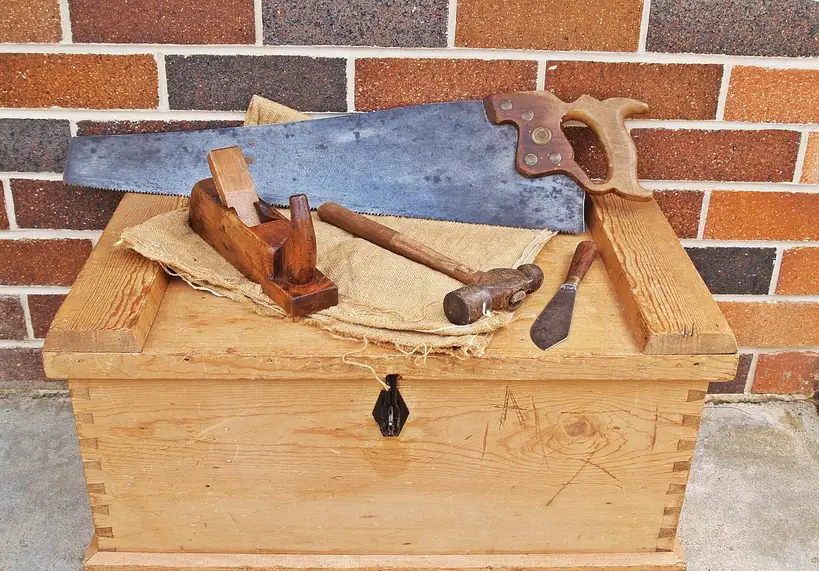
The best beginner woodworking project kit for a first-time builder is a small pre-cut birdhouse or simple box kit with included hardware, wood glue, sandpaper, and clear steps. Those kits reduce measuring, saw work, and layout errors, which are the usual reasons a first project stalls out.
That is why the safest first buy is usually a pre-cut kit rather than a plan-only project. A kit that already matches your tools and time budget is easier to finish than a more ambitious build that needs accurate cuts and extra shop equipment.
Say your only tools are a hammer, a drill, and a sanding block. A pre-cut birdhouse is a better first project than a shelf plan that asks you to rip boards and square every joint by hand.
What should be included in a beginner woodworking kit?
A beginner woodworking kit should include pre-cut wood pieces, wood glue, beginner-friendly sandpaper, clear instructions, and the hardware needed to assemble the project. If the project needs screws, nails, hinges, or hanging hardware, those parts should be in the box too.
The instructions should list the assembly order and the tools needed before you start. Good kits also explain clamp time, drying time, and any finishing step, because glue joints and paint are where many first builds go wrong.
For a first kit, look for these basics:
- Parts cut to size or clearly labeled for one simple layout
- Wood glue with drying guidance
- Sandpaper in a beginner-friendly grit range, usually a medium grit for smoothing plus a finer grit for finish prep
- Hardware and fasteners counted out ahead of time
- Step-by-step instructions with photos or diagrams
Are pre-cut woodworking kits easier than following plans?
Yes. Pre-cut woodworking kits are usually easier than following plans because they remove the hardest beginner tasks: measuring, marking, cutting to exact size, and checking squareness. That lowers the chance of a first project failing before assembly even begins.
Plan-based projects still make sense if you already own the right tools and can make repeatable cuts. If you have a saw, drill, clamps, and a square, plans can be cheaper and more flexible, but they are not the easiest path for a true first build.
A common first-timer mistake is buying a nice-looking plan for a shelf, then realizing the project depends on a miter saw, accurate layout, and a place to clamp long boards. A pre-cut kit sidesteps that problem.
What tools do I need for a beginner woodworking kit?
Most beginner woodworking kits need only a few basic tools: a drill, a saw, clamps, a hammer or nail gun depending on the kit, a miter saw or miter box for angle cuts, and simple finishing supplies such as sandpaper, brushes, or applicators. Some kits need less; power-tool projects need more.
The right tool list depends on the kit format. A pre-cut birdhouse may need only glue, a hammer, and sandpaper, while a plan-based shelf usually needs a saw, drill, clamps, a square, and a way to finish the wood.
Beginners should check for these tool groups before buying:
- Cutting: saw, miter saw, or miter box if any cutting is required.
- Assembly: drill, hammer, nail gun, screws, glue, clamps.
- Finishing: sandpaper, tack cloth, paint or stain, brush or applicator.
- Setup: square, tape measure, and a flat work surface.
How long does a beginner woodworking kit take to build?
Most beginner woodworking kits take anywhere from 30 minutes to a weekend, depending on how much is already cut and how much finishing is required. Drying time matters. Glue, stain, paint, and protective finish can add hours even when the assembly itself is quick.
True beginners also work more slowly because they check each step, dry-fit parts, and correct small alignment mistakes. If the kit includes sanding and finish, plan for extra time so you do not rush the final stage and leave rough edges or sticky surfaces.
Suppose a birdhouse takes 90 minutes to assemble but the glue needs overnight curing. That is still a one-day project in practice, not a 90-minute project.
Are kids woodworking kits good for absolute beginners?
Yes, kids woodworking kits can be good for absolute beginners if the parts are pre-cut, the steps are short, and an adult handles any sharp tools, heavy lifting, or finishing chemicals. They are a good way to learn order of assembly without asking a new builder to measure and cut from scratch.
Choose kits with large parts, blunt fasteners, and simple decoration options such as paint or markers. Avoid anything that assumes a table saw, complex joinery, or a finish that needs careful ventilation unless an adult is managing that step.
Adult supervision matters because kids kits still involve glue, small parts, and sometimes sanding. If the project uses markers or paint, that is a plus. If it uses blades or power tools, it is no longer a casual beginner kit.
Which beginner woodworking project is easiest to finish successfully?
The easiest beginner woodworking project to finish successfully is usually a pre-cut birdhouse or a small caddy with predrilled or pre-cut parts. Those projects are forgiving, use simple assembly, and still teach the core sequence of dry fit, glue, fasten, sand, and finish.
Among common first projects, birdhouses and simple boxes are especially manageable because small errors are easier to hide than on a shelf or bench. They also need fewer tools than larger furniture projects, which lowers the chance of setup problems.
If the goal is a first completed build, choose the project with the fewest cuts and the clearest instructions, not the project that looks most impressive on the box.
What should I avoid in my first woodworking kit?
For a first woodworking kit, avoid projects that need accurate ripping, complex joinery, or a full shop setup. Skip kits that assume you already own a circular saw, a miter saw, or a stack of clamps if you do not.
Also avoid kits that make finishing feel optional when it is not. Weak glue joints, poor sanding, and confusing finish steps are the fastest ways to turn a small project into a messy one.
Look out for these common traps:
- Projects that require long, exact cuts without a saw guide
- Kits that do not list all hardware up front
- Finishes that add extra cure time without clear instructions
- Assemblies that need several clamps but include none
- Plans that expect experience with measuring and squaring
What should you avoid in a first kit?
A first kit should avoid anything that forces you to improvise. That means no projects with tight tolerances, no hidden hardware list, and no finish instructions that leave you guessing between glue-up, sanding, and coating.
Also avoid kits that look beginner-friendly but quietly depend on power tools you do not own. A kit is only beginner-safe when the parts, tools, and steps match your actual setup.
Which one should you buy?
If you have no tools, buy a pre-cut birdhouse or simple caddy kit. If you have a drill and hand tools only, choose a kit that uses glue, nails, and minimal cutting. If you want the fastest success, pick the kit with the fewest parts and the clearest assembly order. If you are buying for a child, choose a pre-cut kit that allows paint or markers and requires adult supervision for any cutting or finishing.
For readers comparing named product examples, the SparkJump Premium Wooden Bird House Kit fits the safest first-build profile because it includes all necessary parts, nails, and glue; its drawback is that birdhouse assembly still teaches basic layout and cleanup, so it is better than a toy but not a no-skill craft. The K KERNOWO Wood Carving Kit is more tool-driven and better for hand-tool practice, but carving raises the difficulty because control matters more than part fitting. The HOMESTEAD end grain acacia cutting board is the least forgiving of the three for a true beginner because it adds sanding and a food-safe finish step, and any glue or finish mistake is harder to ignore.
Benchloot’s starter-kit list also shows how tool ownership changes the decision. Its core tools are a circular saw, cordless drill, and random orbital sander, with a 6.5-inch Cordless circular saw, a 5-inch random orbital sander, a 12-inch Combination Square, and Irwin Quick-Grip 6-Inch Clamps (2-Pack), and it places the starter kit total at $350 while the complete kit is about $700. That is a useful reminder: the right first project is often the one that matches what you already own.
Products to consider
SparkJump Premium Wooden Bird House Kit: best for a first pre-cut build
This is the safest first buy for most beginners because it includes all necessary parts, nails, and glue. The cedar build gives you a real woodworking result without asking you to design the parts or source hardware separately.
Based on the spec sheet and owner feedback, the strength of this kit is its simple path from box to finished project. It is also the easiest place to practice assembly order, light sanding, and basic finishing choices.
The drawback is that it is still a small project with real fit and finish decisions. If you want a kit that teaches measuring and cutting from scratch, this is too forgiving for that purpose.
K KERNOWO Wood Carving Kit: best for hand-tool beginners
This kit is for a beginner who wants a hand-tool project rather than an assembly project. The 24-piece set, 4 templates, and basswood blocks give you a guided starting point, and the included storage bag helps keep sharp tools organized.
Research and the spec sheet point to one clear advantage: the templates reduce guesswork. That said, carving is less forgiving than a pre-cut birdhouse because the mistakes are not about fasteners or alignment; they are about tool control and shape.
The main drawback is the learning curve. Even with templates, whittling requires patience, careful cuts, and attention to safety, so this is not the simplest choice for a first-ever wood build.
HOMESTEAD end grain acacia cutting board: best for a finished gift project
This is best for beginners who want a useful project with a clear end product and do not mind finishing work. The end-grain acacia surface is knife-friendly, and the integrated handles and juice groove make it practical for kitchen use.
Its appeal is obvious: it looks like a complete, useful object, not a practice piece. The tradeoff is that cutting boards demand careful sanding and a food-safe finish, which makes them less forgiving than a birdhouse or caddy.
The drawback for a first-timer is that finishing mistakes are harder to hide here. If the goal is to finish successfully on the first try, this is better as a second or third project, not the very first one.
How to choose
Choose the kit that matches your tool shelf, not the one that looks most ambitious.
If you have no tools, buy pre-cut parts and avoid projects that require a saw. If you have a drill and clamps, a simple box or birdhouse becomes realistic. If you already own a circular saw, cordless drill, and sander, a plan-based shelf or small furniture project starts to make sense.
Budget matters too. A kit is a smarter first purchase when it keeps you from buying extra tools just to finish one project. Time matters in the same way: if you only have one afternoon, skip anything that needs stain or finish cure time before assembly is done.
Look at the failure points before you buy. If the project depends on accurate cuts, buy a pre-cut kit. If it depends on glue-up and clamping, make sure clamps are included or already on hand. If it needs sanding and finishing, confirm that the instructions say which grit to use and when to apply the finish.
For a first build, the safest choice is usually the simplest one that fits your tools and your patience. That is how you get to a finished project instead of an unfinished pile of parts.
Sponsored / affiliate links. As an Amazon Associate I earn from qualifying purchases. I may earn additional commission from eligible campaigns.