How to Remove a Stripped Screw Without a Drill (5 Hand Methods)
A stripped screw with a rounded-out head still comes out by hand in most cases: a wide rubber band under the screwdriver tip restores enough grip to back out a standard wood screw in about a minute. Force the wrong tool against bare wood, though, and you chew out the surrounding hole, turning a quick fix into a fill-and-redrill repair. Here are five no-drill methods in the order worth trying them, plus when heat or a hand extractor kit is (and is not) worth reaching for.
Quick Answer
Try a wide rubber band between the screwdriver tip and the screw head first, it fills stripped grooves on most Phillips and slotted screws. If that fails, grip the screw with locking pliers, or use steel wool for extra bite. Badly rounded or flush screws need a hammer-tap new slot or a hand screw extractor kit.
Why Wood Screws Strip in the First Place
Best Screw Extractor Pick 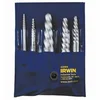 |
IRWIN Spiral Flute Screw Extractor Set (6-Piece)
|
As an Amazon Associate we earn from qualifying purchases.
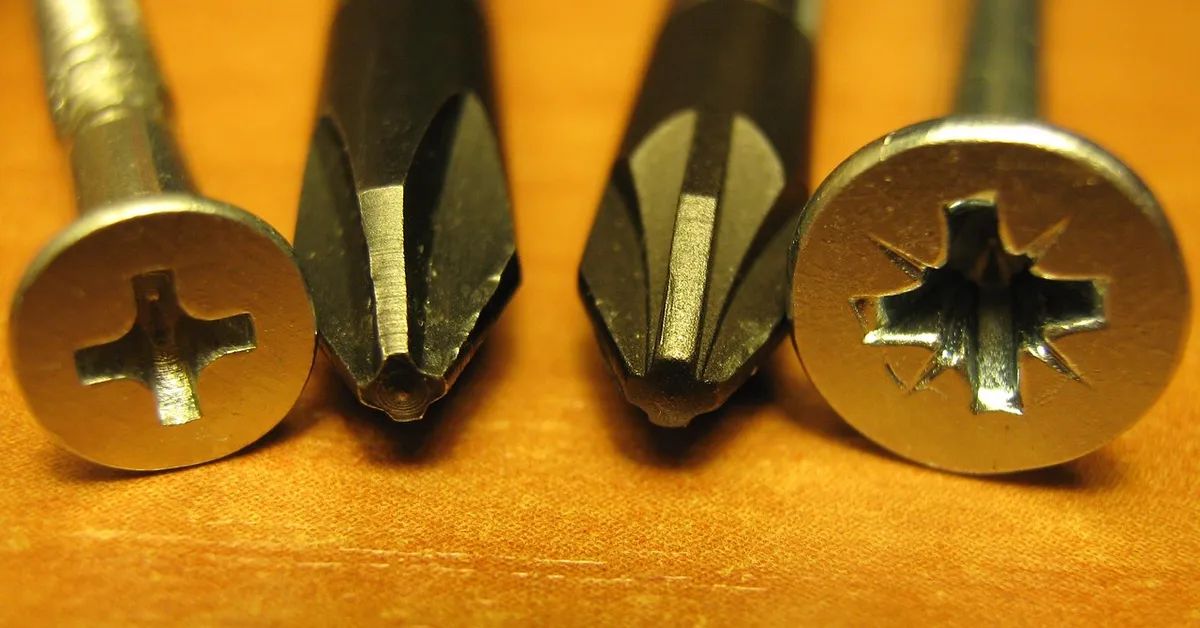
A screw head strips when the driver bit slips out of the recess (cam-out) before the screw seats, rounding the edges of the Phillips or slotted groove. It happens most often with three setups: a worn or wrong-size bit, a drill set to too much torque without a pilot hole, or a Phillips-head screw driven at an angle. Phillips heads are actually designed to cam out under excess torque, a safety feature borrowed from the automotive assembly line, which is exactly why they strip more often than square-drive or Torx screws in cabinet and furniture work. Drilling a pilot hole and a countersink first, so the head seats without being forced, prevents most of it; see what it means to countersink a screw for how that works.
Choose Your Method Based on the Screw
Most guides list every method with no order of operations. In practice, which one to try first depends on how much of the screw head is still exposed and whether you’re working on finished wood you don’t want to mark up.
| Screw Condition | Try This First | Best For |
|---|---|---|
| Slightly rounded, head above surface | Rubber band trick | Finished furniture, no marks left |
| Head exposed, badly rounded | Locking pliers | Framing, decking, unfinished lumber |
| Smooth-worn recess, rubber band slips | Steel wool + screwdriver | Soft-metal or brass screws |
| Flush or below the surface | Hammer-tap new slot | Soft steel screws only |
| Nothing above works | Hand screw extractor kit | Any material, worth the small drill step |
If the Free Tricks Don’t Work: A Screw Extractor Kit
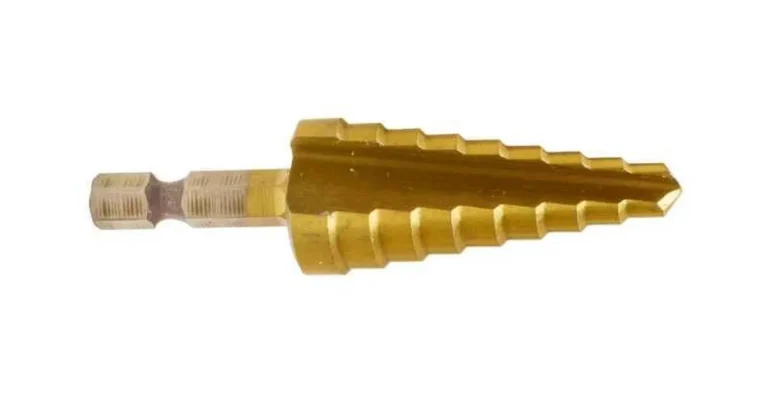
A hand screw extractor kit is the fallback once the hand-tool tricks below stop biting. Most kits pair a left-hand drill bit (which can back the screw out on its own while drilling) with a reverse-threaded extractor that bites deeper as you turn it. It’s a small step up from fully tool-free, but it’s still far less invasive than drilling the screw out entirely.
Method 1: The Rubber Band Trick
This is the fastest fix and the one to try first on any finished furniture, since it leaves no marks. A wide rubber band fills the worn-out grooves in the screw head, giving the driver bit something to grip again.
- Cut or find a wide rubber band: A flat band cut from a bicycle inner tube or a wide office rubber band works better than a thin one.
- Lay it flat over the screw head: Cover the entire recess, not just the center.
- Press the screwdriver through the band: Push firmly so the tip seats fully into the stripped recess.
- Turn slowly and steadily: Apply steady downward pressure while turning counterclockwise, the rubber grabs the worn grooves as it compresses.
Method 2: Locking Pliers
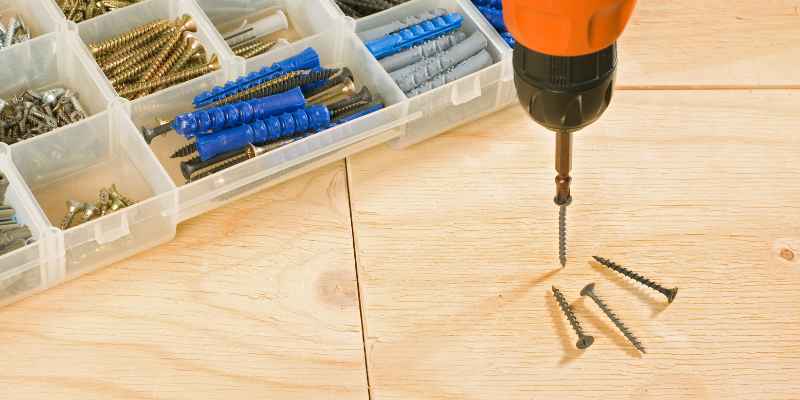
If part of the screw head still sits above the wood surface, locking pliers (vise-grips) can clamp directly onto the sides of the head and turn it without needing the driver slot at all.
- Set the jaw width: Adjust the locking pliers so the jaws close just past the screw head’s diameter.
- Clamp firmly on the head: Squeeze the handles until the jaws lock onto the exposed sides.
- Rock and twist: Gently rock the pliers side to side while turning counterclockwise to break the screw loose.
Method 3: Steel Wool for Extra Bite
Steel wool works on screws where the recess has worn too smooth for a rubber band to catch. The loose fibers wedge between the driver bit and the metal, adding just enough friction to turn the screw.
- Pull a small wad from a steel wool pad: A pinch about the size of a pea is enough, too much and the bit won’t seat.
- Press it into the stripped recess: Push the fibers down into the worn grooves.
- Seat the screwdriver through the wool: Turn slowly, letting the fibers catch as you go.
Safety note: Wear gloves, loose steel wool fibers are sharp and can splinter into skin.
Method 4: Hammer-Tap a New Slot
For screws made of softer steel, a few careful hammer taps can cut a fresh slot into the head for a flathead screwdriver to catch.
- Choose a flathead screwdriver: Pick one slightly narrower than the screw head’s diameter.
- Position the tip across the head: Set it at a slight angle where you want the new slot.
- Tap firmly with a hammer: Use short, controlled taps to drive a shallow groove into the metal, don’t strike hard enough to bend the screwdriver.
- Turn counterclockwise: Once the slot is deep enough to hold the tip, turn steadily to back the screw out.
This method only works on screws softer than the screwdriver tip. Hardened deck screws and structural screws will chip the tip instead of cutting a slot, skip straight to an extractor kit for those.
Method 5: Abrasive Powder for Extra Friction
Valve-grinding compound or coarse abrasive powder works similarly to steel wool, the grit fills the gap between the bit and the worn recess.
- Sprinkle a small amount of abrasive powder or valve-grinding paste directly into the stripped recess.
- Seat the screwdriver firmly into the head.
- Apply steady downward pressure while turning, the grit increases friction between the bit and the metal.
Protecting the Wood While You Work
On finished furniture or trim, the bigger risk usually isn’t the screw, it’s the wood around it. Locking pliers and hammer-tapping can both mar or dent the surrounding surface if you’re not careful. Slide a thin scrap of cardboard or a plastic putty knife under the pliers’ jaws before clamping down, and back a hammer-tap attempt with a block of scrap wood pressed against the surface to absorb stray impacts. If the screw hole ends up enlarged after removal, pack it with wood glue and toothpicks or matchsticks, let it cure, then trim flush before redriving a screw, this restores enough bite for the threads to hold in softwoods.
If the screw has already snapped off rather than just stripped, hand-tool tricks won’t help, see our guide on removing a broken wood screw for extraction methods built for a sheared shank. And if none of the free methods above work and you decide a dedicated extractor is worth buying, our screw extractor comparison breaks down which sets are worth the money.
Eye Protection and Heat: Two Safety Notes
Wear safety glasses. Hammer-tapping a new slot, a slipping pair of pliers, and a hardened extractor that snaps can all throw small metal fragments toward your face. Wear gloves too when you handle loose steel wool, since the fibers are sharp.
Heat is a last resort, and it will not fix a rounded head. Heat only helps when rust or old glue is holding the threads, and even then it risks scorching the surrounding wood or finish. Keep any flame or hot tool well away from penetrating oil, solvents, finishes, and sawdust, which can ignite. If the head itself is the problem, heat does nothing: go back to the rubber band, pliers, or an extractor.
Common Mistakes That Make a Stripped Screw Worse
- Using the wrong screwdriver size: A bit that’s too small or too large accelerates stripping, always match the driver to the recess before applying force.
- Skipping the pilot hole or picking the wrong screw on the original install: Driving into wood without a pilot hole, or using a screw not suited to the job, is a common cause of cam-out and stripped heads. Our guide to what screws to use for cabinets covers the right choices for furniture-grade work.
- Forcing an impact driver on a stripped head: The extra torque can shear the head off entirely, turning a stripped screw into a broken one.
- Drilling off-center when using an extractor: An off-center pilot hole weakens the extractor’s grip and raises the odds it snaps inside the screw.
These same principles apply to small stripped screws in hardware and hinges, and to general stuck-screw removal where corrosion rather than a stripped head is the problem. Both fall under our broader drilling and fastening guides.
Frequently Asked Questions
How do you remove a screw with a stripped head by hand?
Start with a wide rubber band pressed between the screwdriver tip and the stripped head, it fills the worn grooves and restores grip on most Phillips and slotted screws. If part of the head is still exposed, locking pliers can grip the sides directly instead.
What is the fastest way to remove a stripped screw?
The rubber band trick is fastest for most stripped wood screws, it takes under a minute and needs no extra tools beyond a screwdriver and a rubber band. Locking pliers are just as fast when enough of the head is exposed to clamp onto.
Will WD-40 or penetrating oil help remove a stripped screw?
Penetrating oil helps when a screw is stuck from rust or corrosion, not when the head itself is stripped. Let it soak into the threads for 5 to 10 minutes before trying a grip method, it won’t fix a rounded-out head on its own, but it reduces the resistance you’re fighting against.
Can you fix a stripped screw hole in wood after removal?
Yes. Pack the enlarged hole with wood glue and wooden toothpicks or matchsticks, let the glue cure fully, then trim the excess flush with a utility knife. This gives fresh wood fiber for the screw threads to bite into when you redrive it.
Do screw extractor kits work on wood screws?
Yes, but they require drilling a small pilot hole into the screw head first, which the fully tool-free methods above avoid. Save an extractor kit for screws where the rubber band, pliers, and steel wool tricks have all failed.
Conclusion
Most stripped screws come out with a rubber band or a firm pair of locking pliers, no drill required. Save steel wool and hammer-tapping for recesses too worn for those two, and reach for a hand screw extractor kit only once the free methods have genuinely failed. Whatever method you use, protect the surrounding wood with a scrap block or cardboard shim, since a marked-up surface is often more work to fix than the screw itself.
Sponsored / affiliate links. As an Amazon Associate I earn from qualifying purchases. I may earn additional commission from eligible campaigns.