How Much Does It Cost To Drill A Water Well?
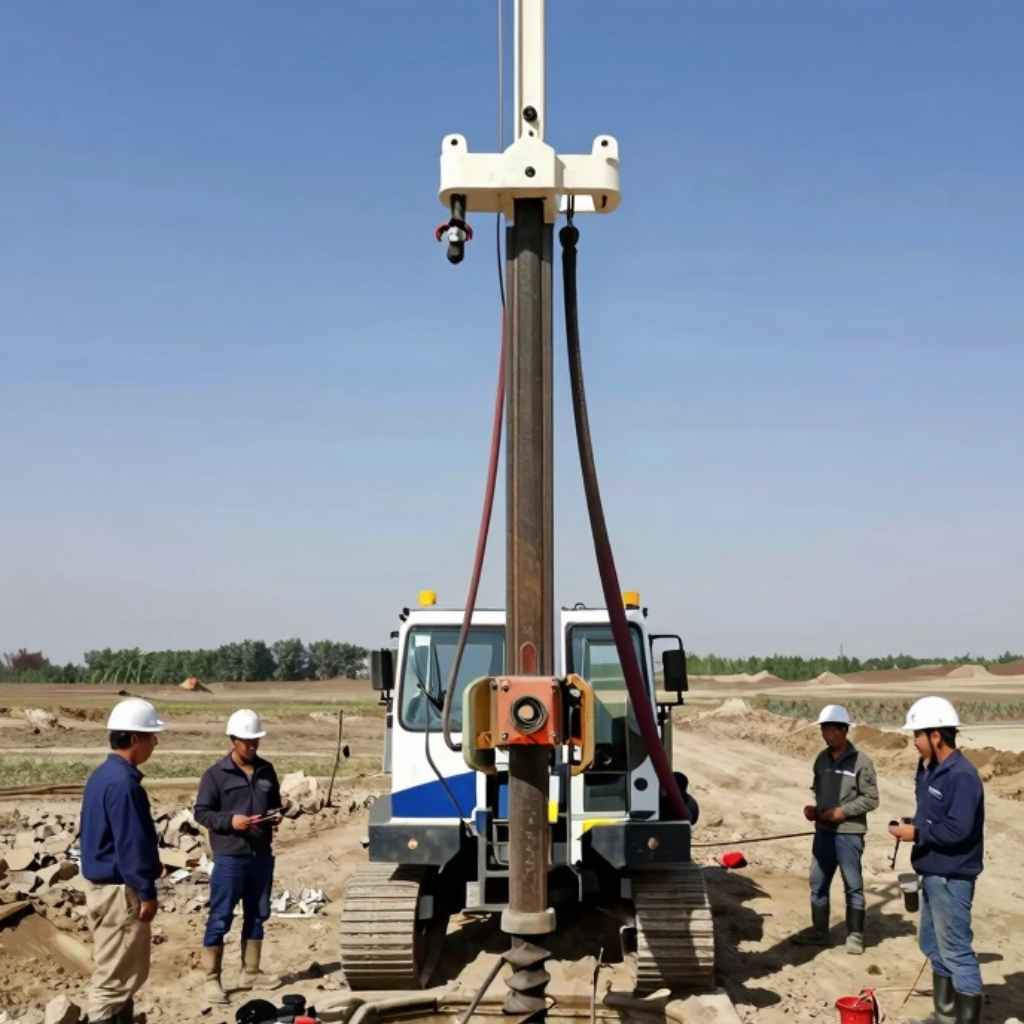
The average cost to drill a water well in the U.S. ranges from $6,000 to $15,000. This price can change a lot based on depth, geology, and your location. It includes drilling, casing, and basic pump installation. Deeper wells and difficult ground conditions cost more.
Understanding Water Well Drilling Costs
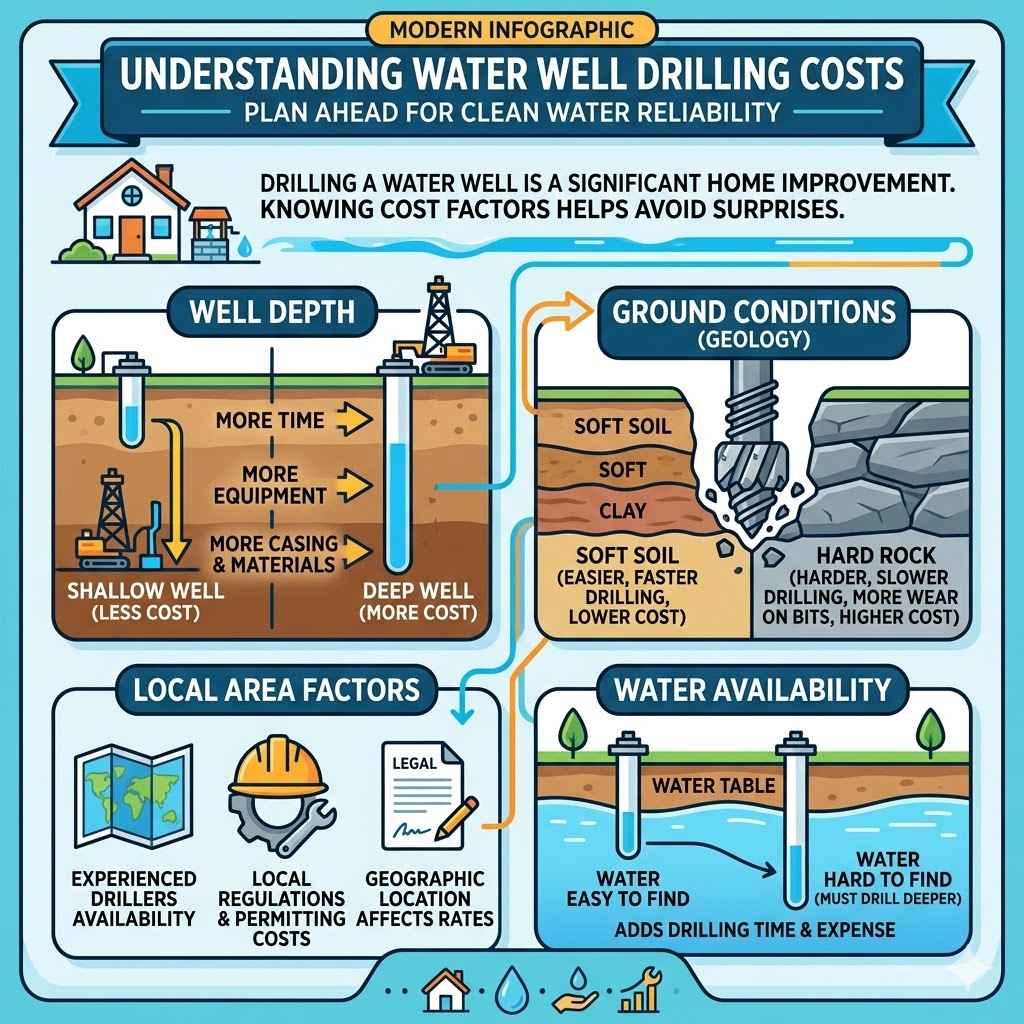
Drilling a water well is a significant home improvement. The total price tag can feel high at first. But it’s important to know what you’re paying for.
Several things affect how much you’ll spend. Thinking about these costs early helps you plan better. You can avoid surprises down the road.
This is about getting clean water reliably.
The main reason for cost differences is well depth. Deeper wells need more time and more equipment. They also use more materials like casing.
The type of ground you’re drilling through matters a lot too. Hard rock is harder to drill than soft soil. This takes more time and can wear out drill bits faster.
So, each well is a bit of a unique project.
Your local area plays a role in the price. Some places have more experienced drillers. Some areas might have local regulations that add costs.
The availability of water is also a factor. If water is hard to find, the driller might have to go deeper. This increases the drilling time and expense.
Factors That Impact Your Water Well Cost
Many things can change the final bill for your new well. It’s not just one flat rate. Think of it like building a house.
The size, materials, and location all make a difference. For a water well, we look at depth, ground type, and equipment needed.
Well Depth
This is often the biggest cost driver. Most wells are drilled to find water in the ground. This water is often in underground layers of rock or sand.
The depth needed can vary wildly. Some areas might have water just 50 feet down. Others might need to go 300 feet or even more.
The deeper you go, the more time the drilling rig is running. Each foot of drilling costs money. Drillers often charge by the foot.
This price per foot can also go up as you get deeper. They use more power and have to pull the drill string up and down more. This adds wear and tear on their machines.
Geology and Ground Conditions
What’s under the surface is crucial. Soft soil or sand is easy to drill through. It’s like digging with a shovel.
But if there’s a lot of solid rock, it’s a different story. Drillers need special bits for rock. Drilling through hard rock takes much longer.
Sometimes, you hit layers of clay or gravel. These can be tricky. They might cause the hole to collapse.
The driller needs to install casing faster in these areas. Casing is the pipe that lines the well. This prevents dirt and rocks from falling in.
Dealing with unstable ground adds complexity and cost.
I remember a job where we hit a granite layer unexpectedly. The drill bit slowed way down. The driller had to switch to a rock bit.
This added a whole day to the drilling time. That extra day meant more fuel, more labor, and more wear on the drill. It definitely increased the final bill for the homeowner.
Casing Material and Diameter
The casing is the pipe that goes down the hole. It keeps the well walls from caving in. It also stops surface water from getting into your clean water supply.
Most commonly, this is steel or PVC pipe. Steel is stronger but costs more. PVC is cheaper and doesn’t rust.
The diameter of the casing matters too. A wider casing allows for more water flow. It can also fit larger pumps.
Standard diameters are often 4 or 6 inches. A 6-inch well will use more material than a 4-inch well. This means a higher material cost.
It also might mean a bigger, more powerful pump is needed.
In some areas, they use thicker casing. This is for wells in areas with unstable soil. Or if there’s a chance of contamination from shallow ground.
This extra thickness adds to the material cost. It also makes the casing heavier to install.
Pump and Pumping System
The well itself is just the hole. You need a pump to bring the water to your house. The type and size of pump depend on how deep your well is and how much water you need.
A simple submersible pump is common for most homes.
The cost of the pump and its installation is a big part of the overall price. A basic pump might cost $500 to $1,500. A more powerful or specialized pump can cost much more.
The pump needs to be strong enough to push water up from the bottom of the well.
You also need a pressure tank. This stores water and keeps pressure in your pipes. It’s like a small water reserve.
The size of the pressure tank adds to the cost. Then there’s wiring and piping to connect the pump to your home’s water system. All these pieces add up.
Water Quality Testing
Once the water is in, you’ll want to test it. This is really important. You need to know if it’s safe to drink.
Testing checks for bacteria, minerals, and other contaminants. The cost for testing can range from $100 to $500.
If the test shows problems, you might need a water treatment system. This could be a filter, a softener, or a UV sterilizer. These systems add significant cost.
A basic water filter might be a few hundred dollars. A whole-house treatment system can cost thousands.
Permits and Regulations
Many areas require permits to drill a water well. Local governments want to make sure wells are drilled safely. They also track water resources.
The cost of permits varies by county or state. It could be anywhere from $50 to $300 or more. Sometimes, there are inspection fees too.
These rules also ensure wells are drilled to a certain depth. Or that they are a certain distance from septic systems. This is for public health and safety.
Following these rules is part of the overall project cost. Ignoring them can lead to fines or having to re-drill.
Location and Accessibility
Where your property is located matters. If the drill site is hard to get to, it costs more. The drilling company might need special equipment to reach the spot.
Or they might have to take extra time to set up. Difficult terrain means more effort.
Think about the distance from the road. Is it a long, winding drive? Is the ground very hilly or rocky?
Are there power lines or trees that make it hard for the rig to operate? All these things add to the logistical challenge. And challenges usually mean higher costs.
I recall one job where the only access to the drilling site was a narrow path through dense woods. The drill rig was huge. It took days just to clear enough trees and widen the path.
The extra labor and time definitely bumped up the price. It’s a good reminder that the location itself is a factor.
Drilling Company and Experience
The company you choose will impact the price. More experienced companies might charge more. But they often do a better job.
They have the right tools and know-how. They are less likely to run into problems. This can save you money in the long run.
Cheaper bids might seem appealing. But they could hide hidden costs. Or the quality of work might be lower.
It’s good to get quotes from a few different companies. Ask for references. Check their licensing and insurance.
A reputable company is worth the investment.
Average Costs by Well Depth
Shallow Wells (Less than 100 feet): These are less common for homes. They can cost between $2,000 and $5,000. They often have lower water volume and can be more prone to surface contamination.
Medium Wells (100-250 feet): This is a common range. Costs usually fall between $5,000 and $10,000. This depth often hits a reliable water table.
Deep Wells (250-500 feet): Prices here can range from $8,000 to $15,000 or more. Deeper wells provide more stable water supply but are more expensive to drill.
Very Deep Wells (Over 500 feet): These are rare for single homes. Costs can easily exceed $15,000 and go up significantly depending on depth and geology.
Breakdown of Well Drilling Expenses
When you get a quote, it’s usually a total price. But it’s made up of several smaller costs. Knowing these parts helps you understand where your money is going.
It also helps when comparing different bids.
Drilling Labor and Equipment
This is the core of the cost. It includes the time the drilling crew spends on your property. It also covers the wear and tear on their specialized drilling rigs.
These machines are expensive to buy and maintain. So, their use is factored into the price.
The daily rate for a drilling crew can be high. This covers their wages, benefits, and the operation of the rig. If drilling takes longer than expected due to tough ground, this cost goes up.
It’s often charged by the day or by the hour.
Materials Used
This includes the casing pipe. It also includes the screen at the bottom of the well. The screen allows water in but keeps out sand and gravel.
Sometimes, gravel pack is added around the screen. This helps filter the water and keep the well stable.
Don’t forget things like the well cap. This seals the top of the well. It keeps out debris and animals.
Any sealants or grouting used to secure the casing also add to material costs.
Pump and Accessories
As mentioned, the pump is a separate, often significant, cost. This includes the pump itself, the wire to power it, and the pipe that carries the water up. You also need a pitless adapter.
This is a special fitting that connects the well pipe to your house line below the frost line.
The control box for the pump and the pressure tank are also key accessories. These are essential for the system to work. Their quality and size affect the price.
Site Preparation and Restoration
Before drilling can start, the area needs to be ready. This might mean clearing brush or leveling ground. After drilling, the site needs to be cleaned up.
Soil that was dug out needs to be removed or spread. They will fill in any holes not needed for the well head.
This preparation and cleanup work adds to the total cost. It ensures the site is safe and tidy. Some companies include this in their main bid.
Others might itemize it as a separate charge.
Cost Comparison: DIY vs. Professional
DIY Approach: Renting small drilling equipment is sometimes an option for very shallow wells. This might save on labor but requires significant skill, time, and physical effort. The risk of mistakes and poor results is high.
It’s rarely cost-effective for typical home wells.
Professional Drilling: This is the standard for a reason. Professional drillers have specialized equipment, expertise, and knowledge of local geology. They handle permits, ensure safety, and offer warranties.
While more expensive upfront, it leads to a reliable, long-lasting water source.
Real-World Scenarios and Costs
Let’s look at a few examples to paint a clearer picture. These are based on real situations. They show how different factors lead to different prices.
Scenario 1: The Suburban Home
A new home is being built on the edge of a town. The property has good access. Soil tests show it’s mostly clay with some sand.
Water is found at about 150 feet.
This well is relatively straightforward. The drilling is not too difficult. The depth is moderate.
A standard 4-inch steel casing is used. A 1/2 horsepower submersible pump is installed. The total cost might be around $7,000 to $10,000.
Scenario 2: The Rural Property with Rocky Terrain
A family buys a property deep in the country. The terrain is hilly and covered in large rocks. The nearest road is a mile away.
Drilling needs to happen far from power lines.
Here, accessing the site is a challenge. They hit hard granite at 100 feet. Drilling has to go to 350 feet to find a good water source.
They need a larger diameter casing and a stronger pump. This job could easily cost $12,000 to $18,000 or more.
Scenario 3: The Well Needing Treatment
A homeowner in an older rural area drills a well. The water table is at 200 feet. The drilling is easy.
However, water tests reveal high levels of iron and manganese.
The well itself might cost $6,000 to $9,000. But then, they need a treatment system. A good iron filter and a water softener can add another $2,000 to $5,000.
The total cost jumps significantly due to the water quality.
Quick Scan: Cost Components Breakdown
| Drilling Labor | 40-50% |
| Materials (Casing, Screen) | 20-25% |
| Pump & Accessories | 20-30% |
| Permits & Testing | 2-5% |
| Site Prep/Restoration | 2-5% |
What This Means for Your Budget
Knowing these costs helps you prepare. You can get a better estimate for your specific situation. It’s wise to aim for a bit more than the lowest estimate you get.
Having a buffer is always a good idea for big projects.
When is it Worth It?
If you live far from municipal water lines, a well is often the best choice. It gives you independence. You control your water source.
While the upfront cost is high, you avoid monthly water bills. Over many years, this can save you money. It also provides water during power outages if you have a generator or solar setup.
When to Be Cautious
If your property is close to a public water main, consider the connection cost. Sometimes, connecting to the town supply is cheaper than drilling a new well. Also, if local geology is known to be very difficult or water is extremely scarce, the drilling cost could be prohibitively high.
Simple Checks Before You Start
Before you even call a driller, do some research. Look at maps of your area. Are there other wells nearby?
Talk to neighbors about their experiences and costs. Check with your local planning or health department. They might have information on typical well depths and any regulations.
Budgeting Tips for Your Well Project
Get Multiple Quotes: Always get at least three bids from reputable well drillers. Compare not just the price, but what’s included.
Ask About Extras: Clarify what isn’t included. Are permits, water testing, or pump installation extra?
Factor in Contingency: Add 10-20% to your best estimate for unexpected issues.
Look at Long-Term Costs: Consider the pump’s energy efficiency and the cost of water treatment.
Quick Tips for Managing Costs
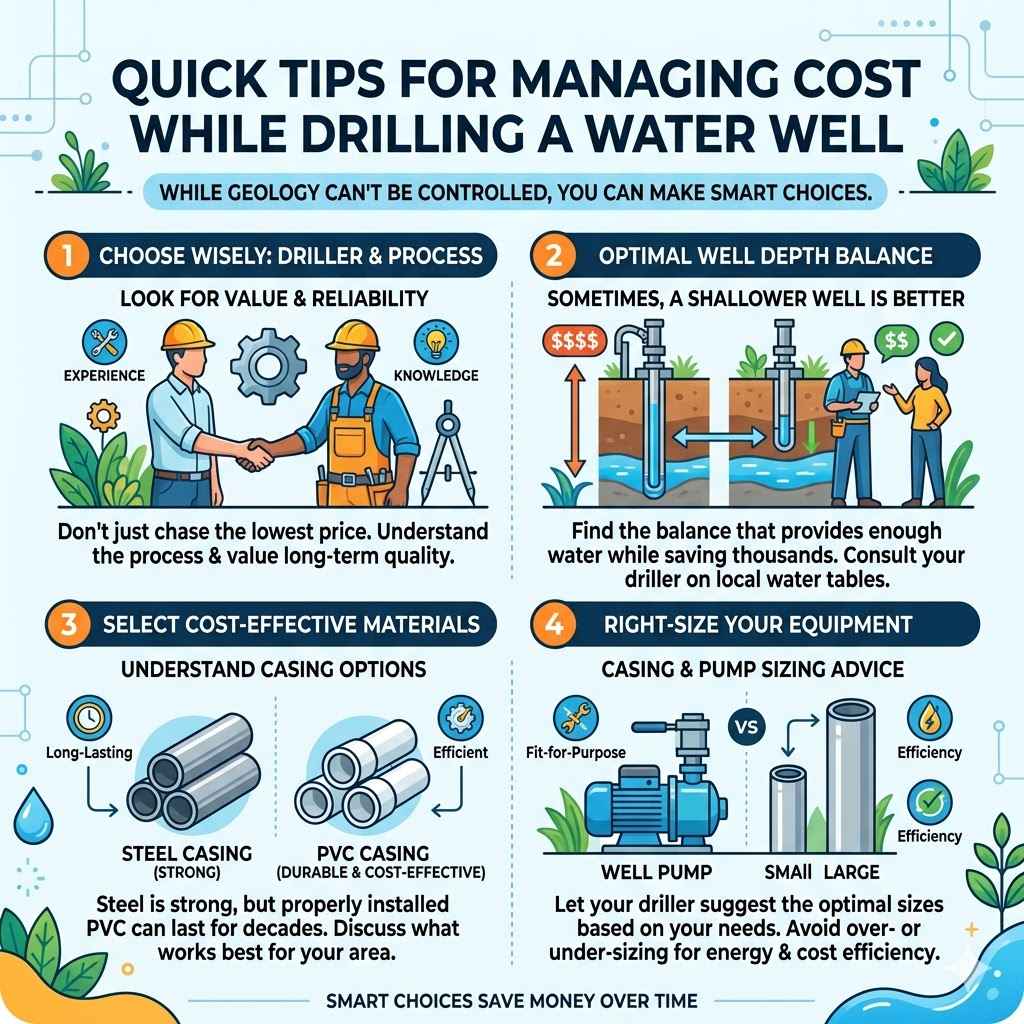
While you can’t control geology, you can make smart choices. Choosing the right driller and understanding the process helps. Don’t just chase the lowest price.
Look for value and reliability.
Sometimes, a slightly shallower well that still provides enough water can save thousands. Work with the driller to find the best balance. They can advise on the optimal depth based on local water tables.
They can also suggest the most cost-effective casing and pump sizes for your needs.
Consider the materials. While steel casing is strong, a properly installed PVC casing can last for decades. Discuss these options with your driller.
They know what works best in your area.
Frequently Asked Questions About Well Drilling Costs
What is the most common cost for a residential water well?
The most common cost for a standard residential water well in the U.S. falls between $6,000 and $15,000. This range covers drilling, casing, and a basic pump setup for wells of average depth in typical ground conditions.
Does the cost include the pump installation?
Yes, most quotes for drilling a water well will include the cost of a standard submersible pump and its basic installation. However, it’s crucial to confirm this when getting bids. Some drillers might quote for the drilling only, with the pump as an additional cost.
How much does it cost to drill an extra foot of well?
The cost per foot for drilling a water well typically ranges from $15 to $50. This rate can increase significantly for deeper wells or when encountering difficult geological layers like hard rock.
Can I reduce the cost by choosing a smaller diameter well?
Yes, opting for a smaller diameter well (e.g., 4-inch instead of 6-inch casing) can reduce costs. It uses less material. However, a smaller well might limit pump options and water flow rate.
Discuss your water needs with the driller to ensure a smaller diameter is suitable.
Are there hidden costs I should watch out for?
Yes, potential hidden costs include unexpected geological challenges (like hitting hard rock), the need for extra casing due to unstable ground, special permits, or extensive water treatment systems if the water quality is poor. Always get a detailed breakdown of what’s included and ask about potential extras.
How long does a water well last?
A properly drilled and maintained water well can last for many decades, often 50 years or more. The lifespan depends on the materials used, the geology, water quality, and regular maintenance. The pump system, however, typically needs replacement every 10-15 years.
Is drilling a well more expensive in winter?
Drilling can sometimes be more expensive in winter. This is because access to remote sites might be more difficult due to snow or frozen ground. Also, drillers might have higher operating costs for fuel to keep equipment running in cold weather.
However, some drillers offer off-season discounts.
Conclusion
Drilling a water well is an investment. The cost depends on many factors. Depth, ground conditions, and equipment are key.
Research your area and get multiple quotes. A reliable water source is worth the effort and expense. Plan carefully, and you’ll have good water for years to come.
Sponsored / affiliate links. As an Amazon Associate I earn from qualifying purchases. I may earn additional commission from eligible campaigns.