Best Sharpening Stone for Carving Tools: Buyer’s Guide
For carving knives, start with a medium water stone around the 1000-grit range; for gouges and V-tools, choose shaped slips or small diamond files that match the profile, then finish on a finer grit range. Use the wrong stone or grit, and you round over edges, leave scratches that drag in the cut, or chip brittle tips. This guide matches stone type and grit progression to knives, gouges, and V-tools, based on edge damage and tool shape.
This guide is part of our Wood carving ideas for beginners series.
Match Stone Grit and Shape to Your Carving Tools


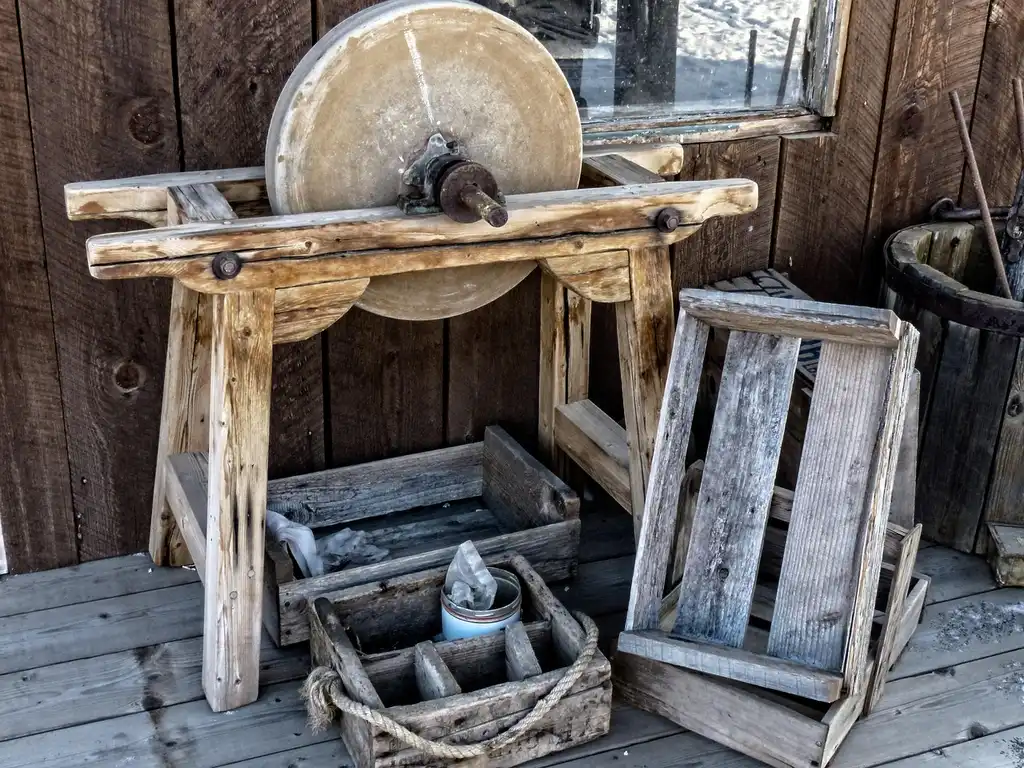
The best Best Sharpening Stone for Carving Tools is the one that fits the tool’s geometry and the edge problem you need to solve. For light honing, a combination whetstone is enough; for damaged edges, start coarser; for curved gouges and V-tools, use shaped abrasives that follow the profile.
Match the stone to the tool shape and damage level
A flat bench stone works well for carving knives and many straight chisels. A curved gouge needs attention along the curve, because the bevel must stay consistent from heel to toe. A V-tool needs a razor-sharp point for tight lines, so the inside apex matters as much as the outer bevel.
Choose grit progression before you choose a brand
Pick grit progression first, then compare brands. Lower grit numbers like 400 or 600 are coarse and remove metal quickly. Higher grit numbers like 3000 or 6000 are fine and polish the edge. Move through the grits in order, or the fine stone will waste time erasing coarse scratches.
When a single combination stone is enough
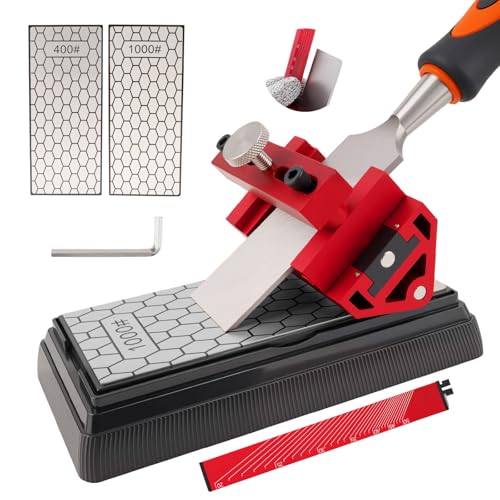
A combination whetstone is the most practical starter option when your tools are only slightly dull and you want sharpening plus polishing in one block. A two-sided stone such as the KING KW65 1000/6000 grit combination whetstone is a budget-conscious starting point. It still needs the right care, including soaking or flattening depending on the stone type.
📊 It describes the Norton Crystolon stone as coarse/fine and 4 inches in diameter. Source: Best Sharpening Stones for Wood Carving (2026).
How do you know a carving tool needs sharpening?
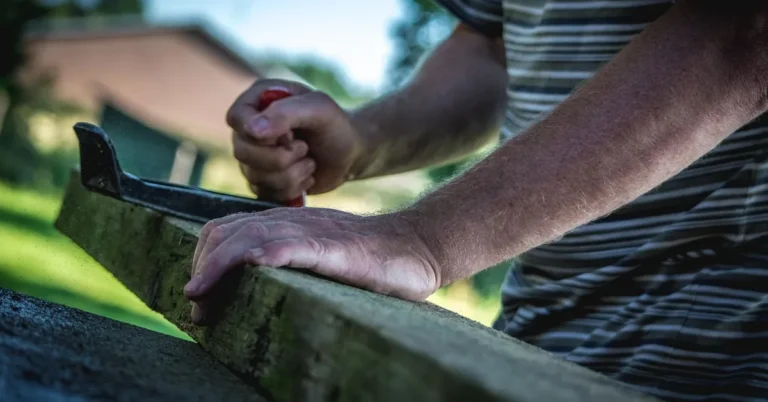
A carving tool is dull enough to sharpen when it needs more force, starts tearing fibers, slips more easily, or loses control in the cut. A dull chisel requires significantly more force and increases slip risk. The same signs show up on knives, gouges, and V-tools, though the failure looks different on each edge.
Common dull-edge signs on knives, chisels, gouges, and V-tools
Knives leave fuzzy cuts instead of clean slices. Chisels push harder and may skate on end grain. Gouges chatter or leave ragged channels when the edge no longer shears cleanly. A V-tool stops making crisp lines and begins crushing the point of the groove instead of defining it.
How edge damage changes the stone you should start with
If the edge is only tired, start at medium grit. If it is rolled, nicked, or badly worn, begin with a coarse stone or a fast-cutting abrasive. The wrong starting point wastes time; the right one restores the bevel without grinding away more steel than needed.
Say your chip carving knife starts requiring two hands to finish a cut in basswood. That is not a polishing problem. Start with a medium stone first, then move finer only after the edge cuts without pressure.
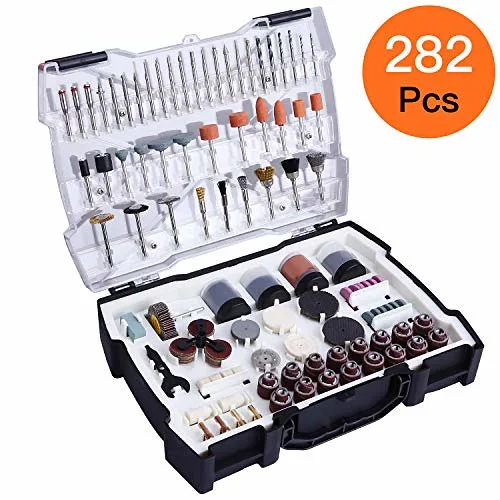
Which stone type works best for carving tools?
Different stone types solve different problems. Combination whetstones suit general sharpening, silicon carbide cuts fast for repair, diamond stones are low-maintenance and fast-cutting, and sharpening systems use jigs for precision. The right choice depends on how much steel you need to remove, how often you sharpen, and how much repeatability you want.
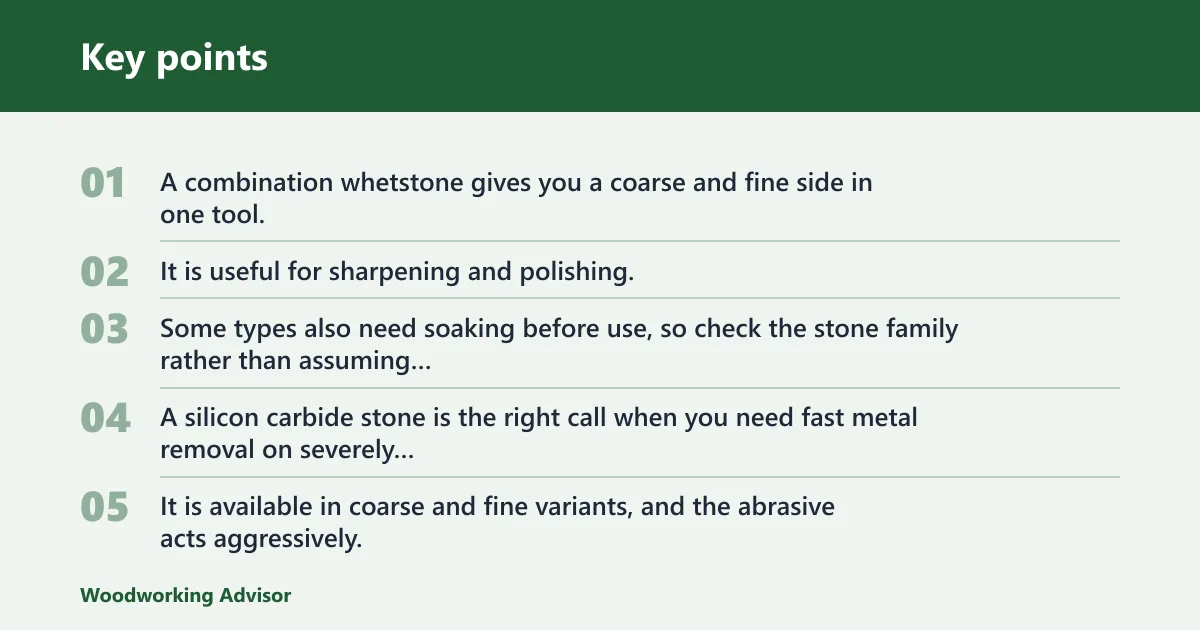
Combination whetstone: starter-friendly dual grit setup
A combination whetstone gives you a coarse and fine side in one tool, which makes it a budget-friendly starter option. It is useful for sharpening and polishing, but many water stones need flattening over time. Some types also need soaking before use, so check the stone family rather than assuming the same prep for every block.
Silicon carbide stone: fast repair for badly worn edges
A silicon carbide stone is the right call when you need fast metal removal on severely dull tools. It is available in coarse and fine variants, and the abrasive acts aggressively. That makes it useful for restoring neglected edges, but it also means you should move on once the bevel is re-established.
Diamond stone: low-maintenance speed for frequent touch-ups
A diamond stone is a low-maintenance, fast-cutting option that suits carvers who sharpen often and want a stone that stays ready. It often comes with fine and coarse sides. Because the cutting surface is fixed abrasive rather than a loose slurry stone, it does not require the same flattening routine as water stones.
Water stone and sharpening system: where they fit in a serious workflow
Water stones fit well when you want controlled honing and a smooth finish, especially on carving knives and straight edges. A sharpening system is different: it uses jigs for edge tools, costs more, and favors precision. The Tormek T-4 Magnum Kit is framed for serious beginners willing to invest in lifetime precision.
How should you sharpen curved gouges and V-tools?
Sharpen curved gouges and V-tools by matching the abrasive to the profile, not by treating the tool like a flat blade. A gouge requires a consistent curve along its entire length, and a flat stone can create a flat spot on a gouge bevel. A V-tool needs a point kept sharp and centered.
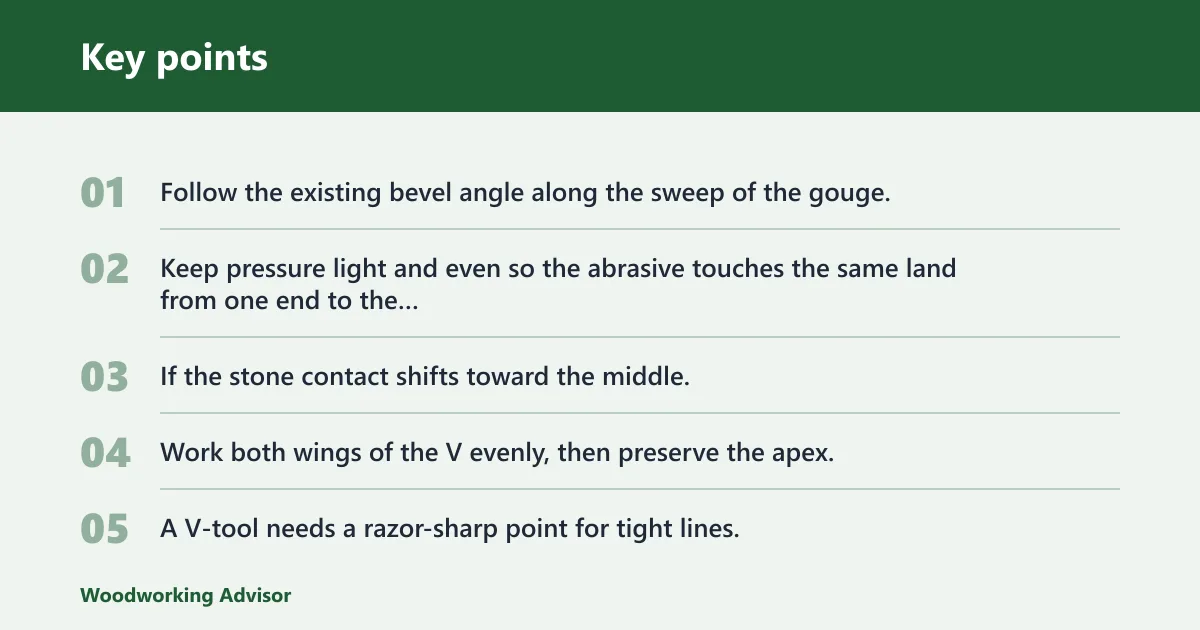
Keeping a consistent bevel on a curved gouge
Follow the existing bevel angle along the sweep of the gouge. Keep pressure light and even so the abrasive touches the same land from one end to the other. If the stone contact shifts toward the middle, the curve becomes uneven and the gouge stops cutting cleanly.
Protecting the point on a V-tool
Work both wings of the V evenly, then preserve the apex. A V-tool needs a razor-sharp point for tight lines. If the inside corner rounds off, the tool starts bruising detail work instead of incising it. Small diamond files or shaped slips are often better than a flat bench stone here.
Why flat-stone habits cause edge damage
Flat-stone habits create flat spots on curved tools and round over the point on V-tools. That happens because the contact area does not match the geometry. The edge may feel sharp on the bench, but it fails in the cut because the actual working shape has changed.
Picture a 1/4-inch gouge used for relief carving. If you lay the whole edge flat on a bench stone, the center can wear faster than the sides, and the cut turns uneven. Matching the abrasive to the curve avoids that failure.
What grit sharpening stone should I start with?
Start with the coarsest grit that removes the damage, then move up in sequence. For routine carving maintenance, a medium stone is often enough. For chips, rolls, or neglected edges, begin coarse. The key is not the number alone, but whether the stone matches the work needed to reset the bevel cleanly.
Coarse, medium, and fine grit ranges for carving work
Coarse stones, roughly in the 400 to 600 grit range, are typically used for repair and heavier stock removal. Medium stones, roughly around the 1000-grit range, are often the go-to for forming and sharpening. Fine stones around 3000 or 6000 refine the edge and improve cut quality. Skipping straight from coarse to fine leaves deeper scratches under the polish.
Starter workflow for a dull edge
- Start with the coarsest stone that removes the defect.
- Re-establish the bevel angle until the edge cuts evenly.
- Move to medium grit and remove the coarse scratches.
- Finish on a fine stone to refine the edge.
- Test the tool on scrap wood before returning to detail work.
Upgrade path from one stone to a fuller setup
A practical upgrade path begins with one combination stone, then adds a coarse repair stone and a finer finishing stone. For carving work, that usually means a starter block, a faster repair option such as silicon carbide or diamond, and then a dedicated fine finisher for point preservation and smoother slicing.
How do stone shape, size, and maintenance affect carving results?
Stone shape and size matter because small carving tools need smaller contact surfaces and better control over the bevel. Maintenance matters because a dirty or out-of-flat stone changes the edge you create. Water stones may need flattening and soaking, while diamond plates mainly need cleaning to keep cutting consistently.
Why small tools need smaller contact surfaces
Tiny carving knives and small gouges can be hard to control on a large stone. A smaller slip, slipstone, or compact diamond plate gives you a better match to the edge. That matters especially for whittlers and chip carvers, where the tool tip often does more work than the full blade length.
Flattening water stones and cleaning diamond plates
Water stones wear hollow and should be flattened when needed so the bevel stays true. Diamond plates do not need the same flattening routine, but they do need cleaning so swarf does not clog the abrasive. Clean cutting surfaces keep grit progression predictable and reduce the chance of false sharpening feedback.
Soak, splash, or dry use by stone type
Some water stones require soaking; others are splash-and-go. Diamond stones are typically used dry or with a little water for swarf control. Silicon carbide stones may be used in different formats depending on the product. Follow the stone type, not a one-size-fits-all prep routine.
Stone choice by tool, damage, and budget
This decision table ties tool geometry, edge condition, and budget to a practical starting point. Use it to avoid overspending on precision gear you do not need yet, or underbuying a stone that cannot reach the damage you need to remove. The right category is the one that matches the failure mode first.
| Tool type | Edge damage | Budget | Stone category | Grit range |
|---|---|---|---|---|
| Carving knife | Routine dulling | Low | Combination whetstone | 1000/6000 |
| Straight chisel | Nicked or rolled edge | Low to medium | Silicon carbide stone | 400 to 1000, then fine |
| Curved gouge | Bevel wear along curve | Medium | Diamond slip or shaped slipstone | 600 to 3000 |
| V-tool | Rounded point | Medium to high | Shaped diamond files or sharpening system | 1000 to 8000, with point control |
| Mixed carving kit | Heavy repair and touch-up | Medium | Diamond stone plus combination whetstone | Coarse and fine sides plus 1000/6000 |
Quick recommendations by carving style
- Whittlers: choose a combination whetstone or compact diamond stone for small blades and easy carrying.
- Chip carvers: use a fine water stone for knives and shaped abrasives for V-tools and tight incisions.
- Relief carvers: keep a coarse repair stone available for gouges, then finish with a finer stone.
- Power-carving users: consider a sharpening system if repeatable bevel angles matter more than speed alone.
Frequently asked questions
how to sharpen wood carving tools with a stone
Start by matching the stone to the tool shape and edge damage. Use coarse grit only if the edge is damaged, then move through medium and fine grits in order. Keep the bevel angle consistent, and use shaped abrasives for gouges and V-tools instead of forcing them onto a flat stone.
what stones are good for carving
Good carving stones include combination whetstones for general use, silicon carbide for fast repair, and diamond stones for low-maintenance sharpening. Water stones are useful for controlled honing and polishing. The best choice depends on whether you are fixing damage, maintaining an edge, or preserving a point.
How do I sharpen curved gouges without flattening the bevel?
Use a shaped slip or diamond profile that matches the gouge, and keep pressure even along the entire curve. Do not press the tool flat on a bench stone, because that can create a flat spot on the bevel. The goal is a continuous curve that cuts evenly from end to end.
When is a sharpening system better than a hand stone for carving tools?
A sharpening system is better when you want repeatable bevel angles, especially across a mixed set of tools. It uses jigs for edge tools and costs more than hand stones, so it suits serious beginners or anyone sharpening often. It is especially useful when precision matters more than speed.
What grit sharpening stone should I start with for carving tools?
For most carving tools, start around 1000 grit if the edge is only dull. If the tool is chipped or heavily worn, begin with 400 or 600, then work upward. Finish around 3000 or 6000 when you want a refined edge for cleaner cuts and better point retention.
Sponsored / affiliate links. As an Amazon Associate I earn from qualifying purchases. I may earn additional commission from eligible campaigns.