Best Way to Stain Wood Doors: Ultimate Guide for a Perfect Finish
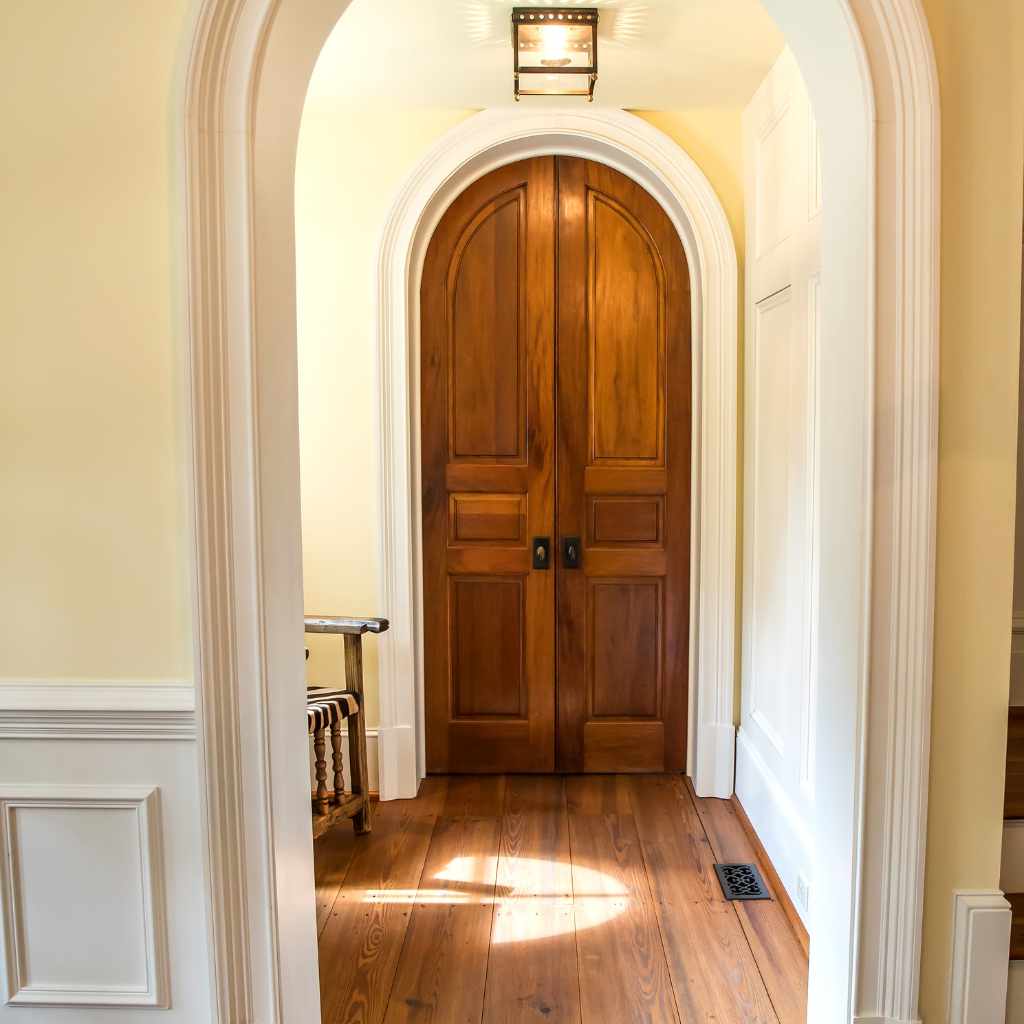
Are you looking to give your wood doors a fresh, stunning look? Staining wood doors is one of the best ways to bring out their natural beauty and protect them at the same time.
But with so many products and techniques out there, how do you know which method is right for you? In this guide, you’ll discover the easiest and most effective way to stain your wood doors, saving you time and effort while achieving professional results.
Keep reading, and you’ll learn simple steps that will transform your doors and boost your home’s charm instantly.
Choosing The Right Wood Door
Choosing the right wood door is the first step to a beautiful finish. Not all wood doors stain the same way. The type of wood and its condition affect the final look. Picking the right door saves time and gives better results. Consider the wood type and the door’s condition before staining.
Types Of Wood Suitable For Staining
Some woods absorb stain better than others. Oak is a popular choice. It has a strong grain that shows well with stain. Maple has a tight grain and can be tricky to stain evenly. Pine is soft and soaks up stain quickly, but may blotch.
Cherry and mahogany have rich colors and take stain beautifully. Walnut offers a dark, elegant finish. Choose hardwoods for a smooth, even stain. Softwoods need special care to avoid blotchy spots.
Assessing Door Condition
Check the door for damage before staining. Cracks, dents, and old finishes affect the look. Sand rough areas to smooth the surface. Remove old paint or varnish completely. Clean the door to remove dirt and grease.
Doors with damage may need repair or replacement. A smooth, clean surface helps the stain soak evenly. Good preparation leads to a long-lasting finish. Avoid staining a door that is warped or cracked badly.
Selecting The Perfect Stain
Choosing the right stain for wood doors is key to a beautiful finish. The perfect stain protects the wood and brings out its natural beauty. It also fits the style of your space. Understanding different stain types and colors helps you pick the best one.
Oil-based Vs Water-based Stains
Oil-based stains soak deep into the wood. They last long and show the grain clearly. These stains are good for doors that face harsh weather. Water-based stains dry faster and have less odor. They clean up easily with soap and water. Water-based stains keep colors bright over time. Both types work well but suit different needs.
Color Options And Effects
Stains come in many colors from light to dark. Light stains keep the wood looking natural. Dark stains add drama and style. You can pick colors that match your home’s decor. Some stains have a glossy finish. Others have a matte look. The finish changes how the door feels and looks. Test colors on a small wood area first.
Considerations For Exterior Vs Interior Doors
Exterior doors need stains that protect from sun and rain. Look for stains with UV protection and water resistance. Interior doors focus more on appearance. Choose stains that highlight the wood grain and color. Some interior stains add a smooth, soft touch. Use the right stain type to keep doors looking good for years.
Essential Tools And Materials
Staining wood doors needs the right tools and materials. These items help you get a smooth, even finish. Prepare well to avoid mistakes and save time. Quality tools make the job easier and the result better.
Brushes, Rags, And Applicators
Choose brushes with natural bristles for oil-based stains. Synthetic brushes work well with water-based stains. Use lint-free rags to wipe off excess stain. Foam applicators help apply stain evenly on flat surfaces. Each tool plays a role in creating a neat finish.
Sandpaper And Preparation Supplies
Start with medium-grit sandpaper to smooth the wood. Finish with fine-grit paper for a polished surface. Clean the door with a tack cloth to remove dust. Proper sanding and cleaning ensure the stain sticks well. Skipping prep can cause blotchy color and rough texture.
Protective Gear
Wear gloves to protect your hands from chemicals. Use safety glasses to shield your eyes from splashes. Work in a well-ventilated area or use a mask for fumes. Safety gear keeps you safe and comfortable during staining. Never ignore safety steps for a worry-free project.
Preparing The Door Surface
Preparing the door surface is a crucial step before staining wood doors. A well-prepared surface helps the stain stick better and look smooth. It also prevents blotches and uneven colors. Take time to clean, sand, and fix the door for the best results.
Cleaning And Removing Old Finish
Start by cleaning the door to remove dust and dirt. Use a mild soap and water solution with a soft cloth. Rinse and let it dry completely. If the door has an old finish, strip it off with a chemical stripper or sand it down. This step clears the surface for the new stain.
Sanding Techniques
Sanding smooths the wood and opens the pores for better stain absorption. Use medium-grit sandpaper first to remove rough spots. Follow with fine-grit sandpaper for a silky finish. Always sand in the direction of the wood grain. Wipe off dust with a tack cloth after sanding.
Filling Imperfections
Check the door for cracks, holes, or dents. Fill these with wood filler using a putty knife. Press the filler firmly and smooth the surface. Let it dry fully, then sand the area flat. Filling imperfections creates an even surface for staining.
Applying The Stain
Applying the stain to wood doors requires care and attention. The right technique ensures a smooth, even finish that enhances the wood’s natural beauty. This section covers key steps to help you apply stain correctly.
Test Staining A Sample Area
Always start by testing the stain on a small, hidden part of the door. This shows how the wood will react to the stain. It helps avoid surprises with color or finish. Use the same tools and method as the main door. Wait for the stain to dry fully before checking the color.
Methods For Even Application
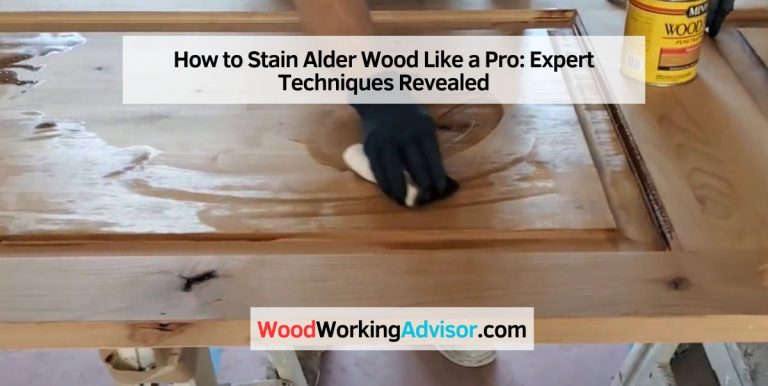
Use a clean, lint-free cloth, brush, or foam applicator for best results. Apply the stain in the direction of the wood grain. Work in small sections to keep the finish consistent. Wipe off extra stain after a few minutes to avoid blotches. Avoid heavy layers; thin coats dry faster and look better.
Drying Times And Conditions
Drying time depends on temperature, humidity, and stain type. Most stains dry in 4 to 6 hours. Keep the door in a well-ventilated, dust-free area. Avoid touching the surface until fully dry. Wait at least 24 hours before applying a second coat or finish.
Sealing And Finishing
Sealing and finishing wood doors is key for a smooth, lasting look. This step protects the wood from moisture, dirt, and wear. It also enhances the stain color and brings out the wood’s natural beauty.
Choosing the right sealer and applying it carefully ensures your door stays beautiful for years. Proper maintenance keeps the finish fresh and strong.
Choosing The Right Sealer
Select a sealer that matches your door’s wood type and location. Oil-based sealers work well for outdoor doors. Water-based sealers dry faster and have less odor. Some sealers add a glossy shine, while others keep a natural look. Pick one that suits your style and needs.
Application Tips For Durability
Apply the sealer in thin, even coats. Use a brush or a cloth for smooth coverage. Let each coat dry fully before adding another. Sand lightly between coats to remove bumps. Avoid thick layers to prevent peeling and cracking. Work in a dust-free space for best results.
Maintenance For Long-lasting Finish
Clean your door regularly with a soft cloth and mild soap. Avoid harsh chemicals that can damage the finish. Check for chips or scratches and touch them up quickly. Reapply sealer every few years to keep the door sealed. Proper care extends the life of your wood door’s beauty.
Common Mistakes To Avoid
Staining wood doors can greatly improve their look. Many make mistakes that ruin the finish. Avoiding these errors will save time and effort. Understanding common mistakes helps achieve a smooth, even stain.
Over-staining And Uneven Color
Applying too much stain causes dark, blotchy spots. The wood will not absorb the stain evenly. It looks messy and unprofessional. Use thin coats and wipe off extra stain quickly. This keeps the color balanced and natural.
Ignoring Surface Preparation
Skipping sanding or cleaning leads to poor stain absorption. Dirt and old finishes block the stain. Sand the door with fine-grit paper first. Clean dust and oils before staining. This step makes the finish smooth and long-lasting.
Rushing The Drying Process
Not letting the stain dry fully causes smudges and sticky surfaces. The stain needs time to set and cure. Wait at least 24 hours before adding more coats or handling. Patience ensures a perfect, durable finish on your door.
Tips For Different Door Styles
Staining wood doors adds beauty and protects the wood. Different door styles need different staining methods. Each style has unique shapes and details. These affect how you apply stain and finish. Follow simple tips for each door type to get the best look.
Panel Doors
Panel doors have raised or recessed sections. Use a brush to stain panel edges carefully. A cloth works well on flat panels for even color. Wipe excess stain quickly to avoid blotches. Let each panel dry before staining the next. This prevents uneven color and drips.
Flush Doors
Flush doors have flat, smooth surfaces. Apply stain with a clean cloth or sponge. Use long, even strokes along the wood grain. Avoid over-saturating the wood to prevent blotches. Sand lightly between coats for a smooth finish. This method keeps the surface uniform and polished.
Glass Insert Doors
Glass insert doors combine wood and glass parts. Cover glass edges with painter’s tape before staining. Use a small brush near glass for precise application. Stain wood parts slowly to avoid drips on glass. Remove tape carefully after the stain dries. This keeps glass clean and the wood rich in color.
Frequently Asked Questions
What Is The Best Wood Stain For Doors?
Oil-based stains are best for wood doors. They penetrate deeply, enhancing grain and durability. Water-based stains dry faster and have low odor but may raise wood grain. Choose based on your door type and desired finish.
How Do I Prepare Wood Doors For Staining?
Start by cleaning the door surface thoroughly. Sand it with fine-grit sandpaper to smooth imperfections. Remove dust with a tack cloth. Proper preparation ensures even stain absorption and a smooth finish.
How Many Coats Of Stain Should I Apply?
Typically, two coats of stain provide the best color depth. Apply the first coat evenly and let it dry completely. Then, apply the second coat for richer color and protection.
Can I Stain Wood Doors Without Sanding?
Sanding is recommended for best results. It opens wood pores for better stain absorption. Without sanding, the stain may appear blotchy or uneven. Light sanding is enough if the door is previously finished.
Conclusion
Staining wood doors adds beauty and protects the wood. Choose the right stain and apply it evenly. Sand the door first for a smooth finish. Take your time and work in a well-ventilated space. Clean tools after use to keep them ready.
A well-stained door can last many years. Enjoy the fresh look and feel of your door. Simple steps bring great results. Ready to give your wood door a new life?