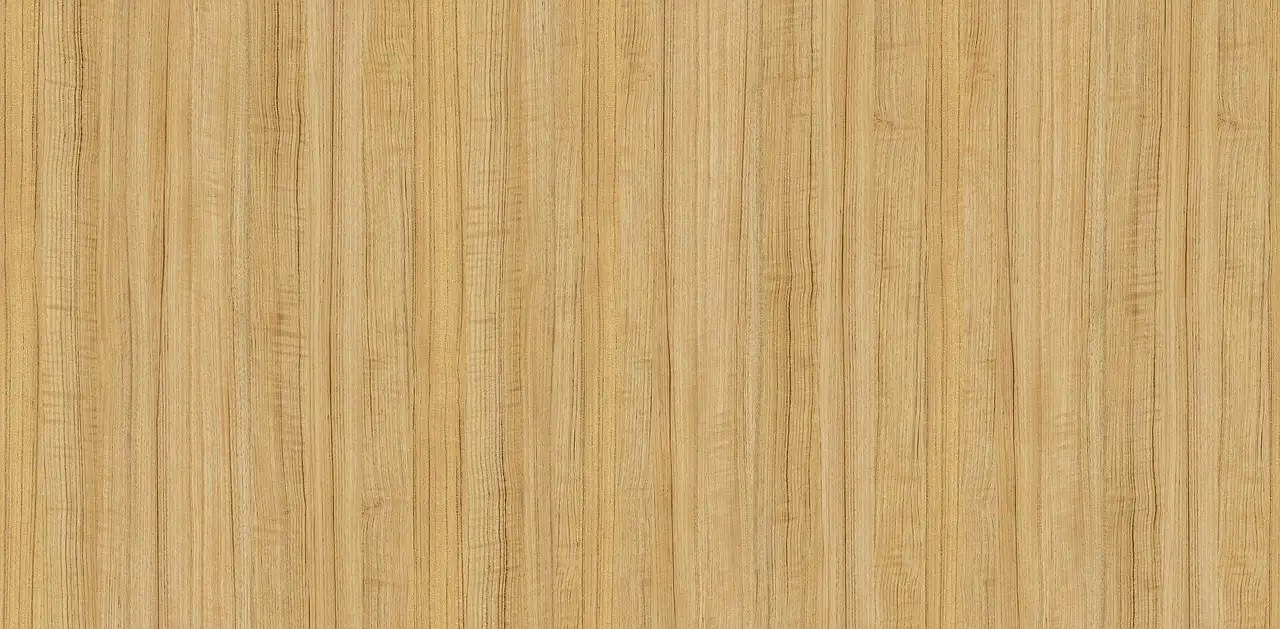
Best Wood Species for a Warm Minimalist Interior
For a warm minimalist interior, start with white oak, then ash or walnut; avoid orange-leaning red oak and cherry unless you want a stronger tone. Pick the wrong species, and the room can read dated, too yellow, or visually busy instead of calm. This guide compares wood species by undertone, grain, durability, finish response, and how each one behaves in different light.
Warm minimalist wood choices

Warm minimalism asks wood to stay quiet. Use low-gloss finishes, steady grain, and undertones that read brown, beige, or pale cream rather than yellow-orange. The wood should support the architecture, not compete with it.
Undertone matters more than the species name on a sample label. Two woods can both be called “warm,” yet one reads soft and grounded while another throws a yellow cast that fights neutral walls and linen textiles. Grain matters just as much, because a busy pattern can overpower simple furniture fast.
Why undertone matters more than color name
In warm minimalism, “warm” should mean brown warmth, not orange drift. Brown warmth sits quietly beside stone, wool, and oak-toned cabinetry. A yellow-orange cast can push a room toward midcentury nostalgia or a dated builder-grade feel, especially under strong daylight.
Light direction changes the result. North-facing rooms often cool wood down, so a neutral or slightly warm species helps prevent the floor from feeling gray. South-facing rooms can intensify yellow and amber notes, which is where orange-leaning woods become a problem.
Where wood can read too orange or too busy
Plain-sawn boards often create cathedral grain, which can look active in a minimalist room. Hickory adds even more visual motion because of its strong contrast. Walnut can read beautifully warm, but if the room is already dim or full of warm paint, it may look heavier than intended.
Suppose a south-facing living room has cream walls, brass accents, and a plain-sawn wood floor. That mix can push the floor toward amber and make the grain feel louder than the furniture. A rift-sawn or quarter-sawn cut with a matte finish usually solves more of that problem than changing wall color alone.
Best wood species comparison table
This table sorts the main species by how they behave in warm minimalist rooms, not by generic popularity. The scores are a practical fit rating, where 5 is strongest for warm minimalism and 1 is weakest.

| Species | Undertone | Grain calmness | Dent resistance | Best use case | Room and light fit | Avoid if | Warm-minimal suitability |
|---|---|---|---|---|---|---|---|
| White oak | Neutral to softly warm | 4/5 | High; 1,360 Janka | Floors, stairs, built-ins, wall paneling | North-facing rooms, open-plan living, high-traffic floors | You want a distinctly dark statement wood | 5/5 |
| Walnut | Warm brown | 3/5 | Lower; easier to dent | Statement floors, casework, feature walls | Low-traffic feature walls, calm bedrooms, controlled daylight | You need a bright, forgiving floor for heavy use | 4/5 |
| Hard maple | Pale and creamy | 4/5 | High; 1,450 Janka | Clean floors, stairs, minimalist cabinetry | Bright rooms, neutral palettes, compact spaces | You want visible grain or a strongly warm tone | 4/5 |
| Ash | Bright, lightly warm | 4/5 | Moderate; 1,320 Janka | Contemporary floors, slatted walls, ceiling details | North-facing rooms, contemporary minimalist spaces | You need the quietest possible grain in a very formal room | 4/5 |
| Hickory | Warm but high-contrast | 1/5 | Very high; 1,820 Janka | Durable family floors where grain can be busy | Utility-heavy rooms, rustic-modern mixes, hard-wearing zones | You want restrained lines and a low-contrast surface | 2/5 |
| Red oak | Often orange-leaning | 2/5 | Moderate | Traditional floors, casual rooms | Only if you want a stronger, warmer read | You want a controlled, neutral warm palette | 1/5 |
| Cherry | Red-brown that deepens quickly | 3/5 | Moderate | Cabinetry, accent pieces | Low-touch furniture, darker rooms | You want a light, calm minimalist field | 2/5 |
| European white oak | Neutral to warm | 4/5 | High; similar performance to white oak | Urban contemporary floors and paneling | Open-plan spaces, matte-finish interiors | You want pronounced figure or a glossy look | 5/5 |
Decision rule: choose white oak when you need the safest neutral base, walnut when you want a warmer statement, maple when you want a pale and controlled floor, ash when you want a bright contemporary read, and hickory only when durability matters more than visual restraint.
What wood species is best for warm minimalism?
White oak is the safest all-round choice. Walnut is warmer and richer, but softer and more dent-prone. Maple and ash can work well when the rest of the palette stays controlled. Hickory is usually too active for restrained minimalism because the grain can dominate the room.
White oak as the neutral base
White oak is listed at 1,360 Janka and is a neutral all-rounder. It takes stain well, which makes it easier to tune toward honeyed beige, soft taupe, or a cooler oak tone without fighting the wood’s base color. It is also widely used for high-traffic floors.
Rift-sawn white oak is especially useful in refined minimal interiors. It has a tighter, more regular grain than plain-sawn stock, and it is commonly finished in matte sheens. That combination gives a quieter surface than cathedral-grain boards.
Walnut as the warm statement choice
Walnut is listed at 1,010 Janka and brings a rich brown tone with a warm undertone. It looks elegant in small doses and works well as a statement species. It shows dents more easily than white oak, so it suits lower-traffic floors, panel fronts, and focal millwork better than a whole-house surface.
When maple or ash make more sense
Hard maple is listed at 1,450 Janka and reads pale and creamy, which suits clean, minimal palettes. Ash is listed at 1,320 Janka, has a smooth texture, and reads bright. Luxury Wood NYC recommends White Ash for contemporary homes and boutique commercial spaces, which aligns with its crisp look.
Why hickory usually needs restraint
Hickory is listed at 1,820 Janka and is the toughest mainstream choice. The problem is not strength. It is the high-contrast grain, which can read too busy for minimal interiors unless the rest of the room is very simple and the wood is used in a controlled way.
White oak, walnut, maple, ash, and hickory

Use this section to compare the common choices in plain language. The right answer depends on where the wood sits in the room, how much light it gets, and how much visual movement you want underfoot.
White oak: 1,360 Janka and a neutral base
White oak works because it stays balanced. It reads warm enough for minimalist interiors without turning orange, and it handles traffic well. It also performs well in humid environments, which makes it a practical choice for open-plan living areas and stair runs.
WoodCo recommends rift or quarter-sawn White Oak for biophilic design. That direction makes sense here because the grain stays more orderly. Quarter-sawn stock can show flecking, while rift-sawn boards tend to look the most regular.
Walnut: warmer, darker, and softer
Walnut gives a stronger mood. It is warmer and richer than white oak, but it is softer and easier to dent, so it should be used with intention. In a minimalist room, walnut works best as a statement species rather than as the default for every surface.
The same source recommends European White Oak and Walnut in matte finish for urban contemporary interiors. That pairing works because the matte surface keeps the wood from reading glossy or heavy, even when the tone is dark.
Hard maple: 1,450 Janka with a pale clean look
Hard maple suits rooms that need a pale floor without visual clutter. At 1,450 Janka, it is harder than white oak and walnut, and its creamy appearance keeps the palette light. It works best when the joinery, upholstery, and rugs stay quiet.
Ash: 1,320 Janka with a bright, smooth look
Ash brings a clean, contemporary feel. Its smooth texture and bright appearance make it a good match for minimalist cabinetry, slim furniture, and light-filled rooms. It can feel slightly more animated than maple, but still calm enough for many modern interiors.
Hickory: 1,820 Janka and strong contrast
Hickory is the hardest mainstream option here, but hardness is only one part of the decision. Its grain can look lively enough to take over a pared-back room. Use it when durability matters more than visual quiet, or when the rest of the interior already has strong restraint.
Should you choose rift-sawn or plain-sawn wood?
For warm minimalism, rift-sawn or quarter-sawn wood usually gives the calmer result. Plain-sawn boards often create cathedral grain, which can look more traditional and visually active. If the goal is quiet rhythm, the cut matters almost as much as the species.
Plain-sawn cathedral grain
Plain-sawn lumber often creates cathedral grain. That arc pattern can be attractive, but it also draws more attention across a floor or wall. In a minimalist room, it is better when you want a softer, more casual look rather than a disciplined one.
Quarter-sawn flecking
Quarter-sawn lumber can create flecking and is more stable than plain-sawn wood. The figure can be beautiful in smaller doses, but the fleck can read as decorative. It works best when you want texture without a lot of movement.
Rift-sawn regularity and stability
Rift-sawn lumber has the most regular pattern. It is the cleanest choice for minimal interiors because the grain repeats in a more controlled way. That regularity, plus better stability than plain-sawn boards, is why rift-sawn white oak is so common in refined matte finishes.
How cut affects price and appearance
Cut affects both look and cost. More regular cuts usually cost more because they produce less usable material from the log. The payback is a quieter surface and fewer surprises in the finished room.
Picture a north-facing dining room with pale walls and a 7-inch rift-sawn white oak floor. The room stays warm without looking yellow, and the board pattern stays calm enough for simple chairs and one textile rug. Swap in plain-sawn stock, and the grain immediately becomes the loudest element.
Best finish and plank width
Finish and plank width shape how calm the floor feels. A wood species can be technically right and still miss the mark if the sheen is too bright or the boards are too narrow for the room.
Why matte or satin topcoat fits minimal rooms
A matte or satin topcoat in the 10–25 sheen range hides micro-scratches better and supports low-gloss minimal aesthetics. High gloss reflects too much light and tends to expose wear. Low sheen keeps the wood looking grounded rather than polished.
That finish range matters most on floors, stairs, and cabinet fronts that get daily contact. It also softens the contrast between the wood and nearby stone, plaster, or textile textures.
Why 7-inch planks read calmer and more contemporary
Wide plank flooring about 7-inch boards reads contemporary and calm. Wider boards reduce the visual number of seams, which helps the floor feel more continuous. They also make knots and color shifts more visible, so the species and grade matter more.
Choose wider boards when the room has enough size to support them. In a small space with mixed-toned boards, the same width can make variation feel more obvious, not less.
How do you avoid orange wood tones?
Start with species, then adjust cut, finish, and light direction. White oak, ash, and maple are easier to keep balanced than orange-leaning woods. If the room is south-facing, avoid species or stains that push yellow or amber hard, because daylight can amplify that cast.
Lighting direction and undertone control
North-facing rooms usually mute warmth, so neutral-to-warm woods help keep the room from feeling flat. South-facing rooms intensify warmth, so a cooler-neutral wood often looks better than something already orange. This is where white oak usually beats red oak for warm minimalism.
Using stone, textiles, and wall color to keep balance
Keep the rest of the palette quiet. Pale stone, linen, wool, and low-chroma wall colors prevent the floor from doing all the visual work. A wood floor should support the room, not become the accent by accident.
FSC-certified stock matters here when the species comes from slower-growing or more resource-intensive supply chains. It is a sourcing signal, not a performance guarantee, but it helps narrow choices toward more responsible material.
A simple decision rule for real rooms
- Pick white oak if the room needs the safest neutral warmth.
- Pick walnut if you want a darker statement and can accept softer wear.
- Pick maple if you want a pale, creamy floor with a clean read.
- Pick ash if you want a bright contemporary look with smooth texture.
- Pick hickory only if durability matters more than a quiet visual field.
- Use rift-sawn or quarter-sawn cuts when you want the grain to stay controlled.
- Use matte or satin sheen when you want a low-gloss minimalist finish.
Frequently asked questions
What wood species is best for a warm minimalist interior?
White oak is the safest all-round choice because it reads warm without turning orange and stays visually calm in many light conditions. Ash and hard maple also work well when you want a lighter floor. Walnut is excellent as a statement species, but it is softer and more dent-prone.
Is white oak or walnut better for warm minimalist floors?
White oak is better for most warm minimalist floors because it is more neutral, harder at 1,360 Janka, and more forgiving in traffic. Walnut is warmer and richer, but at 1,010 Janka it dents more easily, so it is better when you want a deliberate statement rather than a default floor.
Which wood tone feels warm but still minimal?
Choose a soft brown or creamy neutral rather than a yellow-orange tone. White oak in a matte finish usually lands in that zone. Walnut can work too, but it reads darker and more dramatic. Maple stays pale and controlled, which helps if the room already has warm textiles.
Should warm minimalist interiors use rift-sawn or plain-sawn wood?
Rift-sawn or quarter-sawn wood usually suits warm minimalism better because the grain is more regular and less distracting. Plain-sawn boards often create cathedral grain, which can make a room feel busier. Rift-sawn white oak is a strong option when the goal is quiet, refined texture.
What finish looks best on warm minimalist wood floors?
A matte or satin topcoat in the 10–25 sheen range works best because it hides micro-scratches better and keeps the floor low-gloss. Higher sheen tends to call attention to wear and can make the surface feel less restrained. The finish should support the wood, not brighten it.
How do I keep wood from looking orange in a warm minimalist room?
Start with a neutral species such as white oak, ash, or maple, then avoid overly amber stains. In south-facing rooms, keep the wall color quiet and use stone or textile balance nearby. If the room is north-facing, a slightly warmer neutral helps prevent the wood from feeling flat.
Sponsored / affiliate links. As an Amazon Associate I earn from qualifying purchases. I may earn additional commission from eligible campaigns.