Birch Versus Maple Cabinets: Ultimate Guide to Choose Right Wood
Choosing the right cabinets can change the entire feel of your home. When it comes to Birch versus Maple cabinets, you might be wondering which one suits your style and needs best.
Both options have unique qualities that can impact your space’s look, durability, and value. By the time you finish reading, you’ll have a clear understanding of which wood fits your vision perfectly—and feel confident making the best choice for your home.
Keep reading to discover the key differences and find the perfect match for your cabinets.
Characteristics Of Birch Wood
Birch wood stands out as a popular choice for cabinets. Its features blend beauty and strength. Many homeowners prefer birch because it fits different styles well. Understanding its characteristics helps you pick the right wood for your kitchen or bathroom.
Grain And Texture
Birch wood has a smooth, even grain. The texture feels fine and uniform. It often shows subtle waves or curls. This gives cabinets a soft, natural look. Birch grain looks clean and simple, fitting many designs.
Color Variations
Birch colors range from pale cream to light yellow. Some pieces have a reddish or pink hue. The colors stay light and fresh over time. These shades help brighten up any room. Birch wood’s color makes it easy to paint or stain.
Durability And Hardness
Birch is a strong and hard wood. It resists dents and scratches well. This makes it good for busy kitchens. Birch cabinets last long without much wear. You can trust birch for everyday use and heavy tasks.
Characteristics Of Maple Wood
Maple wood is a popular choice for cabinets because of its unique features. It offers beauty and durability that suit many home styles. Understanding maple’s traits helps in choosing the right wood for your cabinets.
Grain Patterns
Maple has a smooth and fine grain pattern. It often appears straight but can show subtle waves. This makes cabinets look clean and simple. The grain adds a soft texture without being too busy.
Color Range
Maple wood colors range from light cream to reddish-brown. Most maple cabinets have a pale, warm tone. This light color brightens rooms and matches many designs. It also takes stains well, allowing color changes.
Strength And Longevity
Maple is a hard and strong wood. It stands up well to daily use and wear. Cabinets made from maple last for many years. This makes it a smart choice for busy kitchens and bathrooms.
Comparing Appearance
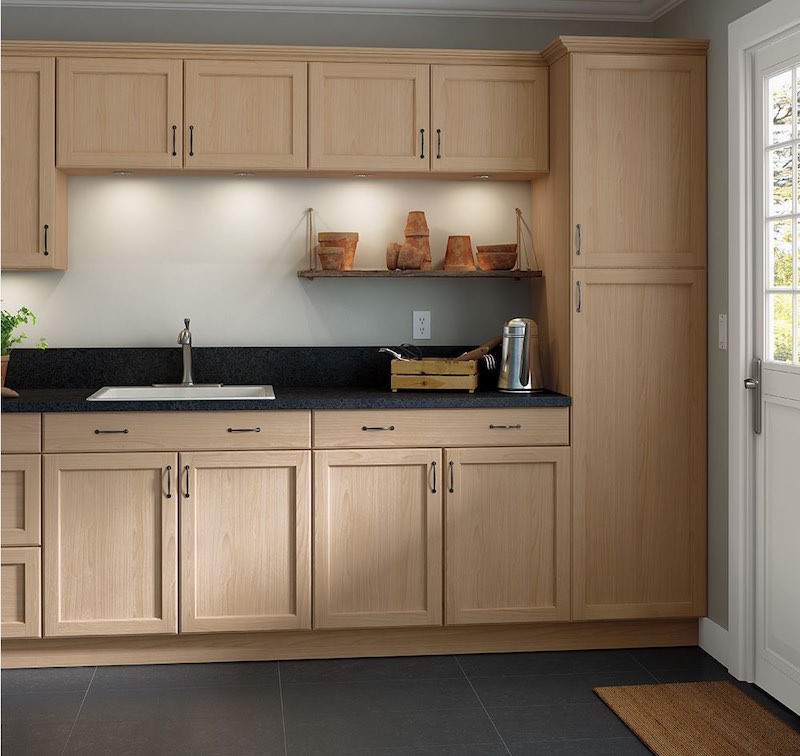
Birch and maple cabinets each bring unique looks to your kitchen or bathroom. Their appearance can change the whole room’s feel. Knowing their visual differences helps you choose the right wood for your style and space. Let’s explore how these woods compare in natural finish, color options, and design appeal.
Natural Finish Options
Birch wood has a smooth grain with subtle patterns. Its color ranges from pale cream to light brown. Maple features a fine, even texture with a consistent light cream tone. Both woods offer a clean, soft look in their natural state. Birch may show more grain variation. Maple is usually more uniform and light.
Staining And Painting
Birch accepts stains well, showing richer tones and deeper colors. It can create warm or dark finishes with ease. Maple also stains nicely but may need special prep to avoid blotches. Its tight grain holds paint smoothly. Both woods paint well, but maple offers a smoother surface for solid colors.
Aesthetic Appeal In Different Styles
Birch fits casual, modern, or rustic designs due to its varied grain. It adds warmth and character to any room. Maple suits traditional, contemporary, or minimalist styles with its simple, clean look. Its pale tone brightens spaces and pairs well with many colors. Both woods adapt well but give different vibes to your cabinets.
Cost And Availability
Choosing between birch and maple cabinets often depends on cost and availability. These factors affect your budget and how quickly you can get the cabinets. Understanding price differences and sourcing helps make a smart choice for your home.
Price Differences
Birch cabinets usually cost less than maple ones. Birch is a softer wood, which makes it easier to work with. This lowers production costs. Maple is harder and denser, leading to higher prices. Expect maple cabinets to be about 20% to 30% more expensive. Both woods offer good durability, but the price gap may affect your decision.
Sourcing And Sustainability
Birch trees grow faster and are more common in many areas. This makes birch cabinets easier to find. Maple trees take longer to mature, so maple can be less available. Both woods come from North America, but birch is often sourced from sustainable forests. Sustainable harvesting means less damage to the environment. Check if the cabinets have certifications like FSC. This ensures responsible forest management and eco-friendly products.
Maintenance And Care
Maintaining and caring for your cabinets helps keep them beautiful and lasting longer. Birch and maple cabinets have different needs for cleaning and upkeep. Understanding these differences helps you protect your investment and keep your kitchen looking fresh.
Cleaning Tips
Use a soft cloth with mild soap and water to clean both birch and maple cabinets. Avoid harsh chemicals that can damage the wood finish. Wipe spills quickly to stop stains from setting. Dry the surface after cleaning to prevent water marks. Regular dusting keeps dirt from building up on the wood.
Resistance To Wear
Maple cabinets resist dents and scratches better than birch. Birch wood is softer and can show marks more easily. Both woods can darken or fade if exposed to strong sunlight. Using cabinet protectors or pads helps reduce wear over time. Choosing maple may offer a longer-lasting finish under heavy use.
Repair And Refinishing
Minor scratches on birch cabinets are easier to repair with light sanding. Maple may require more effort to match the original color when refinishing. Both woods respond well to new stains or varnish coats. Refinishing cabinets restores their look and extends their life. Regular touch-ups prevent damage from becoming worse.
Suitability For Different Kitchen Designs
Choosing the right cabinet wood affects your kitchen’s overall look. Birch and maple offer different styles that fit various kitchen designs. Each type of wood brings unique colors and grain patterns. Knowing their suitability helps you pick cabinets that match your kitchen’s style perfectly.
Modern And Contemporary
Maple cabinets suit modern kitchens well. Their smooth, light color creates a clean, sleek look. Maple’s fine grain adds subtle texture without overwhelming the space. Birch can also work here but usually has more visible grain, which may feel busy in modern designs. Maple’s uniform appearance fits minimalist themes and bold color schemes.
Traditional And Rustic
Birch cabinets shine in traditional kitchens. Their warm, varied grain gives a cozy and natural feel. Birch’s texture adds character and depth to rustic styles. Maple can also fit but looks more polished and less textured. Birch wood brings a homey touch that matches classic woodwork and vintage décor well.
Transitional Styles
Both birch and maple suit transitional kitchens, blending old and new styles. Maple’s smooth surface pairs well with modern fixtures. Birch’s grain adds warmth and interest to the space. Choosing between them depends on whether you want a cleaner or more textured look. Both woods adapt easily to changing design trends.
Environmental Impact
Choosing cabinets affects the environment more than you might think. Wood type matters for sustainability and carbon footprint. Birch and maple are popular, but their impact differs. Knowing this helps make better choices for nature and future.
Sustainability Of Birch
Birch trees grow quickly compared to many hardwoods. This fast growth means birch can be harvested more often. Birch forests can recover faster after logging. Birch wood is often sourced from managed forests. These forests follow rules to protect wildlife and soil. Using birch reduces pressure on slow-growing trees. Birch wood can also be recycled or reused easily. This lowers waste and saves resources. Birch’s availability makes it a good eco-friendly choice.
Sustainability Of Maple
Maple trees grow slower than birch trees. They take more time to mature before harvest. Maple forests need careful management to avoid overcutting. Some maple species are protected or less common. Maple wood has a longer lifespan in furniture and cabinets. This durability can reduce the need for replacements. Sustainable maple comes from certified forests. These forests ensure responsible harvesting and replanting. Choosing certified maple helps support forest health. Maple’s strength and beauty make it a lasting wood option.
Making The Final Choice
Choosing between birch and maple cabinets shapes your space’s look and feel. This decision impacts style, durability, and cost. Understanding how wood fits your life helps make the choice clear.
Think about daily use and design needs. Cabinets should match your lifestyle and home’s personality. Budget also plays a key role. Spending smart protects your wallet and adds long-term value.
Matching Wood To Lifestyle
Birch offers a smooth, light finish. It suits casual and modern homes well. Maple has a denser grain. It works better in busy kitchens and traditional styles. Consider your family size and activity level. Harder wood handles wear better in active homes.
Budget Considerations
Birch cabinets usually cost less upfront. They offer good quality for a lower price. Maple costs more but lasts longer and resists dents. Factor in installation and finishing costs. Choose wood that fits your budget without cutting corners.
Long-term Value
Maple’s durability often means fewer repairs or replacements. Its rich grain adds value to your home. Birch can look great but may need more care. Think about how long you want your cabinets to last. Investing in stronger wood pays off over time.
.png?width=4032&name=MicrosoftTeams-image%20(7).png)
Frequently Asked Questions
What Are The Key Differences Between Birch And Maple Cabinets?
Birch cabinets have a fine grain and warmer tones, while maple cabinets are denser with a smooth, consistent grain. Maple tends to be harder and more durable, making it ideal for high-traffic kitchens. Birch offers affordability and a slightly softer appearance.
Which Cabinets Are More Durable, Birch Or Maple?
Maple cabinets are generally more durable due to their hardness and resistance to dents. Birch is strong but softer, which may show wear faster. For long-lasting cabinetry, maple is often preferred, especially in busy kitchens.
How Do Birch And Maple Cabinets Differ In Color?
Birch cabinets typically have a warm, light yellow or reddish hue. Maple cabinets are lighter with creamy white to pale reddish tones. Both woods accept stains well, but maple provides a smoother, more uniform finish.
Are Birch Or Maple Cabinets More Affordable?
Birch cabinets are usually more affordable than maple. Birch’s availability and softer wood make it cost-effective. Maple is pricier due to its density and durability but offers better long-term value in heavy-use areas.
Conclusion
Birch and maple cabinets both offer great options for your home. Birch has a warm look with fine grain patterns. Maple is strong and has a smooth, clean finish. Choose birch for a softer, natural style. Pick maple for a bright, modern feel.
Both woods last long and hold paint well. Think about your room’s style and budget before deciding. Either way, your cabinets will add charm and value. Simple choices make a big difference in your kitchen’s look.