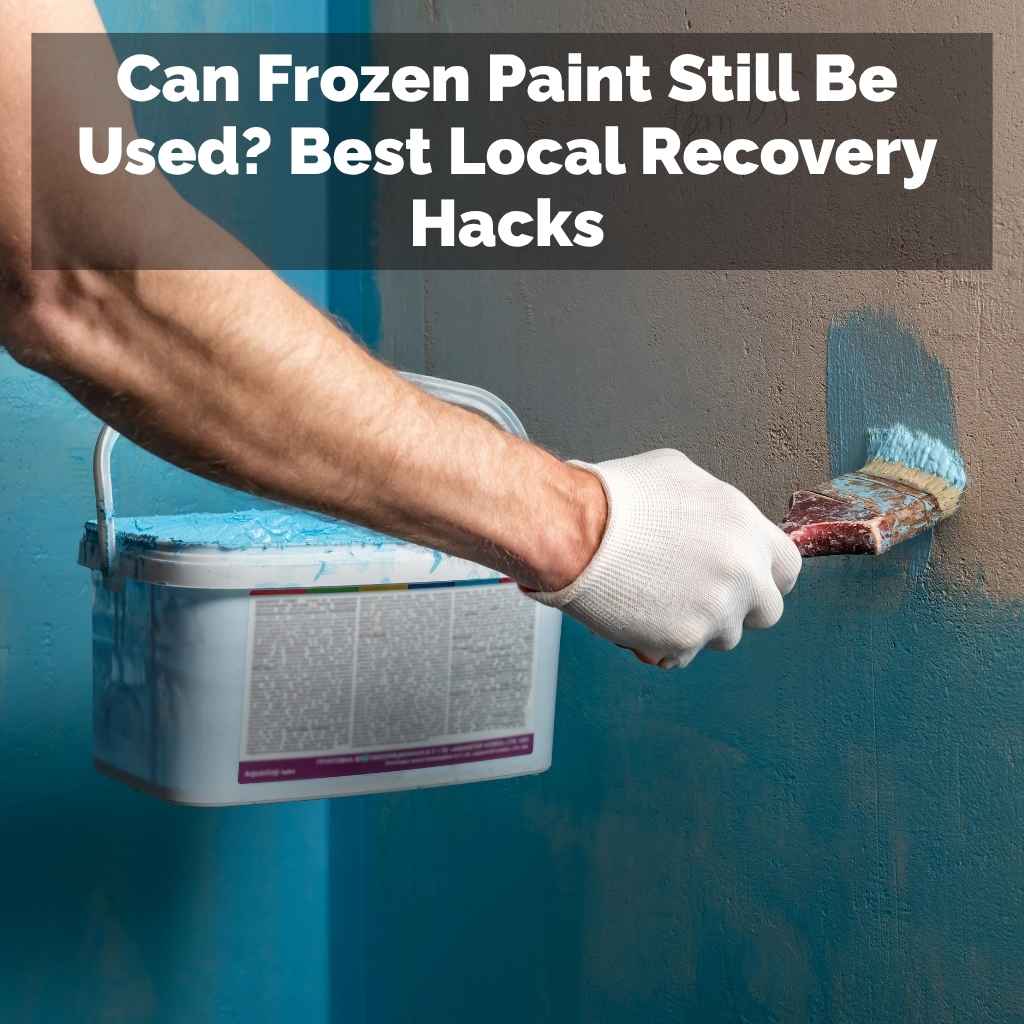
Can Frozen Paint Still Be Used? Best Local Recovery Hacks
Many people wonder, Can Frozen Paint Still Be Used? Best Local Recovery Hacks is a common question when winter weather hits. It can seem tricky to know what to do with paint that has frozen.
Is it ruined? Can you still paint with it? It might feel like a waste of money if it’s no good.
But don’t worry! This guide will show you simple steps to bring your frozen paint back to life. We will look at easy ways to recover it so you can get back to your painting projects.
When paint freezes, its liquid components can separate from the pigments and binders. This separation can affect the paint’s texture, consistency, and ability to dry properly. Understanding this process is key to knowing how to fix it.
Many beginners might think frozen paint is completely unusable and throw it away. This can be a costly mistake. Fortunately, with a few simple techniques, you can often restore frozen paint to a usable state.
This section will explore the main ways to do this, focusing on practical, easy-to-follow methods that anyone can use.
Why Paint Freezes
Paint is made up of several key ingredients: pigments, binders, solvents, and additives. Water is a primary solvent in latex and acrylic paints, which are the most common types of household paint. When water freezes, it expands.
This expansion can break down the structure of the paint. It can cause the pigment particles to clump together and the binder to lose its ability to hold everything in suspension.
Oil-based paints contain different solvents, like mineral spirits or turpentine, which have much lower freezing points. Therefore, oil-based paints are less likely to freeze solid in typical cold weather conditions. However, extreme cold can still affect them.
Latex and water-based paints are the ones most at risk of damage from freezing.
The Science Behind Paint Freezing
The freezing process in water-based paints involves the formation of ice crystals. These crystals disrupt the emulsion that keeps the paint components mixed. The binders, which are usually polymers, can be damaged.
When the ice melts, the water separates from the other ingredients. This separation can lead to a grainy texture or a watery appearance.
The pigments, which give paint its color, can also clump together. This makes it hard to get an even coat when you try to paint. The additives, which help with things like flow and preventing mold, can also be affected.
Sometimes, the paint can develop a lumpy or curdled look. This is a sign that the emulsion has broken down significantly.
Common Mistakes When Paint Freezes
A very common mistake is to simply try to paint with the paint as soon as it thaws. If the paint hasn’t been mixed properly, you will likely get an uneven finish. Another mistake is shaking a frozen can vigorously.
This can worsen the separation and make the paint impossible to salvage. People sometimes think if a little bit of the paint is frozen, the whole can is ruined. This is not always true.
Throwing away paint that could be saved is a waste of resources and money. It also adds to landfill waste. Learning how to properly assess and revive frozen paint is a valuable skill for any DIYer or homeowner.
It helps you get the most out of your supplies.
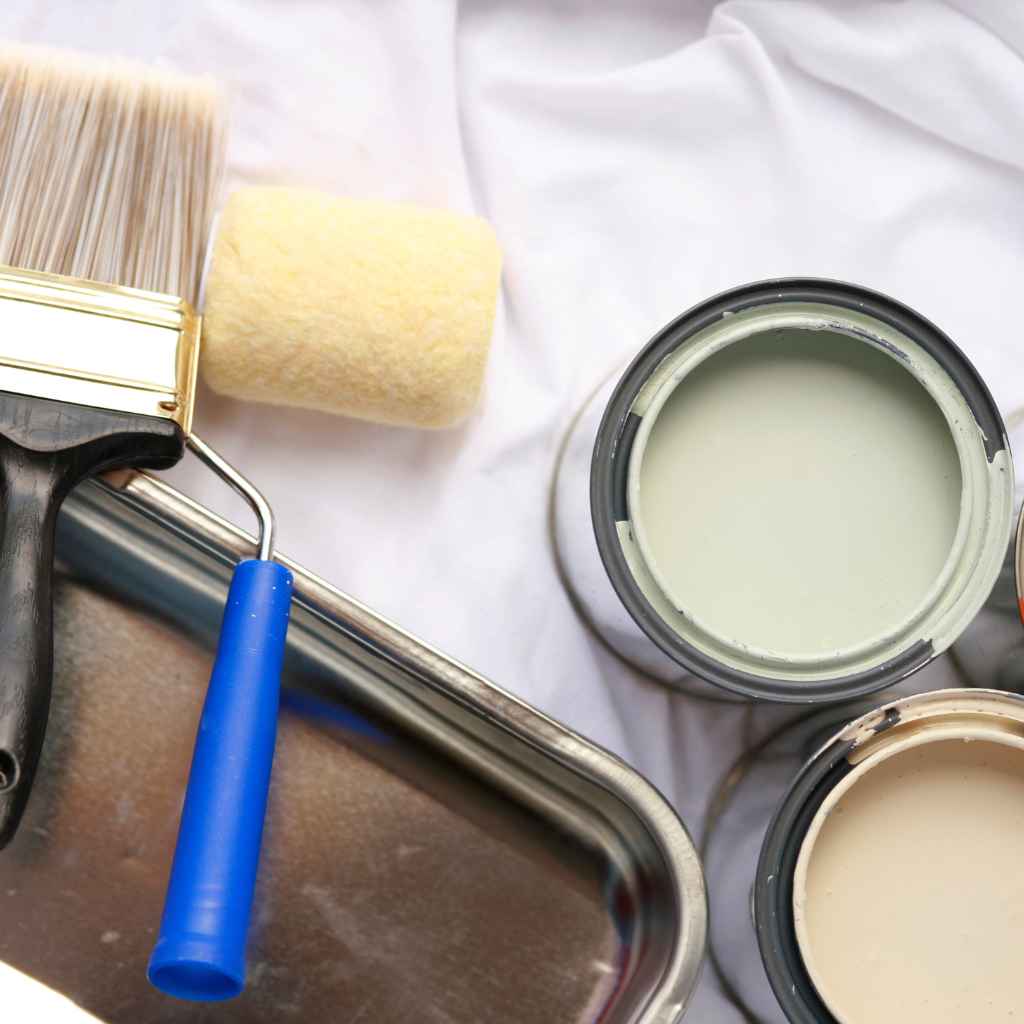
How To Recover Frozen Paint
Recovering frozen paint involves a careful thawing and mixing process. The goal is to re-emulsify the components without causing further damage. This can be done at home with common household items.
It requires patience and a gentle approach. We will walk through each step to ensure your paint is ready for use again.
Thawing The Paint
The best way to thaw frozen paint is slowly and gently. Never try to speed up the process by using direct heat, like a microwave or a hot stove. This can cause the paint to boil or scorch, damaging it permanently.
Instead, bring the can of paint into a warm room. Let it thaw naturally at room temperature. This might take several hours or even overnight, depending on how cold it got.
You can also place the paint can in a bucket of lukewarm water. Make sure the water level is below the lid. This provides a more consistent, gentle heat.
Stir the water occasionally. This helps to distribute the warmth evenly around the can. Once the paint is no longer frozen, you can proceed to the next step.
Subtle Indicators Of Thawing
As the paint thaws, you’ll notice it becoming more fluid. It will lose its icy texture. You might see some separation on the surface, with a layer of water or a thicker paste.
This is normal at this stage. The key is to avoid any sudden temperature changes.
It’s important to observe the paint as it thaws. If you see large clumps of pigment or a very lumpy texture that doesn’t smooth out, the paint may be severely damaged. However, most of the time, gentle thawing is enough to get it back to a workable state.
Mixing The Paint
Once the paint has completely thawed, the most crucial step is thorough mixing. This is what helps to re-emulsify the paint. You need to break down any lumps and combine the separated ingredients.
A long stirring stick or a paint stirrer is essential here. Start by slowly stirring from the bottom of the can upwards.
Scrape the sides and bottom of the can frequently. Ensure all the settled pigment and binder are incorporated back into the liquid. Continue stirring until the paint has a smooth, uniform consistency.
It should look and feel like it did before it froze.
Using A Paint Mixer Attachment
For a more thorough mix, you can use a paint mixer attachment for a drill. This is a more efficient way to achieve a smooth consistency. Make sure the attachment is clean before use.
Insert it into the can and start mixing on a low speed. Gradually increase the speed as the paint becomes more uniform.
Be careful not to whip too much air into the paint. This can create bubbles that will affect the finish. Mix until the paint flows smoothly from the stirrer and has no lumps or streaks.
This is often the most effective method for truly salvaging paint that has frozen significantly.
Testing The Paint
After mixing, it’s important to test the paint before committing to a large project. Find an inconspicuous area, like a scrap piece of wood or a hidden part of a wall. Apply a small amount of the paint and observe how it goes on.
Check its coverage and how it dries.
Look for any signs of streaking, peeling, or poor adhesion. The paint should dry to a smooth, even finish, just like it would have before freezing. If the test application looks good, your paint is likely ready for use.
What To Look For In A Test
When testing, pay attention to several factors. The color should be consistent. There should be no visible lumps or grit.
The paint should spread easily without pulling or clumping. Once dry, check if the finish is even and adheres well to the surface. A successful test means the paint’s integrity has been preserved.
If the paint still looks streaky or has an uneven texture after drying, it might be too damaged to use for a visible surface. In such cases, you could consider using it for a primer coat on a less critical area or for a craft project where minor imperfections won’t matter.
When Frozen Paint Is Too Damaged To Use
While many cases of frozen paint can be saved, there are times when the damage is too severe. Recognizing these signs is important to avoid wasting time and effort. If the paint has undergone extreme freezing or thawing, its chemical structure might be permanently altered.
Knowing when to say goodbye to a can of paint is as important as knowing how to revive it. This section will help you identify the tell-tale signs of irreparable damage.
Signs Of Irreversible Damage
Several indicators suggest that paint is beyond recovery. One of the most obvious is a strong, unpleasant odor that is different from the usual paint smell. This can mean that the binders or other components have degraded.
Another sign is a permanently curdled or separated texture that cannot be stirred smooth, even with a power mixer.
If the paint has a gritty or sandy feel after thawing and mixing, it suggests that the pigment particles have clumped irreversibly. Sometimes, the paint might dry with a chalky or powdery finish, indicating that the binder has failed to form a proper film. A complete breakdown of the emulsion, where oil and water-based components remain stubbornly separated, is also a bad sign.
Extreme Freezing And Thawing Cycles
Paint that has been frozen and thawed multiple times is much more likely to be permanently damaged. Each freeze-thaw cycle puts stress on the paint’s emulsion. This can lead to a gradual breakdown of the components.
If a can of paint has been left out in extreme cold for an extended period, the damage can be extensive.
Imagine a paint can left in a shed during a deep freeze for weeks. The water content might have repeatedly frozen and melted. This can lead to a complete loss of the paint’s ability to form a cohesive film when it dries.
Such extreme conditions often mean the paint is unsalvageable.
What To Do With Unsalvageable Paint
If your paint is too damaged to use, it’s important to dispose of it properly. Never pour liquid paint down the drain or into the environment. Check with your local waste management services for guidelines on paint disposal.
Many communities have hazardous waste collection sites that accept old paint.
For small amounts of dried latex paint, some municipalities allow you to dispose of it in your regular trash. To dry out small amounts of latex paint, you can leave the lid off the can in a well-ventilated area. You can also mix it with an absorbent material like kitty litter or sawdust to speed up the drying process.
Environmental Considerations
Proper disposal of paint is crucial for protecting the environment. Paint contains chemicals that can contaminate soil and water. By following local disposal guidelines, you help prevent pollution.
This ensures that these materials are handled safely.
Recycling programs for paint are also becoming more common. These programs can sometimes repurpose usable paint. Even if your paint is not usable for painting walls, some components might be recycled.
Always research your local options for the most responsible disposal methods.
Best Local Recovery Hacks For Frozen Paint
When you’re facing a can of frozen paint, the best local recovery hacks often involve simple, practical steps. These hacks focus on maximizing your chances of success with minimal effort and cost. They are designed to be easy for anyone to follow, regardless of their DIY experience.
The phrase Can Frozen Paint Still Be Used? Best Local Recovery Hacks resonates because people want immediate, practical solutions. These hacks are about making the most of what you have and avoiding unnecessary purchases.
Let’s explore some of these clever tips.
Warm Water Bath Method
This is a classic and highly effective method. Place the frozen paint can in a large bucket. Fill the bucket with lukewarm water.
Ensure the water level stays below the can’s lid to prevent contamination. The water should be warm, not hot. Hot water can damage the paint.
Stir the water gently every so often to help distribute the heat.
This gentle heating process encourages the paint to thaw evenly. It is far safer than trying to heat the can directly. The process might take a few hours.
Be patient and let the warmth do its work. Once the paint is liquid, proceed to careful mixing.
Benefits Of This Hack
The warm water bath is excellent because it’s gentle and provides consistent heat. It prevents hot spots that could ruin the paint. It’s also very safe, reducing the risk of fires or damage to the paint.
This method is readily accessible to almost everyone as it uses common household items.
Furthermore, it allows you to monitor the thawing process closely. You can see when the paint starts to loosen and become more pliable. This gives you a good sense of how much longer it might take, helping you plan your project time.
It’s a reliable way to start the recovery process.
Gentle Stirring Techniques
Once thawed, gentle stirring is key. Use a clean, long stirring stick. Start at the bottom of the can, slowly working your way up.
Scrape the sides and bottom thoroughly. The aim is to recombine the separated ingredients. Avoid vigorous stirring or shaking, which can introduce air bubbles and worsen separation.
Take your time with this step. It’s the most important part of restoring the paint’s consistency. You want to achieve a smooth, uniform texture.
If you notice any lumps, keep stirring until they disappear. The paint should flow evenly from the stick.
When To Use A Drill Mixer
For paint that is very thick or has stubborn clumps, a drill with a paint mixer attachment can be a lifesaver. This tool provides more power and efficiency than manual stirring. It ensures that the paint is mixed thoroughly, breaking down even tough lumps.
Always start on a low speed to avoid splattering and creating too much foam.
Using a drill mixer can significantly reduce the time and effort required for mixing. It helps achieve a more consistent emulsion, which is vital for a good paint finish. Make sure the attachment is clean before inserting it into the paint.
Adding A Little Water Or Binder (Use With Caution)
In some cases, if the paint seems a bit too thick or grainy after thawing and mixing, you might consider adding a tiny amount of water. For latex paints, a tablespoon or two of clean water can help restore the right consistency. Stir this in very thoroughly.
The goal is to slightly thin the paint, not to dilute it.
Alternatively, if the paint seems to have lost some of its binding properties, a small amount of a latex binder (like Floetrol or a similar product) can sometimes help. This should be used very sparingly and only if absolutely necessary. Too much can alter the paint’s properties.
Always test this mixed paint on a scrap surface first.
Testing Added Ingredients
Before using paint with added water or binder, it’s crucial to test it thoroughly. Apply it to a piece of cardboard or a scrap board. Let it dry completely.
Observe the finish. Does it adhere well? Is the color even?
Does it have the right sheen?
If the test shows any issues, such as poor coverage, chalkiness, or a dull finish, the added ingredient may have negatively affected the paint. It might be best to discard the paint at this point. The key is to ensure the paint’s performance isn’t compromised.
Case Studies Of Frozen Paint Recovery
Real-world examples can illustrate the effectiveness of these recovery methods. People often find success by applying these simple steps. These stories show that frozen paint doesn’t always mean the end of a paint job.
Consider these scenarios. They highlight common problems and successful solutions when asking, Can Frozen Paint Still Be Used? Best Local Recovery Hacks are essential.
These examples provide practical insights into what works.
Scenario 1 A Frigid Garage Incident
Sarah lives in a region with harsh winters. She had several cans of interior latex paint stored in her garage. A particularly cold snap caused the temperature to drop well below freezing for nearly a week.
When she went to retrieve the paint for a planned project, she discovered the cans were frozen solid.
Sarah was initially worried that the paint was ruined. She had heard that frozen paint could lose its ability to adhere. However, she decided to try the warm water bath method.
She placed each can in a large tub of lukewarm water and let them thaw overnight. The next day, she found that the paint had separated, with water on top of a thicker layer below.
Using a long paint stirrer, Sarah carefully mixed each can for about 15 minutes. She scraped the sides and bottom diligently. For the cans that were particularly thick, she used a drill mixer on a low setting.
After thorough mixing, she tested the paint on a piece of scrap drywall. The paint applied smoothly, covered well, and dried to a uniform finish. She was able to use all the paint for her interior walls without any noticeable issues.
The success of this recovery was attributed to the gentle thawing process and the patient, thorough mixing. Sarah learned that even severe freezing doesn’t always mean the paint is unusable.
Scenario 2 A Nearly Ruined Exterior Project
John was halfway through painting his exterior trim when an unexpected cold snap hit. He had several quarts of exterior-grade latex paint that he had stored in his shed. The shed offered little insulation, and the paint froze solid.
He was in a bind because he needed to finish the project quickly before a scheduled sale of his house. He brought the frozen paint inside and used the warm water bath method. After thawing, he noticed that the paint seemed a bit lumpier than usual.
He mixed it diligently with a stirrer, but some small pigment balls remained.
John decided to try using a sieve to strain the paint. He poured the paint through a fine-mesh sieve into a clean bucket. This removed the small lumps of pigment.
He then stirred the strained paint thoroughly. He tested it on a piece of scrap wood. The paint went on smoothly and dried to a consistent finish.
He was able to complete his exterior painting project successfully, saving the paint and the project timeline.
This case shows that sometimes, an extra step like straining can be necessary. It’s a good example of adapting recovery methods to specific paint issues encountered after freezing.
Frequently Asked Questions
Question: Can I use frozen paint if it smells bad?
Answer: If your paint has a strong, unusual odor after thawing, it’s a sign that the chemicals in the paint may have degraded. This often means the paint is too damaged to be used, and it’s best to dispose of it properly.
Question: How long does it take for frozen paint to thaw?
Answer: The thawing time can vary greatly depending on the temperature it reached and the amount of paint in the can. It can take anywhere from a few hours to overnight. It’s best to thaw it slowly at room temperature or in a lukewarm water bath.
Question: Will frozen paint dry properly?
Answer: If the paint has been properly recovered and mixed, it should dry properly. However, if the paint’s emulsion has been permanently damaged by freezing, it might not adhere well or could dry with an uneven finish.
Question: Can I refreeze paint after thawing it?
Answer: It’s not recommended to refreeze paint after you have thawed it. Each freeze-thaw cycle can further degrade the paint’s quality. It’s best to use the paint once it has been thawed and recovered, or dispose of it if it’s not usable.
Question: Is it safe to paint over a surface with paint that has been frozen and recovered?
Answer: Yes, if you have successfully recovered the paint and it passes your tests, it should be safe to paint with. The key is that the paint’s structural integrity has been restored and it behaves like normal paint upon application and drying.
Summary
Frozen paint doesn’t have to be a lost cause. By using simple, gentle thawing methods like a warm water bath and thorough, patient mixing, you can often restore your paint. Always test the recovered paint to ensure it performs well.
If the paint shows signs of permanent damage like a bad smell or irreversible texture issues, proper disposal is the best option. You can save paint and your budget with these easy recovery hacks.