Can I Use a Steam Cleaner on Hardwood Floors What to Know
Many people wonder, Can I Use a Steam Cleaner on Hardwood Floors? What to Know. It’s a question that pops up when you’re looking for a super-fast way to get your floors sparkling clean.
But for beginners, it can feel a little tricky because hardwood floors can be sensitive. You want that deep clean without causing any damage, right? Don’t worry!
We’ll walk through everything you need to know in a super simple way, step by step. We’ll cover if it’s a good idea and how to do it safely if you decide to go for it.
Steam Cleaning Hardwood Floors Risks and Rewards
This section explores the potential downsides and upsides of using a steam cleaner on your hardwood floors. We’ll talk about why some people avoid it and why others find it a useful tool when used correctly. Understanding these points helps you make a smart choice for your home and your floors.
It’s all about making sure you get clean floors without any unexpected problems later on.
The Danger of Moisture for Hardwood
Hardwood floors are made of natural wood, which is porous. This means wood can absorb moisture. When too much water is introduced, especially through steam, it can soak into the wood.
This can cause the wood to swell. Over time, repeated exposure to excess moisture can lead to several problems.
One common issue is cupping, where the edges of the floorboards rise higher than the center. Another is crowning, where the center of the board is higher. Both of these change the look and feel of your floor, making it uneven.
Moisture can also loosen the finish on your hardwood. This can make your floors look dull and worn out faster than they should.
Furthermore, prolonged dampness creates a perfect environment for mold and mildew to grow. This isn’t just bad for your floors; it’s also bad for your home’s air quality. Mold can spread invisibly between the planks and under the floor, leading to musty odors and potential health issues.
This is why experts often advise caution when it comes to water and hardwood.
When Steam Cleaning Might Be Okay
While caution is key, there are certain types of hardwood floors and specific situations where steam cleaning might be considered, with very careful execution. This usually involves floors with a highly durable, sealed finish. Think of polyurethane finishes that are known for their water resistance.
Even with these, the amount of steam and how it’s applied are critical.
Some modern steam mops are designed with lower moisture settings or special pads that aim to reduce water contact. If your floor manufacturer explicitly states that steam cleaning is acceptable, this is the best indicator. However, older floors, those with oil-based finishes, or any floor that shows signs of wear or damage should generally not be steam cleaned.
The risk of harm outweighs any potential cleaning benefit.
The main reward of steam cleaning, if done correctly on a suitable floor, is its ability to sanitize and remove grime without harsh chemicals. The high heat can kill germs and bacteria effectively. It can also lift stubborn dirt that regular mopping might leave behind.
This is why the question, Can I Use a Steam Cleaner on Hardwood Floors? What to Know, is so important to answer thoroughly before you try it.
Understanding Different Floor Finishes
The type of finish on your hardwood floors plays a massive role in whether steam cleaning is a good idea. Finishes are like a protective coat that keeps your wood safe from spills and wear.
Polyurethane Finishes
Polyurethane is the most common finish for modern hardwood floors. It’s a durable, plastic-like coating that sits on top of the wood. There are two main types: oil-based and water-based.
Oil-based polyurethane is generally more durable and water-resistant than water-based, but both offer good protection.
These finishes create a strong barrier against moisture. For floors with a fresh, intact polyurethane finish, a steam cleaner might be usable on its lowest setting with a microfiber pad. The idea is to use the steam for sanitizing and loosening dirt, with very little moisture actually reaching the wood itself.
The steam dissipates quickly, and the microfiber pad absorbs any excess.
However, even with polyurethane, if the finish is worn, scratched, or peeling, steam can seep into these openings. This can cause significant damage. Always check the condition of your finish before even considering steam.
A quick test is to put a drop of water on an inconspicuous spot. If it beads up and stays there, the finish is likely good. If it soaks in or darkens the wood, the finish is compromised.
Penetrating Finishes (Oil or Wax)
Older homes often feature hardwood floors with penetrating finishes, such as oil or wax. These finishes soak into the wood rather than forming a layer on top. They offer a more natural look and feel but are much less resistant to moisture and staining.
Steam cleaning is a definite no-go for floors with oil or wax finishes. The heat and moisture from a steam cleaner will easily penetrate these finishes. This can cause the wood to warp, stain, and become discolored.
The oils and waxes themselves can also be stripped away by the steam, leaving the wood unprotected and prone to damage. For these types of floors, traditional cleaning methods like dry sweeping and light damp mopping with a wood-specific cleaner are the only safe options.
Other Finish Types
Some floors might have hybrid finishes or sealants that blend properties of different types. Shellac, for instance, is beautiful but very sensitive to heat and moisture. Lacquer can be durable but may also be susceptible to steam.
If you are unsure about your floor’s finish, it’s always best to err on the side of caution. Contacting the flooring manufacturer or a professional flooring installer can help you identify your finish type.
Steam Cleaner Types and Hardwood Compatibility
Not all steam cleaners are created equal, and this is a vital piece of information when asking, Can I Use a Steam Cleaner on Hardwood Floors? What to Know. The design and features of a steam cleaner can greatly influence its suitability for delicate surfaces like hardwood.
Understanding these differences can help you avoid costly mistakes.
Standard Steam Mops
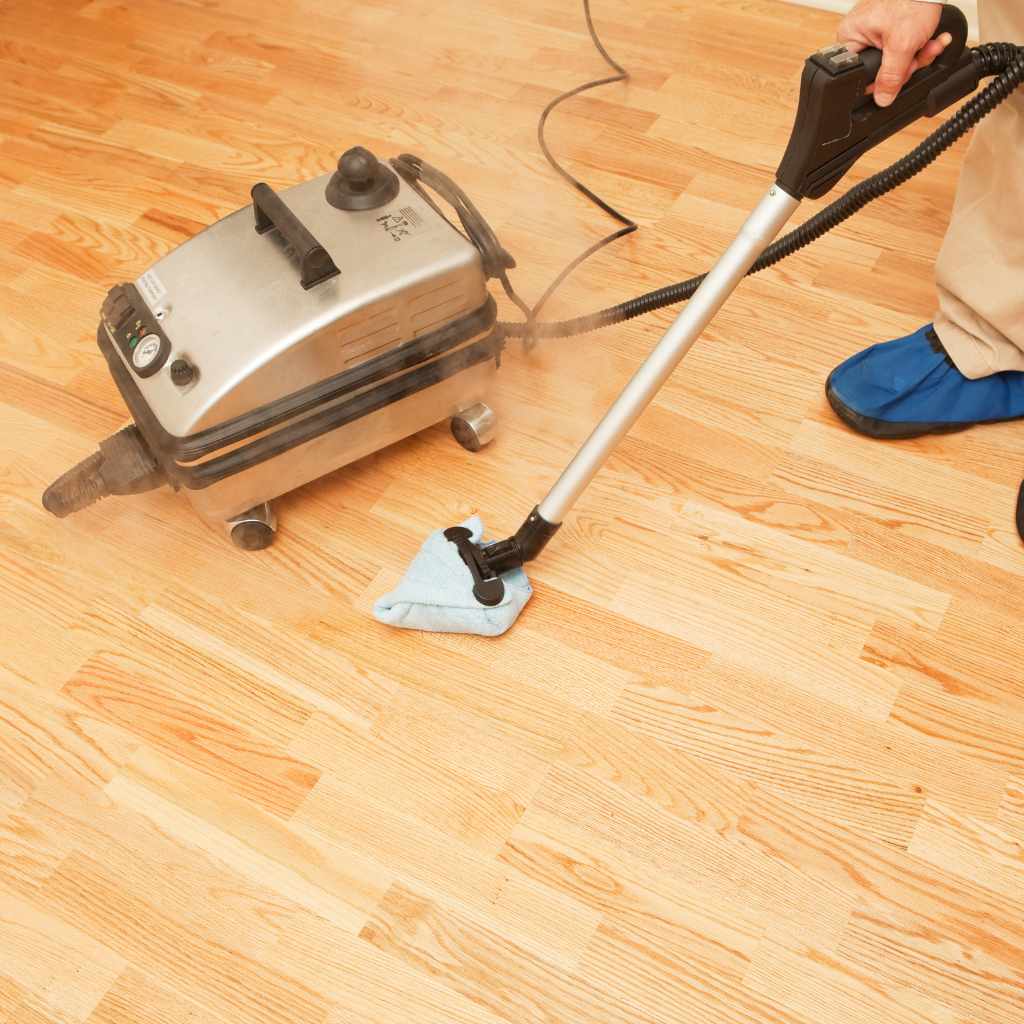
These are the most common type of steam cleaner for home use, often resembling traditional mops. They typically heat water in a reservoir and release steam through a mop head, usually covered with a microfiber pad. The steam is generally applied continuously or in bursts as you move the mop.
For hardwood floors, standard steam mops are the most problematic. Many do not offer adjustable steam levels and release a significant amount of moisture. This direct application of heat and water can be too much for most wood finishes.
The risk of water seeping into the wood or damaging the finish is very high with these devices if used improperly or on unsuitable floors.
High-Powered Steam Cleaners
These are more heavy-duty machines that often come with various attachments for different cleaning tasks. They can produce higher temperatures and more intense steam. While excellent for grout, ovens, and sanitizing surfaces, they are almost always unsuitable for hardwood floors.
The sheer volume and force of the steam can easily damage the wood and its finish.
Steam Mops with Moisture Control Settings
Some manufacturers have recognized the concerns about steam cleaning delicate floors and have developed steam mops with specific features for this purpose. These might include:
- Adjustable steam levels: Allowing you to select a very low setting for hardwood.
- Specialized microfiber pads: Designed to absorb moisture quickly.
- “Steam-off” or “dry” modes: Where the mop heats up to sanitize but releases minimal to no steam.
- Quick dry technology: Aiming to heat the floor surface and help moisture evaporate rapidly.
Even with these features, it’s crucial to use them with extreme care and only on floors confirmed to have a durable, sealed finish. Always start with the lowest setting and test in an inconspicuous area.
Handheld Steam Cleaners
These small, portable units are designed for spot cleaning and sanitizing smaller areas or tough-to-reach spots. While they can produce steam, the amount is usually less intense than a full-sized mop. However, they still direct steam onto a surface, so caution is paramount.
Using a handheld steamer directly on hardwood is generally not recommended, as it can still introduce too much moisture and heat to specific spots, potentially causing damage. They are better suited for hard, non-porous surfaces.
Safe Steam Cleaning Practices for Hardwood
If you’ve assessed your floor and steam cleaner and believe it’s a possibility, following specific practices is essential. This is the crucial part of the answer to, Can I Use a Steam Cleaner on Hardwood Floors? What to Know.
Proper technique minimizes risks and maximizes cleaning effectiveness.
Pre-Cleaning Steps
Before you even think about steam, prepare your floor properly. This ensures the steam cleaner can do its job effectively and safely.
- Sweep or Vacuum Thoroughly: Remove all loose dirt, dust, and debris from the floor. This prevents these particles from being turned into mud by the steam and scratching the floor. Use a vacuum with a hard floor attachment or a soft brush to avoid scratching.
- Check the Floor’s Condition: As mentioned, ensure your floor has a sound, sealed finish. Look for any signs of wear, peeling, or damage. If you have any doubts, do not proceed with steam cleaning.
- Test in an Inconspicuous Area: This is the single most important step. Choose a small, hidden spot, like inside a closet or under a rug, and steam clean a small section. Let it dry completely and check for any discoloration, swelling, or damage to the finish before cleaning the rest of the floor.
Using the Steam Cleaner Correctly
When you’re ready to steam, remember that less is more.
- Use the Lowest Steam Setting: If your steam cleaner has adjustable settings, always use the lowest possible setting. This will emit the least amount of steam and moisture.
- Use a Microfiber Pad: Ensure your steam cleaner is fitted with a clean, dry microfiber pad. These pads are excellent at absorbing moisture. They also help distribute the steam evenly and prevent pooling.
- Move Swiftly: Do not let the steam cleaner sit in one spot for too long. Work in a steady, back-and-forth motion, covering small sections at a time. The goal is to sanitize and loosen dirt, not to saturate the floor.
- Ensure Quick Drying: The faster the steam evaporates, the less chance it has to harm the wood. Open windows or use fans to help the floor dry quickly after steaming. Avoid walking on the floor until it is completely dry.
Post-Cleaning Care
After steaming, the floor needs a little extra attention.
- Inspect the Floor: Once dry, carefully inspect the area you steamed for any signs of damage. Pay close attention to edges, seams, and any previously damaged spots.
- Consider a Wood Polish or Conditioner: If your floor looks dull after cleaning, you might consider applying a wood polish or conditioner designed for sealed hardwood floors. This can help restore shine and provide an additional layer of protection. Always test these products in an inconspicuous area first.
When to Avoid Steam Cleaning Altogether
There are clear scenarios where steam cleaning is not an option for hardwood floors.
- Unsealed or Damaged Floors: Any floor with an unfinished surface, or one with visible wear and tear, scratches, or peeling finish, is a risk.
- Engineered Wood Floors: While some engineered wood floors have water-resistant top layers, the layered construction can still be vulnerable to excess moisture, especially at the seams. It’s generally safer to avoid steam.
- Floors with Wax or Oil Finishes: As discussed, these finishes are highly susceptible to damage from heat and moisture.
- Manufacturer’s Recommendations: Always adhere to the flooring manufacturer’s guidelines. If they advise against steam cleaning, do not use a steam cleaner.
Alternatives to Steam Cleaning for Hardwood Floors
If you’ve decided that steam cleaning is too risky for your hardwood floors, or if you simply want other excellent options, there are many effective and safe ways to keep your wood floors looking great. This ensures you can answer the question, Can I Use a Steam Cleaner on Hardwood Floors? What to Know, by knowing when not to use one and what else to do.
Regular Sweeping and Vacuuming
This is the first line of defense for any hardwood floor. Daily or every-other-day sweeping with a soft-bristle broom or vacuuming with a hard floor attachment will remove dust, dirt, and grit that can scratch the finish over time.
The key here is gentle cleaning. Avoid abrasive brushes on your vacuum or brooms that can leave fine scratches. A good quality microfiber dust mop is also an excellent tool for daily dusting and keeping the surface clean.
Statistics show that proper daily cleaning can significantly extend the life of your floor finish. A survey by the National Wood Flooring Association indicated that most wear on hardwood floors is caused by abrasive particles like sand and grit that are tracked in from outside. Removing these promptly is crucial.
Damp Mopping with Wood-Specific Cleaners
When a deeper clean is needed, damp mopping is the go-to method. The keyword here is “damp,” not “wet.”
Use a mop specifically designed for hardwood floors. These are typically made of microfiber, which absorbs well and releases moisture gently. The cleaner you use should also be formulated for sealed wood floors.
These cleaners are pH-neutral and designed to break down grime without damaging the finish.
The technique is vital. Lightly dampen the mop, wring it out thoroughly so it’s barely moist, and then mop a small section. Move quickly and ensure the floor dries within a minute or two.
If you see water puddles or streaks, you’re using too much liquid.
A common mistake is using too much water, which can lead to the same issues as steam cleaning: swelling, warping, and finish damage. Always follow the cleaner’s instructions and the flooring manufacturer’s recommendations.
For example, a homeowner with a busy household might find they need to damp mop their kitchen or entryway hardwood floors weekly. By using a specialized wood floor cleaner and a well-wrung-out microfiber mop, they can effectively remove dirt and grime without compromising the floor’s integrity. This routine cleaning prevents the buildup of sticky residues from spills, keeping the floor looking its best.
Spot Cleaning Spills Immediately
No matter how diligent you are with regular cleaning, spills happen. The most effective way to deal with them is to act fast.
As soon as a spill occurs, blot it up immediately with a clean, dry cloth or paper towel. For sticky or greasy spills, you might need to use a slightly damp cloth with a tiny amount of wood floor cleaner. However, always follow up with a dry cloth to ensure no moisture remains on the surface.
Leaving spills to sit, especially on unfinished or damaged wood, can lead to permanent stains and damage. The quicker you address a spill, the less likely it is to cause lasting problems.
Professional Hardwood Floor Cleaning
For a more intensive clean or to restore the look of older hardwood floors, professional cleaning services are an excellent option. Professionals have specialized equipment and knowledge to clean hardwood floors safely and effectively.
They often use low-moisture cleaning methods or specialized buffing and screening techniques that can remove grime and dullness without damaging the wood. These services can be particularly beneficial for floors that haven’t been professionally maintained or have accumulated a lot of buildup over the years.
When considering professional cleaning, ask about their methods and whether they have experience with your specific type of hardwood finish. A reputable company will be able to explain their process and assure you of its safety for your floors. This can provide peace of mind, especially when you’re unsure about DIY cleaning methods.
Can I Use a Steam Cleaner on Hardwood Floors? What to Know – Recap
The question of Can I Use a Steam Cleaner on Hardwood Floors? What to Know involves careful consideration of your floor’s finish, the type of steam cleaner you have, and the potential risks. While some modern steam mops with adjustable settings might be used very cautiously on durable, sealed polyurethane finishes, it’s a practice that carries significant risk for most hardwood floors.
Penetrating finishes like oil or wax, older floors, or those with any sign of wear should never be steam cleaned. The primary dangers are moisture-related, leading to swelling, warping, and damage to the finish.
Instead of steam, focus on proven, safe methods like regular sweeping and vacuuming, followed by damp mopping with wood-specific cleaners and immediate spot cleaning of spills. If you’re unsure about your floor’s finish or its condition, it’s always best to consult a professional flooring expert. Prioritizing the longevity and beauty of your hardwood floors means choosing cleaning methods that are known to be safe and effective for wood.
Frequently Asked Questions
Question: Can I steam clean my new hardwood floors?
Answer: It depends on the finish. If they have a durable polyurethane seal and the manufacturer permits it, you might use a steam cleaner on its lowest setting with extreme caution. However, it’s always safest to check the flooring manufacturer’s guidelines first and test in an inconspicuous area.
Question: What happens if I steam clean my hardwood floors and they get damaged?
Answer: Damage from steam cleaning can include swelling, warping, cupping, or crowning of the floorboards. The finish might also bubble, peel, or become discolored. Repairing this type of damage can be expensive and may require refinishing or even replacing floorboards.
Question: Are all microfiber pads safe for hardwood floors with a steam cleaner?
Answer: While microfiber is generally good for absorbing moisture, the heat from the steam can still be an issue. Ensure the pad is designed to be used with steam and always use the lowest steam setting. The pad itself doesn’t negate the risk of excess heat and moisture impacting the wood.
Question: What is the best alternative to steam cleaning for hardwood floors?
Answer: The best alternatives are regular sweeping or vacuuming to remove debris, and then damp mopping with a cleaner specifically designed for sealed hardwood floors. Always wring the mop out very well so it’s just barely moist.
Question: How can I tell if my hardwood floor finish is damaged?
Answer: Signs of a damaged finish include dull spots, scratches that go through the finish into the wood, peeling or flaking areas, and discoloration. If a drop of water soaks into the wood or darkens it quickly, the finish is likely compromised.
Final Thoughts
So, when you’re wondering, Can I Use a Steam Cleaner on Hardwood Floors? What to Know, the most important takeaway is that caution is paramount. Hardwood floors are beautiful investments, and preserving their integrity is key.
For most situations, especially with older floors or finishes like wax and oil, steam cleaning is simply too risky. The heat and moisture can cause irreversible damage like warping and finish breakdown. Modern steam mops with advanced features offer a slight possibility for very durable, sealed polyurethane floors, but this still requires extensive testing and careful handling.
The safer and more reliable path to clean hardwood floors involves embracing time-tested methods. Regular sweeping or vacuuming to remove abrasive particles, followed by a light damp mop with a cleaner formulated for wood, will keep your floors looking fantastic. Address spills immediately, and don’t hesitate to consult professionals if you’re unsure about your floor’s condition or the best cleaning approach.
Protecting your investment means choosing methods that safeguard the wood, not compromise it.