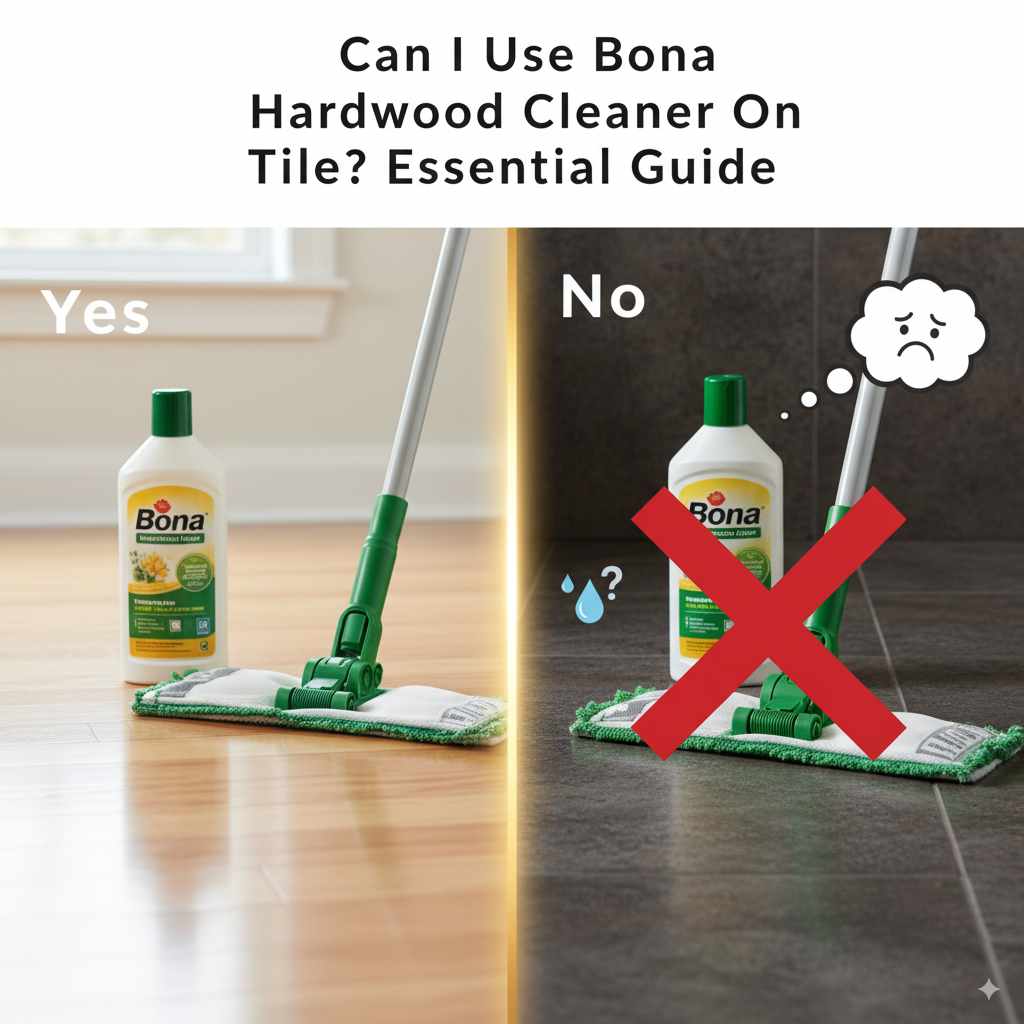
Can I Use Bona Hardwood Cleaner On Tile? Essential Guide
While Bona hardwood floor cleaner is specially formulated for sealed hardwood, it’s generally not recommended for tile. Using it on tile might not clean effectively and could even lead to residue or damage, depending on your tile type. Always use a cleaner designed for your specific flooring.
Hey there, DIY pals! Md Meraj here, ready to tackle another common household cleaning puzzle. You’ve likely got a bottle of Bona hardwood floor cleaner – it’s a fantastic product for wooden floors, leaving them squeaky clean and streak-free. But then you look at your beautiful tile in the kitchen or bathroom and wonder, “Can I just use that same Bona cleaner on my tile floors?” It’s a fair question, especially when you’re aiming for quick and easy cleaning. We all want our homes to sparkle without a fuss, right? Well, let’s dive into this and figure out the best way to care for both your wood and your tile. We’ll break down why this question pops up so often and what the safest, most effective solutions are.
Understanding Your Floor Types: The Key to the Right Cleaner
Before we get to the heart of whether Bona hardwood cleaner is best for tile, it’s crucial that we understand what makes hardwood and tile so different. Think of it like choosing the right paint for a canvas versus a brick wall – they require different approaches! Each material has its own unique properties and needs.
Hardwood Floors: A Natural Beauty
Hardwood floors are crafted from natural wood, which means they are porous and sensitive to moisture. They are typically finished with a protective coating (like polyurethane) to keep them safe from spills and wear. This finish is what makes them durable and beautiful for years, but it also dictates how they should be cleaned. The primary goal when cleaning hardwood is to remove dirt and grime without stripping away this protective finish or allowing excess water to seep into the wood, which can cause warping and damage. Bona hardwood cleaner is specifically designed with these challenges in mind. Its pH-neutral formula and quick-drying properties are perfect for sealed wood.
Tile Floors: Durable and Diverse
Tile floors, on the other hand, are generally much more forgiving when it comes to cleaning. They come in a vast array of materials, including ceramic, porcelain, natural stone (like granite or marble), and even luxury vinyl tile (LVT), which mimics the look of wood or stone. Most tiles are non-porous, meaning they don’t absorb liquids easily. Their grout lines, however, can be a bit more sensitive and susceptible to staining or damage if the wrong cleaner is used.
The main difference for cleaning purposes is that tile can typically handle more moisture and stronger cleaning solutions than wood. While a gentle cleaner is always preferred, tile floors are much less prone to immediate damage from water or the occasional use of a slightly more aggressive cleaner compared to delicate hardwood.
Can I Use Bona Hardwood Cleaner on Tile? The Short Answer
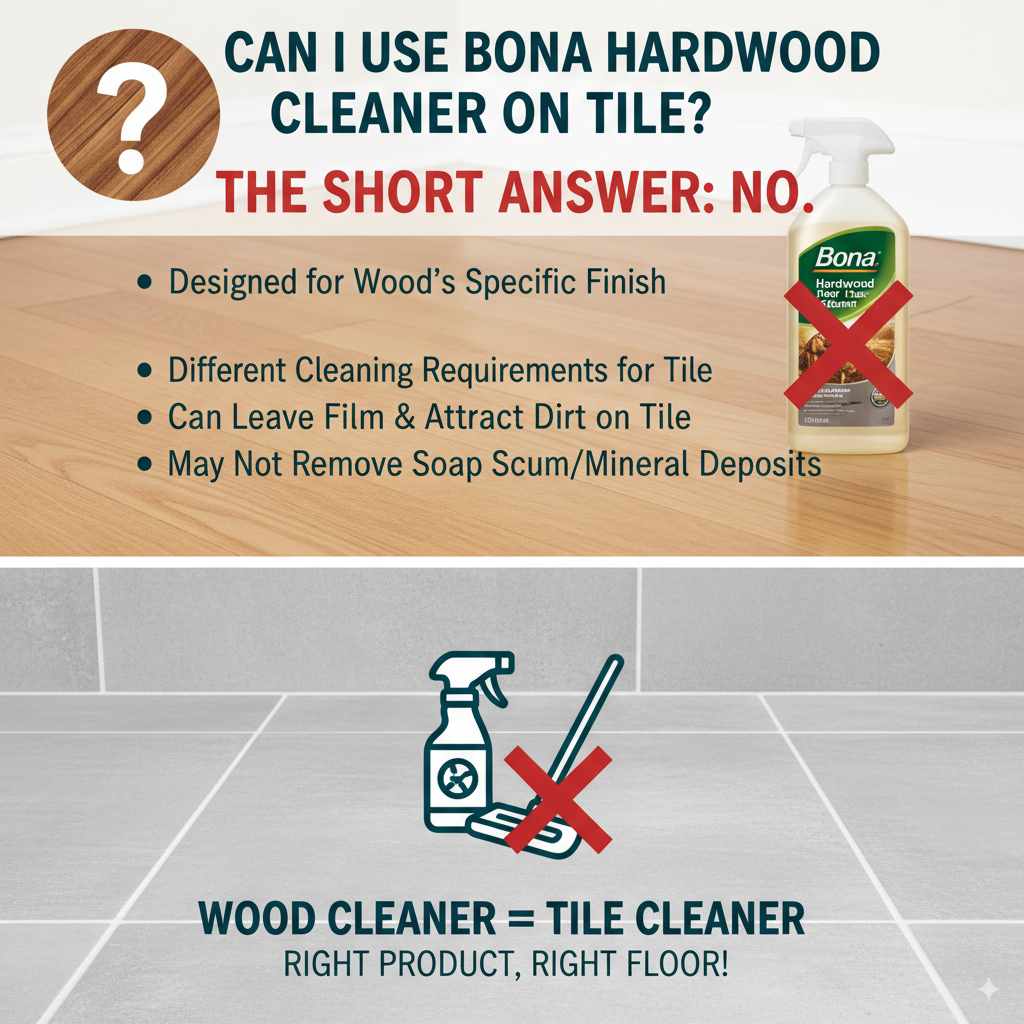
So, to answer the big question directly: No, it’s generally not advisable to use Bona hardwood floor cleaner on tile floors. While it’s a fantastic cleaner for wood, tile has different cleaning requirements. Using a product designed for one type of flooring on another can lead to less-than-ideal results, and in some cases, even harm your surfaces.
Think of it this way: Bona hardwood cleaner is carefully balanced to work with the specific finish on your wood floors. It’s engineered to clean without leaving a residue that could dull the wood or make it slippery. Tile, however, has a different surface composition. Using a cleaner formulated for wood might not effectively break down the types of grime that accumulate on tile, such as soap scum or mineral deposits. It could also leave a film that attracts more dirt or looks dull.
Why Bona Hardwood Cleaner Isn’t Ideal for Tile
Let’s break down the specific reasons why you should keep your Bona hardwood cleaner dedicated to your wood floors and reach for something else for your tile.
1. Formulation Differences
Bona Hardwood Floor Cleaner is a pH-neutral, water-based solution. This is perfect for hardwood because it’s gentle on the wood finish and evaporates relatively quickly, minimizing the risk of water damage. Tile, especially unsealed or natural stone tile, can be sensitive to acids or alkalis. While Bona’s pH-neutral formula is less likely to cause immediate etching on most tiles than a highly acidic or alkaline cleaner, it’s still not optimized for the specific cleaning needs of tile and grout.
2. Cleaning Effectiveness
Tile surfaces often deal with different kinds of messes than hardwood. In kitchens, you might have grease splatters. In bathrooms, soap scum and hard water minerals are common. Bona’s formula aims to lift everyday dirt and dust from wood. It might not have the emulsifying agents needed to effectively break down grease or the mild degreasers required for soap scum on tile. You could find yourself scrubbing harder or needing multiple passes to achieve the same level of clean you’d get with a dedicated tile cleaner.
3. Potential for Residue and Streaks
One of the hallmarks of Bona hardwood cleaner is its streak-free finish on wood. This is achieved through its specific drying properties and ingredients that don’t leave a sticky or dulling film on the wood. However, the residue left by a hardwood cleaner on a non-porous tile surface can sometimes appear dull or even slightly hazy. This film can attract dirt more easily, making your tile floors look dingy faster and requiring more frequent cleaning to maintain their shine.
4. Grout Concerns
Even if the tile itself seems okay, the grout between the tiles can be a major concern. Grout is porous and can absorb cleaning solutions. A cleaner not designed for grout might not clean it effectively, or worse, could degrade it over time. Some hardwood cleaners might leave behind a film that can get trapped in grout lines, making them look dirty faster and harder to clean. For grout, you often need a cleaner with slightly more power to penetrate and lift stains without eroding the grout material.
What Cleaner Should You Use on Tile?
Now that we’ve established why Bona hardwood cleaner isn’t the best choice for tile, let’s talk about what is. The good news is there are many excellent options available, and many are surprisingly simple and affordable.
For Most Ceramic and Porcelain Tiles:
These are the workhorses of the tile world – durable and easy to clean. A simple solution usually does the trick:
- Warm Water and a pH-Neutral Cleaner: A general-purpose tile cleaner or even a mild dish soap (just a tiny drop!) mixed with warm water works wonders. Ensure the cleaner is pH-neutral to be safe for most surfaces. Bona also makes a great Bona All Surface Cleaner that is safe for tile and other floor types, which might be a good alternative if you’re already a Bona fan and want one product for multiple surfaces.
- Vinegar Solution (Use with Caution): A mixture of equal parts white vinegar and water can be effective for cutting through grime and disinfecting. However, be very careful with vinegar on unsealed tile or natural stone, as its acidity can etch the surface. For sealed ceramic and porcelain, it’s usually fine in moderation, but always rinse well.
For Natural Stone Tiles (Marble, Granite, Travertine, etc.):
Natural stone is more delicate and requires specific care. Acidic cleaners (like vinegar) and harsh chemicals can damage the surface, causing etching or discoloration. Always use cleaners specifically formulated for natural stone.
- pH-Neutral Stone Cleaner: These are readily available at home improvement stores and online. Look for labels that explicitly state “for natural stone” or “for marble and granite.”
- Mild Dish Soap and Water: In a pinch, a very small amount of mild dish soap in warm water can be used, but be sure to rinse thoroughly with plain water afterward to remove any residue.
For Grout:
Grout can be the trickiest part. Regular cleaning helps, but sometimes it needs a bit more.
- Baking Soda Paste: A paste made from baking soda and water can be gently scrubbed into grout lines with an old toothbrush. Let it sit for a few minutes, then scrub and rinse. Baking soda is a mild abrasive that helps lift dirt without being too harsh.
- Specialized Grout Cleaners: For stubborn stains, there are many effective grout cleaners on the market. Always follow the product instructions carefully and ensure good ventilation.
- Steam Cleaner: A steam cleaner can be an excellent, chemical-free way to sanitize and clean grout lines.
Step-by-Step Guide: Cleaning Your Tile Floors
Whether you’re using a dedicated tile cleaner or a simple DIY solution, here’s how to get your tile floors looking their best. This process is designed to be easy and effective for beginner DIYers.
Tools and Supplies You’ll Need:
- Your chosen tile cleaner (pH-neutral cleaner, stone cleaner, or mild dish soap)
- Warm water
- Two buckets (one for the cleaning solution, one for rinsing)
- A mop (microfiber mops are excellent for tile)
- A grout brush (an old toothbrush works too!)
- Gloves (optional, to protect your hands)
- A soft cloth or towel for spot drying if needed
The Cleaning Process:
- Preparation is Key: Start by sweeping or vacuuming your tile floor thoroughly. This removes loose dirt, dust, and debris that could scratch the tile surface during mopping.
- Mix Your Cleaning Solution: In one bucket, mix your chosen cleaner with warm water according to the product’s instructions. If you’re using dish soap, just a drop or two is enough – too much will create excessive suds and require extra rinsing. For a vinegar solution (only for appropriate tile types), mix equal parts white vinegar and water.
- Prepare Your Rinse Water: Fill the second bucket with clean, warm water. This will be used to rinse your mop.
- Mop with the Cleaning Solution: Dip your mop into the cleaning solution, wring it out well so it’s damp but not dripping wet. Start mopping a section of your floor. Work in small, manageable sections, moving from the farthest corner of the room towards the exit.
- Rinse Your Mop Frequently: After mopping each section, rinse your mop thoroughly in the clean water bucket. This is crucial! It prevents you from spreading dirty water or cleaner residue back onto the floor, ensuring a cleaner finish.
- Rinse the Floor (If Necessary): For most tile and general cleaners, a final rinse might not be strictly necessary if you’ve used a pH-neutral cleaner and haven’t overly saturated the floor. However, if you used a stronger cleaner, a lot of soap, or if you’re concerned about residue, go over the floor again with a mop dipped in plain water. This is especially important for natural stone.
- Tackle the Grout: If your grout lines need extra attention, apply your chosen grout cleaner (like the baking soda paste) directly to the grout lines. Use your grout brush or toothbrush to gently scrub. Let it sit for a few minutes, then wipe it clean with a damp cloth or sponge.
- Dry and Inspect: Allow the floor to air dry completely. If you notice any damp spots or have concerns about water sitting on the floor (especially around edges or where water might pool), you can use a clean, soft cloth or towel to dry those areas. Inspect your floor for any streaks or missed spots and touch them up as needed.
Comparing Cleaners: Bona Hardwood vs. Dedicated Tile Cleaners
To make it even clearer, let’s look at a simple comparison table. This highlights why specialized cleaners are generally the way to go.
| Feature | Bona Hardwood Floor Cleaner | Dedicated Tile Cleaner (General Purpose) | Dedicated Stone Floor Cleaner |
|---|---|---|---|
| Primary Use | Sealed hardwood floors | Ceramic and porcelain tile | Natural stone (marble, granite, etc.) |
| pH Level | pH-neutral | Often pH-neutral, sometimes slightly alkaline | pH-neutral |
| Moisture Handling | Quick-drying, designed to minimize water exposure | Can handle more moisture, but avoid saturation | Very sensitive to moisture; requires minimal water |
| Effectiveness on Grease/Scum | Mild; designed for wood dust and grime | Good; formulated to break down common tile messes | Mild; designed to avoid damaging stone |
| Residue Tendency on Tile | Can sometimes leave a dull film | Generally leaves a clean, residue-free finish | Designed to leave no residue and protect finish |
| Grout Compatibility | May leave residue that traps dirt | Generally good, especially pH-neutral formulas | Excellent; designed to be grout-safe |
| Risk of Damage to Surface | Low risk on most sealed tile, but not optimal | Very low risk on intended surfaces | Low risk when used as directed |
Pros and Cons of Using Bona Hardwood Cleaner on Tile (Hypothetical)
While we’ve strongly advised against it, let’s imagine a scenario where someone might consider it, and weigh the potential outcomes.
Potential Pros (Limited and Situational):
- Convenience: You already have it on hand, saving a trip to the store.
- pH-Neutral Formula: It’s generally gentler than highly acidic or alkaline cleaners.
- Quick Drying: Similar to how it’s good for wood, it might not leave excessive standing water, which is generally good for most floors.
Cons (Significant and Likely):
- Ineffective Cleaning: May not tackle common tile messes like grease or soap scum effectively.
- Residue Build-up: Can leave a dulling film on tile that attracts dirt and streaks.
- Grout Issues: Might not clean grout properly and could contribute to it looking dingy.
- Wasted Effort: You might end up scrubbing harder or cleaning twice, wasting time and effort.
- Suboptimal Shine: Your tile might not look as clean or bright as it could with the right product.
- Potential for Damage (Long-term): While less likely than with harsh chemicals, improper use or residue build-up could indirectly lead to issues over time.
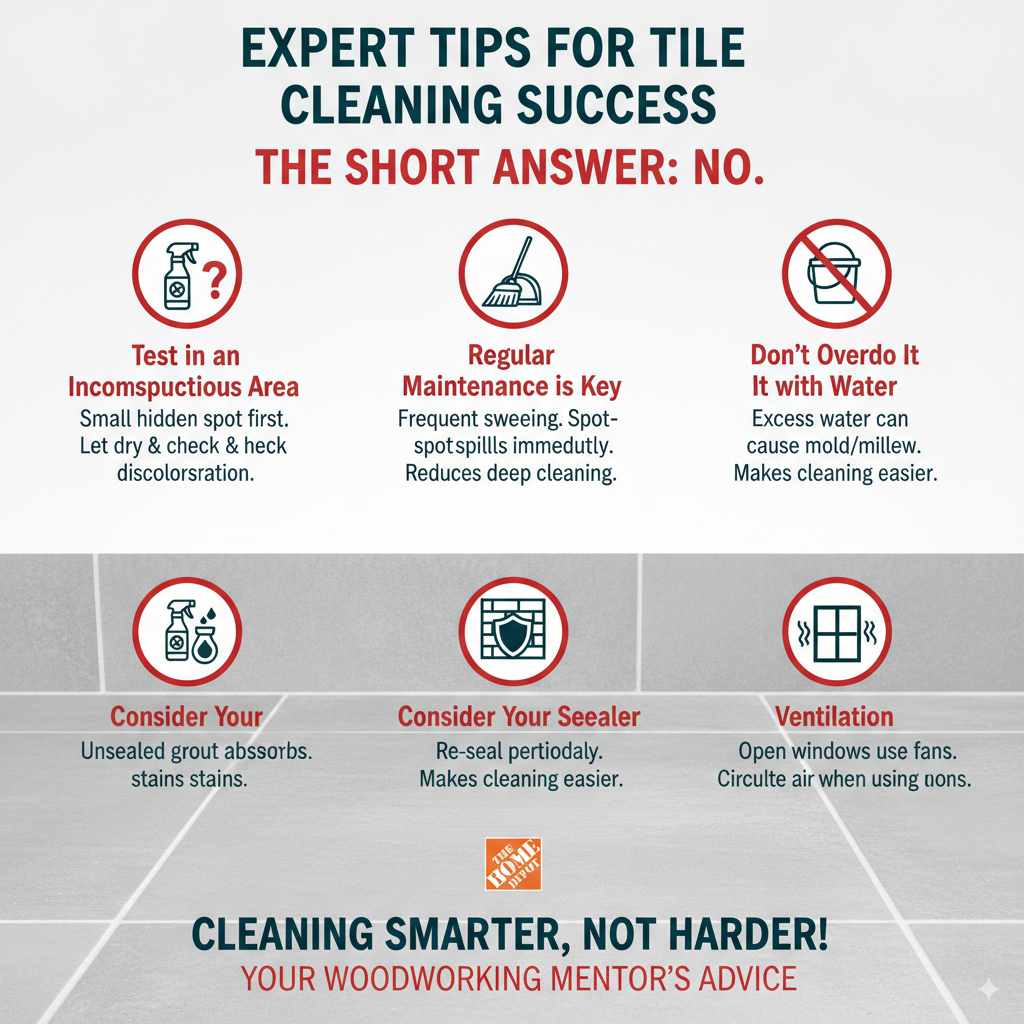
Expert Tips for Tile Cleaning Success
As your woodworking mentor, my approach to any DIY task, including cleaning, is about preparedness and using the right tool for the job. Here are a few extra tips to ensure your tile floors always look their best:
- Test in an Inconspicuous Area: If you’re ever unsure about a cleaner, especially on natural stone or an older tile installation, always test it on a small, hidden spot first (like inside a closet or behind a door). Let it dry and check for any discoloration or etching before cleaning the whole floor.
- Regular Maintenance is Key: Frequent sweeping and spot-cleaning spills immediately will significantly reduce the need for deep cleaning and prevent tough stains.
- Don’t Overdo It with Water: Even though tile is more durable than wood, avoid flooding the floor. Excess water can seep into grout lines, potentially causing mold or mildew issues over time, especially in areas with older grout.
- Consider Your Grout Sealer: If you have unsealed grout, or if your grout sealer is wearing off, it will absorb stains much more easily. Re-sealing your grout periodically (check manufacturer recommendations) can make cleaning much easier. The Home Depot often has a good range of grout sealers and advice on application.
- Ventilation is Your Friend: When using any cleaning product, especially if it has a scent or you’re using something a bit stronger for grout, ensure the room is well-ventilated. Open windows or use fans to circulate air.
Frequently Asked Questions (FAQs)
Here are some quick answers to common questions people have about using cleaning products on different floor types:
Q1: Will Bona hardwood cleaner damage my tile?
A1: For most sealed ceramic and porcelain tiles, Bona hardwood cleaner is unlikely to cause immediate, visible damage. However, it’s not formulated for tile, so it might leave a residue or not clean effectively. On natural stone tiles, there’s a slightly higher risk of interaction if the formula isn’t perfectly pH-neutral or if the stone is particularly sensitive.