Can PineSol Be Used on Wood Floors Safe Cleaning Guide
Many folks wonder if they can use Pine-Sol to clean their beautiful wood floors. It seems like a common household cleaner, so it’s natural to think it might work. However, cleaning wood floors can be tricky, and using the wrong cleaner can cause damage.
Don’t worry! We’re here to break down exactly how to do it safely. This guide will show you the simple steps to keep your wood floors sparkling clean without any worries.
Let’s get started and discover the best way to tackle this common cleaning question.
Safe Cleaning Pine-Sol On Wood Floors Guide
When you’re thinking about cleaning your wood floors, you want a product that works well but also protects the finish. Pine-Sol is a popular disinfectant and cleaner, known for its fresh scent and cleaning power. The question of whether it’s safe for wood floors comes up a lot because not all cleaners are created equal when it comes to different surfaces.
Wood, especially finished wood floors, requires a gentle approach to avoid dulling the shine or even causing the finish to peel over time. This section will explain why this is a common concern and how to address it effectively.
Understanding Wood Floor Finishes
Wood floors have a protective coating called a finish. This finish is what gives your floor its shine and keeps the wood itself safe from spills and scratches. There are several types of finishes, like polyurethane, wax, and oil.
Each type has different needs when it comes to cleaning. Polyurethane finishes are the most common in modern homes and offer good protection. Wax finishes are older and require special care, as water can damage them easily.
Oil finishes penetrate the wood and offer a more natural look but also need specific cleaners.
The chemicals in some cleaners can break down these finishes. For example, harsh alkaline cleaners can strip away wax or dull a polyurethane finish. Acidic cleaners can also damage certain finishes.
Even water, if left to sit, can seep into the wood and cause warping or discoloration, especially if the finish is compromised. Therefore, knowing what type of finish you have is the first step in choosing the right cleaning product.
Here are some common types of wood floor finishes:
- Polyurethane Finish: This is a durable synthetic coating that sits on top of the wood. It’s very common in homes built from the 1970s onward. Polyurethane offers excellent protection against wear, spills, and moisture. It comes in different sheens, from matte to high gloss.
- Wax Finish: This is a more traditional finish, often found on older homes. It penetrates the wood and provides a softer sheen. Wax finishes are beautiful but are more susceptible to water damage and require buffing and reapplication over time. They are also more easily dulled by harsh cleaners.
- Oil Finish: These finishes penetrate the wood grain, hardening within the wood fibers to protect them. They offer a natural, matte look and are easy to repair. However, they are less resistant to stains and moisture compared to polyurethane.
- Varnishes: Similar to polyurethane, varnishes are surface coatings that provide protection. They can be oil-based or water-based and vary in durability and appearance.
When it comes to cleaners, it’s vital to pick one that is pH-neutral or specifically designed for wood floors. Strong chemicals found in general-purpose cleaners can etch the surface, remove protective layers, or leave a cloudy residue that’s hard to get rid of. Understanding your floor’s finish helps you avoid common mistakes that can lead to costly repairs or refinishing.
Pine-Sol Ingredients and Wood Floors
Pine-Sol is a versatile cleaner that contains pine oil, sodium lauryl sulfate, and sometimes other ingredients like water and fragrances. The primary cleaning agent is pine oil, which is a natural solvent. However, the formulation also includes surfactants like sodium lauryl sulfate, which help lift dirt and grease.
While these ingredients are effective for many cleaning tasks, their effect on wood floor finishes needs careful consideration.
Pine oil itself is generally considered safe for many surfaces. However, the overall pH of Pine-Sol can be an issue. Many versions of Pine-Sol are slightly alkaline.
Highly alkaline cleaners can react with the protective coatings on wood floors, especially polyurethane and wax finishes. This reaction can cause the finish to become dull, cloudy, or even start to break down over time. Imagine trying to wash a painted surface with something too harsh; the paint might fade or lose its sheen.
Wood floor finishes can react similarly.
Sodium lauryl sulfate, a common surfactant, is a detergent that creates suds and helps loosen dirt. While effective, if not rinsed properly, it can leave behind a residue that attracts more dirt. For wood floors, any residue can make them look dull and feel sticky.
Excessive scrubbing to remove this residue can also damage the finish.
Pine-Sol also contains fragrances and dyes, which are generally not an issue for wood floors themselves but contribute to the overall chemical makeup of the product. The key takeaway is that while Pine-Sol disinfects and cleans well on many surfaces, its chemical properties, particularly its pH and surfactant content, make it a questionable choice for direct, undiluted application on finished wood floors without specific precautions.
Let’s look at the typical ingredient breakdown and its implications:
- Pine Oil: A natural solvent that helps cut through grease and grime. While effective, its strength can be too much for some wood finishes if not diluted.
- Sodium Lauryl Sulfate (SLS): A surfactant that creates foam and helps lift dirt. If not rinsed thoroughly, it can leave a residue that dulls the floor’s appearance.
- Water: Acts as a solvent and carrier for other ingredients. Too much water left standing on wood floors is always a risk, regardless of the cleaner used.
- Fragrances and Dyes: Primarily for scent and visual appeal. They are usually not harmful to the wood finish but can contribute to the overall chemical load.
The pH of a cleaning solution is a critical factor for wood floors. Ideally, cleaners for wood should be close to neutral (pH of 7). Many household cleaners, including some Pine-Sol formulations, can have a pH between 8 and 10, classifying them as alkaline.
This alkalinity can be aggressive towards the sealants and finishes protecting your wood floors.
Can Pine-Sol Be Used on Wood Floors Safely?
The short answer is yes, but with significant precautions and dilution. Applying Pine-Sol directly or in high concentrations can indeed damage your wood floors. The main concern is its alkalinity, which can strip away the protective finish, leaving the wood vulnerable and dull.
Additionally, using too much water, a common outcome with liquid cleaners, can lead to warping or water damage over time. Therefore, using Pine-Sol on wood floors is not as straightforward as using it on tile or linoleum.
When people ask, “Can Pine-Sol be used on wood floors?”, they are often looking for a simple, effective cleaning solution. The challenge lies in that simplicity not always being appropriate for delicate surfaces like wood. However, with the right dilution and technique, Pine-Sol can be used sparingly for light cleaning and disinfection without causing harm.
The key is to understand that wood floors are sensitive, and aggressive cleaning methods or products can lead to irreversible damage.
Here’s what you need to know to proceed safely:
- Dilution is Key: Never use Pine-Sol at full strength on wood floors. Always dilute it with water according to the instructions for light cleaning or disinfecting, and even then, consider further dilution.
- Test First: Always test the diluted solution on an inconspicuous area of your floor first. Wait for it to dry completely to check for any adverse reactions like dulling, discoloration, or residue.
- Avoid Excess Water: Use a well-wrung-out mop. The mop should be damp, not soaking wet. Excess water is the enemy of wood floors.
- Wipe Dry: After mopping with the diluted Pine-Sol solution, consider going over the floor with a clean, dry mop or soft cloth to remove any lingering moisture.
It’s also important to consider the type of finish your wood floors have. Older wax finishes are particularly sensitive to alkaline cleaners like Pine-Sol and can be easily stripped or dulled. Newer polyurethane finishes are more durable but can still be negatively affected by prolonged exposure or high concentrations of harsh chemicals.
For context, let’s look at the recommended dilution ratios for Pine-Sol on different surfaces to understand how much dilution is typically suggested:
| Cleaning Task | Dilution Ratio (Pine-Sol to Water) | Typical Use |
|---|---|---|
| General Cleaning (Floors, Walls) | 1/2 cup to 1 gallon | Kitchens, bathrooms, floors |
| Heavy Duty Cleaning | 1 cup to 1 gallon | Tough grime, grease |
| Disinfecting (Non-porous surfaces) | 1 cup to 1 gallon | To kill germs |
| Disinfecting (10 min contact time) | 1/2 cup to 1 gallon | For thorough disinfection |
For wood floors, it’s advisable to use a dilution even less concentrated than the general cleaning recommendation, perhaps starting with 1/4 cup to 1 gallon of water, and always follow with a dry wipe-down.
Steps for Safe Pine-Sol Wood Floor Cleaning
If you decide to use Pine-Sol on your wood floors, following these steps will help minimize any potential risks. This method focuses on gentle cleaning and protection of the wood’s finish. Remember, consistent use of any cleaner that is not specifically designed for wood floors can lead to problems down the line, so it’s best to use this method sparingly and when deep cleaning or disinfection is truly needed.
The process is designed to be simple and effective, ensuring that you get a clean floor without compromising its integrity. It emphasizes light application and thorough drying, two critical factors for wood floor maintenance. This approach is a practical way to answer the question “Can Pine-Sol be used on wood floors?” with a qualified “yes, if done correctly.”
- Prepare Your Floor
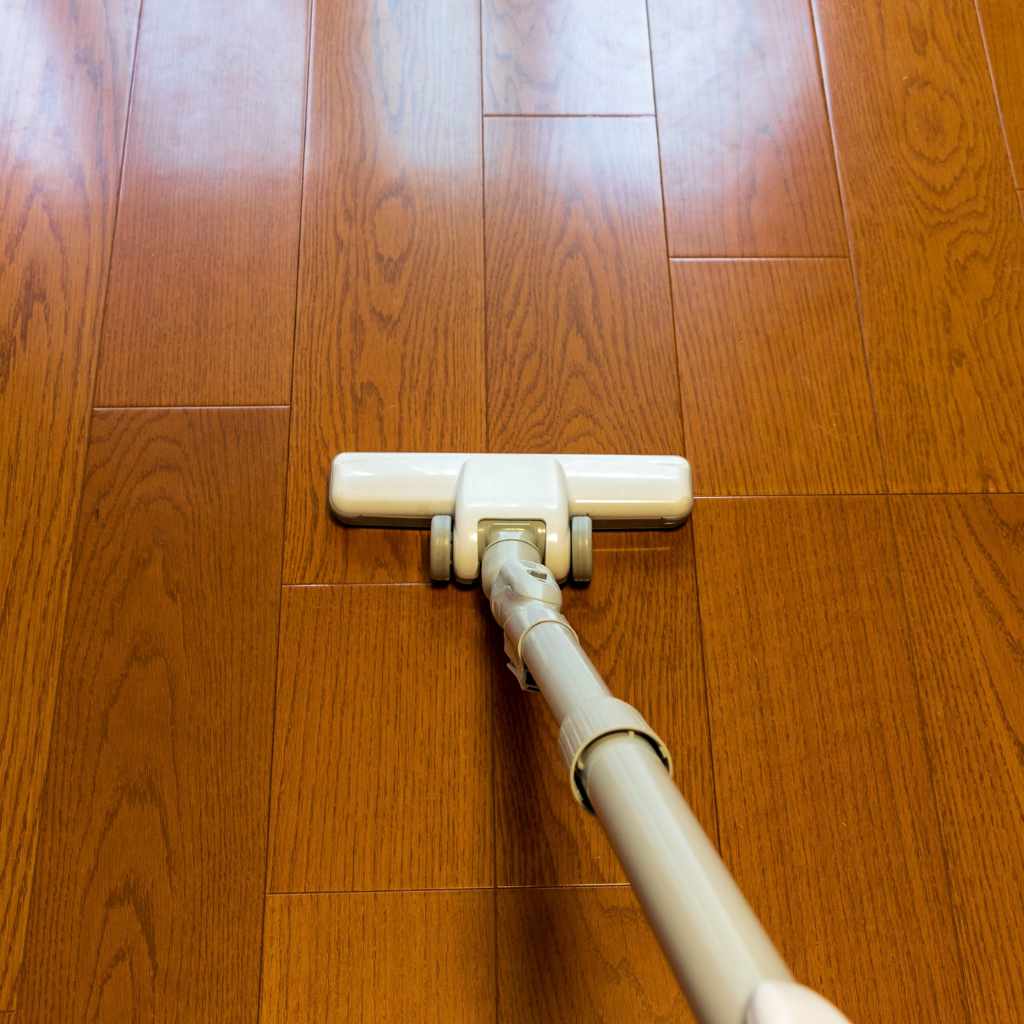
Before you start cleaning, it’s essential to remove any loose dirt, dust, and debris from your wood floors. You can do this by sweeping with a soft-bristle broom or vacuuming with a vacuum cleaner that has a hardwood floor attachment. This step prevents you from scratching the floor with grit while you’re cleaning.
Think of it as clearing the path for a smooth, clean finish. Making sure the surface is free of particles also helps the cleaning solution work more effectively.
- Prepare the Cleaning Solution
Mix the Pine-Sol with water in a bucket. For wood floors, it’s crucial to use a much milder solution than recommended for other surfaces. Start with a very small amount of Pine-Sol, such as 1/4 cup, mixed into a gallon of warm water.
You can adjust slightly if needed, but always err on the side of caution. The goal is a lightly scented water solution, not a potent cleaning brew. Using warm water can help the Pine-Sol dissolve better and potentially clean more effectively without needing a stronger concentration.
- Damp Mop Your Floors
Dip a mop into the diluted solution. Then, wring it out thoroughly until it is just damp, not wet. Excess water is a major hazard for wood floors.
Glide the damp mop over your wood floors in the direction of the wood grain. Work in small sections, moving from one area of the room to the next. Don’t let the mop leave visible puddles or streaks of water on the floor.
A slightly damp mop will clean without saturating the wood.
- Wipe Dry If Necessary
After mopping a section, you can go over it with a clean, dry microfiber cloth or a dry mop to ensure all moisture is removed. This step is especially important if you notice any residual dampness or if your floor has a particularly sensitive finish. Letting any moisture sit on the wood can lead to swelling, warping, or damage to the finish over time.
A quick dry wipe ensures the floor is clean and completely dry.
- Allow to Air Dry Completely
Let the floor air dry completely before allowing foot traffic. While the damp mopping method should leave minimal moisture, it’s always best to give the wood a chance to breathe and dry fully. This might take anywhere from 15 minutes to an hour, depending on humidity and ventilation.
Keeping pets and children off the floor during this time will prevent new scuffs and ensure the best finish.
Alternatives to Pine-Sol for Wood Floors
Given the potential risks associated with using Pine-Sol on wood floors, many people opt for cleaners specifically formulated for wood. These alternatives are designed to be safe, effective, and gentle on various wood finishes. They often have a neutral pH and contain ingredients that clean without stripping, dulling, or leaving residues.
Exploring these options can give you peace of mind that you are caring for your wood floors in the best possible way.
The market offers a wide range of wood floor cleaners, from well-known brands to more specialized eco-friendly options. Each type has its own set of benefits, catering to different cleaning needs and preferences. Some are designed for everyday cleaning, while others tackle tougher stains or provide extra shine.
Knowing these alternatives can help you make an informed decision about the best cleaning products for your home.
Here are some excellent alternatives:
- pH-Neutral Wood Floor Cleaners: These are often the safest bet. Brands like Bona, Swiffer WetJet Wood Floor Cleaner, or Method Squirt + Mop Wood Floor Cleaner are specifically designed with wood finishes in mind. They are formulated to clean effectively without damaging the protective coating. Many come in spray bottles for easy application.
- Water and Mild Dish Soap (Sparingly): For light cleaning, a very dilute solution of water and a tiny amount of pH-neutral dish soap can be used. Use only a drop or two of soap in a gallon of water and ensure you wring your mop out extremely well. This method is best for quick spot cleaning rather than routine washing.
- Vinegar and Water (with Caution): Some recommend a mixture of white vinegar and water. However, vinegar is acidic and can dull some finishes. If you choose this route, use a very weak solution (e.g., 1/4 cup vinegar to a gallon of water) and test it in an inconspicuous spot. It’s generally less recommended than pH-neutral cleaners.
- Specialized Wood Floor Polish and Cleaners: For deeper cleaning or to restore shine, specialized wood floor polishes and cleaners are available. These products can fill minor scratches and provide a protective layer. Always choose products that are compatible with your specific floor finish.
When selecting an alternative, always check the product label to ensure it’s suitable for your type of wood floor. Some products might be specifically for sealed wood floors, while others are for unsealed or oiled floors. Reading reviews and manufacturer recommendations can also guide your choice.
For instance, if your floors have a water-based polyurethane finish, a water-based cleaner is generally preferred over an oil-based one.
Consider these factors when choosing an alternative cleaner:
- Finish Compatibility: Does the cleaner specify which finishes it works with?
- Ingredients: Look for gentle surfactants and avoid harsh chemicals like ammonia or bleach.
- Residue: Will the cleaner leave a sticky or dulling residue?
- Ease of Use: Is it a spray-and-mop product, or does it require mixing?
Many wood floor manufacturers offer their own line of cleaning products, which are guaranteed to be safe for their finishes. Consulting your flooring’s warranty or manufacturer’s website is a great starting point. These specific products are often the best way to maintain the beauty and longevity of your investment.
Benefits of Using Dedicated Wood Floor Cleaners
Opting for cleaners specifically designed for wood floors offers several advantages over using general-purpose cleaners like Pine-Sol. The primary benefit is the assurance of safety for your floor’s finish. These products are formulated to respect the delicate nature of wood and its protective coatings, preventing common issues like dullness, residue, and finish degradation.
This specialized approach can save you money and hassle in the long run by avoiding costly repairs.
Dedicated wood floor cleaners also often provide additional benefits, such as enhancing shine, providing a protective layer, or even offering a pleasant, subtle fragrance without overwhelming chemicals. Their ease of use, often in spray-and-mop systems, makes routine cleaning less of a chore. This section highlights why investing in the right cleaner is a smart choice for the care of your home.
Here are the key benefits:
- Preserves Floor Finish: Wood floor cleaners are pH-balanced and formulated with gentle ingredients that won’t strip, dull, or damage the polyurethane, wax, or oil finish on your floors. This helps maintain the floor’s original luster and protective qualities.
- Prevents Residue Buildup: Unlike some multi-purpose cleaners, dedicated wood floor cleaners are designed to rinse clean or dry without leaving a sticky residue that attracts dirt and dust. This means your floors stay cleaner for longer.
- Enhanced Shine and Appearance: Many specialized cleaners contain ingredients that can actually enhance the natural beauty and shine of your wood floors, making them look their best. Some even contain micro-enhancers that fill in tiny imperfections in the finish.
- Ease of Use and Convenience: Most wood floor cleaners are ready-to-use, often in spray bottles, making the cleaning process quick and straightforward. This convenience encourages regular cleaning, which is vital for maintaining wood floors.
- Protects Against Damage: By properly cleaning and maintaining the finish, these cleaners help protect the wood itself from moisture penetration, scratches, and wear, extending the life of your flooring.
Consider the ingredients commonly found in specialized wood floor cleaners. They often include water, mild cleaning agents (like plant-derived surfactants), and sometimes natural conditioning agents or polymers. You’ll rarely find harsh solvents, strong acids, or high levels of alkalinity, which are the main culprits behind damage to wood finishes.
For example, a product might list ingredients such as ‘water,’ ‘fragrance,’ ‘peg-40 hydrogenated castor oil’ (a gentle emulsifier), and ‘sodium citrate’ (a pH adjuster). These are far gentler than the components found in a general disinfectant.
One common scenario where a dedicated cleaner shines is when dealing with scuff marks. A good wood floor cleaner can often lift these marks without aggressive scrubbing, whereas a stronger cleaner might damage the finish trying to remove the same mark. Another benefit is how these cleaners handle spills.
A spill on a wood floor needs to be wiped up quickly. A cleaner designed for wood will help you clean it effectively and remove any residue that might otherwise attract dirt or cause staining.
Pine-Sol vs. Dedicated Wood Floor Cleaners Comparison
To clearly illustrate the differences, let’s compare Pine-Sol (used cautiously on wood) with dedicated wood floor cleaners. This comparison will highlight why specialized products are generally the preferred choice for maintaining the beauty and integrity of your wood floors.
| Feature | Pine-Sol (Diluted for Wood) | Dedicated Wood Floor Cleaner |
|---|---|---|
| Primary Purpose | Disinfection and general cleaning; wood floor use is secondary and requires caution. | Specifically formulated to clean and protect wood floors. |
| pH Level | Often mildly alkaline, which can be harsh on wood finishes. | Typically pH-neutral or slightly acidic, designed to be safe for wood. |
| Ingredient Safety for Wood | Contains surfactants and pine oil that can potentially strip or dull finishes if not highly diluted and carefully used. | Gentle, wood-safe ingredients that clean without damaging the finish. |
| Residue Potential | Higher risk of leaving a sticky or dulling residue if not fully rinsed or dried. | Designed for a residue-free finish. |
| Risk of Damage | Moderate to high risk of dulling, stripping, or staining if used incorrectly. | Low risk of damage when used as directed. |
| Ease of Use | Requires careful dilution and immediate drying. | Generally spray-and-mop, very straightforward. |
| Cost-Effectiveness (Long Term) | May seem cheaper initially, but potential damage can lead to higher repair costs. | Slightly higher upfront cost, but preserves flooring investment and reduces repair needs. |
As you can see, while Pine-Sol can be used in a pinch with extreme care, it’s not the ideal choice for routine wood floor cleaning. Dedicated wood floor cleaners offer a much lower risk profile and are designed to maintain the appearance and longevity of your floors. For example, using Pine-Sol might leave a slight haziness on your floor after a few uses, whereas a dedicated cleaner will maintain its original sheen.
This is because the harsh chemicals in Pine-Sol can break down the polymers in the floor’s finish over time, a problem not typically encountered with specialized cleaners.
A real-life example could be a homeowner who uses Pine-Sol frequently on their oak floors. Over a year, they might notice the floors looking duller and feeling rougher to the touch. They might then switch to a dedicated wood floor cleaner.
After a few weeks of using the specialized cleaner, they would likely see a significant improvement in the floor’s shine and smoothness, as the dedicated cleaner removes the buildup and helps restore the finish without further damage.
Maintaining Your Wood Floors Long-Term
Keeping your wood floors looking beautiful for years to come involves more than just cleaning. It’s about a combination of regular maintenance, proper cleaning techniques, and protecting the floors from damage. Think of it as a lifestyle rather than a chore.
By adopting good habits, you can significantly extend the life of your wood flooring and keep it looking as good as new.
Regular care prevents small issues from becoming big problems. For instance, small scratches can accumulate over time and make the floor look worn. However, if addressed early with the right products or techniques, these can often be minimized.
This section will cover the ongoing practices that contribute to the lasting beauty of your wood floors, going beyond just the question of “Can Pine-Sol be used on wood floors?”
Here are key practices for long-term wood floor care:
- Regular Sweeping or Vacuuming: This is the most important step in preventing scratches. Daily or every-other-day sweeping or vacuuming with a soft brush attachment removes grit, dust, and pet hair that can act like sandpaper underfoot. This simple habit prevents microscopic scratches that dull the finish over time.
- Wipe Up Spills Immediately: Wood and moisture are not friends. Any liquid spilled on the floor should be wiped up immediately with a clean, dry cloth. This prevents water spots, staining, and potential warping of the wood.
- Use Protective Mats: Place mats at all entrances to trap dirt and moisture from shoes. Also, use mats under heavy furniture, pet bowls, and in high-traffic areas to prevent scratches and wear.
- Avoid Harsh Cleaners: As discussed, stick to cleaners specifically designed for wood floors. Avoid using abrasive cleaners, ammonia, or strong solvents, as these can damage the finish and the wood itself.
- Use Furniture Pads: Attach felt pads to the bottom of all furniture legs. This prevents scratches and dents when furniture is moved. Check and replace these pads regularly as they can wear down.
- Control Humidity: Wood expands and contracts with changes in humidity. Maintaining a consistent humidity level in your home (ideally between 35-55%) can prevent warping, gapping, or cupping of the floorboards. Use a humidifier or dehumidifier as needed.
- Refinish When Needed: Over time, the finish on your wood floors will wear down. Depending on the traffic and finish type, floors may need to be screened and recoated or fully refinished every 5-15 years. This process restores the protective layer and revives the floor’s appearance.
Consider a scenario where a family with pets consistently cleans up pet accidents immediately. This prevents stains from setting into the wood and avoids damage to the finish that could occur from prolonged contact with pet waste. Another example is a family that has diligently placed felt pads on all their furniture.
When they rearrange their living room, the furniture slides easily without leaving any scratches or marks on the hardwood, preserving its pristine condition. These small, consistent efforts make a big difference.
For example, studies show that homes with controlled humidity levels experience significantly less wood flooring expansion and contraction. One report indicated that maintaining relative humidity between 40-60% can reduce the risk of cupping and warping by up to 80% compared to uncontrolled environments. This highlights the importance of environmental factors in wood floor longevity.
Frequently Asked Questions
Question: Is Pine-Sol safe for all types of wood floors?
Answer: Pine-Sol is generally not recommended for all types of wood floors. While it can be used with extreme caution and heavy dilution on some sealed polyurethane finishes, it is not safe for waxed, oiled, or unfinished wood floors. The alkaline nature of Pine-Sol can damage these delicate finishes.
It’s always best to use cleaners specifically designed for wood floors.
Question: How often can I use Pine-Sol on my wood floors if I dilute it heavily?
Answer: It’s best to use Pine-Sol on wood floors very sparingly, perhaps only for occasional deep cleaning or disinfection when absolutely necessary. For routine cleaning, it’s advisable to stick to pH-neutral wood floor cleaners. Frequent use, even diluted, can still contribute to gradual wear on the finish over time.
Question: What should I do if I accidentally used Pine-Sol undiluted on my wood floors?
Answer: If you used Pine-Sol undiluted, immediately wipe up any excess liquid. Then, go over the area with a damp cloth using only plain water to try and remove any residue. Finally, dry the floor thoroughly with a soft cloth.
You may need to assess the floor for any dulling or discoloration. If damage has occurred, you might need to use a wood floor restorer or consult a professional.
Question: Can I use Pine-Sol on laminate or vinyl wood-look flooring?
Answer: Pine-Sol is generally safe for laminate and vinyl flooring, as these materials are typically more water-resistant and have a different type of protective layer than real wood. However, always check the manufacturer’s guidelines for your specific flooring type to be sure. For these materials, ensure you still wring out your mop well.
Question: Will Pine-Sol disinfect my wood floors effectively?
Answer: Pine-Sol is an effective disinfectant for many surfaces, and when properly diluted and used on wood floors, it can kill germs. However, the primary concern remains the potential damage to the wood finish. If disinfection is your main goal and you’re worried about the finish, consider a specialized wood floor disinfectant or a product like hydrogen peroxide mixed with water, which is gentler than many commercial disinfectants.
Final Thoughts
When it comes to cleaning your wood floors, the question of “Can Pine-Sol be used on wood floors?” brings up important considerations about protecting your investment. While Pine-Sol offers cleaning power for many household surfaces, its alkaline nature can be problematic for the delicate finishes on wood floors. The key takeaway is that if you choose to use Pine-Sol, extreme dilution and thorough drying are absolutely essential, and even then, it should be a very infrequent practice.
Many homeowners find that the peace of mind and superior results offered by cleaners specifically designed for wood floors are well worth the investment. These specialized cleaners are formulated to gently clean, protect, and enhance the natural beauty of your wood without the risk of damage. Making informed choices about your cleaning products ensures that your wood floors remain a stunning feature of your home for years to come, maintaining their original sheen and integrity through consistent, safe care.