Can Plywood Get Wet During Construction
It’s a question many builders, especially those new to a project, might wonder about. You’re working on a house, and it starts to rain. Or maybe a pipe bursts.
What happens to the plywood? Understanding how water affects this common building material is super important. We’ll break it down simply so you know exactly what to do and what to expect.
Understanding Plywood Exposure During Building
Plywood is a really useful material in construction, but it’s not waterproof. This section explores why builders worry about plywood getting wet. We’ll talk about how rain, spills, or even humidity can cause problems if not handled correctly.
Knowing this helps you protect your building materials and your project’s future. We’ll cover the common scenarios where plywood might encounter moisture during the building process and the initial signs of trouble.
What is Plywood and Why is it Used?
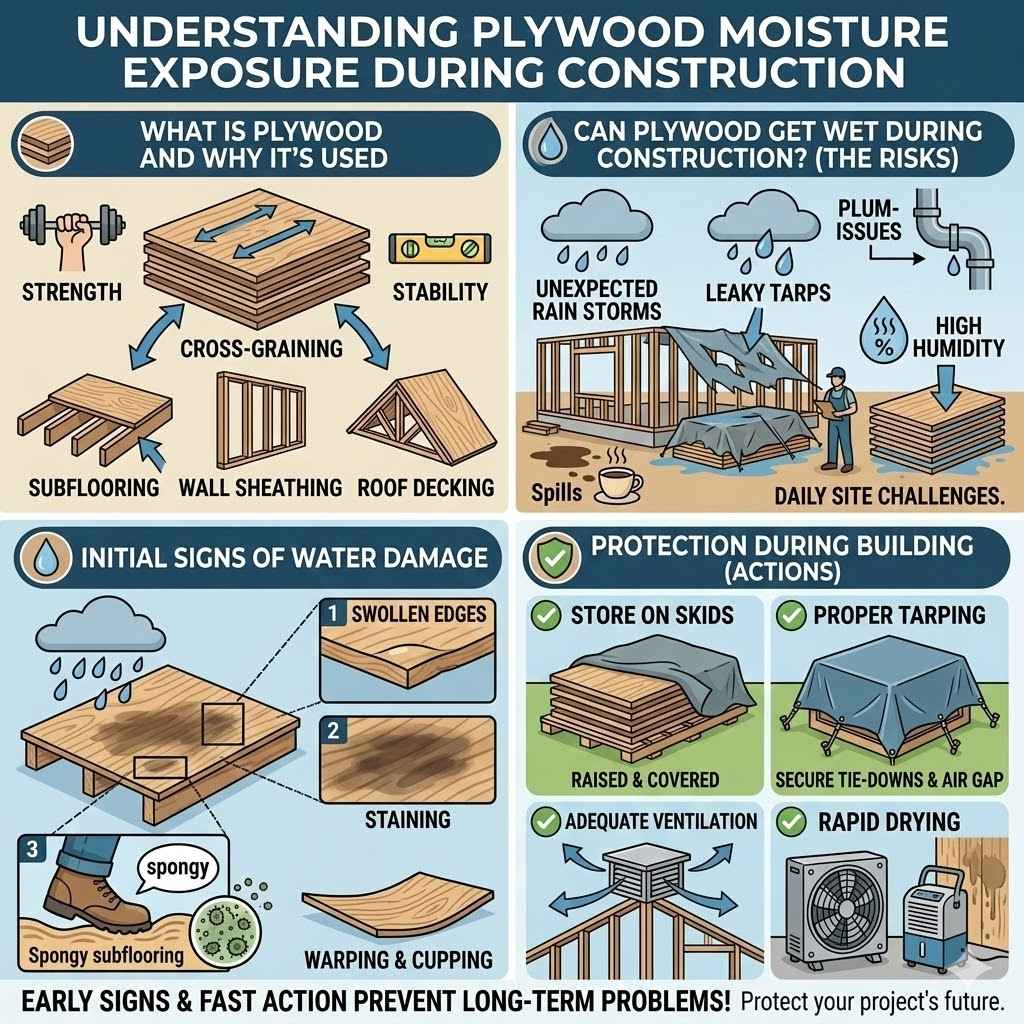
Plywood is made by gluing together thin layers of wood veneer. These layers are stacked so that the grain of each layer runs in a different direction. This cross-graining makes plywood strong and stable.
It’s a popular choice in building because it’s stronger than regular lumber of the same thickness. It also resists shrinking, swelling, and warping.
Builders use plywood for many things. It’s common for subflooring, which is the base layer before you put down your carpet or tiles. It’s also used for walls (sheathing), roofs, and even furniture.
Its versatility and strength make it a go-to material for creating sturdy structures.
Common Water Exposure Risks on a Construction Site
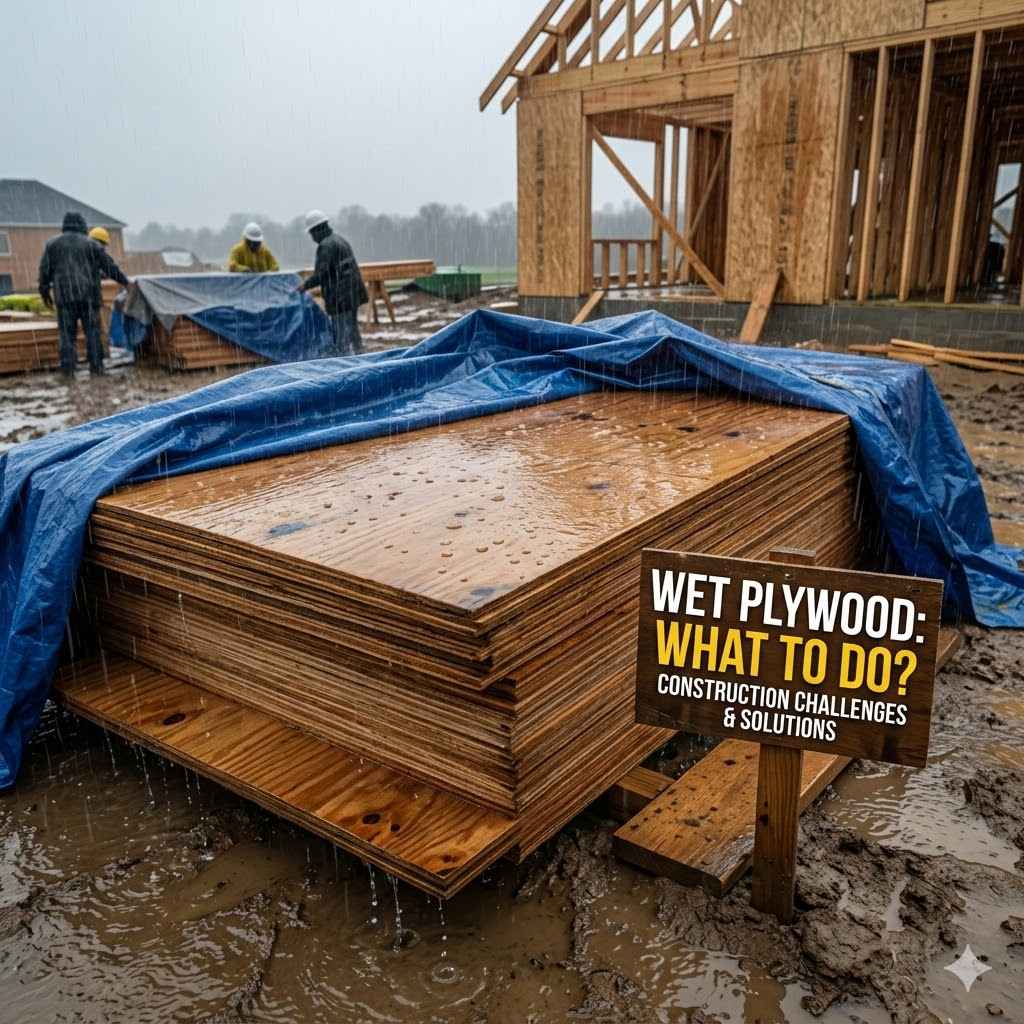
Construction sites can be unpredictable places. Weather is a big factor. Rainstorms can happen unexpectedly, even if you’ve covered materials.
Leaky temporary roofs or tarps can let water in. Sometimes, plumbing or sprinkler systems might have issues during construction, leading to accidental floods.
Even without major events, everyday humidity can affect plywood. If plywood sits around for a long time in a damp environment, it can absorb moisture. This is especially true for sites without adequate ventilation or protection.
Small spills from drinks or tools can also add up.
So, Can Plywood Get Wet During Construction? Yes, it absolutely can. The real question is what happens next and how to deal with it.
Initial Signs of Water Damage in Plywood
When plywood first gets wet, you might notice a few things. The surface can look darker or stained where the water has soaked in. You might also see the edges start to swell up a bit.
If it’s really wet, you could feel a sponginess when you step on it, especially if it’s subflooring.
Sometimes, you’ll see mold or mildew starting to grow on the surface. This is a clear sign that the wood has been damp for a while. If the water is left to dry on its own, the wood might warp or cup.
This means it starts to bend or twist out of shape. These early signs are important to catch.
How Water Affects Plywood Integrity
When plywood gets wet, it’s not just about looks. The water can actually change how strong and useful the wood is. This section explains the science behind why wetness is a problem for plywood’s structure.
We’ll go into detail about how moisture affects the glue and the wood fibers, and what this means for the building project.
The Role of Adhesives in Plywood
Plywood is made by layering thin sheets of wood, called veneers. These veneers are held together by strong glue. The type of glue used is important.
For exterior use or in places that might get wet, builders use exterior-grade glues. These glues are designed to resist moisture better.
However, no glue is completely waterproof. When plywood gets very wet, or stays wet for a long time, the glue bonds can start to break down. This is like the glue losing its strength.
When this happens, the layers of wood can start to separate. This is called delamination.
Impact of Moisture on Wood Fibers
Wood itself is made of tiny fibers. These fibers absorb water. When wood absorbs water, it swells.
When it dries out, it shrinks. This constant swelling and shrinking can put stress on the wood and the glue. Over time, this can weaken the plywood.
If the wood swells too much, it can warp. This means it bends or twists. Warped plywood is hard to lay flat.
It can cause problems with floors that aren’t even or walls that aren’t straight. It also means the plywood might not be as strong as it was before.
Delamination and Structural Weakness
Delamination is a major concern when plywood gets wet. If the layers of wood start to separate, the plywood loses its structural integrity. This means it can’t hold weight as well as it should.
For example, wet subflooring that has delaminated might creak or even sag under the weight of people walking on it.
If the structural strength is compromised, it can affect the safety of the building. Using damaged plywood means the floor, walls, or roof might not be as safe or stable. It’s crucial to identify and address delamination quickly to prevent bigger issues later.
Mold and Mildew Growth
Another big problem with wet plywood is mold and mildew. These are types of fungi that thrive in damp, dark environments. Plywood provides a food source for them.
Mold and mildew can start to grow on the surface of the plywood within days if it stays wet.
Mold isn’t just unsightly. It can release spores into the air, which can be harmful to health. Some people are allergic to mold, and it can cause respiratory problems.
It also means the wood is starting to decay, further weakening it.
Can Plywood Get Wet During Construction and Still Be Used
This section addresses the core question: is all wet plywood ruined? We will explore the conditions under which wet plywood can be salvaged and the factors that determine its usability. This involves looking at the type of plywood, the extent of water exposure, and the speed of response.
Factors Determining Plywood Usability After Water Exposure
Several things decide if wet plywood can still be used. The type of plywood is a big one. Plywood made with exterior glue and rated for wet conditions will handle water much better than standard interior plywood.
The amount of water matters too. A light rain might be okay if dried quickly, but a flood is usually a problem.
How long the plywood stayed wet is also key. If it was soaked for weeks, damage is more likely. If it was only wet for a few hours and dried immediately, it might be fine.
The speed of your response after discovering wet plywood is critical.
Drying Wet Plywood Properly
If you find wet plywood, the first step is to dry it out. You need to remove as much moisture as possible. This can be done by:
- Ensuring Good Airflow: Open windows and doors if possible.Use fans to circulate air around the wet areas.
- Removing Standing Water: Mop up any puddles. Use towels to soak up excess water.
- Elevating Plywood: If possible, lift the plywood off the wet ground or floor. Use blocks or scrap wood to create space for air to get underneath.
- Using Dehumidifiers: In enclosed spaces, a dehumidifier can pull moisture out of the air, helping the plywood dry faster.
Proper drying is essential to stop further damage like mold growth or warping.
It also helps to prevent the glue from breaking down completely.
When to Repair vs. Replace Plywood
Deciding whether to fix or
If you see any of these issues, especially if the plywood feels soft, spongy, or if the layers are coming apart, it’s usually best to replace it. Trying to repair severely damaged plywood can be risky and might lead to structural problems down the line. It’s often more cost-effective and safer in the long run to buy new, dry plywood.
Protecting Plywood During Construction
The best way to deal with wet plywood is to prevent it from getting wet in the first place. This is a core principle of good construction practices. Simple steps can save a lot of trouble.
- Cover Materials: Always cover stacks of plywood with tarps or plastic sheeting when they are on site, especially if rain is expected. Make sure the coverings are secured to prevent wind from lifting them.
- Store Indoors: If possible, store plywood indoors in a dry, well-ventilated area. Avoid storing it directly on the ground.
- Seal Ends: For extra protection, especially for exterior-grade plywood, you can seal the edges with a wood sealant.This helps prevent moisture from getting into the vulnerable end grain.
- Inspect Regularly: Make it a habit to check on stored materials. Look for any signs of moisture or damage.
Proactive protection is always easier and cheaper than dealing with repairs.
Consequences of Ignoring Wet Plywood
What happens if you just leave wet plywood in place and hope for the best? This section details the negative outcomes, from minor cosmetic issues to major structural failures and health concerns. It highlights why ignoring the problem is a costly mistake.
Structural Compromise and Building Failure
If wet plywood is used for structural elements like subflooring, roof sheathing, or wall panels, and it has delaminated or warped significantly, the building’s strength can be compromised. This means the floors might sag, the roof might not be as stable, or the walls could be weaker. In extreme cases, this can lead to structural failure, where parts of the building can collapse.
For example, a homeowner might experience squeaky floors. This is often due to plywood that has warped or is no longer tightly fastened because of moisture damage. It can also mean the underlayment for flooring or roofing materials won’t sit correctly, leading to further problems like cracked tiles or leaks.
Health Hazards from Mold and Mildew
As mentioned, mold and mildew love damp environments. If wet plywood is enclosed within a building’s structure, it can become a breeding ground for these fungi. Mold spores can spread through the air.
Breathing these spores can cause allergic reactions, asthma attacks, and other respiratory issues.
This is a serious health concern that can affect construction workers and future occupants of the building. Identifying and removing moldy materials is essential to ensure a healthy living or working space. The cost of mold remediation can be very high.
Increased Repair and Replacement Costs
Ignoring wet plywood will almost always lead to higher costs later. What might have been a simple drying or replacement of a few sheets of plywood can turn into a major renovation. If mold has spread, you’ll need professionals to clean it.
If the structure is weak, you’ll need to repair or rebuild parts of the building.
Consider this: a contractor notices a small section of subflooring is wet. If they dry it and it’s fine, it costs very little. If they ignore it, and it rots, they might have to tear out finished flooring, replace large sections of subfloor, and then re-do the flooring.
This multiplies the cost and time significantly.
Acoustic and Aesthetic Issues
Even if the structural integrity isn’t immediately threatened, wet plywood can cause other problems. Warped plywood under floors can lead to uneven surfaces, making it difficult to install finished flooring like tile or hardwood. This can result in a poor aesthetic finish.
You might also hear more noise. For instance, if the plywood layers separate, they can rub against each other when walked on, creating squeaks and creaks in floors. This reduces the comfort and perceived quality of the building.
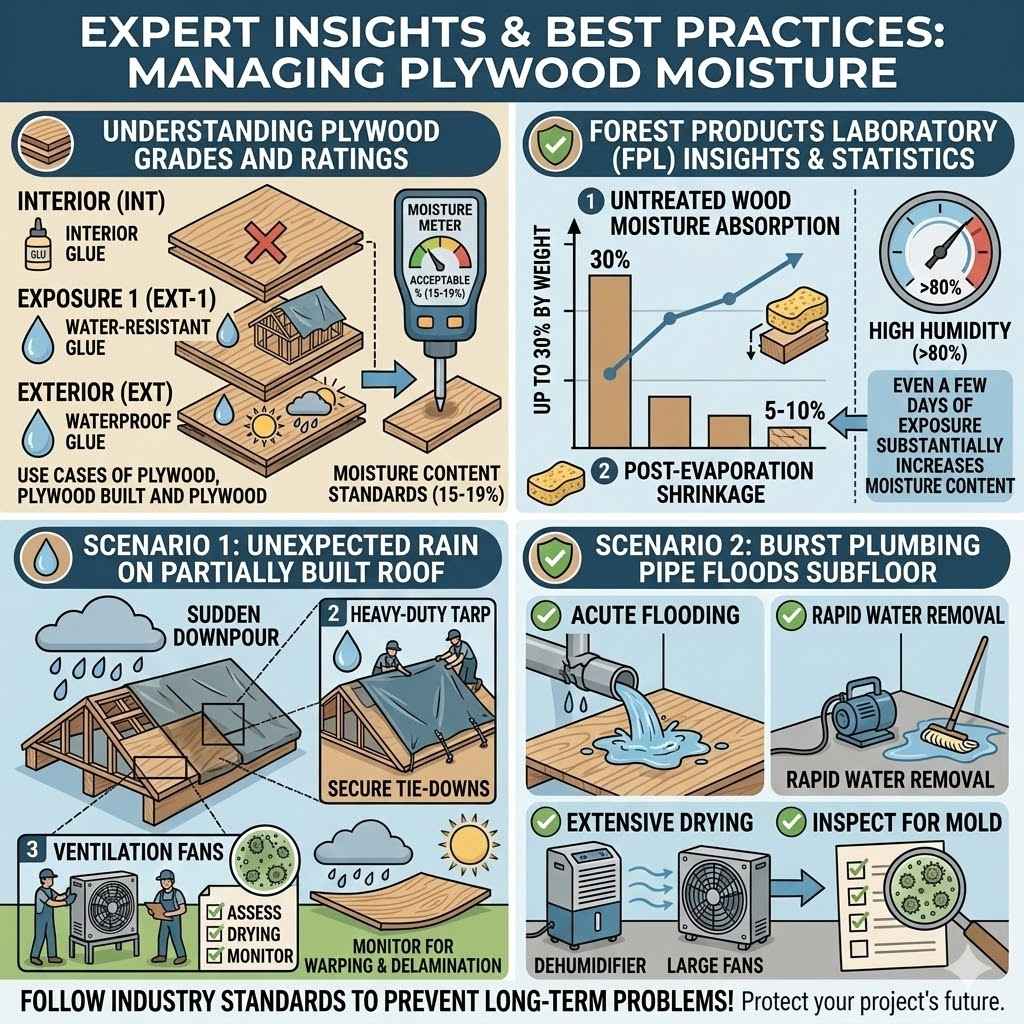
Expert Insights and Best Practices
Experienced builders and material experts have learned a lot about managing moisture in construction. This section shares their advice and outlines industry-standard practices for handling plywood in wet conditions. We’ll look at specific types of plywood and their moisture resistance.
Understanding Plywood Grades and Ratings
Plywood comes in different grades, affecting its strength and appearance. More importantly for moisture, it has ratings.
- Interior (INT): Uses interior glues.Not meant for wet areas.
- Exposure 1 (EXT-1): Uses water-resistant glues. Designed to withstand moisture during construction but not for continuous exposure to weather. This is very common.
- Exterior (EXT): Uses waterproof glues and is suitable for applications that will be exposed to weather.
Choosing the right grade for the job is the first step in preventing water damage.
For subflooring or wall sheathing, Exposure 1 is often used, assuming it will be protected by other building materials quickly.
Moisture Content Standards in Construction
Building codes and industry standards often specify the maximum acceptable moisture content for wood products. For plywood used in framing and sheathing, this is typically around 15-19%. This ensures the wood is stable and won’t shrink or swell excessively after installation.
Tools called moisture meters can be used to check the moisture content of plywood before installation. This is a best practice to ensure materials meet standards.
Real-Life Scenarios and Solutions
Scenario 1: Unexpected Rain on a Partially Built Roof
A crew is installing plywood roof sheathing. A sudden downpour hits before the roof is fully covered with felt or underlayment.
- Immediately cover the exposed plywood with heavy-duty tarps, securing them well to prevent wind damage.
- Once the rain stops, assess the situation. If the water has only been on the surface for a short time, and the plywood is of Exposure 1 or Exterior grade, it may dry out on its own.
- Use fans to speed up drying and monitor for any signs of warping or delamination.
- If any sections show significant swelling or if delamination is suspected, those sections must be replaced.
Scenario 2: Water Leak from a Burst Pipe Under the Floor
A plumbing pipe bursts in a house under construction, flooding the subfloor area.
- Turn off the water and begin pumping or mopping out standing water immediately.
- Remove any ceiling materials below if the water has compromised them to allow air to reach the subfloor.
- Use large fans and dehumidifiers to dry out the entire area, including the subfloor.
- After several days of drying, inspect the plywood for any signs of swelling, delamination, or mold. If the damage is extensive, the affected plywood will need to be removed and replaced.
Statistics on Moisture and Wood Products
Studies have shown that wood products can absorb significant amounts of moisture. For instance, untreated wood can absorb up to 30% of its weight in water. When this water evaporates, it can cause shrinkage of 5-10%.
For plywood, this means the dimensional stability is reduced.
The Forest Products Laboratory (FPL) reports that even a few days of exposure to high humidity (over 80%) can increase the moisture content of wood products substantially. This emphasizes the need for protection during construction phases.
Frequently Asked Questions
Question: Can plywood be left outside in the rain during construction?
Answer: It’s best to avoid leaving plywood exposed to rain. While exterior-grade plywood can withstand some moisture, prolonged exposure will likely cause damage like warping, delamination, or mold growth, compromising its structural integrity.
Question: How long does it take for mold to grow on wet plywood?
Answer: Mold can begin to grow on damp plywood within 24 to 48 hours, especially in warm, humid conditions. The speed depends on the type of mold and the amount of moisture.
Question: Is all plywood the same when it comes to getting wet?
Answer: No, plywood varies. Exterior-grade plywood uses waterproof glue and is more resistant to moisture than interior-grade plywood, which uses glues that break down when wet.
Question: What is the best way to dry wet plywood on a job site?
Answer: Proper drying involves ensuring good airflow with fans, removing standing water, elevating the plywood to allow air underneath, and using dehumidifiers in enclosed spaces.
Question: Should I replace plywood if it has slightly warped after getting wet?
Answer: If the warping is minor and the plywood is otherwise sound (no delamination, no soft spots, no mold), it might be acceptable for some non-structural uses. However, for critical structural components like subflooring or roof sheathing, replacement is often the safest choice to ensure long-term performance.
Conclusion
Can Plywood Get Wet During Construction? Yes, it’s a common risk. However, swift action, proper drying, and understanding plywood types are key. Always protect your materials from rain and moisture.
If it does get wet, dry it thoroughly and inspect it carefully. Damaged plywood often needs replacement to ensure building safety and longevity.