Can Wax Get Rid Of Scratches On Your Car? Honest Answer
It’s a sinking feeling, isn’t it? You spot a scratch on your car’s paint. Maybe it’s a new one, or maybe it’s been there a while.
You wonder if a simple wash and wax will make it disappear. It’s a common question, and the answer isn’t always a simple yes or no. Let’s dive into what car wax can do for scratches.
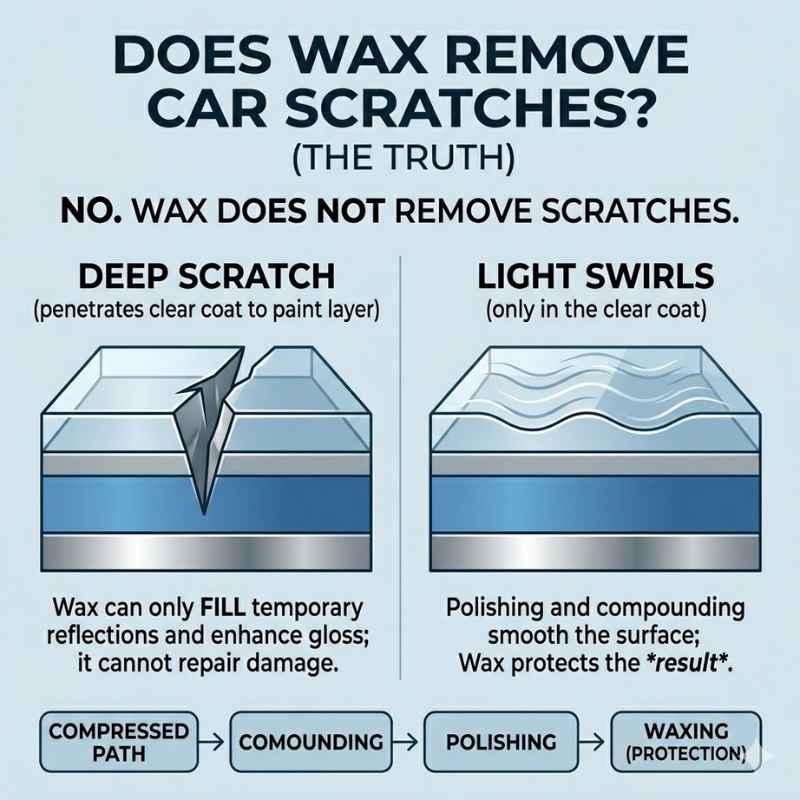
Car wax can fill in very minor, superficial scratches and swirl marks, making them less visible. However, it cannot remove scratches that have penetrated the clear coat or base paint layers. For deeper scratches, polishing or professional repair is needed.
Understanding Car Scratches and Wax
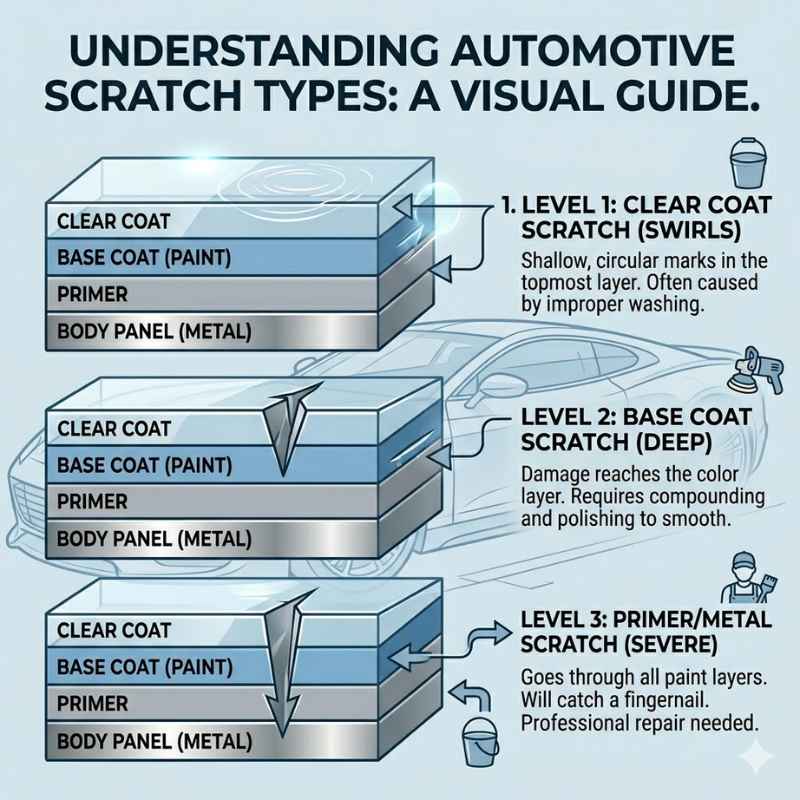
When we talk about car scratches, it helps to know what we’re dealing with. A car’s paint job is like a fancy sandwich. It has layers. The bottom layer is the metal of your car. On top of that is primer, which helps paint stick. Then comes the color coat – that’s the paint color you see. Finally, there’s the clear coat. This is the top layer. It’s like a shield. It protects the color from the sun, rain, and dirt. It also makes the paint shiny.
Most scratches are in this clear coat. These are the ones wax can sometimes help with. Think of a scratch as a little valley in the paint. If the valley isn’t too deep, wax can fill it up. This makes the valley less noticeable. The light then bounces off the wax instead of going into the scratch. It’s like smoothing over a tiny bump.
Why Wax Works (Sometimes)
Car wax is designed to protect and shine your car’s paint. It forms a protective layer. This layer is smooth and glossy. When you apply wax to a car with light scratches, the wax flows into those small imperfections. It temporarily fills them. This fills the void and makes the scratch blend in with the surrounding paint. It’s not a permanent fix. It’s more like a temporary disguise.
Wax also adds depth and gloss to the paint. This extra shine can make minor imperfections harder to see. You might notice that the scratch looks fainter after waxing. This is a good sign that the scratch was only in the clear coat. The paint underneath is still intact. It’s a simple way to improve the look of your car’s finish.
How Deep is Too Deep?
Knowing if a scratch is too deep for wax is important. If you can’t see the scratch at all after washing your car, wax might help. If you can see a white or dull line, it might be a bit deeper. A really deep scratch might go through the color coat. It could even reach the primer. You might see a different color underneath. In these cases, wax won’t do much. It can’t rebuild paint that’s gone.
You can do a simple test. Wash your car thoroughly. Then, gently run your fingernail across the scratch. If your fingernail catches on the scratch, it’s likely too deep for wax alone. If your fingernail glides over it, the scratch is probably in the clear coat. This is the kind of scratch that wax might help hide.
My Own Scratch Scare
I remember a time about two years ago. I had just bought a new-to-me navy blue sports car. I was so proud of it. One sunny afternoon, I was at the grocery store. I came back to my car and saw it. A long, thin scratch right on the driver’s side door. My heart sank. It looked like someone had dragged a key across it.
I panicked a little. My first thought was, “This is going to cost a fortune to fix!” I spent the rest of the drive home replaying the scenario. Did someone do it on purpose? Was it an accident? I felt so frustrated and upset. I parked the car and just stared at it. The scratch seemed to mock me. It just sat there, ruining the beautiful shine of the paint.
That night, I couldn’t sleep. I kept thinking about repair costs. I looked up body shops online. The prices made my eyes water. Then, I remembered a tip from an old car magazine. It talked about using wax for light scratches. I was skeptical. Could wax really fix something that looked so bad? The next morning, I bought some high-quality car wax. I spent hours meticulously washing and waxing my car. I applied the wax in thin, even coats. As I buffed it off, I held my breath. And then, I saw it. The scratch wasn’t gone, but it was so much less noticeable. The light glinted off the waxed surface, and the scratch seemed to disappear into the shine. It wasn’t perfect, but it was a huge improvement. That experience taught me a lot about what wax can do. It was a relief, and a lesson learned.
When Wax is Your Friend
So, when can you count on wax to help out? It’s best for those annoying little marks that don’t go very deep.
Types of Scratches Wax Can Help
- Clear Coat Swirls: These are tiny, circular scratches. They happen from washing and drying the car. Wax can fill them in, making the paint look smoother.
- Light Surface Scuffs: If something lightly brushed against your car, it might leave a faint mark. If it’s only in the clear coat, wax can hide it.
- New Car Freshen-Up: Even new cars can get minor marks in transport. Wax can make these marks vanish.
These are situations where the paint’s color and primer are perfectly fine. The damage is only on the very top layer. This is where wax shines. It adds a protective layer that smooths out the surface.
The Power of Polish
Sometimes, wax isn’t quite enough. For slightly deeper scratches in the clear coat, you might need car polish. Polish is a bit more abrasive than wax. It works by gently removing a tiny amount of the clear coat. This process buffs out the scratch. It then leaves a smooth surface behind. Think of it like sanding down a tiny rough patch.
Polish comes in different grits, or levels of abrasiveness. For minor scratches, a fine-grit polish is best. You’ll still want to be careful. Too much polishing can remove too much clear coat. This can cause problems down the line. After polishing, you’ll always want to follow up with wax. The wax protects the freshly polished surface and adds shine.
Polish vs. Wax: What’s the Difference?
Polish: Slightly abrasive. It buffs out imperfections by removing a tiny layer of clear coat. It corrects paint defects.
Wax: Non-abrasive. It fills in minor imperfections and adds a protective, glossy layer. It protects and enhances shine.
Order: Polish first, then wax. Polish fixes; wax protects.
It’s important to use the right products. Read labels carefully. If you’re unsure, start with the least abrasive option. This is usually wax. If that doesn’t work, you can try a mild polish.
When Wax Just Won’t Cut It
There are times when wax is simply not the solution. These are for scratches that go deeper than the clear coat.
Signs a Scratch Needs More Than Wax
- Visible Color Change: If the scratch shows a different color (white, gray, or the primer color), it’s too deep for wax.
- Fingernail Catch: As mentioned, if your fingernail catches on the scratch, it means the surface is uneven.
- Edge Roughness: Deep scratches often have rough edges. Wax can’t smooth these down.
- Paint Chips: Small pieces of paint missing are beyond wax’s ability.
For these types of scratches, you have a few options. You can use a touch-up paint pen. These pens have a small amount of your car’s paint color. You carefully apply it into the scratch. It’s a DIY fix that can blend the scratch better. It won’t make it invisible. But it will protect the metal from rust.
Professional auto body shops are experts. They can repair deeper scratches. They might use sanding, filling, and repainting techniques. This usually gives the best results. But it also costs more. For a serious scratch, it’s often worth the investment. It keeps your car looking great and protects its value.
My Neighbor’s Tale of the Deep Gouge
My neighbor, Mark, has a bright red pickup truck. He loves that truck. One day, he accidentally backed into a rogue shopping cart at the supermarket. It left a long, deep gouge down the side of his truck door. You could see the gray primer underneath. The red paint was completely gone in spots.
Mark was pretty upset. He looked at the damage and immediately thought of the dealership. He imagined a huge bill. He decided to try a quick fix first. He bought some car wax. He thought maybe it would somehow hide it. He applied the wax. It made the surrounding paint shiny. But the gouge itself just looked like a dull, gray scar. The wax did nothing to fill it or make it disappear. It just highlighted the problem.
He learned quickly that wax wasn’t the answer for that kind of damage. He ended up taking it to a local auto body shop. They were able to repair it. They sanded it down, filled the gouge with special filler, and then repainted that section of the door. It cost him a few hundred dollars. But you can’t even tell where the scratch was anymore. It was a lesson for him about the limits of car wax. It was also a testament to what a professional can do.
Applying Wax for Best Results
If you’ve decided wax is right for your scratch, here’s how to get the best outcome. First, start with a clean car. Wash it thoroughly. Use a car wash soap, not dish soap. Dish soap can strip away old wax and protective layers. Rinse the car well. Dry it completely with a soft microfiber towel. This prevents water spots.
Next, choose your wax. There are many types: paste, liquid, and spray. Paste waxes are often considered the best for durability and shine. Liquid waxes are easier to apply. Spray waxes are the quickest. For filling minor scratches, a good quality paste wax often works best. Look for waxes that offer good filling properties and a deep shine.
Wax Application Tips
- Use a clean applicator pad: Foam or microfiber pads work well.
- Apply in thin, even coats: Don’t glob it on. A little goes a long way.
- Work in small sections: Apply wax to one panel at a time.
- Allow it to haze: Let the wax dry slightly. It should look hazy, not wet.
- Buff with a clean microfiber towel: Use gentle, circular or back-and-forth motions.
- Flip your towel often: Use a clean side of the towel for best results.
When applying the wax, focus on the scratched area. Gently work the wax into the scratch. Be patient. Let it dry to a haze. Then, buff it off. You should see an improvement. The scratch will likely be less visible. The paint will also look deeper and shinier. It’s a satisfying process.
What About Different Types of Wax?
There are several types of waxes you might encounter. Carnauba wax is a popular choice. It comes from a palm tree in Brazil. It gives a deep, warm shine. Synthetic sealants are another option. They are man-made. They can offer longer-lasting protection than natural waxes. They also give a very slick, glossy finish.
Hybrid waxes combine elements of both. They aim for the best of both worlds. For filling minor scratches, many car enthusiasts prefer natural carnauba waxes. They tend to have a softer feel. They can fill those tiny clear coat imperfections more effectively. However, a good synthetic sealant will also do a decent job.
The key is consistency. If you apply wax regularly, you’ll maintain the shine and the protective layer. This makes minor scratches less of an issue. It also helps prevent new ones from forming. A well-maintained paint finish is always easier to care for.
Real-World Scenarios
Let’s look at some common situations.
Scenario: The Shopping Cart Scrape
Situation: A shopping cart lightly scrapes the side of your car.
Observation: You see a faint white line on the paint.
Action: Wash and dry the car. Apply a good quality car wax. Buff it off.
The line should disappear. If not, try a mild polish, then wax again.
This is a classic example. These scuffs are usually only in the clear coat. They happen often in parking lots. Wax is perfect for this. It’s a quick and easy fix that restores the car’s look.
Scenario: The “Washing Machine” Effect
Situation: Your car’s paint has many fine, spiderweb-like scratches.
Observation: These are swirl marks, often from improper washing or automatic car washes.
Action: This is where polish is often needed first. Polish will remove the swirls. Then, wax will protect the paint and add a deep shine.
Wax alone will only temporarily fill them.
Swirl marks can make paint look dull. They are very common. While wax can hide them a bit, polishing is the real solution. It’s a two-step process. You fix the damage, then protect it.
Scenario: The Accidental Key Scratch
Situation: Someone (accidentally or on purpose) drags a key across your door.
Observation: You see a deep, sharp line. You might see the primer color.
Action: Wax will not fix this. You’ll need to either use a touch-up paint pen for protection and slight blending, or seek professional repair for a full restoration.
This is the type of scratch that shows the limits of DIY. It’s important to know when to call in the experts. Trying to mask a deep scratch with wax will only make it look worse. It won’t protect the metal from rust.
What This Means for You
So, what’s the takeaway? Wax is a great tool for keeping your car looking good. It can indeed help with minor scratches. It makes them less visible. It adds a beautiful shine. It protects your car’s paint from the elements.
However, it’s crucial to have realistic expectations. Wax is not a miracle cure for all car scratches. It cannot repair deep damage. It can’t bring back lost paint. If a scratch is deep enough to catch your fingernail, or if you see the primer color, wax won’t solve the problem.
When to Feel Good About Waxing
You can feel good about using wax if:
The scratch is very faint.
You can’t feel the scratch with your fingernail.
The scratch is only in the clear coat.
You want to improve the overall look and shine of your car.
These are the situations where waxing will give you a noticeable improvement. It will make your car look better. It will protect it too.
When to Consider More
You should consider more than just wax if:
The scratch is deep and you can see different colors underneath.
The scratch has rough edges.
Paint has chipped off.
You want a perfect, like-new finish.
In these cases, wax alone will not be enough. You’ll need to explore polishing, touch-up paint, or professional repair. Don’t be afraid to seek advice from auto detailers or body shops if you’re unsure. They can assess the damage and recommend the best course of action.
Quick Tips for Scratch Management
Here are some straightforward tips.
Scratch Management Checklist
1. Assess the Scratch: Wash the car. Run your fingernail over it.
What do you see?
2. Identify the Depth: Is it just a faint line? Or do you see primer?
3. Choose Your Tool: Wax for light scratches. Polish for deeper clear coat issues.
Touch-up paint or professionals for deep gouges.
4. Apply Carefully: Always follow product instructions. Use clean tools.
5. Maintain Regularly: Keep your car washed and waxed. This prevents minor issues.
Regular maintenance is key. A clean and waxed car is less prone to developing major issues. It also makes it easier to spot new problems early. When you’re cleaning your car, take a moment to look closely at the paint. Catching a scratch early often means a simpler fix.
Frequent Questions About Car Wax and Scratches
Can car wax remove deep scratches?
No, car wax cannot remove deep scratches. Wax can only fill in very minor scratches in the clear coat, making them less noticeable. Deep scratches that go through the clear coat and into the paint color or primer require more advanced repair methods.
How often should I wax my car to help with scratches?
It’s generally recommended to wax your car every 2 to 4 months, depending on the type of wax and your driving conditions. Regular waxing helps maintain the protective layer and can keep minor imperfections filled in, making them harder to see.
What’s the difference between car wax and car polish regarding scratches?
Car polish is slightly abrasive and works by removing a tiny layer of clear coat to level out scratches. Car wax is not abrasive and works by filling in minor imperfections and adding a protective gloss layer. Polish corrects; wax protects.
Can a swirl remover product remove scratches?
A swirl remover is a type of polish. It’s designed to remove light scratches and swirl marks from the clear coat. It is more effective than wax for these types of imperfections.
After using a swirl remover, you should always apply wax to protect the paint.
If I can’t feel a scratch with my fingernail, will wax fix it?
If you cannot feel a scratch with your fingernail after washing your car, it is likely a very superficial scratch within the clear coat. In most cases, a good car wax will be able to fill this type of scratch, making it invisible or much less noticeable.
Can I use household cleaning products instead of car wax for scratches?
No, you should never use household cleaning products like dish soap, furniture polish, or abrasive cleaners on your car’s paint. These products can damage the clear coat, strip away existing protection, and make scratches worse. Always use products specifically designed for automotive paint care.
Final Thoughts
It’s easy to get excited about a simple solution like waxing your car. And sometimes, it really is that simple. For those frustratingly small scratches that mar an otherwise perfect finish, a good wax can be a lifesaver. It’s a way to restore shine and hide minor flaws. But remember its limits. It’s a cosmetic fix for surface-level issues.