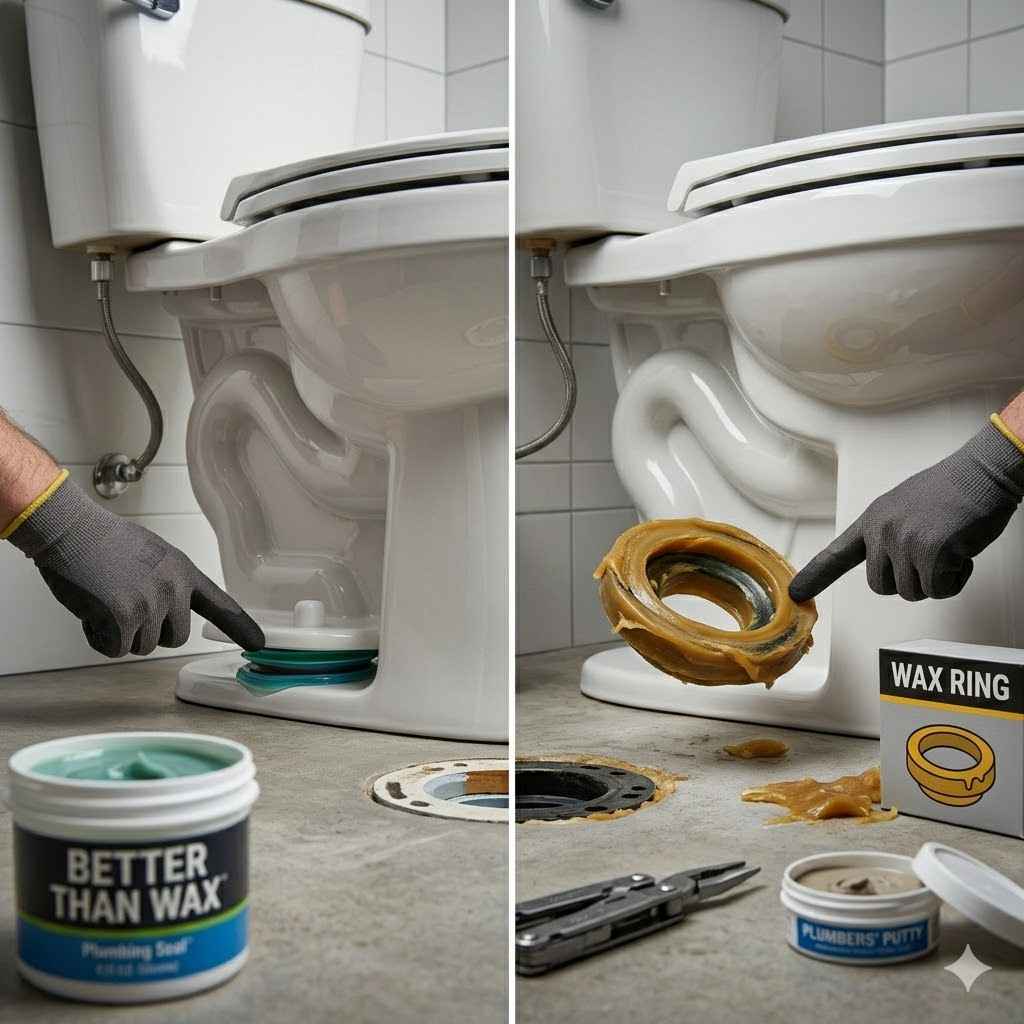
Better Than Wax Vs Wax Ring: Which Should You Choose?
This guide will help you understand both. We’ll talk about what they are. We’ll cover why you might pick one over the other.
By the end, you’ll feel more confident about your choice.
Choosing between a traditional wax ring and newer alternatives like “Better Than Wax” involves understanding their unique properties. A wax ring offers classic aesthetics and a melting process, while “Better Than Wax” aims for convenience and durability. Both have their place depending on your project’s needs and desired outcome.
Understanding Wax Rings


A wax ring is what most people picture when they think of wax seals. It’s a small, pre-formed ring of wax. You put this ring onto your surface.
Then, you use a hot tool to melt it. This melting process creates the seal.
These rings are often made from real sealing wax. This wax usually has a high amount of rosin. Rosin is a sticky resin.
It helps the wax grip the surface and stick to the stamp. It also makes the seal more flexible. This means it is less likely to crack or break off.
When you melt a wax ring, you get a melted pool of wax. You then press your stamp into this hot wax. The stamp leaves its design as the wax cools and hardens.
The result is a beautiful, classic seal.
The process feels very authentic. It’s like stepping back in time. Many people enjoy the ritual of melting the wax.
It adds a personal touch to letters or invitations. You can find wax rings in many colors. They come with different designs for the stamp.
The quality of the wax ring matters. Good rings melt smoothly. They don’t smell too strong.
They also dry to a nice finish. Cheaper rings might be brittle. They might also have a waxy residue.
This can stick to your stamp.
What is “Better Than Wax”?
“Better Than Wax” is a brand name. It refers to a type of product that mimics the look of a wax seal. But it uses different materials.
It’s designed to be easier to use than traditional wax. It often comes in a melted form. You might get it in a small pot or a glue stick shape.
Instead of real wax, it might use synthetic waxes. It can also have acrylic or other polymers mixed in. These ingredients make it set faster.
They also make it more durable. It’s less likely to melt if left in the sun. It won’t chip as easily as some real waxes.
The main selling point is ease of use. You don’t need a special Wax off Hardwood Floor: Quick & Easy” href=”https://woodworkingadvisor.com/how-to-get-candle-wax-off-hardwood-floor/” target=”_blank” rel=”noopener” data-wpil-monitor-id=”21213″>wax gun or a candle. You often just need a heat gun or even hot water.
You apply the melted material. Then, you press your stamp into it. It sets quite quickly.
People who use “Better Than Wax” often want speed. They might be making many seals. They might also be worried about their seals breaking.
This product aims to solve those problems. It gives a similar look without some of the fuss.
However, it might not have the same classic feel. It’s not made from traditional sealing wax. So, it might not age the same way.
Some people feel it looks a bit “plastic-y” when done. The scent is usually mild or non-existent.
Comparing the Melting Process
The way you melt and apply each product is a big difference. A traditional wax ring needs heat. You typically use a small wax melting spoon.
You heat this spoon over a flame. A small candle is common for this. The wax melts in the spoon.
You then pour the melted wax onto your surface. This takes a bit of practice. You need to control the pour.
You don’t want it to spread too much. You also want enough wax to make a good seal. Then, you press your stamp into the molten wax.
You must work quickly. Wax cools fast. If it starts to harden before you stamp, you get a weak impression.
Or the stamp might stick. The whole process can be a bit messy. You might get drips or uneven shapes.
“Better Than Wax” products often use a different heating method. If it’s in a pot, you might use a small glue gun. Or you could melt it in a double boiler.
If it’s in a stick form, a glue gun is the usual tool. This is much like using a hot glue gun.
The melting is often more controlled. Glue guns provide a steady flow. You apply it directly where you want it.
It tends to set up faster than traditional wax. This means you have less time to wait. But it also means you need to be ready with your stamp.
The heat involved can be similar. Both require you to be careful. Hot wax and melted synthetic materials can cause burns.
You need good ventilation too. Some real waxes can produce fumes.
Melting Method Quick Guide
Traditional Wax Ring:
- Uses a wax melting spoon.
- Requires a small flame (candle, lighter).
- Pouring control is key.
- Works best with a bit of speed.
“Better Than Wax”:
- Often uses a glue gun.
- Can also be melted in a pot (double boiler).
- More controlled application.
- Sets faster.
I remember my first attempt at a wax seal. I was trying to seal a wedding invitation. I used a traditional wax stick.
I held it over a candle. It dripped everywhere! It looked more like a wax monster than a fancy seal.
The wax cooled too fast. My impression was smudged. I felt so frustrated.
I almost gave up. That’s when I started looking for easier ways. I saw things like “Better Than Wax” advertised.
It promised a cleaner, faster way. I was curious if it would work for me.
That experience taught me a lot. It showed me that practice is important. But it also made me appreciate products that simplify things.
Especially when you’re in a hurry or making many items. The key is to find the method that fits your comfort level and your project. I learned that patience was a virtue, but so was finding the right tool for the job.
Durability and Longevity
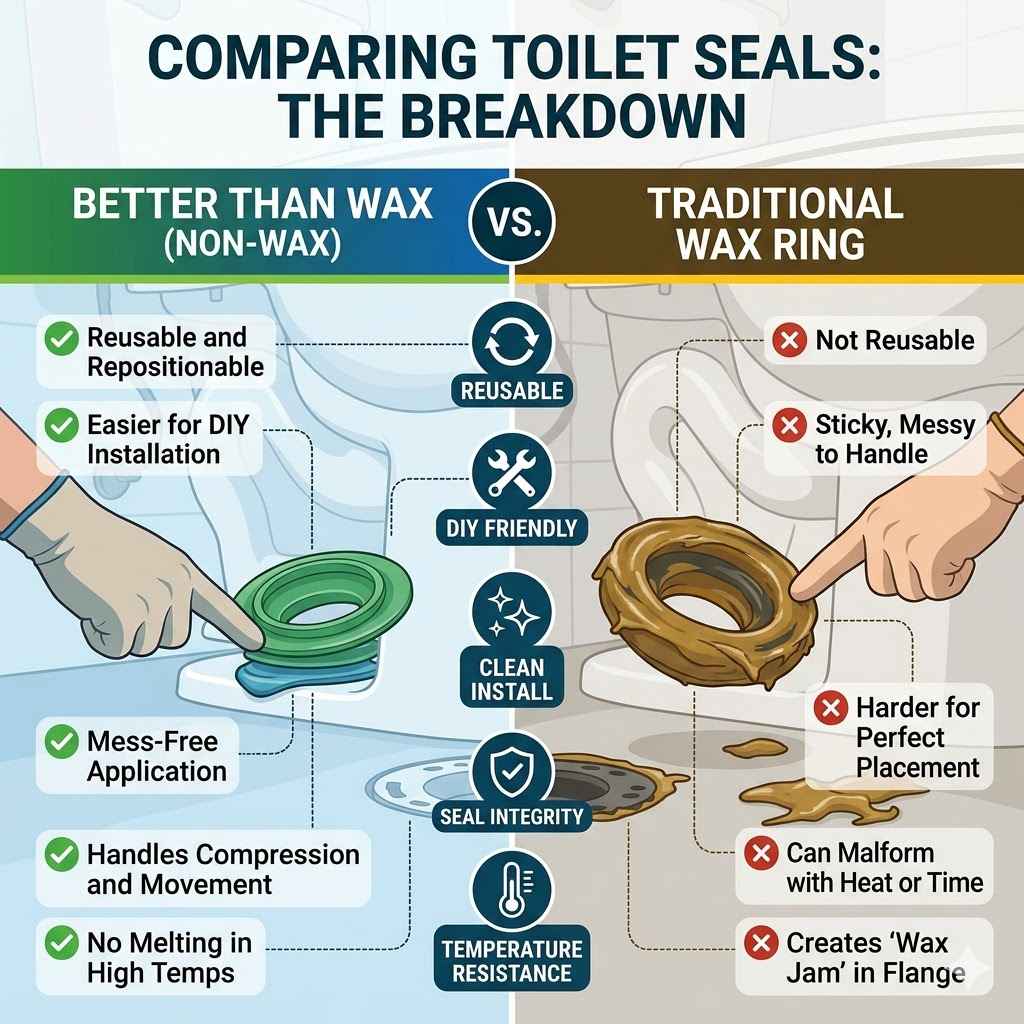
When you want your seal to last, durability is important. Traditional sealing wax, especially good quality wax, is quite durable. The rosin in it makes it flexible.
This means it can bend a little without breaking. Think about old letters that have been mailed. Many of them still have their wax seals intact.
However, traditional wax can have issues. If it gets too hot, it can soften and deform. If it gets too cold and brittle, it can crack.
It can also wear down over time with handling. Sunlight can also affect its color. Over many years, it might degrade.
“Better Than Wax” products are often designed for more modern durability. Because they contain synthetic materials, they can be tougher. They might resist melting better in heat.
They are often less prone to chipping or cracking. This is a big advantage if your items will be handled a lot.
For example, if you’re sealing something that will be mailed frequently. Or if it’s going to be displayed somewhere warm. A “Better Than Wax” product might hold up better.
It’s less likely to fall apart in transit. It might look fresh for longer.
But there’s a trade-off. The synthetic nature might mean it doesn’t age as gracefully. Real wax can develop a certain patina over time.
Synthetic materials might just look faded or worn out. They might not have the same historical charm.
Consider the environment your sealed item will be in. Will it be exposed to extreme temperatures? Will it be handled roughly?
For crafts or items needing maximum resilience, “Better Than Wax” might be the stronger choice. For items where historical accuracy or a classic aesthetic is key, traditional wax is often preferred.
I once sent a package to a friend in Arizona. It was during a really hot summer. I had used a traditional wax seal on the outer ribbon.
When my friend received it, the wax had softened. It had smudged onto the paper. The shape was a bit distorted.
It was still recognizable, but not perfect. That made me think about how heat affects wax. It’s something to consider if you’re sending things in hot climates.
This is where a more heat-resistant product could be useful.
Seal Durability Comparison
Traditional Wax:
- Flexible due to rosin.
- Can withstand some bending.
- May soften in high heat.
- Can become brittle and crack in extreme cold.
- Ages with a classic patina.
“Better Than Wax” (Synthetics):
- Often more rigid.
- Better resistance to heat and cold.
- Less prone to chipping or cracking.
- May not age as elegantly.
- Can be more resistant to wear.
Aesthetics and Authenticity
The look and feel of a seal are very important. This is often why people choose to use wax seals in the first place. Traditional wax seals have a certain charm.
They look and feel like they belong on old documents or fancy stationery.
The slight imperfections are part of the appeal. A little bit of unevenness in the melted wax adds character. The subtle variations in color can be beautiful.
Real wax has a unique sheen when it cools. It looks rich and deep.
Many artists and calligraphers prefer traditional wax. They appreciate its natural look. It has a history behind it.
This adds to the perceived value of the item. When you see a seal made with real wax, you often think of importance and tradition.
“Better Than Wax” products try hard to look like the real thing. Some do a very good job. The stamps create clear impressions.
The colors can be vibrant. But sometimes, there’s a subtle difference. The sheen might be a bit too uniform.
It might lack that natural depth.
Some synthetic seals can look a bit “plasticky.” The edges might be too sharp. The texture might feel too smooth. It depends on the specific product and the brand.
Some brands are much better than others at mimicking the look. It’s worth testing samples if authenticity is a big concern.
The “feel” is also different. When you touch a real wax seal, it has a certain density. It feels substantial.
Synthetic materials might feel lighter. Or they might feel harder. This is a subjective thing, but it matters to many crafters.
If you’re aiming for a very specific historical look. Or if you’re crafting items for a historical reenactment. Then traditional wax is probably the way to go.
If you need a seal that looks good but needs to be tough for everyday use. Or if you want a modern twist on a classic look. Then “Better Than Wax” could be a great option.
I’ve seen some beautiful craft projects using “Better Than Wax.” They look stunning from a distance. The details are sharp. The colors pop.
But when you get up close, sometimes you can tell it’s not traditional wax. It’s still lovely. It just has a different kind of appeal.
It’s more about modern craft and clean design.
Aesthetic & Authenticity Checklist
For Traditional Wax:
- Natural sheen and color variation.
- Slight imperfections add character.
- Feels substantial and historical.
- Ideal for classic or vintage looks.
For “Better Than Wax”:
- Often sharper, more uniform appearance.
- Colors can be very vibrant.
- May have a synthetic or plastic-like feel.
- Good for modern crafts and durable items.
Ease of Use and Convenience
For many people, how easy a product is to use is a major factor. This is where “Better Than Wax” often shines. It’s designed with convenience in mind.
With a traditional wax ring, you need a few extra things. You need a heat source. You need a melting spoon or a way to melt the wax stick.
You also need patience. It takes a bit of time to heat the wax and pour it. Then you have to wait for it to cool enough to stamp.
The mess factor is also something to consider. Melting wax can drip. It can get on your fingers.
It can stain surfaces if you’re not careful. Cleaning up can take time.
“Better Than Wax” often simplifies this. If you use a glue gun, you’re familiar with the process. You just load the stick or pot.
Heat it up. Apply it. Stamp.
It’s generally faster. There’s often less dripping. The cleanup is usually easier.
This is a big plus for people working on large projects. Imagine sealing hundreds of wedding invitations. Doing that with traditional wax could take days.
Using a “Better Than Wax” product with a glue gun could cut that time significantly. It reduces the manual effort involved.
Some “Better Than Wax” products are specifically made for quick setting. This means you don’t have to wait long for the seal to harden. You can move on to the next item much faster.
This is a huge advantage for production.
However, the convenience comes with a learning curve too. Even with easier products, getting a perfect seal requires practice. You need to learn how much material to use.
You need to know how long to let it set before stamping. You also need to ensure your stamp is clean.
The tools needed are generally more common. Most people have a glue gun or can get one easily. For traditional wax, you might need to buy a special melting spoon.
You also need a reliable heat source that won’t burn the wax too quickly.
I was once helping a friend prepare for a craft fair. We had a lot of small tags to seal. Doing them all with traditional wax would have been impossible in the time we had.
We tried a “Better Than Wax” product. It was a game-changer! We used a small craft glue gun.
It was so fast. We were able to seal all the tags in a few hours. The process was much less stressful.
It let us focus on other parts of the fair prep. It definitely saved our sanity.
Cost Considerations
The price of sealing materials can vary. Both traditional wax and “Better Than Wax” products have a range of costs.
Traditional sealing wax can be quite affordable. Especially if you buy it in bulk. Basic wax sticks or beads can be purchased in many colors.
The cost per seal is often quite low. This makes it a good option for budget-conscious crafters.
However, if you want high-end, custom-colored wax. Or wax with unique finishes. The price can go up.
You also need to factor in the cost of tools. A wax melting spoon and a good heat source add to the initial expense.
“Better Than Wax” products can be a bit more expensive per unit. The synthetic materials and specialized formulas can increase the production cost. A glue stick for a “Better Than Wax” product might cost more than a traditional wax stick.
A small pot of melted material can also be pricier.
But you need to consider the overall value. If “Better Than Wax” saves you a lot of time. And reduces your stress.
Then the higher per-unit cost might be worth it. Time is money for many people. If you’re running a small business.
Or if you’re making a large number of items. The efficiency gained can justify a higher material cost.
Think about the tools required. If you already own a glue gun. Then the cost of “Better Than Wax” is just for the material.
If you don’t, you’ll need to buy that too. This is an upfront investment. But a glue gun is a versatile tool.
It can be used for many other crafts.
Consider the longevity. If a traditional wax seal breaks easily. And you have to redo it.
That’s wasted wax and wasted time. If a “Better Than Wax” product is more durable. And fewer seals fail.
Then it might actually save you money in the long run.
When I first started, I bought the cheapest wax I could find. It was okay for practice. But it was brittle.
Many seals cracked in the mail. I ended up spending more money replacing them. Then I invested in better quality wax.
It cost a bit more. But it was worth it. For projects where I needed speed and certainty.
I later tried a “Better Than Wax” product. The initial cost seemed higher. But I made so many more seals in less time.
It balanced out. It really depends on the project’s scale and your priorities.
Environmental Impact
Thinking about the environment is important for many of us. When choosing between traditional wax and synthetic alternatives, it’s good to consider their impact.
Traditional sealing wax is often made from natural ingredients. Beeswax, natural resins like rosin, and pigments. These are generally biodegradable.
They break down more easily in the environment. When you use real wax, you’re using something derived from nature. This can feel more eco-friendly to some.
However, the production of beeswax can have its own environmental considerations. The sourcing of resins might also have an impact. But overall, traditional wax is often seen as a more natural choice.
“Better Than Wax” products are typically made from synthetic materials. This includes petroleum-based waxes and polymers. These materials are often not biodegradable.
They can persist in the environment for a long time. Their production can also involve more energy. And potentially more chemical processes.
There are also considerations about the tools. Glue guns, for example, use electricity. While often energy-efficient for short use, the manufacturing of the guns themselves has an impact.
If sustainability is a primary concern for you. You might lean towards traditional wax. Especially if you can source it from reputable suppliers who focus on ethical production.
Look for waxes that are clearly labeled with their ingredients. And for companies that talk about their sourcing practices.
On the other hand, if your project requires high durability. And using a synthetic product prevents breakage and waste down the line. Then the calculation might be different.
For example, if a seal breaking means the entire item is ruined. And has to be remade from scratch. Then a more durable, synthetic option might indirectly reduce overall waste.
It’s a complex question with no single easy answer. Often, the best approach is to research the specific brands you’re considering. See what they say about their materials and their manufacturing processes.
Choosing high-quality products, whether wax or synthetic, can also reduce the need for replacements. This can indirectly lessen environmental impact.
Environmental Impact Points
Traditional Wax:
- Often made from natural ingredients (beeswax, resins).
- Generally biodegradable.
- Sourcing of natural materials can have impacts.
- Perceived as more “natural.”
“Better Than Wax” (Synthetics):
- Made from synthetic, often petroleum-based, materials.
- Typically not biodegradable.
- Production can be more energy-intensive.
- Durability can reduce remake waste.
When to Use a Wax Ring
There are specific times when a traditional wax ring is the clear winner. If you’re aiming for a truly authentic, vintage look. For example, on wedding invitations.
Or on historical documents you’re recreating. The classic appeal is hard to beat.
When the ritual and process are part of the charm. Some people love the experience of melting the wax. It’s a mindful activity.
It connects them to the past. For these users, the convenience of “Better Than Wax” isn’t the main goal. The enjoyment is in the doing.
If your project will be handled gently. And won’t be exposed to extreme temperatures. Traditional wax is perfectly fine.
Think of scrapbooking embellishments. Or decorative seals on items that will be displayed indoors.
When you need that specific, rich sheen and depth of color. Real wax offers a natural beauty. It can look luxurious in a way that synthetics sometimes struggle to replicate perfectly.
It’s about that subtle glow.
For artistic projects where the imperfections are part of the art. A little wobble in the seal. A slight unevenness.
These can add to the handmade feel. This is something traditional wax does beautifully.
In summary, choose a wax ring when authenticity, traditional aesthetics, and the crafting experience itself are your top priorities. It’s the choice for those who want to honor a long-standing tradition.
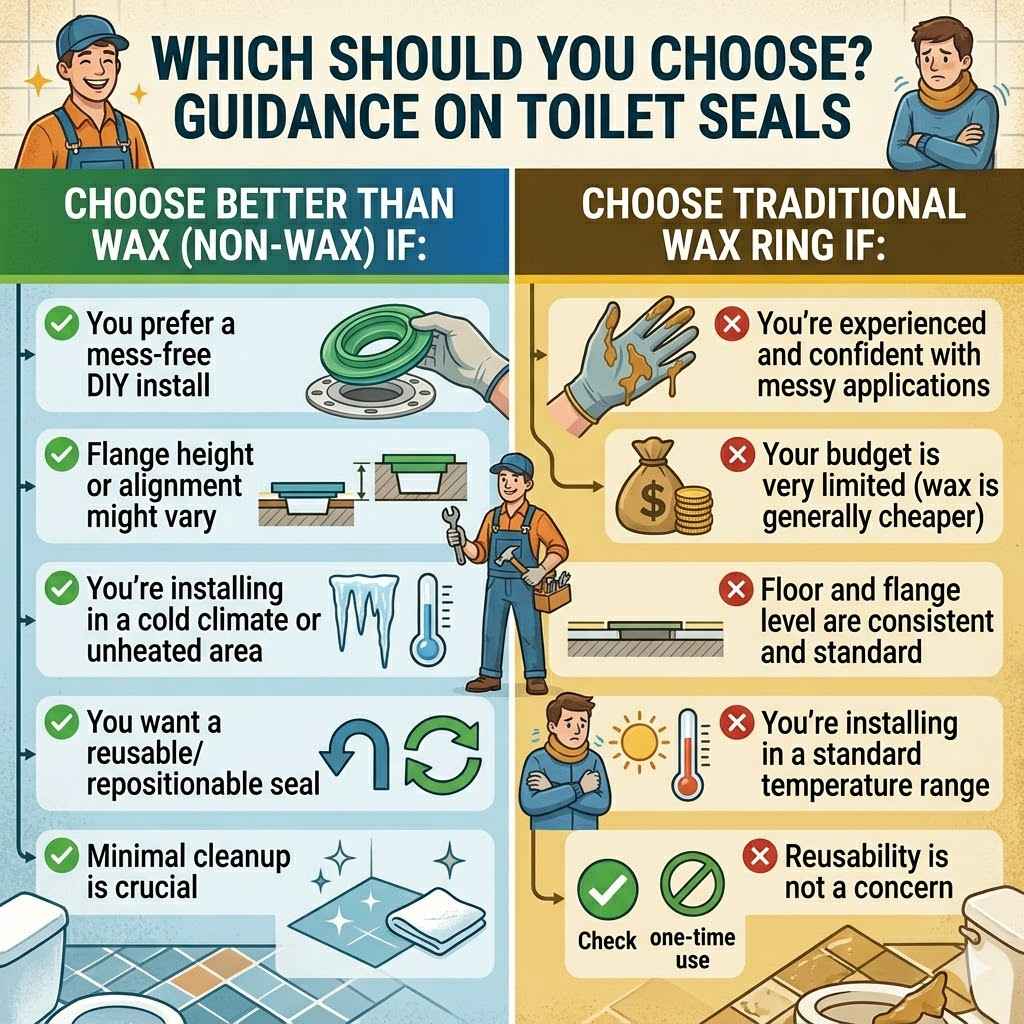
When to Choose “Better Than Wax”
“Better Than Wax” is ideal when you need speed and efficiency. If you’re sealing dozens or hundreds of items. Like party favors, product tags, or bulk mailings.
The faster application and setting time make a huge difference.
When durability is a key concern. If your items will be shipped. Or handled frequently.
Or stored in varying temperatures. The more robust nature of synthetic seals can prevent damage.
For modern crafts and contemporary designs. If you want a clean, sharp look. And the traditional aged patina isn’t necessary.
“Better Than Wax” can provide a polished finish that fits well with modern aesthetics.
When ease of use is paramount. If you’re new to wax sealing. Or you don’t want to invest in specialized melting tools.
Using a glue gun for “Better Than Wax” is often more intuitive.
For projects where consistent results are critical. The more controlled melting and setting process can lead to more uniform seals. This is important for branding or when a very precise look is required.
In essence, opt for “Better Than Wax” when practicality, speed, and resilience are more important than strict adherence to historical accuracy or the traditional crafting process.
Real-World Scenarios and Examples
Let’s picture some real situations where one might be better than the other.
Scenario 1: Wedding Invitations. Sarah is sending out her wedding invitations. She wants them to be elegant and timeless. She decides to use wax seals on the envelopes.
She loves the idea of a classic, romantic look. She chooses a traditional wax ring. She enjoys the process of melting it.
She gets a beautiful, slightly imperfect seal. It feels very special and personal.
Scenario 2: Product Packaging. Mark runs a small business selling handmade soaps. He wants to add a touch of class to his packaging. He needs to seal many boxes quickly.
He doesn’t want the seals to break during shipping. He tries a “Better Than Wax” product with a glue gun. He finds he can seal all his boxes in an afternoon.
The seals are strong and look professional. They hold up well even when shipped across the country.
Scenario 3: Craft Fair Tags. Emily is making decorative tags for her handmade jewelry. She needs to attach them to many items. She needs a quick way to seal them.
She doesn’t want the seals to melt if a customer tries them on in a warm shop. She uses a “Better Than Wax” product. It sets fast, looks great, and is durable.
She can easily produce dozens of tags before her next fair.
Scenario 4: Historical Reenactment Letters. John is writing letters as part of a historical reenactment. He wants his letters to look as authentic as possible. He uses traditional sealing wax.
He carefully melts it and applies it. The resulting seal has the look and feel of centuries past. It adds greatly to his immersive experience.
Scenario 5: Scrapbooking. Maria is creating a memory album. She wants to add some decorative seals to certain pages. She enjoys the slower pace of traditional wax sealing.
The slightly varied look adds texture and interest to her pages. It’s a relaxing part of her hobby.
These examples show how the choice depends on the goal. Is it the timeless beauty of tradition? Or the practical need for speed and strength?
Both have their place.
Choosing Your Sealing Method: Key Questions
- What is your main goal? (Authenticity, speed, durability, aesthetics)
- How many items do you need to seal? (One or a few vs. many)
- Will the item be shipped or handled often?
- What is the environment it will be in? (Temperature, light exposure)
- Do you enjoy the crafting process itself?
- What is your budget for materials and tools?
What This Means for You
When it comes down to it, there’s no single “best” option. It’s about finding the right fit for your needs. If you’re a hobbyist looking for beautiful, traditional seals for letters or journals.
A quality wax ring will likely bring you joy. The slight imperfections are part of its charm. It connects you to a long history of sealing.
If you’re a small business owner. Or a crafter who needs to produce many items. And you need them to withstand travel.
Or daily handling. Then “Better Than Wax” is likely a more practical choice. It offers speed and resilience that traditional wax might not.
You might even find yourself using both! Perhaps traditional wax for personal letters. And a synthetic alternative for your Etsy shop products.
It’s about having the right tool for the right job.
Don’t be afraid to experiment. Try a few wax rings. Try a “Better Than Wax” product.
See which one feels better in your hands. Which one gives you the look you desire. And which one fits into your workflow.
The most important thing is that you’re happy with the result.
Consider the stamp too. A good quality stamp will make a difference with either type of wax. A deeper engraving will give a clearer impression.
A well-made stamp will last longer.
Quick Fixes & Tips
Sometimes, even with the best intentions, things don’t go perfectly. Here are a few tips to help:
- For Traditional Wax:
- If your wax is too sticky, try a different brand or melt it slightly less.
- If your stamp is sticking, let the wax cool a bit longer before pressing. A tiny bit of cooking spray or oil on the stamp can help, but use sparingly.
- For a cleaner pour, pre-warm your melting spoon with a little wax before adding more.
- If your wax seal cracks, it might be too brittle. Try a wax with more rosin.
- For “Better Than Wax”:
- If it sets too fast, try using a lower heat setting on your glue gun if possible.
- If the impression isn’t clear, ensure the material is hot enough when you stamp.
- Clean your stamp regularly between seals to avoid buildup.
- General Tips:
- Practice on scrap paper first.
- Make sure your surface is clean and dry.
- Work in a well-lit area.
- Have your stamp ready before the wax starts to set.
Frequent Questions
Is “Better Than Wax” really better than traditional wax?
It depends on what you mean by “better.” “Better Than Wax” products are often easier to use, faster, and more durable. Traditional wax offers a classic look and a more authentic crafting experience. Neither is universally “better”; it’s about choosing the right one for your needs.
Can I use a regular glue gun with traditional wax?
No, it’s not recommended. Regular glue guns are designed for hot melt glue, which has different properties than sealing wax. Using real wax in a glue gun can damage the gun and won’t produce good results.
You need a special wax melting spoon or a dedicated wax glue gun for traditional wax.
Will my wax seals melt if I mail them in the summer?
Traditional wax can soften and smudge in very high heat. If you are mailing items in hot climates, consider using a more durable synthetic alternative like “Better Than Wax.” You can also try to use a wax blend that is formulated for higher temperatures.
How do I clean my wax stamp?
For traditional wax, you can often wipe away most residue while it’s still warm. For stubborn bits, you might use a soft brush or a wooden skewer. For “Better Than Wax” products, follow the manufacturer’s cleaning instructions.
Sometimes a gentle wipe with a damp cloth once cooled can work.
Can I mix different colors of wax?
Yes, you can often mix traditional wax colors to create new shades. This is a great way to get unique hues. Be sure to melt them together thoroughly.
Some “Better Than Wax” products are also mixable, but always check the product details.
How much wax do I need for one seal?
This varies based on the size of your stamp and the desired thickness of the seal. For a standard 1-inch stamp, a pool of melted wax about 1-2 inches in diameter and 1/8 to 1/4 inch thick is usually sufficient. Practice will help you gauge the right amount.
Conclusion
Choosing between a wax ring and a “Better Than Wax” product boils down to your priorities. Do you crave the authentic feel and historical charm of traditional wax? Or do you need the speed, durability, and ease of use that synthetic alternatives offer?
Both can create beautiful seals. Your ideal choice depends on your project’s demands and your personal preferences.
Sponsored / affiliate links. As an Amazon Associate I earn from qualifying purchases. I may earn additional commission from eligible campaigns.