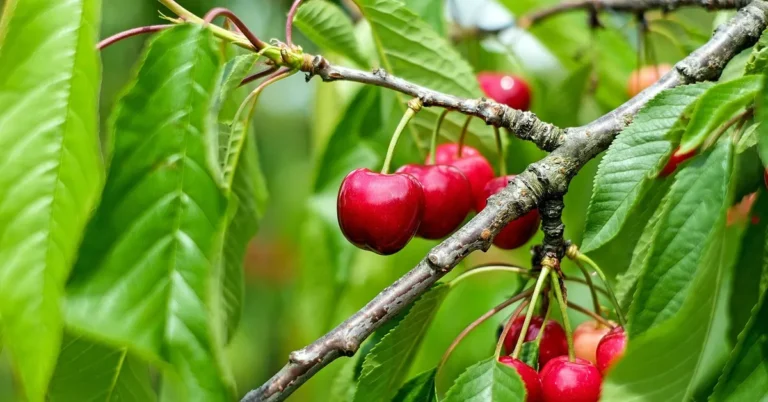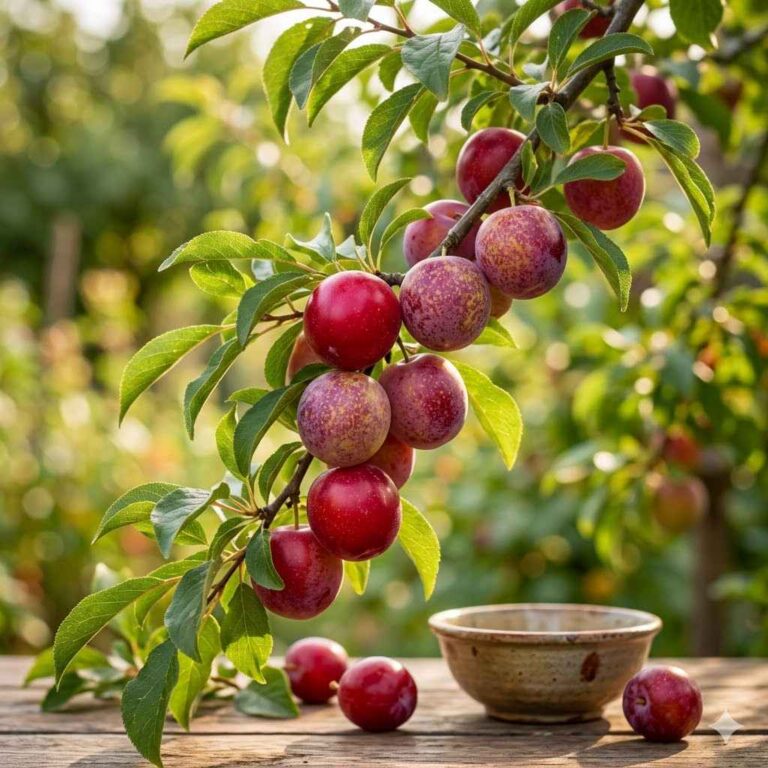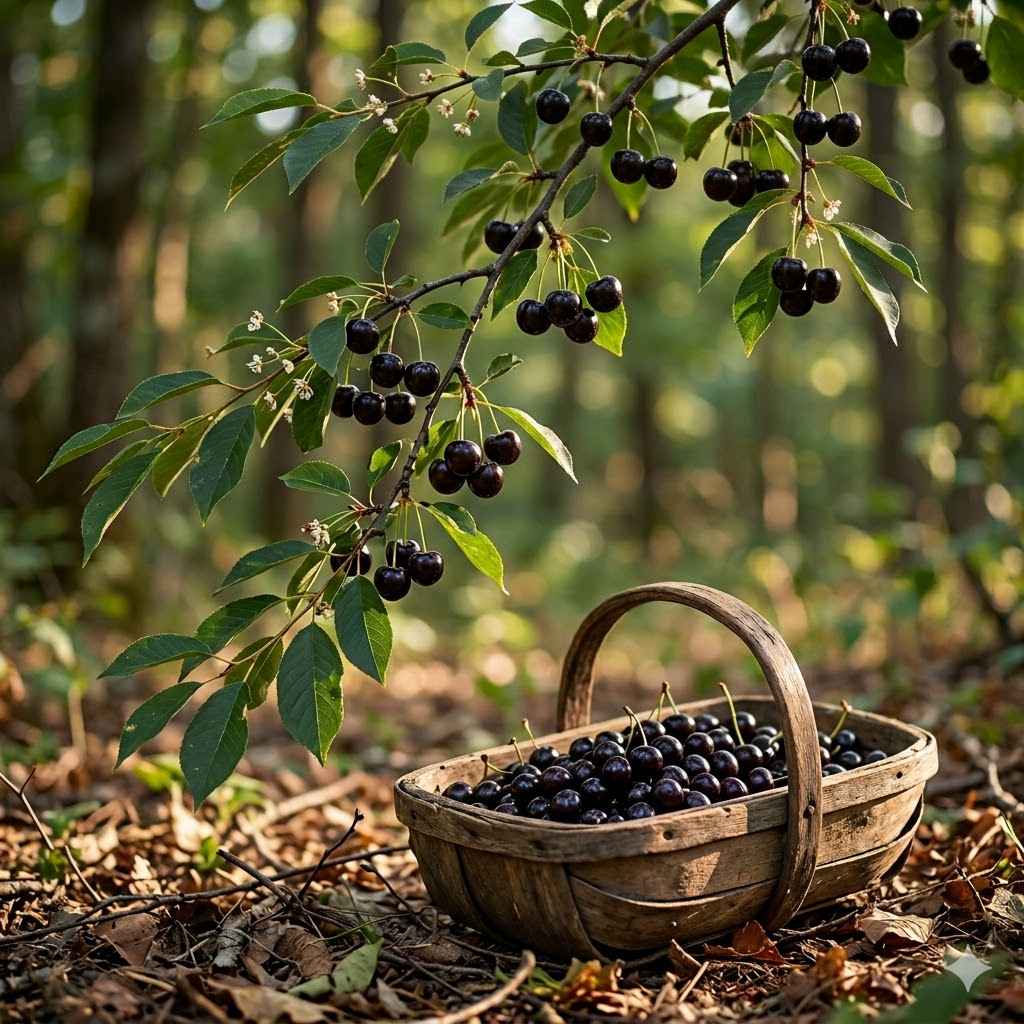
Can You Eat Black Cherry? Benefits, Risks & What To Know
It’s a question that pops up when you see something beautiful and intriguing in nature: can you eat it? Especially with fruits, our curiosity peaks. Black cherries are one such fruit.
They look deep, rich, and inviting. But before you grab one from a tree or find them at the market, you might wonder, “Can you eat black cherry?” Let’s dive in and find out all about these fascinating fruits.
Yes, many types of black cherries are edible and offer great health benefits. However, it is crucial to identify the specific variety, as some wild cherries or parts of the plant can be toxic. Commercially available black cherries, like Bing or Rainier, are safe to eat.
Understanding Edible Black Cherries
The world of cherries is quite diverse. When we talk about eating black cherries, we usually mean the sweet varieties that are common in grocery stores. These are the ones that grace our pies, jams, and snacks.
They have a deep, dark color that gives them their name. Think of the familiar Bing cherry or the sweet, almost rosy Rainier when it has a dark blush. These are the stars of the show.
There are also wild Cherry Trees Need to Be to Pollinate: Optimal Distance Explained” href=”https://woodworkingadvisor.com/how-close-do-cherry-trees-need-to-be-to-pollinate/” target=”_blank” rel=”noopener” data-wpil-monitor-id=”21072″>cherry trees. Some of these produce cherries that are edible. Others, however, have cherries that are not meant for eating.
The leaves, bark, and pits of many cherry trees contain compounds that can be harmful. This is why knowing your cherry is important. It’s like knowing your neighbors; some are friendly, and some you should just wave at from afar.
So, the short answer is yes, you can eat black cherries. But the long answer involves a little more detail. We need to talk about which ones are safe and what makes them so special.
It’s not just about taste; it’s about what these fruits do for our bodies. And, of course, it’s about being safe.
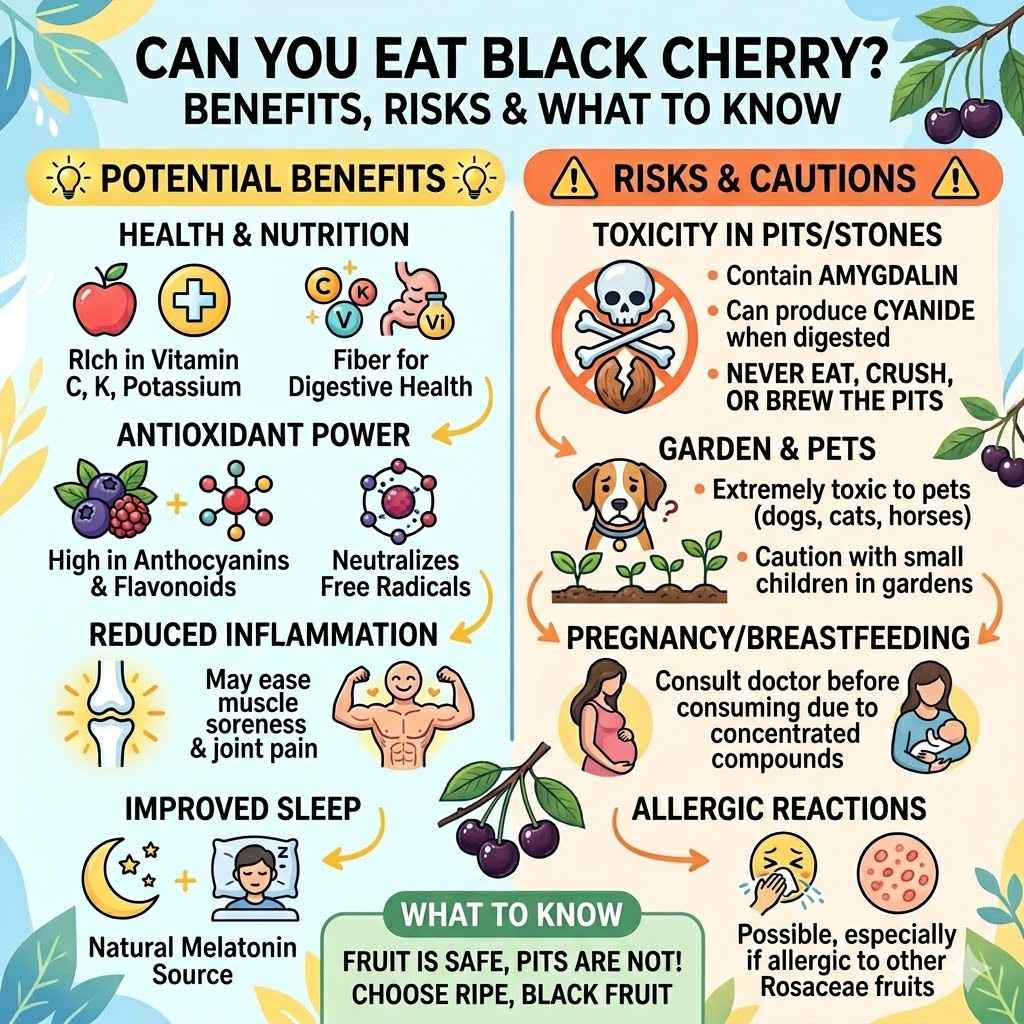
The Wonderful World of Black Cherry Benefits
Black cherries are more than just a tasty treat. They are packed with good stuff that helps your body. Think of them as little powerhouses of health.
They are loaded with vitamins and minerals. They also have special compounds that do amazing things.
One of the biggest stars in black cherries is their antioxidant power. Antioxidants are like tiny bodyguards. They fight off bad guys called free radicals.
Free radicals can harm your cells. This damage can lead to health problems over time. Cherries, especially dark ones like black cherries, are rich in these protectors.
Anthocyanins are a type of antioxidant that gives black cherries their deep color. These compounds are linked to many health benefits. They are known to help reduce inflammation.
Inflammation is your body’s response to injury or sickness. But too much long-term inflammation can be bad. It’s linked to heart disease and other issues.
Black cherries also contain vitamins like Vitamin C. Vitamin C is great for your immune system. It helps your body fight off colds and flu.
It also helps keep your skin healthy. You also get Vitamin A, which is good for your eyes.
Potassium is another mineral found in these cherries. Potassium helps manage blood pressure. It keeps your heart beating strong.
This is another reason why cherries are good for your ticker.
For anyone who exercises, black cherries might be a secret weapon. Athletes often talk about tart cherries. But sweet black cherries also share some benefits.
They can help reduce muscle soreness after tough workouts. This means you can bounce back faster.
The fiber in cherries is also a plus. Fiber is important for digestion. It keeps things moving smoothly in your gut.
It can also help you feel full, which is good for managing weight.
Some studies suggest that eating cherries may help with sleep. They contain a small amount of melatonin. Melatonin is a hormone that helps regulate sleep.
So, a small bowl of cherries before bed might be a sweet way to drift off.
It’s truly amazing what nature packs into such a small fruit. The depth of flavor often matches the depth of their health-giving properties. So, when you enjoy a black cherry, you’re not just tasting sweetness; you’re getting a dose of wellness.
Potential Risks and What to Watch Out For
While black cherries are generally safe and healthy, there are a few things to keep in mind. The biggest concern is with wild cherry trees. Not all of them produce edible fruit.
Some wild cherries contain cyanide compounds. These are found in the leaves, bark, stems, and pits of the tree. If these are eaten, they can make you very sick.
Even the unripe cherries can be problematic.
If you are picking cherries yourself from a wild tree, absolute certainty about its species is crucial. It’s best to stick to cherries you buy from a trusted source. Grocery store cherries are almost always safe.
They are cultivated for eating. They come from well-known varieties like Bing, Chelan, or Rainier.
Another thing to consider is sugar content. Cherries are natural fruits, so they contain natural sugars. If you have diabetes or are watching your sugar intake, it’s good to eat them in moderation.
A small serving is usually fine. But eating a huge bowl might raise your blood sugar levels more than you’d like.
Some people might have allergies. While rare, cherry allergies do exist. If you’ve never eaten cherries before, start with a small amount.
Watch for any signs of an allergic reaction. These could include itching, hives, or swelling. If you experience these, stop eating them and consult a doctor.
The pits of cherries, even the edible ones, are not meant to be eaten. They contain compounds that can release cyanide when digested. While you’d have to chew and eat many pits to cause harm, it’s best to avoid them altogether.
Most people naturally spit them out.
For children, it’s especially important to supervise. Make sure they spit out the pits. And again, if you are foraging, ensure you know exactly what you are picking.
When in doubt, leave it out.
Remember, moderation is key with any food. Black cherries are a healthy choice. But like anything, too much of a good thing can sometimes lead to less good outcomes.
Understanding these potential risks helps you enjoy black cherries safely and wisely.
Quick Cherry Fact Check
Myth vs. Reality: Some people worry about the pits. It’s true they have compounds that can be harmful if eaten.
But you would need to eat a lot of them, and chew them up, for it to be a real problem. Spitting them out is the best approach.
Identifying Edible Black Cherry Varieties
When you walk into a grocery store during cherry season, you’ll see a variety of cherries. Most of the dark red or almost black ones are sweet cherries. These are bred for flavor and eating out of hand.
Some common types include:
- Bing: This is perhaps the most popular sweet cherry. It’s large, firm, and has a deep red to almost black skin. It has a rich, sweet flavor.
- Chelan: Similar to Bing, Chelan cherries are dark and sweet. They are often a bit firmer.
- Black Tartarian: As the name suggests, these are very dark. They are known for their sweetness and juicy texture.
- Lapins: This is a late-season cherry that is large and dark red. It’s very sweet and a good choice for eating fresh.
These varieties are reliable choices for consumption. They are grown specifically for their delicious taste and safe consumption. Their sweetness is usually pronounced, making them perfect for snacking.
On the other hand, there are wild cherries. The most common one you might encounter is the Black Cherry (Prunus serotina). While the ripe fruit is edible and has been used traditionally, its relatives are more problematic.
The leaves, bark, and unripe fruit of Prunus serotina contain a compound called amygdalin. This breaks down into cyanide in the body.
Even with ripe Black Cherry fruit, some sources advise caution. They suggest cooking the fruit first. This can help break down any residual harmful compounds.
However, the risk associated with the rest of the plant is significant. If you are not an expert botanist, it is best to avoid foraging for wild cherries for consumption.
For casual eaters, the rule is simple: if you buy it at the store and it’s labeled a sweet cherry, you’re good to go. If you see a cherry tree in the wild, admire its beauty. But unless you have an expert with you confirming its safety, it’s safer to enjoy cherries from a known source.
Spotting the Difference: Cultivated vs. Wild
Cultivated Sweet Cherries (e.g., Bing, Rainier):
- Uniform size and color.
- Sold in markets and stores.
- Bred for sweetness and low toxin levels in fruit.
Wild Black Cherries (e.g., Prunus serotina):
- Fruit can be smaller and less uniform.
- Leaves, bark, and stems can be toxic.
- Requires expert identification for safe fruit consumption.
The Science Behind the Benefits: What Makes Them So Good?
Let’s peek under the hood of these amazing fruits. What exactly makes black cherries so good for us? It’s a combination of their unique chemical makeup.
These compounds work together to support our health.
The primary reason for the health buzz around black cherries is their high antioxidant content. We mentioned anthocyanins. These are a type of flavonoid.
They are powerful antioxidants. They are responsible for the vibrant red, purple, and blue colors in many fruits and vegetables. In black cherries, they are in abundance.
Research shows that these anthocyanins can help protect your cells from damage. This damage is caused by something called oxidative stress. Oxidative stress is linked to aging and many chronic diseases.
By neutralizing harmful free radicals, anthocyanins help keep your cells healthy. This can have a ripple effect on your entire body.
Beyond anthocyanins, black cherries also contain other beneficial compounds. They have vitamins like Vitamin C and some Vitamin A. They also offer minerals like potassium.
Potassium is vital for maintaining healthy blood pressure. It works by helping your body get rid of extra sodium. It also helps keep your heartbeat steady.
The anti-inflammatory properties are also a big deal. Chronic inflammation plays a role in many diseases. Think of conditions like heart disease, diabetes, and arthritis.
The antioxidants in black cherries help to calm this inflammation. This can lead to less pain and better overall health.
For muscle recovery, the science points to the anti-inflammatory and antioxidant effects. When you exercise, your muscles experience tiny tears. This leads to soreness.
The compounds in cherries help reduce the inflammation that comes with this. They may also help reduce the oxidative stress that occurs during intense workouts.
And let’s not forget the potential sleep benefits. Melatonin is a hormone that your body makes naturally. It signals to your brain that it’s time to sleep.
Cherries contain a small amount of this hormone. They also contain tryptophan, an amino acid that the body uses to make melatonin. This combination could help improve sleep quality for some people.
It’s a complex interplay of nutrients. No single nutrient works alone. The synergy of vitamins, minerals, fiber, and powerful plant compounds is what makes black cherries so valuable.
It’s like a well-tuned orchestra, with each part playing its role to create harmony in your body.
Key Compounds in Black Cherries
- Anthocyanins: Powerful antioxidants, anti-inflammatory.
- Vitamin C: Boosts immunity, good for skin.
- Potassium: Helps regulate blood pressure.
- Melatonin: May aid sleep.
- Fiber: Supports digestion.
My Own Cherry Picking Adventure (and a Lesson Learned)
I remember a few years back. It was a beautiful summer day. I was visiting some relatives upstate.
They had this huge tree in their backyard. It was covered in the most beautiful, dark cherries. My cousin said, “Help yourself!
They’re ripe!” My eyes lit up. I loved cherries and had never seen so many on one tree.
I started picking them, popping them straight into my mouth. They were sweet, juicy, and absolutely delicious. I ate handfuls.
My cousin then came out and saw me. She looked a little worried. “Oh, honey,” she said, “those are our wild cherries.
We don’t eat those ones raw. We only cook them down for jam.”
My stomach did a little flip. I thought, “Oh no! Did I just poison myself?” I felt a bit of panic mixed with annoyance at myself for not asking first.
I didn’t feel sick right away, thankfully. But it was a stark reminder. Nature is generous, but you need to know what you’re dealing with.
I spent the rest of the afternoon nervously waiting to see if I’d feel unwell.
Thankfully, I was fine. I think I only ate the ripe fruit and didn’t chew any pits or eat unripe ones. But that experience stuck with me.
It taught me a valuable lesson about respecting nature and always being sure of what you’re consuming. From then on, I always buy my cherries from the store. They are clearly marked and safe.
Now, when I eat them, I appreciate them even more, knowing the care that goes into making sure they are good for me.
Real-World Context: Where Do Black Cherries Fit In?
Black cherries fit into our lives in many ways. They are a versatile fruit. Their flavor profile makes them great for both sweet and savory dishes.
In American homes, cherries are often seen as a summer treat. They are a symbol of the season.
Snacking: This is the most straightforward use. Wash a handful of sweet black cherries and enjoy them as a healthy snack. They are portable and satisfying.
Many people keep a bowl on their kitchen counter during cherry season.
Baking: Black cherries are a classic ingredient in pies, tarts, and cobblers. Their tart-sweet flavor holds up well to baking. They add moisture and a burst of fruity goodness.
A black cherry pie is a beloved American dessert.
Preserves: Making jam, jelly, or preserves is another popular way to enjoy cherries. This allows you to capture the taste of summer for months to come. Cooked cherries also reduce the risk of any potential issues from their pits or stems.
Drinks: Cherry juice, especially from tart cherries but also from sweet ones, is gaining popularity. It’s consumed for its health benefits. You can also muddle cherries in cocktails or make refreshing cherry-infused water.
Salads and Savory Dishes: Don’t be afraid to use cherries in unexpected ways! Their sweetness can balance out salty or savory flavors. They can be a great addition to a spinach salad with goat cheese and nuts.
Some people even add them to pork or duck dishes.
The context of where they are grown also matters. Cherries thrive in temperate climates. The United States is a major producer, with states like Washington, California, and Oregon being leading cherry-growing regions.
These areas provide the right climate for sweet cherry trees to flourish.
Consumer behavior also shapes how we see cherries. They are often associated with holidays like the Fourth of July or Thanksgiving. They are seen as a special treat.
Their beautiful color makes them visually appealing for desserts and garnishes.
Understanding these contexts helps us appreciate black cherries more. They are not just a fruit; they are part of our culinary traditions and healthy eating habits. Whether fresh, baked, or blended, they offer a taste of pure, natural goodness.
Cherry Uses Across the USA
Pacific Northwest: Known for large-scale sweet cherry production (Bing, Rainier).
California: Significant cherry cultivation, often earlier season.
Midwest/East Coast: Home to some wild cherry varieties and smaller orchards.
Common Dishes: Cherry pie, cherry cobbler, cherry jam, cherry salads.
What This Means For You: Enjoying Black Cherries Safely
So, what’s the takeaway for you? It’s really about being informed and making smart choices. When it comes to enjoying black cherries, here’s what you need to know:
When It’s Normal to Eat Them: It is perfectly normal and healthy to eat sweet black cherries. This includes varieties like Bing, Chelan, Black Tartarian, and Lapins. Enjoy them fresh, cooked, or in juice form.
They are a nutritious addition to your diet.
When to Be Cautious: You should be cautious if you are considering eating cherries from a wild tree. Unless you are an expert and can positively identify the species and its edible parts, it is best to avoid them. The leaves, bark, stems, and unripe fruit of many wild cherry trees can be toxic.
Even ripe wild cherries might require cooking.
Simple Checks Before You Eat:
- Source: Where did the cherries come from? If from a grocery store or a reputable farm stand, they are almost certainly safe.
- Appearance: Are they ripe, plump, and free from mold or damage? Ripe sweet cherries are deep red to almost black.
- Pits: Always remember to spit out the pits. They are not meant for consumption.
- Moderation: Enjoy them, but don’t overdo it, especially if you are watching your sugar intake.
For most people, black cherries are a safe and beneficial food. The key is to know the difference between cultivated sweet cherries and potentially risky wild varieties. When in doubt, always opt for the safe, familiar choice from the market.
You can then fully enjoy their delicious taste and health perks without worry.
Your Cherry Eating Checklist
✅ Is it a store-bought sweet cherry? (Bing, Rainier, etc.) – YES, eat it!
✅ Is it a wild cherry from an unknown tree? – NO, avoid it unless certain.
✅ Did you spit out the pit? – YES, good job!
✅ Are you eating a reasonable amount? – YES, enjoy!
Quick Tips for Enjoying Black Cherries
Here are some easy ways to make the most of your black cherries:
- Wash Them Well: Always rinse cherries under cool water before eating. This removes any dirt or residue.
- Keep Them Cool: Store fresh cherries in the refrigerator. They will last longer this way. A breathable bag or container is best.
- Pit Them for Convenience: If you plan to use cherries in recipes or want easy snacking, a cherry pitter is a great tool. It removes the pits quickly.
- Freeze Them: Have too many cherries? Pit them and freeze them on a baking sheet. Once frozen, transfer them to a freezer bag. Frozen cherries are great for smoothies or baking later.
- Pair with Dairy or Nuts: Cherries taste wonderful with yogurt, cottage cheese, or almonds. This adds protein and healthy fats to your snack.
- Try Them in Salads: A few chopped cherries can add a sweet surprise to green salads.
Simple Cherry Hacks
Easy Cleaning: Soak cherries in a bowl of water for a few minutes. They float, making it easy to rinse them.
Quick Pitting: Use a paperclip or a sturdy toothpick to push the pit out. It takes patience but works!
Flavor Boost: A tiny squeeze of lemon juice can make the cherry flavor pop even more.

Frequently Asked Questions About Eating Black Cherries
Are all black cherries safe to eat?
No, not all black cherries are safe. Commercially grown sweet cherries, like Bing, are safe and delicious. However, some wild black cherries and parts of wild cherry trees (leaves, bark, pits) can be toxic due to cyanide compounds.
It’s crucial to know the source and type of cherry.
What are the health benefits of eating black cherries?
Black cherries are rich in antioxidants, especially anthocyanins, which help fight inflammation and cell damage. They also provide Vitamin C, potassium, and fiber. These nutrients support heart health, immunity, digestion, and may help with muscle recovery and sleep.
Can I eat the pits from black cherries?
No, you should not eat the pits from black cherries. Cherry pits contain compounds that can release cyanide when digested. While you would need to eat a significant number of chewed pits to cause serious harm, it is best to avoid them entirely and spit them out.
Are there any side effects of eating too many black cherries?
Eating too many black cherries can lead to digestive upset due to their fiber content. They also contain natural sugars, so excessive consumption could impact blood sugar levels for individuals with diabetes. Moderation is recommended.
What is the difference between sweet and tart black cherries?
Sweet black cherries, like Bing, have a high sugar content and are typically eaten fresh. Tart cherries, often smaller and with a brighter red color, have a more sour taste and are commonly used in baking and juices. Both offer health benefits, but tart cherries are particularly noted for muscle recovery.
Can I eat black cherries if I have diabetes?
Yes, you can eat black cherries if you have diabetes, but in moderation. They contain natural sugars. It’s important to count them as part of your carbohydrate intake.
Focusing on whole cherries rather than cherry juice is usually a better choice due to fiber content.
How should I store black cherries to keep them fresh?
Store fresh black cherries in the refrigerator in a breathable container or bag. Avoid washing them until just before you plan to eat them, as moisture can speed up spoilage. They typically last about a week in the fridge.
Final Thoughts on Edible Black Cherries
So, to circle back to our initial question: can you eat black cherry? Absolutely! The sweet varieties you find at the market are safe, delicious, and wonderfully good for you.
They offer a fantastic combination of flavor and health benefits. Just remember to always be sure of your source and spit out those pits. Enjoy this jewel of a fruit!
Sponsored / affiliate links. As an Amazon Associate I earn from qualifying purchases. I may earn additional commission from eligible campaigns.