Gorilla Glue vs E6000: Which to Use (Cost + Cure Time)
Gorilla Glue wins for quick, rigid, gap-filling bonds on wood, stone, and ceramic — but E6000 wins when the bond needs to flex, stay clear, or hold on glass, fabric, or mixed materials. Grab the wrong one and you risk a joint that cracks under vibration (Gorilla Glue on flexible materials) or one that’s too soft for structural weight (E6000 on load-bearing wood). This guide covers exactly when to reach for each adhesive, real cure-time and cost differences, and how to apply both correctly.
Gorilla Glue vs E6000: An Essential Guide for DIYers
Gorilla Glue and E6000 solve different problems: one is a rigid, expanding polyurethane built for structural strength, the other a flexible synthetic polymer built to move with the material it’s bonding. In our shop, the deciding question is always the same — will this joint ever flex, get wet, or need to look clear? If yes, E6000 wins; if it’s a dry, rigid, load-bearing joint, Gorilla Glue wins.
What is Gorilla Glue?
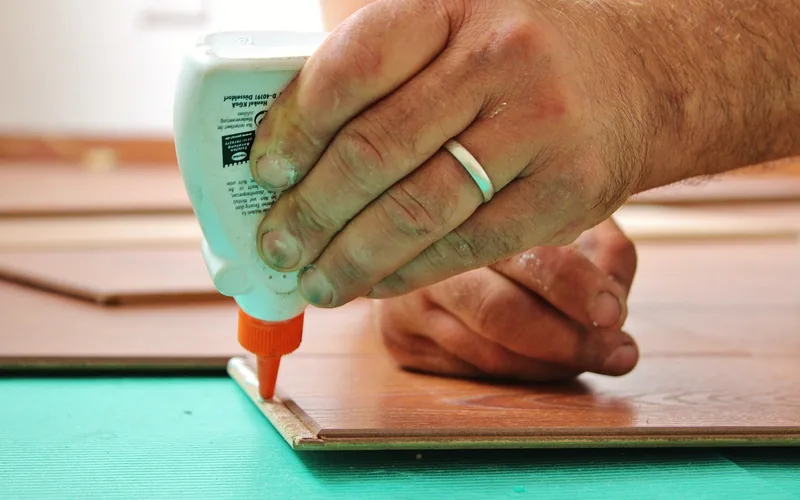
Gorilla Glue is famous for its incredible strength and versatility. It’s technically a polyurethane-based adhesive. When applied, it reacts with moisture in the air and on the surface of the materials you’re joining. This reaction causes it to expand slightly, which helps it to grip into nooks and crannies. This expansion is a key feature, making it excellent for filling small gaps and creating a super-strong, permanent bond. It’s often called “the world’s toughest adhesive,” and for many applications, it lives up to that name.
Key Characteristics of Gorilla Glue:
- Expands: It foams up slightly as it cures, which helps it fill gaps and create a strong grip.
- Waterproof: Most Gorilla Glue products are waterproof, making them suitable for outdoor projects or items that might get wet.
- Strong Bond: It forms an incredibly strong, permanent bond, especially on porous materials.
- Cure Time: Can take several hours to fully cure, and clamping is usually required.
- Surface Preparation: Works best on clean, dry, and often slightly damp surfaces.
What is E6000?
E6000 is a unique, industrial-strength adhesive known for its superior flexibility and waterproof qualities. It’s a synthetic polymer adhesive, often described as clear, flexible, and paintable. Unlike Gorilla Glue, E6000 doesn’t expand. Instead, it dries to a clear, rubbery finish, which is fantastic for projects where you need a bond that can withstand vibration or movement. It’s a go-to for crafters, jewelers, and anyone needing to bond dissimilar materials that might expand and contract differently.
Key Characteristics of E6000:
- Flexible: Dries to a rubbery, flexible state, which is great for absorbing shock and vibration.
- Waterproof & Weatherproof: Excellent resistance to water, UV rays, and extreme temperatures.
- All-Purpose: Bonds to a wide variety of surfaces, including plastic, rubber, metal, glass, wood, leather, and more.
- Non-Expanding: Stays put and doesn’t try to push your pieces apart.
- Cure Time: Can take 72 hours for a full cure, though it grips well much sooner.
Gorilla Glue vs E6000: A Side-by-Side Comparison
To really get a clear picture, let’s lay out their strengths and weaknesses in a direct comparison. This table will help you quickly see which glue might be better suited for your particular project.
| Feature | Gorilla Glue | E6000 |
|---|---|---|
| Base Chemistry | Polyurethane | Synthetic Polymer |
| Expansion During Cure | Yes (foams slightly) | No |
| Best For | Wood, stone, ceramic, metal, some plastics. Excellent for repairs needing gap-filling strength. | Crafts, jewelry, fabric, leather, plastic, metal, glass, rubber. Ideal for flexible and waterproof applications. |
| Bond Strength (Typical) | Extremely High, rigid | Very High, but flexible |
| Water Resistance | Excellent (most formulations) | Excellent |
| Temperature Resistance | Good | Excellent (wide range) |
| Application Difficulty | Can be messy due to expansion; requires clamping. | Easier to control application; may require clamping for very heavy items. |
| Cure Time (Drying) | 1-hour initial set, 24-hour full cure (approx.) | 24-hour initial set, 72-hour full cure (approx.) |
| Flexibility After Curing | Rigid | Flexible, rubbery |
| Color After Curing | Amber/Brown (can darken over time) | Clear |
📊 Cost per use: Gorilla Original Glue runs about $1.33/fl oz at the live Amazon price for the 18 oz bottle — Source: Amazon, 2026. E6000 runs closer to $2.60-$2.70/fl oz for a 3.7 oz tube — Source: The Home Depot, 2026. For large structural jobs, Gorilla Glue is also the cheaper adhesive per ounce, not just the more rigid one.
“The failure mode tells you which glue you needed. If a repaired joint cracks clean along the glue line, that’s usually a rigid adhesive on a joint that needed to flex — switch to E6000. If it peels or stretches apart, you needed the rigid hold Gorilla Glue gives instead.”
When to Choose Gorilla Glue
Gorilla Glue is your go-to when you need an unbreakable, rigid bond and you’re working with materials that can benefit from its slight expansion properties. Think of it as the super-adhesive for structural repairs and projects where durability is the absolute top priority.
Top Use Cases for Gorilla Glue:
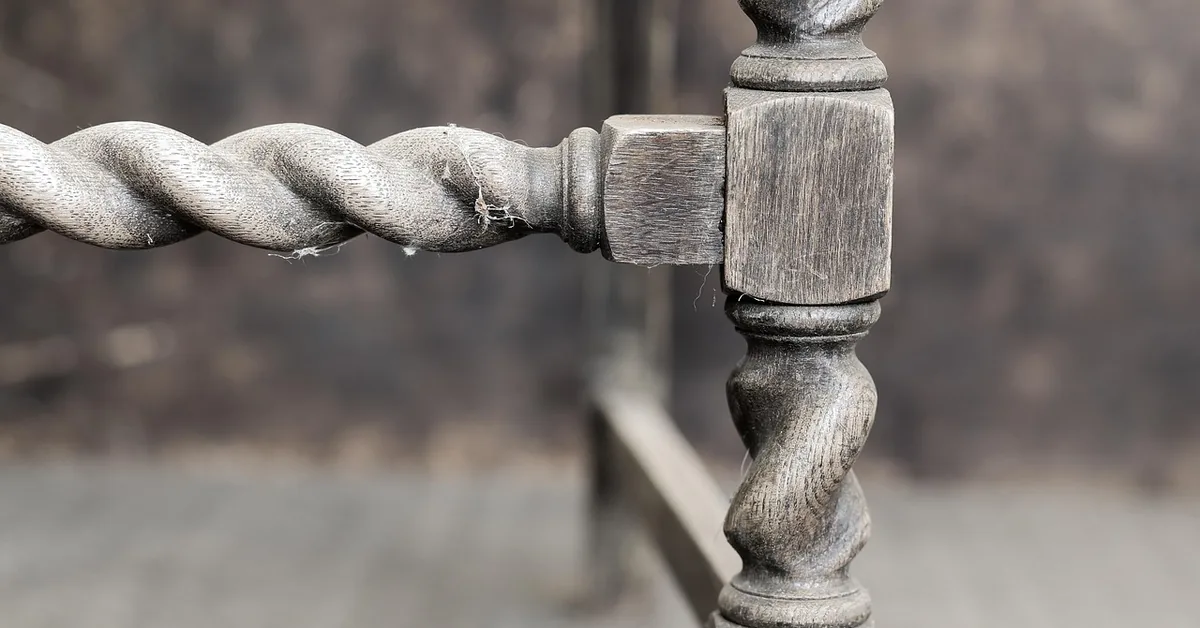
- Woodworking Projects: Repairing furniture, joining wood pieces, fixing cabinets, or building sturdy outdoor structures. Its ability to penetrate wood grain and expand makes it ideal. You can learn more about wood repair from resources like This Old House, and with Gorilla Glue, you’ll have a strong foundation.
- Ceramic and Stone Repairs: Perfect for fixing broken pottery, garden ornaments, or countertops where a strong, permanent bond is needed.
- Metal Bonding: It forms a very strong connection between metal parts, suitable for repairs or fabrication.
- Filling Small Gaps: The expansion is a bonus when surfaces aren’t perfectly flush.
- Outdoor Applications: Many Gorilla Glue formulas are waterproof, making them excellent for items exposed to the elements, like garden furniture or outdoor signage.
Remember, Gorilla Glue works best when surfaces are clean. For best results on wood, you might want to lightly dampen one surface, as Gorilla Glue needs moisture to cure. Always follow the product instructions carefully!
Best Gorilla Glue Pick
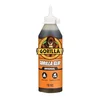 |
Gorilla Original Glue, 18 oz – $23.98 The same polyurethane formula covered in this guide — expands into wood, stone, ceramic, and metal for the rigid, gap-filling bond the comparison table above ranks highest for structural repairs.
|
As an Amazon Associate we earn from qualifying purchases.
How to Use Gorilla Glue Properly
Using Gorilla Glue is straightforward, but a few key steps will make sure you get the strongest possible bond and avoid a sticky mess.
- Prepare Your Surfaces: Ensure the areas you want to join are clean, dry, and free from dust, grease, or debris.
- Lightly Dampen (For Porous Materials): For porous materials like wood, lightly mist one of the surfaces with water. This moisture helps the glue to activate and cure properly. Don’t soak it; just a light spray is perfect.
- Apply the Glue: Apply a small amount of Gorilla Glue to one surface. Remember, it expands, so you don’t need a lot! A little goes a long way.
- Join the Surfaces: Press the two surfaces together firmly.
- Clamp: This is crucial! Clamp the pieces together tightly while the glue cures. This prevents the pieces from shifting and ensures maximum contact for the strongest bond. Check how long to clamp based on the Specific Gorilla Glue product you’re using.
- Wipe Away Excess: Immediately wipe away any glue that squeezes out with a dry cloth. Once it cures, it can be difficult to remove.
- Allow to Cure: Let the glue cure completely for the time recommended on the packaging. This is typically at least 24 hours for full strength.
When to Choose E6000
E6000 shines when you need a bond that is both incredibly strong and flexible. It’s a favorite for crafters, fabricators, and anyone dealing with materials that might flex, expand, or contract. Its waterproof and weatherproof properties also make it ideal for repairs that will be exposed to the elements or moisture.
Top Use Cases for E6000:
- Crafts and Jewelry Making: Attaching gems, beads, patches to fabric, or creating intricate designs. Its clear, flexible bond is perfect for these delicate applications.
- Shoe and Fabric Repairs: It’s excellent for reattaching soles, repairing seams, or adding embellishments to shoes and clothing. The flexible bond moves with the material. Check out resources like Shoe School for inspiration on shoe repairs where E6000 can be your ally.
- Glass and Ceramic Decorations: Great for attaching glass pieces to other surfaces or for creating mosaics where you need a durable, waterproof bond.
- Repairing Rubber and Vinyl: Its flexibility makes it ideal for fixing garden hoses, inflatable items, or flexible plastic components.
- Electronics and Cases: It can securely bond plastic cases, attach components, and withstand some vibration.
- Picture Frames and Mirrors: Its strong, clear bond is perfect for delicate framing jobs and can hold mirrors securely.
E6000 is also fantastic because it adheres exceptionally well to a broad spectrum of materials without needing any pre-treatment like dampening. Just make sure the surfaces are clean and dry.
How to Use E6000 Effectively
Applying E6000 is quite user-friendly, but a few tips will guarantee a lasting bond and a cleaner finish.
- Prepare Surfaces: Ensure both surfaces are clean, dry, and free of any dirt, grease, oil, or dust. A quick wipe with rubbing alcohol or a mild detergent can be very helpful.
- Apply E6000: Apply a bead of E6000 directly onto one of the surfaces. You don’t need to spread it thinly. A consistent bead is best.
- Join the Surfaces: Press the two pieces together firmly. You’ll feel a slight tackiness immediately, but don’t rely on that for full strength just yet.
- Clamp (If Necessary): For heavier items or to ensure perfect alignment while it cures, you may want to clamp them. However, E6000 often grips well on its own for smaller items.
- Allow to Cure: E6000 needs patience. While it sets up quickly and can hold things in place within a few hours, it requires up to 72 hours for a full, robust cure.
- Clean Up: Clean up any excess uncured E6000 with a dry cloth or mineral spirits. After it cures, removal becomes much more difficult.
When to Use Neither: When to Consider Other Adhesives
While Gorilla Glue and E6000 are incredibly versatile, they aren’t the perfect solution for every single task. There are times when other adhesives might be a better fit:
- Super Fast Fixes: For instant, temporary bonds or very small repairs where you can’t wait for curing, a cyanoacrylate (super glue) like Krazy Glue might be quicker. Be aware these are often brittle and not waterproof.
- Flexible & Clear Needs on Fabric (Permanent): For a truly permanent, washable, clear bond on fabric that needs to flex a lot, a fabric-specific glue or seam sealant might be better.
- High-Heat Applications: While E6000 has good temperature range, if you’re dealing with extreme heat (like automotive engine parts), a high-temperature epoxy or RTV silicone might be necessary.
- Very Large Gaps or Structural Wood (Permanent): For very large, structural wood joints that will bear significant weight, traditional wood glues like Titebond III, followed by mechanical fasteners, are often preferred for proven structural integrity. You can find excellent guidance on wood glues and their applications on resources like Wood Magazine.
- Bonding Styrofoam: Most strong adhesives, including Gorilla Glue and E6000, can melt or damage Styrofoam. Look for glues specifically designed for foam, often water-based or solvent-free.
Tips for Success with Any Adhesive
No matter which glue you choose, a few universal tips will boost your success rate:
- Read the Label: Always read and follow the manufacturer’s instructions for the specific product you are using. Different formulations can have slightly different application methods and cure times.
- Test First: If you’re unsure how a glue will perform on a particular material or finish, always test it on an inconspicuous scrap piece first.
- Ventilation is Key: Work in a well-ventilated area. Many adhesives have strong fumes.
- Safety First: Wear appropriate safety gear. This usually includes gloves to protect your skin and safety glasses to protect your eyes.
- Patience Pays Off: Resist the urge to handle or stress a newly glued item before it has fully cured. Patience leads to much stronger bonds.
Frequently Asked Questions
What happens if I use too much Gorilla Glue?
If you use too much Gorilla Glue, it will expand more, causing excess glue to ooze out from the joint. This can create a messy appearance and may be difficult to remove once cured. It’s always better to use a small amount and let its expansive properties do the work.
Can E6000 be used on plastics? Which plastics are problematic?
Yes, E6000 is excellent for many plastics. However, it can sometimes craze or cloud certain types of plastic, especially clear acrylics, some polycarbonates, and polystyrene (Styrofoam). It’s always best to test on a small, hidden area first if you’re unsure.
Is Gorilla Glue truly waterproof?
Most common Gorilla Glue formulations, like the original and waterproof versions, are indeed waterproof. This makes them suitable for outdoor repairs or items that come into contact with water. Always check the product packaging to confirm its specific waterproof rating.
Can Gorilla Glue be painted?
Yes, once Gorilla Glue has fully cured, it can typically be painted. The cured glue is quite durable. Sanding the surface lightly before painting can help the paint adhere better.
Can E6000 be sanded?
No, E6000 does not sand well because it cures to a flexible, rubbery state. If you have excess cured E6000, it’s usually best removed by carefully cutting or peeling it away, or sometimes by using solvents like mineral spirits or acetone (test first!).
What is the best way to store Gorilla Glue and E6000?
Store both adhesives in a cool, dry place, away from direct sunlight and extreme temperatures. Ensure the caps are tightly sealed after each use to prevent them from drying out or hardening in the nozzle. For Gorilla Glue, it’s often recommended to store it upright.
Which glue is better for repairing a broken ceramic mug handle?
For a ceramic mug handle, many prefer E6000 because it cures clear and remains flexible, which can be beneficial for items that experience slight temperature changes or stress. However, original Gorilla Glue also creates a very strong and permanent bond, though it may appear amber-colored and is rigid.
Is Gorilla Glue or E6000 better for gluing cork to cork?
E6000 is the better choice for cork-to-cork bonds. Cork is lightweight, slightly flexible, and porous, and E6000’s rubbery, flexible cure moves with it without cracking. Gorilla Glue’s expansion can also over-saturate thin cork and warp it, so keep it for denser, rigid materials instead.
What’s the difference between E6000 and E3000 (Gorilla Clear Grip)?
E3000 (sold by Eclectic Products as Gorilla Clear Grip in some lines) is a thinner, faster-tacking version of E6000 aimed at precision craft work like jewelry and small repairs, while E6000 is the thicker, higher-viscosity original built for heavier-duty bonding and gap-filling. E3000 sets faster but holds less weight than E6000.
Is Gorilla Clear Grip the same as E6000?
No. Gorilla Clear Grip is Gorilla’s own clear, all-purpose craft adhesive, a separate product line from E6000, which is made by Eclectic Products. Both are flexible, clear-drying, multi-surface glues aimed at the same craft use cases, but they are not the same formula, and cure times and gap-filling strength differ between the two.
Is E6000 a type of super glue?
No. Super glue (cyanoacrylate) sets in seconds and forms a rigid, brittle bond, while E6000 takes hours to tack and up to 72 hours to fully cure, forming a flexible, rubbery bond. They belong to different adhesive chemistries and aren’t interchangeable for the same job.
Conclusion
Gorilla Glue and E6000 aren’t competitors for the same job — they solve opposite problems. Reach for Gorilla Glue when the joint is rigid, load-bearing, and dry (wood, stone, ceramic repairs); reach for E6000 when the joint needs to flex, stay clear, or bond dissimilar or non-porous materials like glass, fabric, or plastic. When in doubt, match the glue to the failure mode you’re trying to prevent: cracking under load means you need Gorilla Glue’s rigidity, and peeling under flex means you need E6000’s give.
Sponsored / affiliate links. As an Amazon Associate I earn from qualifying purchases. I may earn additional commission from eligible campaigns.