Is Wood Glue Waterproof Once Fully Cured? Practical Guide
Fully cured wood glue is waterproof only when the product is rated for that job, such as a Type I PVA, polyurethane, epoxy, or a hide glue variant made for moisture. Many common wood glues stay water-resistant. If the wrong glue goes into the joint, or the joint gets pushed past its limit, the bond can creep, open, or fail after swelling, rot, or repeated wetting. This guide explains which glues hold up in wet use, where they fail, and how joint fit and wood movement change the result.
Is wood glue waterproof once it is fully cured?
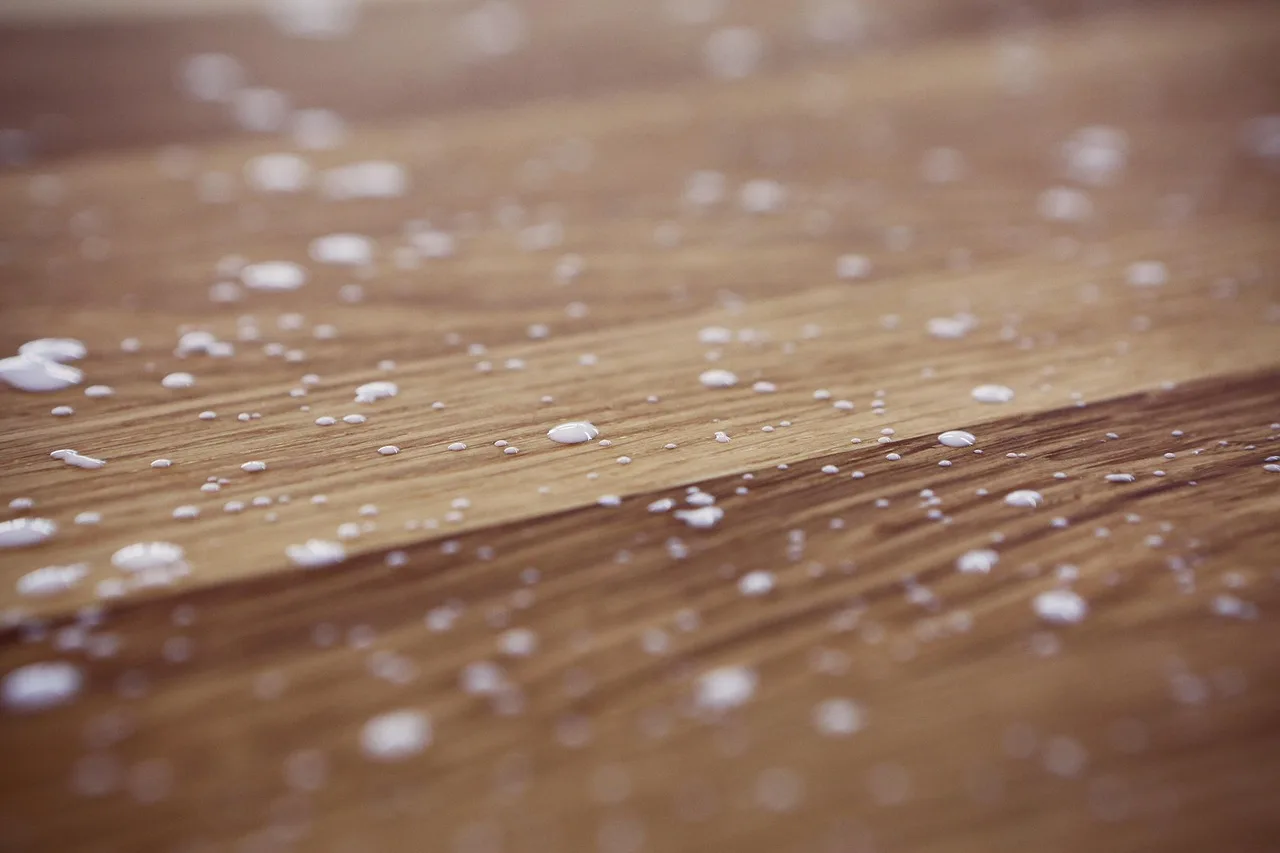


Sometimes yes, but only with the right chemistry and the right exposure. A fully cured Type I glue, D4-class adhesive, polyurethane, or epoxy can resist moisture as intended, but that does not make every glued joint safe in every wet situation.
What cured waterproof means in shop terms
In shop terms, waterproof means the glue line can take water contact without breaking down under the rating it was built for. Wood Work Science identifies ANSI/HPVA Type I as the North American waterproof standard, and it has to pass a boiling water test. That is very different from a glue that only tolerates damp air or an occasional splash.
It also matters that the glue protects the joint, not the wood itself. A cured bond can stay intact while the surrounding timber swells, checks, or rots. A waterproof glue line is not a seal coat for end grain, fastener holes, or badly fitted parts.
Why a good bond can still fail in wet service
A bond can be waterproof and still lose because the wood keeps moving. Seasonal movement opens stress lines, especially across grain and in joints with poor fit. End grain is another common weak point because it drinks adhesive and leaves too little glue line strength behind.
Repeated wetting and drying cycles also punish a joint. The adhesive may stay intact, but the wood fibers next to it can crush, creep, or separate. That is why a waterproof rating is only one part of the answer.
According to How Long Does Wood Glue Take to Cure? (24-Hr Chart by Type) — The cure-time article says wood glue needs 24 hours to cure to maximum strength. (source)
What is the difference between waterproof and water-resistant wood glue?
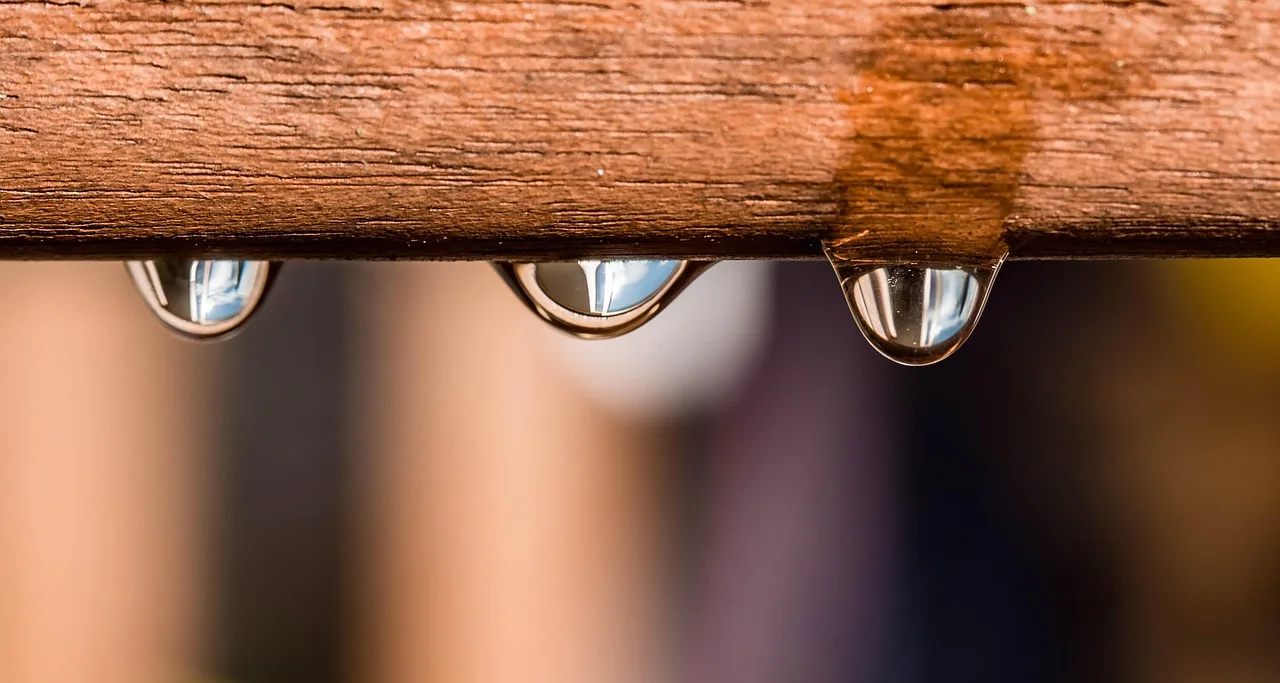
Waterproof glue is built for severe water exposure, while water-resistant glue is meant to handle limited moisture and then dry out again. The labels sound close, but the failure threshold is very different. A water-resistant glue may survive a spill; a waterproof glue is expected to do more.
ANSI/HPVA Type I and Type II
Type I is often treated as the tougher waterproof category and Type II as water-resistant. Wood Work Science treats Type I as the industry standard for waterproof wood glue. Type I is intended for severe water exposure. Type II is not the same thing, and it should not be treated like an outdoor or wet-area adhesive by default.
EN 204 D4 and where it fits
EN 204 D4 is the European high-durability exterior class. D4 is typically used for more frequent moisture and exterior exposure, while D3 is generally used for interior damp conditions and protected exterior use. In practical shop terms, D4 sits close to Type I, but neither label guarantees success if the joint design is weak.
| Rating | Typical meaning | Best fit | Likely failure mode | Yes/no for wet use |
|---|---|---|---|---|
| Type I | Severe water exposure | Outdoor furniture, exposed joinery | Wood movement, poor fit, end grain | Yes |
| Type II | Water-resistant | Dry interiors with light moisture | Breaking down under repeat wetting | No |
| D4 | Frequent moisture, exterior exposure | Exterior assemblies, protected wet use | Movement, cyclic wetting, joint opening | Yes |
| D3 | Interior damp, protected exterior | Covered areas, low wet contact | Failure in repeated rain or soaking | No |
Which glue type fits which wet condition?
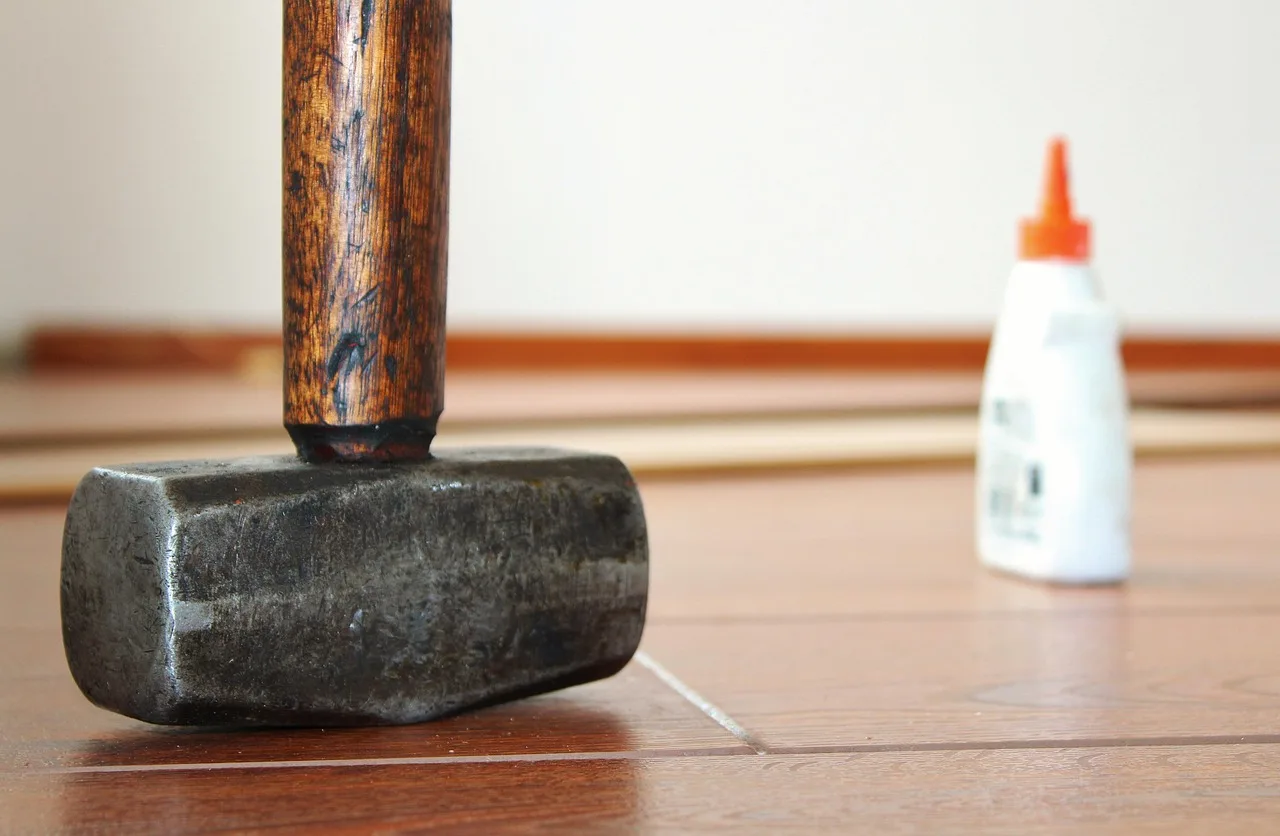
The glue chemistry should match the exposure. Cross-linking PVA is best for tight wood-to-wood joints. Polyurethane helps where moisture, small voids, or mixed materials are part of the job. Epoxy is the better choice when the joint must stand up to serious water, large gaps, or marine-level exposure.
Cross-linking PVA for tight wood-to-wood joints
Trayedit says cross-linking PVA is best for tight wood-to-wood joints. That fits because PVA wants close contact and a clean glue line. Wood Work Science also lists regular exterior PVA as suitable for outdoor furniture and exterior trim, not constant dampness.
That means a well-made outdoor chair, table, or trim assembly can do fine with the right exterior PVA. It does not mean a sloppy joint will be saved by the label.
Polyurethane for damp wood, gaps, and mixed materials
Polyurethane glue activates with moisture and foams as it cures. Trayedit describes it as handy for bonding wood to non-wood surfaces. It can help when the parts are slightly damp, or when the project includes metal, plastic, or small voids that need filling.
Foam is not strength by itself. Too much foam can leave weak, crumbly edges if the fit is poor. Polyurethane helps in mixed-material work, but it does not turn bad joinery into good joinery.
Epoxy and marine epoxy for standing water and submersion
Epoxy is a two-part resin and hardener system. Trayedit says epoxy-style systems are for real gaps, oily woods, or constant wet exposure. For standing water, submersion, or boat-like conditions, marine epoxy is the safer lane because it is built for high waterproof performance and better tolerance of wet service.
That is the point where wood glue stops being the right tool in most cases. If the part will live in water, or near-constant wetting, epoxy is the practical answer more often than PVA or polyurethane.
Can waterproof wood glue survive rain before full cure?
Not reliably. Full cure is separate from handling strength, and many wood glues need about 24 hours to reach maximum strength, with longer times in cool or damp conditions. If rain hits too soon, the bond can weaken, soften, or fail before it builds its final resistance.
Full cure time versus clamp time
Clamp time only means the joint can hold itself together for handling. It does not mean the adhesive has fully cured. A part that feels solid in the clamps may still be vulnerable if it gets wet the same day.
That difference matters on outdoor jobs. A frame assembled in the morning and left in a storm that afternoon is not in the same condition as a cured joint after a full drying period.
What cold and humidity do to cure time
Cool air and high humidity slow curing. That matters because the glue can stay in a weaker state longer than expected. On a cold garage floor or in a damp shed, a joint may need more time than the label’s best-case schedule.
- Keep the assembly dry until the glue has fully cured.
- Use warmer, drier conditions when possible.
- Do not assume handling strength equals weather readiness.
- If rain is likely, move the part under cover.
- Check the adhesive’s cure guidance before exposing it.
Where waterproof wood glue works well, and where it does not
Waterproof wood glue works well on outdoor furniture, protected exterior trim, and assemblies that get wet but dry out again. It is a poor fit for standing water, submersion, or locations where the joint must stay soaked. The difference is exposure duration, not just exposure type.
Outdoor furniture and exterior joinery
Outdoor furniture is a typical use case for Type I and D4 glue. Those projects need weather resistance, but they also need proper joint design, good surface prep, and a finish schedule that limits water entry. Exposed edges and end grain need extra care.
Bathroom, planter, and trim conditions
Bathroom-adjacent work is often about humidity and occasional splash, not constant immersion. That can suit a waterproof rating if the parts are fitted well and the design sheds water. Planters are trickier because wet soil and standing moisture create a much harsher environment. Exterior trim usually does well when it stays above splash level and away from trapped water.
Standing water and submersion limits
For standing water or full submersion, epoxy or marine epoxy is often the safer choice than ordinary waterproof wood glue. Type I and D4 are strong for wet exposure, but they are not the same as a sealing system for underwater service. If the joint will live underwater, use the adhesive made for that job.
Decision matrix: exposure level, glue choice, and likely failure mode
Use this one-page matrix as a practical filter. It maps exposure level to a glue chemistry, a rating, the likely failure mode, and a simple yes or no verdict. The verdict is about the adhesive choice, not the entire project.
| Exposure level | Glue chemistry | Rating | Likely failure mode | Verdict |
|---|---|---|---|---|
| Splash | Cross-linking PVA | Type I or D4 | Poor fit, end grain, finish failure | Yes |
| Humidity | Cross-linking PVA or polyurethane | D3 to D4 | Joint movement, slow cure, creep | Yes, with proper design |
| Occasional rain | Type I PVA or D4 adhesive | Severe water exposure / exterior class | Wet before full cure, seasonal movement | Yes, after full cure |
| Standing water | Epoxy | High waterproof performance | Persistent soak, edge leakage, wood swelling | No for wood glue; yes for epoxy |
| Submersion | Marine epoxy | Marine-level exposure | Long-term soak, movement, seam opening | No for wood glue; yes for marine epoxy |
What matters more than the label: fit, prep, and joint design
The label matters, but joint quality matters more. A waterproof adhesive cannot rescue a loose mortise, dirty surface, or a seam that moves every season. Good glue behaves best when the wood fits tightly and the joint is built to shed water rather than hold it.
Surface prep and squeeze-out
Clean surfaces bond better than dusty or oily ones. Old finish, mill glaze, and loose fibers interfere with wetting and contact. A small, even squeeze-out line is usually better than a dry-looking joint, because it suggests the parts actually touched across the full bond line.
Clamp pressure and contact quality
Clamp pressure should bring the pieces together, not starve the joint. Too little pressure leaves gaps. Too much can squeeze the adhesive away. The goal is full contact over the mating surfaces, especially with cross-linking PVA, which performs best in tight wood-to-wood joints.
Wood movement, end grain, and seam sealing limits
Rigid glue is not a seam sealer. If the joint moves with humidity, a waterproof line can still split at the wood beside it. End grain needs special attention because it weakens the bond area. If the seam itself must remain watertight, use design, fasteners, and finish along with the adhesive, not the adhesive alone.
Frequently asked questions
Does Type I wood glue mean it can be submerged?
No. Type I is the North American waterproof standard and it survives a boiling water test, but that does not mean it belongs in standing water or underwater service. For submersion, epoxy or marine epoxy is the better choice because the exposure is far more severe.
Which wood glue is best for outdoor furniture?
Type I PVA or EN 204 D4 glue is a strong choice for outdoor furniture when the joints are tight and the design sheds water. Exterior PVA is suitable for outdoor furniture and exterior trim, but not constant dampness. Epoxy is better when the part will see harsher wet exposure.
When should I use epoxy instead of wood glue for wet areas?
Use epoxy when the job involves standing water, submersion, real gaps, or oily woods. Epoxy is a two-part resin and hardener system, and it offers high waterproof performance for marine-level exposure. That is the point where ordinary waterproof wood glue stops being the right answer.
Sponsored / affiliate links. As an Amazon Associate I earn from qualifying purchases. I may earn additional commission from eligible campaigns.