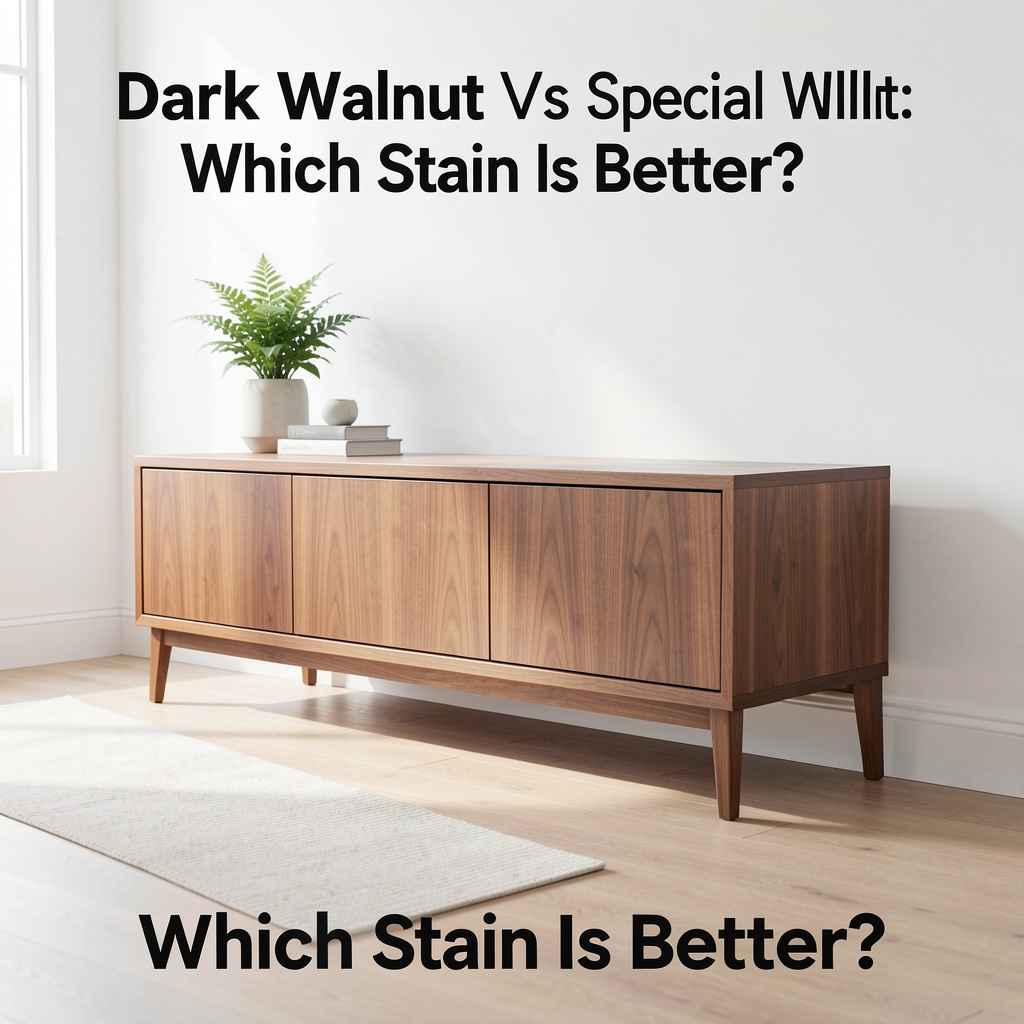
Dark Walnut Vs Special Walnut: Which Stain Is Better?
Understanding Wood Stains: The Basics
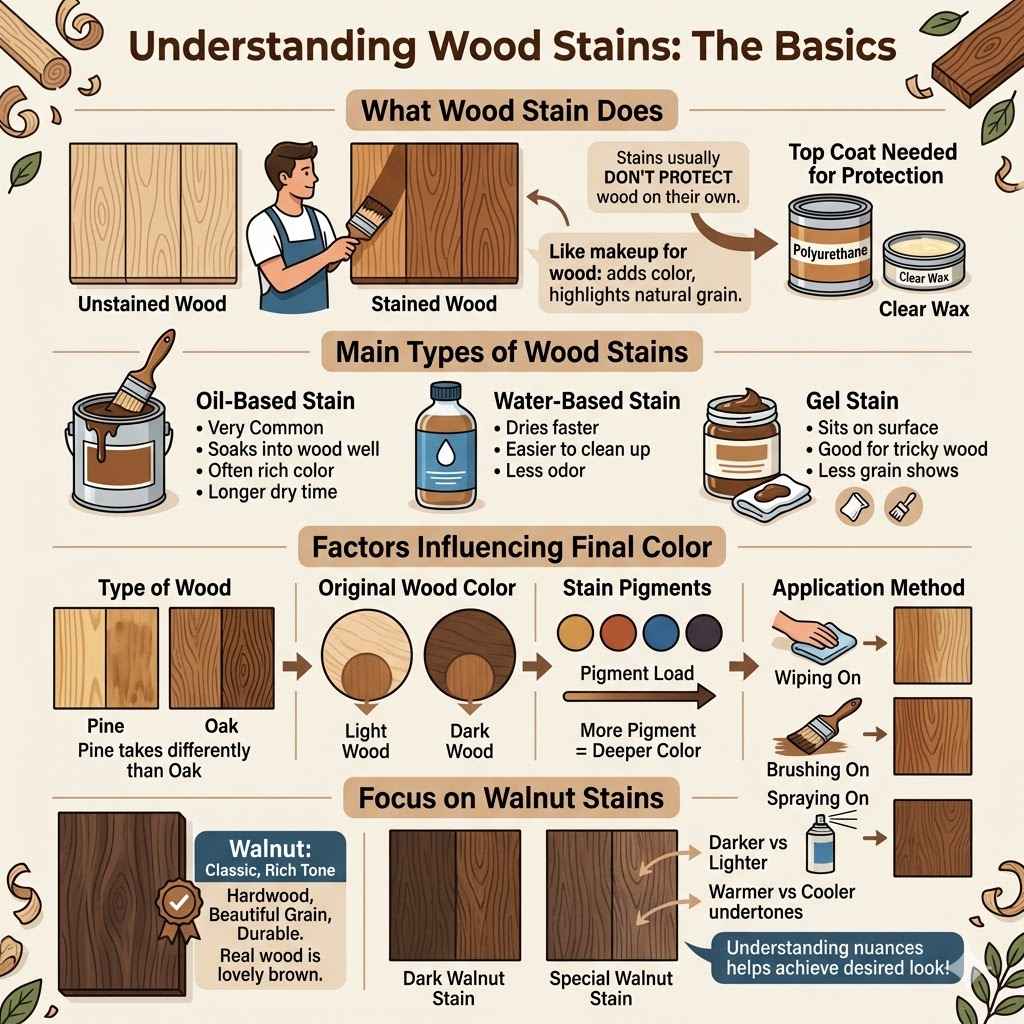
Wood stain is like makeup for your wood. It adds color. It also brings out the natural grain of the wood.
Stains don’t usually protect the wood on their own. You’ll need a top coat for that. Think of polyurethane or a clear wax.
There are a few main types of wood stains. Oil-based stains are very common. They soak into the wood well.
They often give a rich color. Water-based stains dry faster. They are easier to clean up.
Gel stains sit more on the surface. They are good for tricky wood or when you want less grain showing.
The color you see depends on a few things. The type of wood matters. Pine takes stain differently than oak.
The original color of the wood plays a role. Then, the stain itself has pigments. How you apply it also changes the outcome.
Wiping it on, brushing it on, or spraying it all give different effects.
When you look at walnut stains, you’re looking for a classic, rich wood tone. Walnut is a hardwood. It’s known for its beautiful grain.
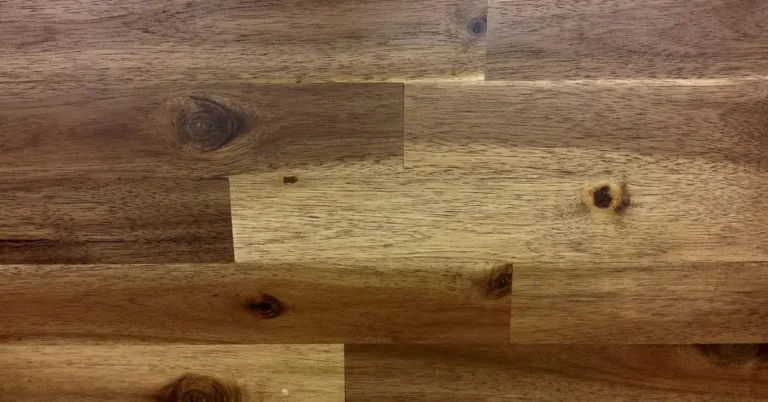
It’s also quite durable. Real walnut wood itself has a lovely brown color. Wood stains named after it try to capture that look.
Dark walnut and special walnut stains both aim for a brown hue. But the “dark” and “special” parts suggest differences. One might be deeper or have different undertones.
Understanding these nuances is key to getting the look you dream of for your home projects.
My Own Stain Stumble
I remember one time I was working on a bookshelf. It was an old, tired piece of furniture. I wanted to give it a new life.
I picked a can of wood stain. It was labeled “walnut.” I thought, “Perfect! Walnut is classy.” I applied it with a rag, wiping it on and off.
When it dried, my heart sank a little. It looked… muddy. It wasn’t the rich, deep brown I had in my head.
It was kind of flat. I had used a general “walnut” stain. I later learned there are many kinds.
I should have paid closer attention to the specific shade.
That experience taught me a lot. I learned that “walnut” isn’t just one color. It’s a family of browns.
The exact tone can change how a whole piece of furniture looks. It can even change how a room feels. Now, I always test a small spot first.
It saves a lot of heartache later.
This is why knowing the difference between stains like dark walnut and special walnut is so important. They aren’t interchangeable. They will give you distinct results.
Let’s dive into what makes each one special.
What Is Dark Walnut Stain?
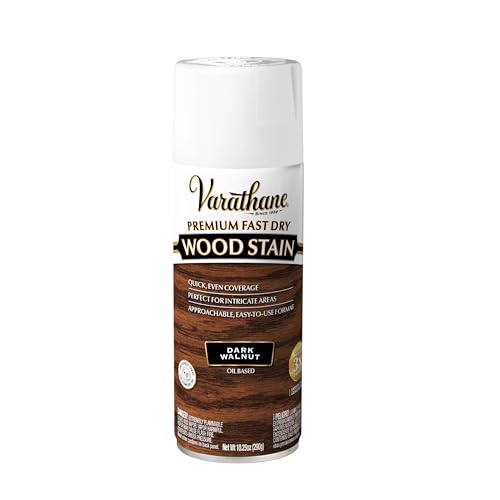
Dark walnut stain is pretty much what it sounds like. It aims for a deep, rich, dark brown color. Think of the darkest natural walnut wood.
It often has hints of red or almost black undertones. It’s a classic, sophisticated look.
This stain is great if you want something that feels luxurious. It can make plain wood look very high-end. It hides some imperfections too.
This is because the color is so deep. It doesn’t show small dents or scratches as much.
The undertones can vary between brands. Some dark walnut stains lean more red. Others might have a cooler, almost charcoal brown.
Always check a swatch if you can. See how the light hits it. You want to match the exact shade of brown you envision.
This stain works well on many wood types. It can make lighter woods like pine or poplar look like expensive hardwoods. On woods like oak or maple, it gives a very deep, warm tone.
It’s a popular choice for furniture, trim, and even wooden floors when a very dark look is desired.
You might use dark walnut if you are going for a traditional style. It fits well in rooms with darker decor. It can also create a dramatic contrast with lighter walls or fabrics.
It’s a bold choice that makes a statement. It feels strong and grounded.
Key Characteristics of Dark Walnut Stain:
- Deep Brown Color: This is its main feature. It’s significantly darker than medium browns.
- Rich Undertones: Often has hints of red, sometimes almost black.
- Sophisticated Feel: Creates a look of luxury and quality.
- Good for Hiding Imperfections: The deep color conceals minor surface flaws.
- Traditional Aesthetic: Fits well in classic or formal settings.
- Works on Various Woods: Can transform lighter woods into richer tones.
Infographic Style: Dark Walnut Stain at a Glance
Color Family: Very Dark Brown
Undertones: Reddish, sometimes near-black
Best For: Creating a luxurious, dramatic, or traditional look.
Wood Types: All, especially good for making lighter woods look richer.
Project Ideas: Dining tables, executive desks, dark wood floors, accent trim.
When you see a piece of furniture that looks very deep and moody, with a rich brown that almost swallows the light, chances are it’s a dark walnut stain or something very similar. It has a grounding effect. It makes a room feel more solid.
What Is Special Walnut Stain?
Special walnut stain, on the other hand, is often considered a warmer, medium-to-dark brown. It aims to capture a more natural, slightly more varied walnut look. It’s not as intensely dark as “dark walnut.” It has a balanced tone.
This stain is incredibly versatile. It’s a go-to for many DIYers and professionals. It’s often described as a perfect balance between dark and light brown.
It has warmer undertones, sometimes with a touch of orange or red, but not as pronounced as some dark walnuts.
The “special” in its name might refer to its ability to work with many wood types. It doesn’t overpower the wood’s natural character. Instead, it enhances it.
It gives a beautiful, warm brown that feels natural and inviting. It’s not too trendy; it’s timeless.
Many people find special walnut to be a very pleasing color. It feels cozy and comfortable. It’s not so dark that it makes a room feel small.
It’s not so light that it feels unfinished. It hits that sweet spot that many people are looking for.
You’ll see special walnut used on everything from kitchen cabinets to bedroom furniture. It’s a safe but beautiful choice for flooring. It works well with a variety of decor styles, from farmhouse to modern.
It’s a chameleon of wood stains.
If you are unsure about a dark stain but want more warmth and depth than a light stain, special walnut is a strong contender. It gives you that classic brown look without being too heavy. It has a friendly and welcoming feel.
Key Characteristics of Special Walnut Stain:
- Medium-to-Dark Brown: A rich, balanced brown that isn’t overly dark.
- Warm Undertones: Often has subtle red or orange hints.
- Versatile: Works well with many wood types and decor styles.
- Natural Look: Enhances wood grain without overpowering it.
- Inviting Feel: Creates a warm, cozy, and comfortable atmosphere.
- Balanced Tone: Not too light, not too dark; a popular “middle ground.”
Contrast Matrix: Dark Walnut vs. Special Walnut
| Feature | Dark Walnut | Special Walnut |
|---|---|---|
| Overall Depth | Very Dark | Medium to Dark |
| Undertones | Reddish, near-black | Warm red/orange |
| Mood | Dramatic, Luxurious, Traditional | Warm, Inviting, Natural, Versatile |
| Hides Imperfections | Very well | Moderately well |
Think of special walnut as the friendly neighbor. It’s approachable, warm, and always looks good. It’s the stain you can count on to make your project look finished and beautiful without being too fussy.
It feels lived-in and comfortable from day one.
Direct Comparison: Dark Walnut vs. Special Walnut
Let’s put them side-by-side. The main difference comes down to depth and undertone. Dark walnut is richer, deeper, and often has cooler or more intense undertones.
Special walnut is more balanced, warmer, and sits in a very popular medium-dark brown range.
Depth: Dark walnut is the winner for pure darkness. If you want wood that looks almost black in certain lights, go for dark walnut. Special walnut offers a rich brown, but it’s not as intensely dark.
Undertones: This is where personal preference shines. Dark walnut can lean red or even have a hint of blue or gray, making it feel more moody or dramatic. Special walnut usually leans into warmer reds and oranges, giving it a cozy feel.
Versatility: Special walnut often wins here. Its balanced tone makes it work with a wider range of wood types and decor styles without clashing. Dark walnut can be stunning, but it’s a stronger statement and might not fit every setting.
Wood Type Interaction: On light woods like pine, dark walnut can look dramatic but might also look like it’s trying too hard to be something it’s not if the grain isn’t right. Special walnut tends to make light woods look like a richer, warmer version of themselves.
On dark woods like cherry or darker oaks, dark walnut will deepen them further, creating a very luxurious, almost antique feel. Special walnut will warm them up and bring out the grain beautifully, maintaining a bit more of the original wood’s character.
DIY Friendliness: Both can be easy to use if applied correctly. However, special walnut’s more forgiving color might make minor application errors less noticeable than with a very dark stain. Any streaks or uneven spots can be more apparent on a deep dark stain.
Quick Scan: Key Differences
DARK WALNUT
- Very deep brown
- Bold undertones (red, near-black)
- Luxurious, dramatic
- Hides flaws well
SPECIAL WALNUT
- Medium-to-dark brown
- Warm, balanced undertones (red, orange)
- Inviting, versatile
- Natural enhancement
The name “special walnut” implies something unique, perhaps a carefully crafted blend that appeals to a broad audience. “Dark walnut” is more direct, stating its primary characteristic: darkness.
Real-World Contexts: Where Do They Shine?
Let’s think about where each stain fits best in a typical American home. Context is everything when choosing a stain color.
Furniture Projects
Dark Walnut: This is perfect for statement pieces. Think of a grand dining table, an executive desk, or a dark wood entertainment center. It adds a touch of old-world charm or modern sophistication.
It can make a room feel more formal and grounded. If you have a large living room and want a piece to anchor it, dark walnut is a great choice.
Special Walnut: This is your everyday workhorse for furniture. Coffee tables, end tables, bookshelves, bedroom dressers – it just works. It complements most decor.
It gives a warm, inviting feel to the space. It’s ideal for pieces that are used daily. It makes the furniture feel like a part of the family.
Flooring
Dark Walnut: A dark walnut floor can be stunning. It makes a room feel grand and luxurious. It pairs well with lighter walls and furniture to create contrast.
However, very dark floors can show dust and pet hair more easily. They can also make a smaller room feel even smaller.
Special Walnut: This is a hugely popular choice for wood floors. It offers warmth and beauty without being too dark to maintain. It hides everyday dirt and scuffs reasonably well.
It’s very adaptable to different room sizes and styles. It feels welcoming the moment you walk in.
Cabinetry
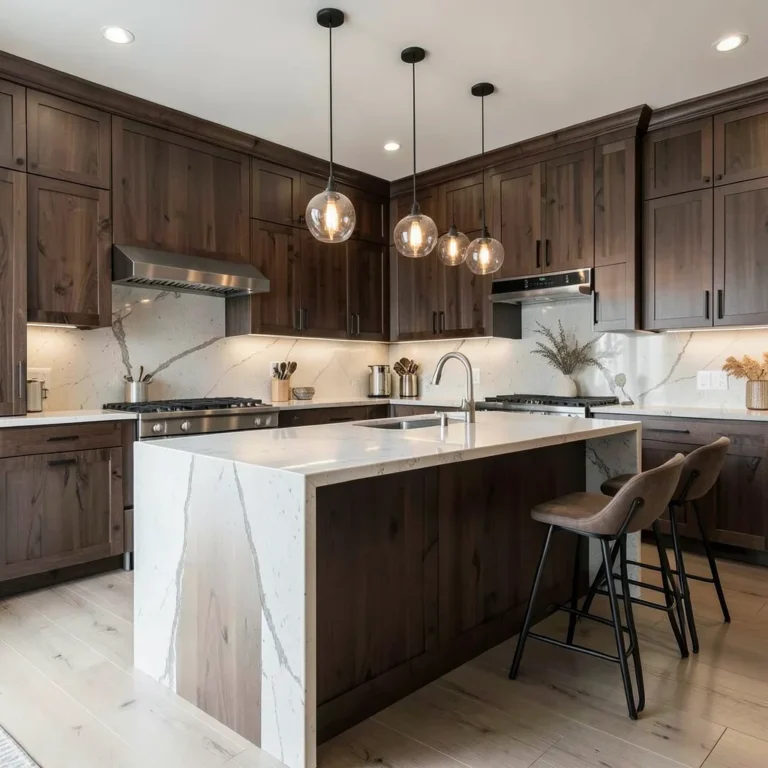
Dark Walnut: Dark walnut cabinets can create a dramatic kitchen or bathroom. They look especially good in larger spaces or when paired with lighter countertops and backsplashes. They can give a custom, high-end feel.
You might see this in more formal kitchen designs.
Special Walnut: This is a very common and beloved choice for kitchen and bathroom cabinets. It provides a warm, inviting look that makes the kitchen feel like the heart of the home. It’s versatile enough to work with various countertop materials, from granite to quartz.
Small Projects and Accents
Dark Walnut: Great for accent pieces. A picture frame, a decorative box, or the legs of a chair can get a touch of elegance with dark walnut. It can make small items feel substantial.
Special Walnut: Perfect for shelves, small decorative items, or craft projects. It gives a nice, finished look without being too intense. It’s easy to work with and forgiving for beginners.
Scenario Spotlight: Choosing for Your Living Room
Scenario 1: You have a large living room with light grey walls and a cream sofa. You want a coffee table that feels substantial and elegant.
Recommendation: Dark walnut. It will provide a strong, grounding contrast and add a touch of sophistication.
Scenario 2: You have a medium-sized living room with beige walls and mixed furniture. You want a new side table that feels warm and fits in easily.
Recommendation: Special walnut. Its balanced tone will blend seamlessly and add warmth to the space.
The setting and the other colors in the room will heavily influence how the stain looks. Always consider the whole picture. What mood are you trying to create?
What This Means for You: Making the Choice
So, how do you decide which one is right for your project? It really comes down to the look you’re going for and the mood you want to set.
When Is Dark Walnut the Better Choice?
- You want a dramatic, luxurious, or formal look.
- You have a larger space where a deep color won’t make it feel cramped.
- You want the wood to be a strong focal point.
- You are aiming for a traditional, antique, or very modern aesthetic.
- You have a piece of furniture with minor flaws you want to disguise.
When Is Special Walnut the Better Choice?
- You want a warm, inviting, and natural look.
- You need a stain that will work with many different styles and colors.
- You prefer a balanced brown that isn’t too dark or too light.
- You want to enhance the wood’s natural grain without overpowering it.
- You are a beginner and want a forgiving stain color.
- You want your project to feel cozy and comfortable.
It’s also important to remember that wood type matters. Pine will look different with either stain than oak will. The grain pattern on oak can really pop with special walnut.
Dark walnut might make pine look a bit more like a dark hardwood.
Don’t forget the finish! A matte finish will look different than a satin or glossy finish. A glossy finish can make any stain look deeper and richer, especially dark walnut.
A matte finish can make special walnut look more natural and understated.
Simple Checks Before You Buy
1. Test Patch: Always, always, always test your stain on a scrap piece of the same wood you’ll be using. Or, test it on an inconspicuous area of the actual project.
2. Consider Your Space: Look at the colors already in the room. What will complement them best?
3. Think About Maintenance: Darker stains can show dust more easily. Are you prepared for that?
4. Feel the Vibe: Which color makes you feel the way you want your finished project to feel? Cozy?
Elegant? Modern?
Sometimes, the best way to decide is to look at lots of pictures. Search online for projects using “dark walnut stain” and “special walnut stain.” See what appeals to you most. Many brands have color charts, but seeing them on actual wood in different lighting is invaluable.
Quick Tips for Applying Wood Stain
No matter which stain you choose, proper application makes a huge difference. Here are some tips that help ensure a beautiful finish.
- Prep is Key: Make sure your wood is smooth and clean. Sand it well. Remove all dust before staining. A tack cloth works wonders.
- Stir, Don’t Shake: For oil-based stains, stir the can thoroughly. Shaking can create bubbles that you don’t want.
- Apply Evenly: Use a good quality brush or rag. Apply the stain in the direction of the wood grain. Work in small sections.
- Wipe Off Excess: This is crucial. Most stains require you to wipe off the excess after a few minutes. The longer you leave it, the darker it gets. Experiment on your test piece to see how long to leave it for the look you want.
- Second Coat? If you want an even deeper color, you can often apply a second coat. Let the first coat dry completely.
- Ventilation: Work in a well-ventilated area. Stains have fumes.
- Top Coat: Always apply a protective top coat (polyurethane, varnish, etc.) after the stain is fully dry. This protects your work and makes it durable.
Application Style: Rag vs. Brush
Rag Application:
- Pros: Often gives a more natural, hand-rubbed look. Good for wiping off excess easily.
- Cons: Can be harder to get perfectly even coverage on large areas.
Brush Application:
- Pros: Easier for even coverage on large surfaces. Can force stain into the grain.
- Cons: May leave brush marks if not careful. Requires more cleaning afterward.
Tip: For most stains, applying with a rag and then wiping off is very common. Experiment to see what feels best for you!
Remember that different brands might have slightly different instructions. Always check the can for specific guidance.

Frequently Asked Questions
Are dark walnut and special walnut the same?
Are dark walnut and special walnut the same?
No, they are not the same. While both are brown wood stains aiming for a walnut tone, dark walnut is much deeper and richer, often with cooler or more intense undertones. Special walnut is a more balanced, warmer medium-to-dark brown stain that is very versatile.
Which walnut stain is warmer?
Which walnut stain is warmer?
Special walnut is generally considered the warmer of the two. It typically has subtle red or orange undertones that give it a cozy and inviting feel. Dark walnut can have warmer red undertones, but some varieties lean more towards cooler, almost black or grayish tones.
Can special walnut look dark?
Can special walnut look dark?
Yes, special walnut can look quite dark, especially on certain wood types or if multiple coats are applied and less is wiped off. However, it will still generally be lighter and warmer than a true dark walnut stain. Its darkness is more of a rich medium-brown.
Which stain hides wood imperfections better?
Which stain hides wood imperfections better?
Dark walnut stain generally hides imperfections better. Its deep, rich color is very forgiving and can mask minor dents, scratches, or variations in the wood’s surface more effectively than a lighter or medium-toned stain like special walnut.
Is special walnut good for beginners?
Is special walnut good for beginners?
Yes, special walnut is often recommended for beginners. Its balanced color is more forgiving of minor application errors, such as slight streaks or uneven wiping. It provides a beautiful, rich finish that is less likely to show mistakes compared to very dark or very light stains.
Will dark walnut make a small room feel smaller?
Will dark walnut make a small room feel smaller?
Yes, dark walnut can make a small room feel smaller and more closed in. Deep, dark colors absorb light and can visually shrink a space. It’s often best used for accent pieces or in larger rooms.
Special walnut, being a medium-dark shade, is usually a safer bet for small spaces.
Can I mix stains to get a custom walnut color?
Can I mix stains to get a custom walnut color?
Yes, you can often mix wood stains to create a custom color. If you like the richness of dark walnut but want a touch more warmth, you could try mixing it with a smaller amount of special walnut or another warm brown stain. Always test your custom mix on scrap wood first.
Conclusion
Choosing between dark walnut and special walnut stain boils down to your desired aesthetic. Dark walnut offers dramatic depth and luxury. Special walnut provides warm, natural versatility.
Both can transform your projects. Test them out, consider your space, and pick the one that speaks to you. Happy staining!
Sponsored / affiliate links. As an Amazon Associate I earn from qualifying purchases. I may earn additional commission from eligible campaigns.