Espresso Vs Dark Walnut: Which Finish Is Better?
Wood Grain Visibility
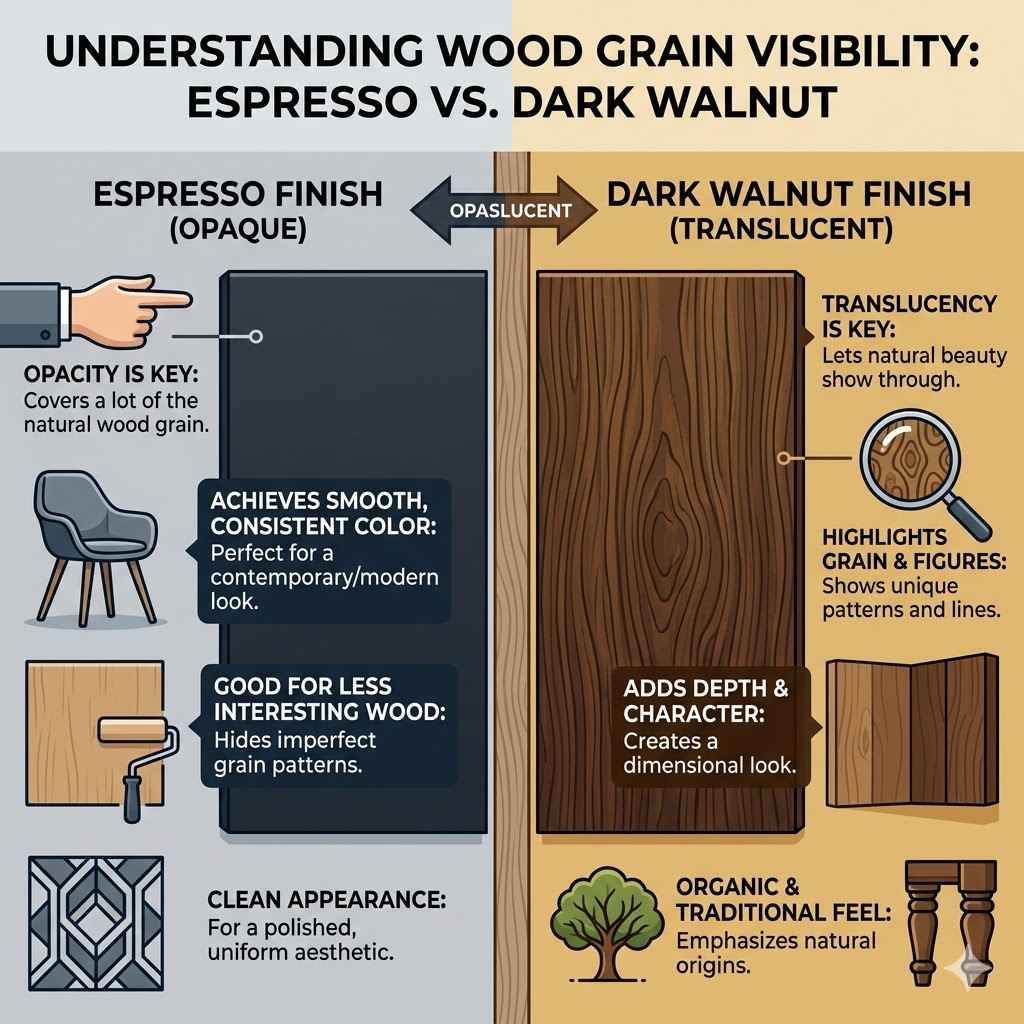
This is a big clue. Espresso finishes tend to be more opaque. This means they cover up a lot of the natural wood grain.
The goal is a smooth, consistent color. This is great for a modern look. It’s also good if the underlying wood isn’t that interesting.
Or if you want a very clean appearance.
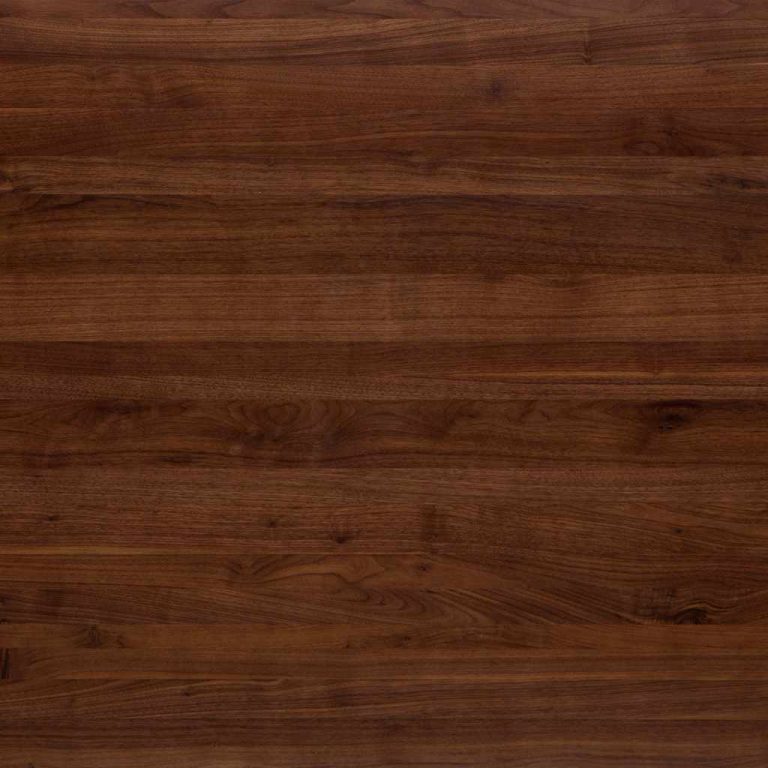
Dark walnut finishes are usually more translucent. This means they let the natural beauty of the wood show through. Walnut wood has a lovely, natural grain pattern.
Dark walnut finishes highlight this. You’ll see the unique lines and figures in the wood. This adds depth and character.
It feels more organic and traditional.
The “How It’s Made” Factor
Wood finishes often start with a base stain. Then, a protective topcoat is added. Espresso finishes often use a very dark brown or black stain.
Sometimes, they add a glaze. This makes the color very deep. The topcoat is usually a clear sealant.
It protects the color. It adds sheen.
Dark walnut finishes use stains that are dark brown. They aim to mimic the natural color of walnut wood. Or they might be applied to actual walnut wood.
The goal is to enhance the wood’s natural beauty. Glazes might be used. But they are often more subtle.
They add depth without completely hiding the grain. Sometimes, a slightly darker stain is used on real walnut. This makes the color richer.
My Own Kitchen Cabinet Dilemma
I remember agonizing over my kitchen cabinets. I wanted a dark, updated look. My old cabinets were a light oak.
I was looking at samples. One looked almost black. It was smooth and uniform.
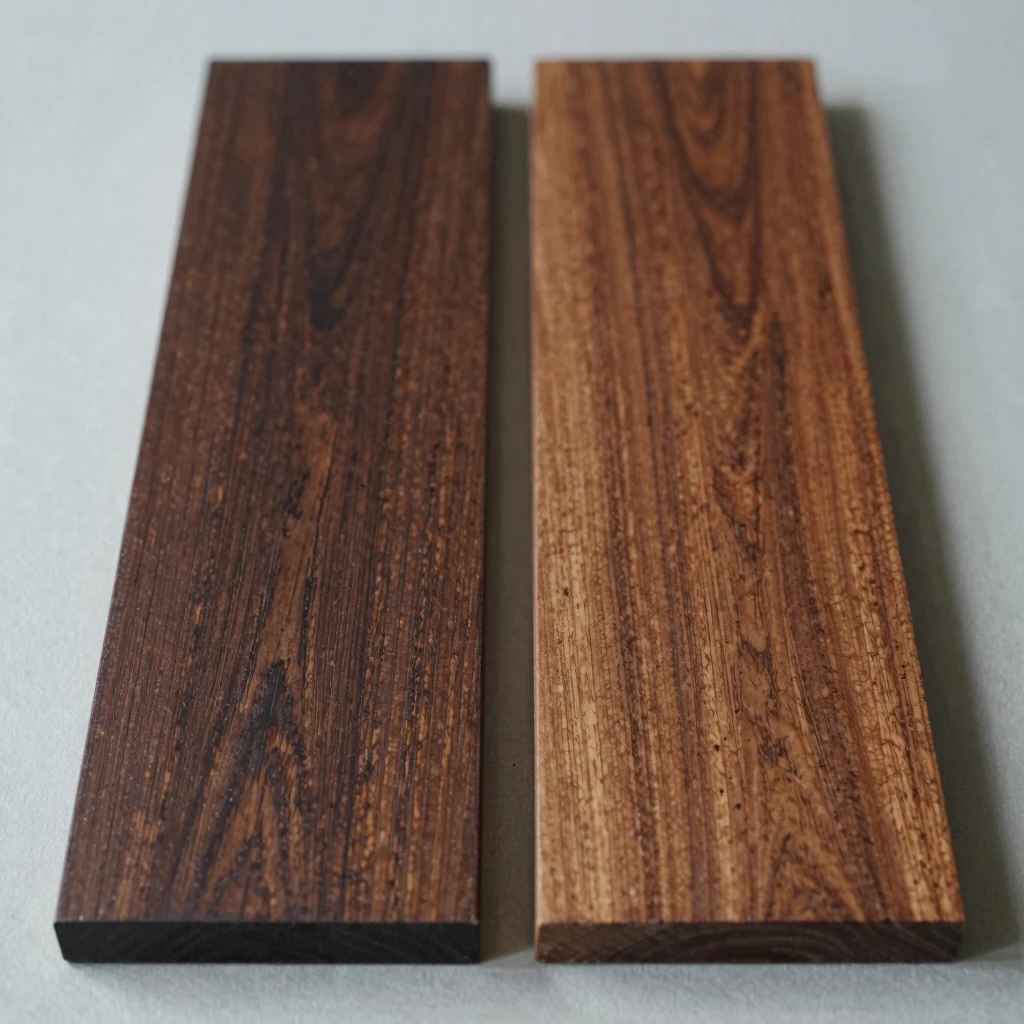
The salesperson called it “Espresso.” The other sample was a deep, rich brown. I could see the wood swirls. It had a beautiful warmth.
They called that “Dark Walnut.”
I spent days looking at them. I held them next to my new countertops. The espresso looked very modern.
It felt a bit stark for my style. The dark walnut felt cozier. It highlighted the natural wood.
I decided on dark walnut. It felt more inviting. It still gave me that dark, rich color I wanted.
But it had more character. It was a small decision. But it made a big difference in the final feel of my kitchen.
Where Do You Usually See These Finishes?
You find both finishes on many types of furniture. But they often suit different styles. Espresso is common on modern furniture.
Think sleek coffee tables. Or minimalist bedroom sets. It’s also popular for kitchen cabinets.
Especially in contemporary kitchens. It matches clean lines and metal accents well.
Dark walnut is seen on more traditional pieces. Dining tables. Bookcases.
Desks. It works well in spaces with classic decor. It fits with other natural wood tones.
It can also add warmth to modern spaces. It makes them feel less cold. You might see it in transitional style homes.
These mix old and new.
Style Matchups: Which Finish for Your Room?
Deciding between espresso and dark walnut depends on your style. If you love modern design, clean lines, and a minimalist look, espresso might be perfect. It’s sleek and sophisticated.
It doesn’t distract from other elements in the room.
If you prefer a warmer, more traditional, or natural feel, dark walnut is a great choice. It brings out the beauty of the wood. It adds a sense of history and comfort.
It can make a room feel more grounded and inviting. It’s also good if you have other natural wood elements. It can tie them together nicely.
Quick Scan: Espresso vs. Dark Walnut
Espresso:
- Color: Very dark brown, almost black.
- Undertones: Cool.
- Wood Grain: Mostly hidden, uniform look.
- Style: Modern, minimalist, contemporary.
- Feel: Sleek, sophisticated, clean.
Dark Walnut:
- Color: Deep brown.
- Undertones: Warm (reddish, golden).
- Wood Grain: Visible, shows natural patterns.
- Style: Traditional, classic, transitional.
- Feel: Rich, warm, natural, inviting.
The Effect on Lighting
Dark finishes can affect how light behaves in a room. Espresso, being so dark, can absorb light. This can make a room feel cozier.
But in a small or dark room, too much espresso could make it feel smaller or gloomier. It works best in rooms with good natural light. Or where you have plenty of artificial lighting.
Dark walnut also absorbs light. But its warmer tones can reflect light differently. The visible grain can create subtle highlights.
This might make it feel slightly less light-absorbing than espresso. It can add a cozy feel. But it often feels more open than a room with deep espresso.
Both can make a room feel more intimate and luxurious.
Material Considerations: What Wood Is It On?
Sometimes, the name of the finish implies the wood. “Dark Walnut” often means the finish is applied to actual walnut wood. Or it’s a stain designed to look exactly like walnut.
Walnut is a hardwood. It’s known for its strength and beautiful grain. It’s a premium wood.
“Espresso” is more of a color. It can be applied to many different wood types. You might find espresso finishes on oak, maple, cherry, or even engineered wood products like MDF.
The finish is chosen for its look. The type of wood underneath might not matter as much. This means espresso finishes can be more affordable.
They are very popular on mass-produced furniture.
If you buy furniture labeled “Solid Walnut with Espresso Finish,” it’s likely real walnut. The espresso is a dark stain. If it just says “Espresso Finish,” the wood type could vary.
This is good to know for durability and cost.
Durability and Maintenance
Both espresso and dark walnut finishes can be durable. It really depends on the quality of the finish applied. A good quality polyurethane or lacquer topcoat will protect the wood from scratches and spills.
The main difference in maintenance comes from the visibility of the grain.
With espresso, any dust or smudges might be more noticeable. This is because the color is so uniform and dark. It’s like a dark car – every speck of dust shows.
You might need to wipe it down more often to keep it looking perfect.
Dark walnut, with its visible grain, can sometimes hide dust and minor imperfections better. The natural patterns provide some camouflage. This can make it seem a bit easier to maintain in everyday life.
However, deep scratches or damage will be visible on both finishes.
Contrast Matrix: Normal vs. Concerning Signs
| Feature | Normal for Espresso/Dark Walnut | Potentially Concerning |
| Color Variation | Slight natural variation in tone or grain pattern. | Large, obvious blotches of lighter or darker color that look like spills or inconsistent application. |
| Grain Pattern | Visible, natural swirls and lines in dark walnut. Mostly hidden in espresso. | Grain pattern that looks artificial or “printed on.” Inconsistent grain direction. |
| Sheen/Finish | Smooth, even sheen (satin, semi-gloss, etc.). | Patchy sheen. Areas that look dull or overly shiny. Visible brush strokes from application. |
| Surface | Smooth to the touch. | Rough spots, splinters, or peeling finish. |
My Experience with Wood Grain
I once bought a coffee table with a very dark, almost black finish. It looked great in the showroom. But once I got it home, I realized how much dust showed up on it.
Every little bit of lint or pet hair stood out. It drove me crazy! I ended up putting a decorative tray on top.
That helped hide some of the daily dust.
Later, I got a side table with a dark walnut finish. The wood grain was beautiful. It had these little natural variations.
I noticed that dust didn’t seem as obvious on it. It still needed cleaning, of course. But it felt a bit more forgiving for everyday life.
That taught me that sometimes, a little natural imperfection is a good thing!
What This Means for Your Home Decor
Choosing between espresso and dark walnut impacts the entire feel of your room. Espresso can anchor a room. It provides a bold statement.
It works well with lighter colors. Think white walls, cream upholstery, or light wood accents. This contrast makes the espresso pop.
It creates a very chic, contemporary vibe. It’s excellent for a modern apartment or a high-contrast design.
Dark walnut offers a softer, warmer approach. It can blend well with many color palettes. It pairs nicely with other earth tones.
Think beige, terracotta, or muted greens. It also looks great with jewel tones like deep blues or emeralds. It adds a sense of richness and depth.
It’s ideal for a family room. Or a dining room where you want a welcoming atmosphere.
Split Insight: Espresso vs. Dark Walnut in Your Space
Espresso:
- Good For: Modern, minimalist, high-contrast interiors.
- Pairs With: White, grey, metallics, cool tones.
- Creates: Sleek, sophisticated, bold look.
- Consider: Rooms with good natural light.
Dark Walnut:
- Good For: Traditional, rustic, transitional, cozy interiors.
- Pairs With: Earth tones, warm colors, jewel tones, natural textures.
- Creates: Warm, inviting, rich, grounded look.
- Consider: Adds depth without feeling heavy.
The “Wood Species” Factor
If you are looking at furniture, the wood species matters. As I mentioned, “Dark Walnut” often means the finish is on actual walnut. Walnut wood is naturally beautiful.
It has a distinct grain and color. It’s a desirable hardwood.
However, many furniture makers use other woods. They stain them to look like walnut. This is called a walnut stain or finish.
This can be on woods like cherry, maple, or even stained oak. The quality will still depend on the wood itself. But it won’t have the exact same grain pattern as true walnut.
Similarly, “Espresso” can be applied to almost any wood. It’s primarily a color choice. So, you might find espresso-finished oak, maple, or cherry.
The underlying wood will affect durability. It will also affect the final look if the espresso finish is slightly more translucent.
When to Choose Espresso
Choose espresso when you want a clean, sharp look. It’s perfect for modern homes. If your decor has a lot of straight lines and geometric shapes, espresso fits right in.
It also works well if you want your accent pieces to stand out. For example, a brightly colored rug or art. The espresso furniture won’t compete.
Think about your hardware too. Espresso pairs beautifully with brushed nickel, chrome, or matte black hardware. It creates a cohesive, contemporary feel.
If you are painting your walls, bright whites or cool grays will make espresso furniture look stunning.
When to Choose Dark Walnut
Choose dark walnut when you want your furniture to feel more grounded and natural. It’s wonderful for creating a cozy atmosphere. If your home has a more classic or farmhouse style, dark walnut is a natural fit.
It adds warmth and character.
It’s also a good choice if you have other natural wood elements in your home. Perhaps a lighter wood floor or a pine bookshelf. Dark walnut can bridge these different wood tones.
It can make the space feel more harmonious. Hardware like oil-rubbed bronze or antique brass looks great with dark walnut.
Observational Flow: My Recent Furniture Shopping Trip
Step 1: Visited a large furniture store. Needed a new media console.
Step 2: Saw a sleek, modern console. It was a deep, almost black finish. The wood grain was almost invisible.
This was clearly an Espresso finish.
Step 3: Moved to another section. Found a more traditional console. It was a rich, dark brown.
The wood grain was very visible and beautiful. This was labeled as Dark Walnut.
Step 4: Compared them side-by-side. The espresso felt very clean and sharp. It would work well with my silver TV frame.
The dark walnut felt warmer. It had a nice texture. It would complement my existing oak floor.
Step 5: My living room has a mix of styles. I decided the dark walnut would blend better. It added warmth without being too dark.
The espresso was great, but it might have felt too modern for the rest of the room.
A Note on Undertones
Undertones are crucial. Espresso finishes have cool undertones. This means they lean towards blue, gray, or even a hint of purple.
This is why they can look almost black. They are very neutral in a modern way.
Dark walnut finishes have warm undertones. These can be reddish, orangey, or golden. This is what gives them that rich, inviting look.
When you see them in bright light, you might notice these warmer tones more. This is a key difference when matching them with other colors in your home.
My Personal Check: Bringing Samples Home
When I was choosing my kitchen cabinets, I took samples home. This is something I always recommend. The lighting in the store is different from the lighting in your home.
What looks perfect under showroom lights might look different in your natural light. Or under your lamps.
I put the espresso and dark walnut samples next to my cabinets. I looked at them at different times of the day. In the morning light, the dark walnut looked very warm.
In the evening, the espresso still looked very dark and modern. Seeing them in my own space helped me make the final decision. It’s a small step, but it makes a big difference.
Can You Mix Them?
This is a common question. Can you have espresso furniture in a room with dark walnut furniture? Yes, you can.
But you need to be careful. The key is balance. If you have a large dark walnut dining table, you might add espresso accent pieces like side chairs or a console table.
The goal is to create a layered look, not a chaotic one.
Often, it works best if one finish is dominant. For example, most of your large pieces could be dark walnut. Then, a few smaller items could be espresso.
This adds visual interest. It prevents the room from feeling monotonous. The contrast can be very striking.
Just make sure the overall feel is intentional.
Quick Fixes and Tips
If you have furniture with either finish, here are some tips:
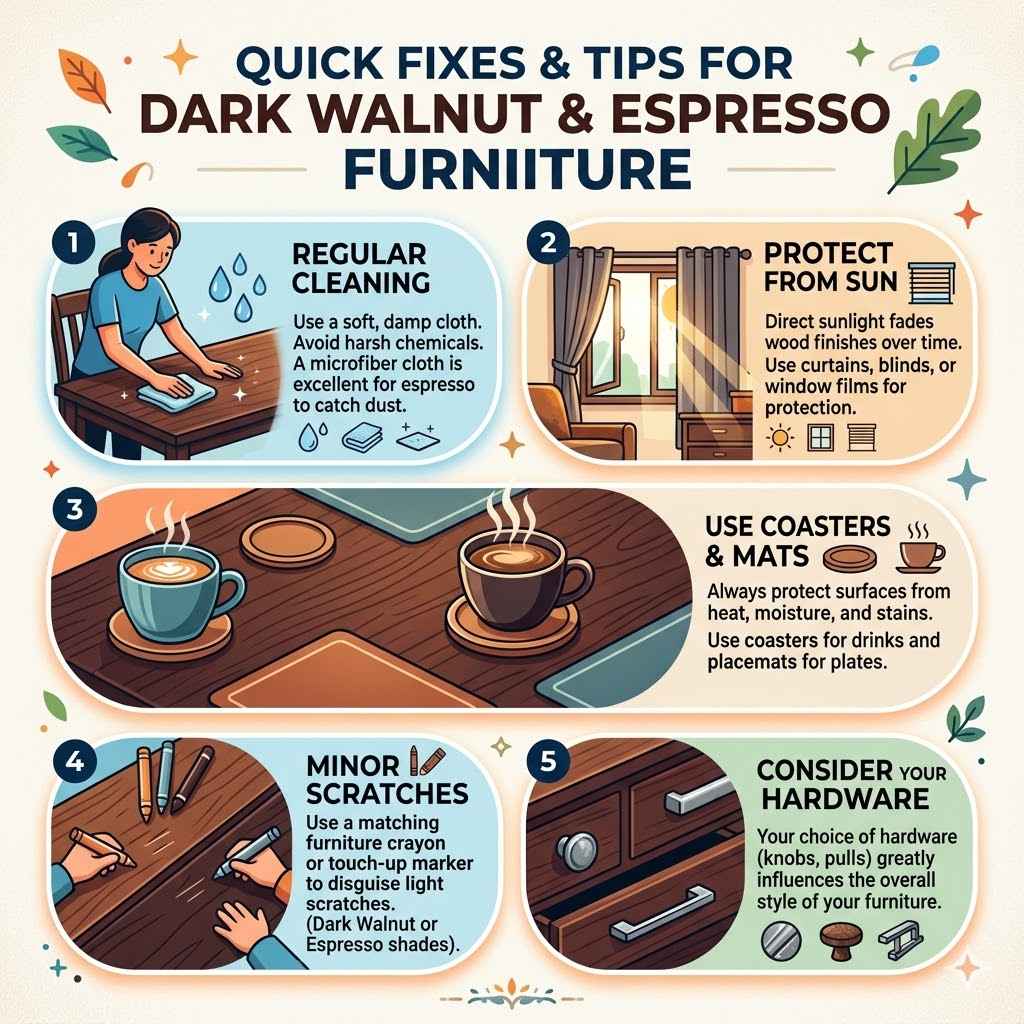
- Regular Cleaning: Use a soft, damp cloth. Avoid harsh chemicals. For espresso, a microfiber cloth works well to catch dust.
- Protect from Sun: Direct sunlight can fade any wood finish over time. Use curtains or blinds.
- Use Coasters and Mats: Always protect surfaces from heat and moisture. This applies to both finishes.
- Minor Scratches: For dark walnut, sometimes a furniture crayon or marker in a matching shade can help disguise light scratches. For espresso, touch-up pens can also work if the color is exact.
- Consider Your Hardware: As mentioned, hardware can greatly influence the style.
Frequent Questions
Is espresso wood finish the same as black?
Espresso is a very dark brown. It is so dark that it often looks like black. However, it usually has subtle brown undertones.
True black finishes are typically a solid, deep black. Espresso offers a softer, less stark alternative to black.
Can dark walnut furniture be too dark for a small room?
Yes, any dark finish, including dark walnut, can make a small room feel smaller. However, dark walnut has warmer tones. This can make it feel less oppressive than a cool, deep espresso.
Using lighter colors on walls and in accents can help balance the darkness.
Which finish is more expensive, espresso or dark walnut?
Generally, if “Dark Walnut” refers to furniture made from actual walnut wood, it will be more expensive. Walnut is a premium hardwood. If both finishes are applied to the same type of wood (like oak or maple), the price difference might be minimal.
Espresso is often chosen for its color on more budget-friendly woods.
How can I tell if my furniture is real walnut or just stained to look like it?
Look at the wood grain very closely. Real walnut has a very distinctive grain pattern. It often has wavy or irregular patterns.
It feels smooth and dense. If the grain looks too uniform, or like a printed pattern, it might not be real walnut. Also, check the manufacturer’s description.
Solid wood pieces will usually say so.
Does espresso finish hide scratches better than dark walnut?
Neither finish truly hides scratches. However, the uniform, dark color of espresso can sometimes make very fine dust or lint less noticeable. Dark walnut’s visible grain pattern can sometimes camouflage minor surface imperfections or very light scratches better than a solid, dark color.
What style of home decor looks best with espresso furniture?
Espresso furniture is ideal for modern, contemporary, and minimalist interior design styles. It pairs well with clean lines, geometric shapes, and high-contrast color palettes. Think white, grey, and metallic accents.
Conclusion
Choosing between espresso and dark walnut is about your personal style. Espresso offers a modern, sleek, and bold look. It’s clean and sophisticated.
Dark walnut provides a warmer, richer, and more natural feel. It showcases the beauty of wood grain. Both are beautiful choices.
Consider the overall look you want for your home. And how the finish will interact with your existing decor and lighting. You can’t go wrong with either.
It’s just about finding the best fit for your space.