Difference between Boiled And Raw Linseed Oil: Key Facts Revealed
Are you confused about whether to use boiled or raw linseed oil for your next project? You’re not alone.
Choosing the right type can make a big difference in how your wood finishes, how long it lasts, and how easy it is to work with. You’ll discover the key differences between boiled and raw linseed oil. By the end, you’ll know exactly which one suits your needs best—saving you time, effort, and frustration.
Keep reading to find out what sets these two oils apart and how to get the most out of each.
Linseed Oil Basics
Linseed oil is a natural oil extracted from flax seeds. It has been used for centuries in painting and wood finishing. Understanding the basics helps to know why boiled and raw linseed oil differ. Both types come from the same source but have different properties and uses.
Sources And Types
Linseed oil comes from flax seeds pressed to release oil. There are two main types: raw and boiled. Raw linseed oil is pure and untreated. Boiled linseed oil is heated and mixed with drying agents. These changes make boiled oil dry faster and form a harder finish.
Common Uses
Raw linseed oil suits projects needing slow drying and deep penetration. It is often used in woodworking and oil painting. Boiled linseed oil is popular for outdoor wood and metal protection. It dries quickly and creates a strong protective layer. Choosing the right type depends on the project needs and drying time.
Raw Linseed Oil Properties
Raw linseed oil is a natural oil extracted from flax seeds. It has a unique set of properties that make it useful for many purposes. Understanding these properties helps in choosing the right oil for your project.
This oil is often used in woodworking and painting. Its natural composition affects how it behaves and how long it takes to dry.
Composition And Characteristics
Raw linseed oil contains high amounts of omega-3 fatty acids. These acids help the oil to dry slowly and form a flexible film. The oil is clear and has a light yellow color. It is thicker than some other oils, which makes it good for soaking into wood.
It does not contain any additives or drying agents. This makes it pure but slower to dry. The oil can darken wood over time, giving a warm, natural finish.
Drying Time And Application
Raw linseed oil dries very slowly. It can take days or even weeks to fully dry. This slow drying allows deep penetration into wood fibers. The oil improves wood strength and water resistance.
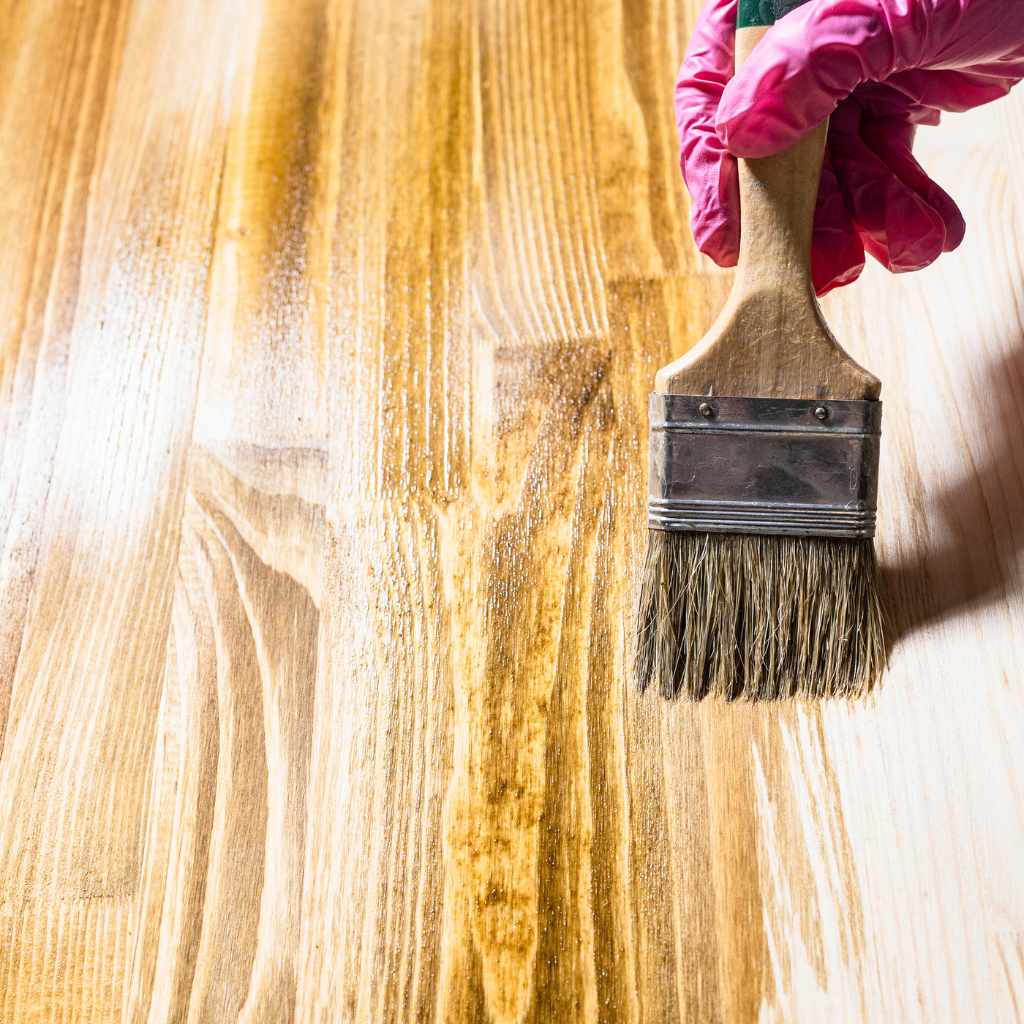
Apply it with a brush or cloth. Use thin coats for best results. Excess oil should be wiped off to prevent a sticky surface. Patience is key with raw linseed oil. It works well for projects that do not need quick drying.
Boiled Linseed Oil Traits
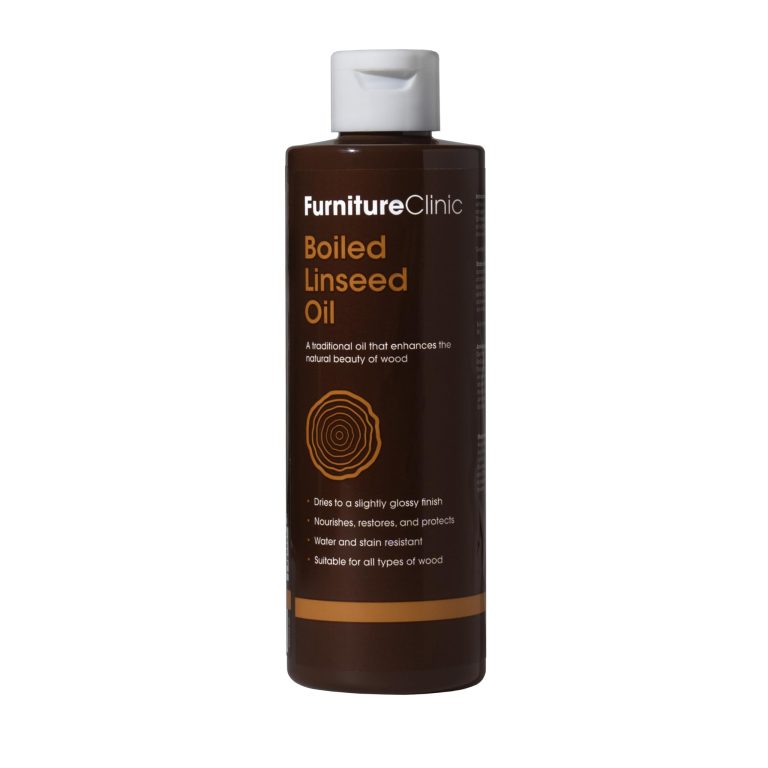
Boiled linseed oil is popular for its quick drying and durable finish. It is different from raw linseed oil because of its treatment process. This process changes how the oil behaves and performs on wood and other materials.
People use boiled linseed oil for furniture, floors, and outdoor wood. Its traits make it a preferred choice for many projects.
Manufacturing Process
Boiled linseed oil starts as raw linseed oil extracted from flax seeds. The raw oil is heated and mixed with drying agents. These agents are usually metal salts like cobalt or manganese. This mixture helps the oil dry faster than raw oil. The heating also removes some impurities. This process improves the oil’s color and thickness.
Enhanced Drying And Performance
Boiled linseed oil dries in hours, not days. This fast drying saves time during painting or finishing. It forms a hard, protective layer on surfaces. This layer resists water and wear better than raw oil. The oil also penetrates wood deeply, strengthening it from inside. This makes wood less likely to crack or warp. Boiled linseed oil gives a warm, glossy finish that many find attractive.
Comparing Drying Speeds
Boiled linseed oil dries faster due to added chemicals that speed up curing. Raw linseed oil takes longer, needing days to fully dry. This difference affects how quickly a project can be finished.
Drying speed is a key difference between boiled and raw linseed oil. It affects how soon you can use or finish your project. Understanding this helps choose the right oil for your needs.
Boiled linseed oil dries much faster than raw linseed oil. This is because it contains drying agents that speed up the hardening process. Usually, boiled linseed oil dries within 6 to 24 hours.
Raw linseed oil takes a long time to dry. It may need several days or even weeks to fully harden. This slow drying happens because it lacks added drying chemicals.
Boiled Linseed Oil Drying Time
Boiled linseed oil can dry in less than a day. It forms a tough, protective layer quickly. This makes it ideal for wood surfaces that need fast use.
The drying agents in boiled linseed oil help oxygen react with the oil. This reaction causes the oil to harden faster than raw oil.
Raw Linseed Oil Drying Time
Raw linseed oil dries slowly over days or weeks. It absorbs into wood and hardens very gradually. This slow process is better for deep wood protection.
Patience is needed when using raw linseed oil. It keeps wood nourished but requires more drying time before use.
Durability And Protection
Durability and protection are key factors when choosing linseed oil. Both boiled and raw linseed oil offer different levels of defense for wood and other surfaces. Understanding these differences helps you pick the right oil for your project.
Durability Of Boiled Linseed Oil
Boiled linseed oil dries faster than raw oil. This means it forms a tougher layer on surfaces. It resists water and dirt better. The faster drying also reduces the chance of dust sticking to the oil. This adds to the durability of the finish.
Durability Of Raw Linseed Oil
Raw linseed oil takes longer to dry. It penetrates deeper into wood but forms a softer surface layer. This makes it less resistant to scratches and stains. Over time, it may need more frequent reapplication to keep protection strong.
Protection Offered By Boiled Linseed Oil
Boiled linseed oil protects wood from moisture and weather damage. It creates a semi-hard finish that shields against minor damage. This oil is good for outdoor furniture and floors. It helps wood last longer in tough conditions.
Protection Offered By Raw Linseed Oil
Raw linseed oil mainly protects by soaking into the wood. It nourishes and strengthens wood fibers. It does not create a hard protective film. This oil is better for indoor use or on items not exposed to harsh conditions.
Safety And Handling
Handling linseed oil requires care to avoid accidents. Both boiled and raw linseed oils have specific safety needs. Knowing these helps protect your home and health. This section covers important safety and handling tips.
Flammability Risks
Boiled linseed oil dries faster but is more flammable. It contains solvents that catch fire easily. Rags soaked in boiled oil can ignite on their own. Raw linseed oil is less flammable but still a risk. Always keep oily rags in metal containers with lids. Avoid leaving oil-soaked materials in piles or near heat.
Proper Storage Tips
Store both oils in cool, dry places away from sunlight. Use tightly sealed containers to prevent spills and evaporation. Keep oils out of reach of children and pets. Avoid storing near flames or electrical equipment. Check containers regularly for leaks or damage. Proper storage reduces fire risk and keeps oil fresh longer.
Choosing The Right Oil
Choosing the right oil for your project is important. Boiled and raw linseed oils have different properties. Each works better in certain situations. Understanding these differences helps you pick the best option. This saves time and improves results.
Suitability For Projects
Boiled linseed oil dries faster. It suits wood that needs quick protection. It is good for furniture and floors. Raw linseed oil takes longer to dry. It works well for outdoor projects. It soaks deep into wood, giving long-lasting protection. Choose boiled oil for indoor use. Pick raw oil for outdoor or slow-drying needs.
Cost Considerations
Raw linseed oil is usually less expensive. It is a simple, natural product. Boiled linseed oil costs more. It contains additives that speed up drying. If budget is tight, raw oil is a good choice. For faster work and better finish, boiled oil may be worth the extra cost.
Environmental Impact
Understanding the environmental impact of boiled and raw linseed oil helps choose the better option. Both types affect nature differently during production and use. This section explains their environmental footprints clearly.
Environmental Impact Of Raw Linseed Oil
Raw linseed oil comes from pressing flax seeds. It is natural and biodegradable. The production uses less energy and fewer chemicals. This makes raw linseed oil gentle on the environment. It breaks down easily in soil and water. It does not leave harmful residues. Farmers grow flax with low pesticide use, helping soil health. Raw linseed oil is a good choice for eco-friendly projects.
Environmental Impact Of Boiled Linseed Oil
Boiled linseed oil is raw oil mixed with drying agents. These agents speed up the drying time. They often contain heavy metals like lead or cobalt. These metals can be toxic to plants and animals. The production process uses more chemicals and energy. It may release harmful fumes during drying. Disposal of boiled linseed oil needs care to avoid pollution. Its environmental impact is higher than raw oil.
Which Oil Is Better For The Environment?
Raw linseed oil is safer for nature. It avoids toxic additives and heavy metals. Its production is simpler and cleaner. Boiled linseed oil dries faster but can harm ecosystems. Choosing raw oil helps reduce pollution and protect wildlife. It suits projects that value eco-friendliness over quick drying.
Frequently Asked Questions
What Is Boiled Linseed Oil Used For?
Boiled linseed oil dries faster than raw oil. It’s ideal for wood finishing and protecting surfaces. It enhances wood grain and provides a durable coating.
How Does Raw Linseed Oil Differ From Boiled?
Raw linseed oil is untreated and dries slowly. Boiled linseed oil contains drying agents, speeding up curing. Raw oil is better for food-safe finishes or non-porous surfaces.
Is Boiled Linseed Oil Safe For Outdoor Use?
Yes, boiled linseed oil provides water resistance and durability outdoors. It protects wood from moisture and weather damage. Reapplication is needed periodically for best results.
Can Raw Linseed Oil Be Used For Furniture?
Raw linseed oil can finish furniture but takes longer to dry. It offers a natural, matte look. Multiple coats improve protection and appearance over time.
Conclusion
Boiled linseed oil dries faster than raw linseed oil. Raw linseed oil takes longer to cure but offers a natural finish. Both types protect wood and metal surfaces well. Choose based on your project’s drying time and finish needs. Understanding these differences helps you pick the right oil.
Simple choices lead to better results and longer-lasting protection. Keep these points in mind for your next project.