Do Saws Have Teeth? How Saw Teeth Actually Cut Wood
Yes, virtually every cutting saw has teeth, from a $12 hand saw to a $400 table saw. But the more useful question is how those teeth actually cut. Each tooth on a saw blade works like a miniature chisel, shearing off one small chip of wood with every pass, and its shape, angle, and spacing determine whether you get a fast, rough cut or a glass-smooth one. A handful of specialty tools, like diamond masonry blades, skip teeth entirely and grind through material instead. Below is how saw teeth actually work, why different jobs call for different tooth designs, and the real exceptions that cut without teeth at all.
How Saw Teeth Actually Cut
Good All-Around Finish Blade
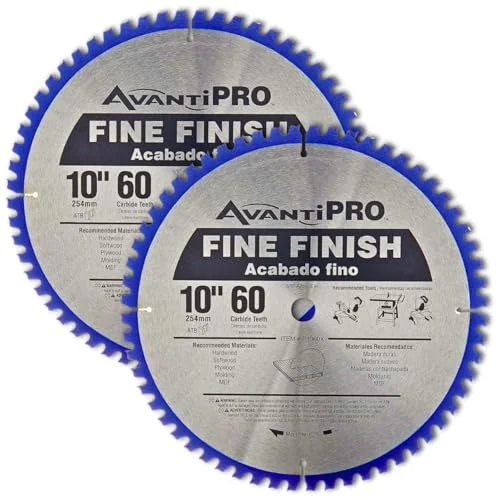 |
AvantiPro by Freud 10″ 60-Tooth Fine Finish Blade – $24.99 A good way to see everything below in action: 60 closely spaced carbide teeth on this blade mean smaller, cleaner bites per pass instead of the few large teeth on a framing blade.
|
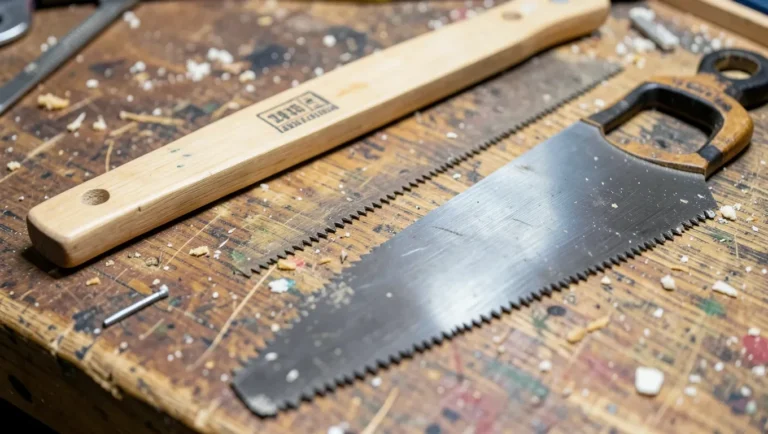
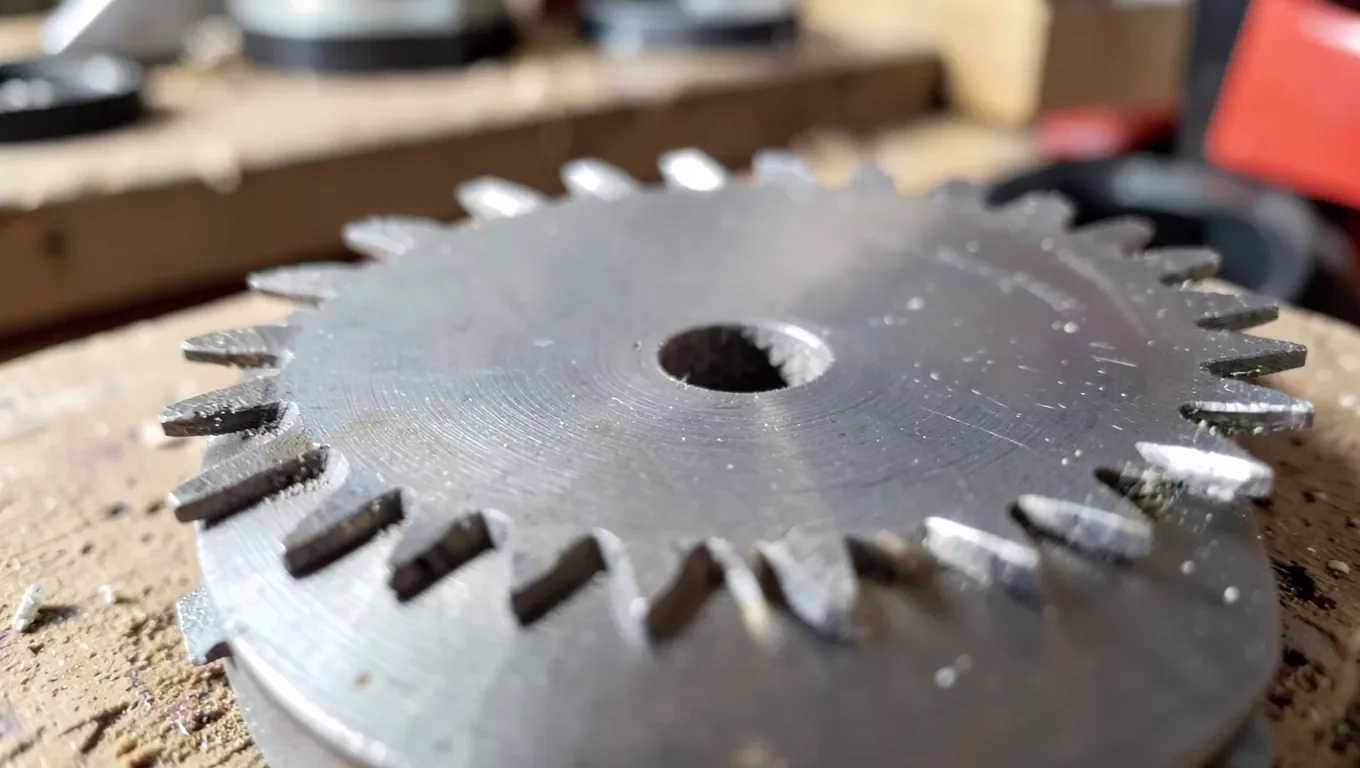
Look closely at any saw tooth and you’ll see it’s really a tiny, angled chisel. As the blade moves, the beveled front edge of each tooth (the “face”) digs into the wood and shears off a small chip, not unlike a hand plane taking a shaving. That chip has to go somewhere, which is what the “gullet,” the curved pocket right behind each tooth, is for: it carries the waste out of the cut until the tooth clears the material and the chip falls away.
Two more details decide how a cut turns out. The first is hook angle, how far forward the tooth’s face leans. A steep, aggressive hook grabs and removes material fast, which is great for ripping softwood but rough on the finish. A shallower or even negative hook cuts slower but leaves a cleaner edge, which is why finish blades and blades built for hard, dense material use it. The second is set, the alternating left-right offset ground or bent into the teeth. Without set, a blade would bind in its own kerf (the slot it cuts) from friction alone; with teeth alternating slightly left and right, the blade cuts a kerf wider than the plate itself and glides through freely. Wider set clears material faster and resists binding in wet or resinous wood; narrower set (or none, on blades ground with a flat “raker” tooth between the set ones) produces a tighter, smoother kerf.
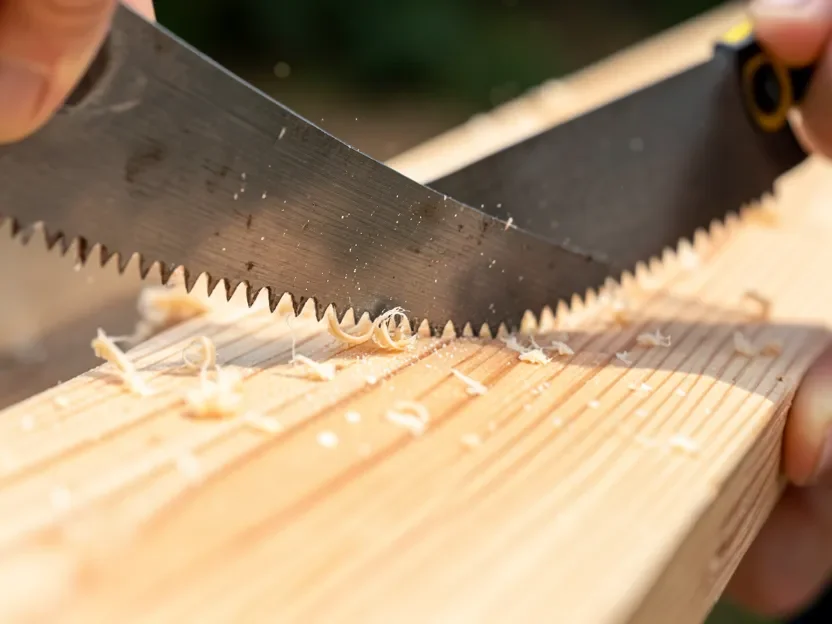
Anatomy of a Saw Tooth
Every tooth on a saw blade, hand saw or power blade, shares the same basic parts, just scaled and angled differently for the job:
- Point (tip): The leading edge that first contacts the material.
- Face: The angled front surface that actually shears the wood fiber.
- Gullet: The curved pocket behind the tooth that carries the cut chip out of the kerf.
- Heel: Where the tooth meets the body of the blade, the strongest and least-worked part of the tooth.
- Set: The side-to-side offset described above, not a separate physical part but a property of how the tooth is bent or ground.
Tooth Design by Saw Type
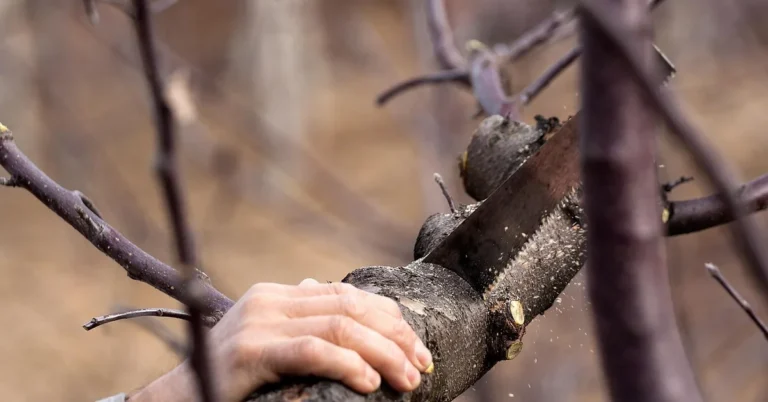
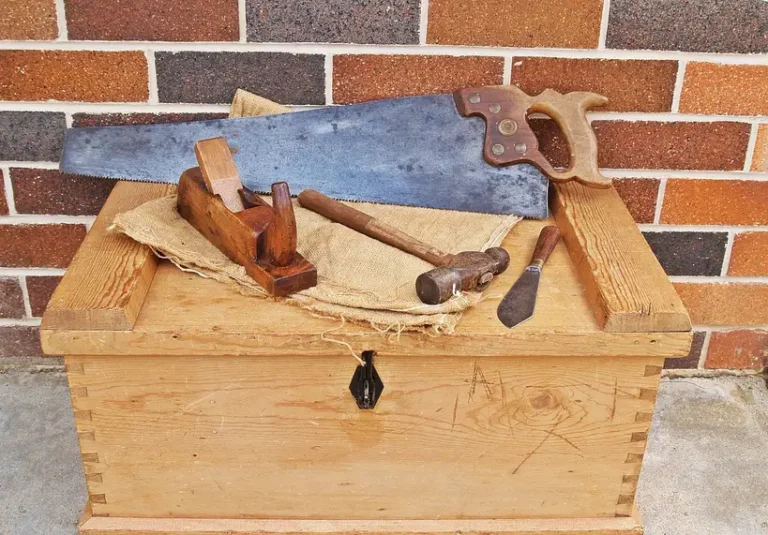
The saw you’re holding largely decides what its teeth look like. A hand saw relies on your own arm strength, so its teeth tend to be larger and more aggressive than a power blade’s. A traditional crosscut hand saw has small, knife-like teeth angled to slice across the wood grain, while a rip hand saw has fewer, chisel-shaped teeth built to plow along the grain instead. Power blades cover a much wider range, since a motor can spin (or push and pull) a blade far faster than any arm, so their teeth can be smaller, more numerous, and more specialized:
| Saw / Blade | Typical Tooth Count or TPI | What the Teeth Look Like |
|---|---|---|
| Circular saw / table saw blade | 10 to 24 teeth (ripping) up to 80+ teeth (fine finish) | Fewer, square-ish teeth for ripping; many small alternate-top-bevel or triple-chip teeth for clean crosscuts and plywood |
| Jigsaw blade | 6 to 24 TPI | Short, fine reciprocating teeth; coarser blades for fast wood cuts, fine ones for metal or curves |
| Reciprocating saw (Sawzall-style) | 3 to 18 TPI | Long, aggressive teeth for demolition and rough cutting through wood, nails, and pipe |
| Band saw blade | 3 to 24 TPI | Continuous loop of uniform teeth, coarse and widely spaced for resawing, fine for curves or metal |
| Chainsaw chain | N/A (individual cutters) | Not called “teeth” the same way, but each cutter link works identically to a saw tooth, with a raker limiting how deep it bites |
A dedicated ripping blade and a fine-finish blade can look almost nothing alike despite doing the same basic job, cutting wood, because ripping needs to clear a lot of material fast (fewer teeth, deep gullets) while a clean crosscut needs each tooth to take a smaller, more controlled bite.
Tooth Count and TPI: What They Actually Change
On circular saw and table saw blades, teeth are usually described by total count (a 7-1/4 inch circular saw blade might have 24, 40, or 60 teeth). On thinner blades, hand saws, jigsaws, reciprocating saws, and band saws, they’re described by TPI, or Teeth Per Inch, since blade length varies too much for a total count to mean much. Both numbers measure the same underlying tradeoff.
Fewer teeth (or low TPI) means bigger gullets and a faster, rougher cut. Each tooth removes more material per pass, so the blade moves through the wood quickly, which is exactly what you want when ripping rough lumber or demolishing framing where speed matters more than a polished edge.
More teeth (or high TPI) means smaller gullets and each tooth takes a lighter bite, but many more teeth are cutting at once. That produces a smoother, cleaner edge with less splintering, at the cost of a slower cut and a blade that clogs faster in thick material.
A widely used rule of thumb for TPI is to keep at least two to three teeth in contact with the material at all times. On reciprocating saw blades, that’s why a thin sheet metal cut calls for a much higher TPI blade than cutting a 4×4 post; too few teeth in contact and the blade tends to grab, chatter, and strip its own teeth. The same math applies to hand saws and jigsaws, which is covered in more detail in our guide to what TPI actually means on a saw blade.
Cutting Tools That Don’t Use Traditional Teeth
Nearly every saw meant for wood, metal, or plastic cuts with teeth, but a few common cutting tools genuinely don’t. They’re worth knowing about because they show up in the same toolbox as a circular saw or reciprocating saw, and they cut in a completely different way.
- Diamond blades (used for concrete, tile, brick, and other masonry) have a smooth steel core with a rim of diamond grit bonded to the edge. Instead of shearing chips like a toothed blade, a diamond blade grinds and abrades the material away. There’s no gullet to clear chips because there are no chips in the same sense, just fine dust.
- Abrasive cut-off wheels (common on angle grinders and chop saws for metal) work the same way: a disc bonded with abrasive grains grinds through metal by friction rather than by a series of cutting edges.
- Waterjet and laser cutters don’t have a blade at all. A waterjet erodes material with a high-pressure abrasive stream, and a laser vaporizes or melts a path through it. Neither one has teeth, a kerf caused by tooth set, or a gullet.
Sharpening, Wear, and When to Replace a Blade
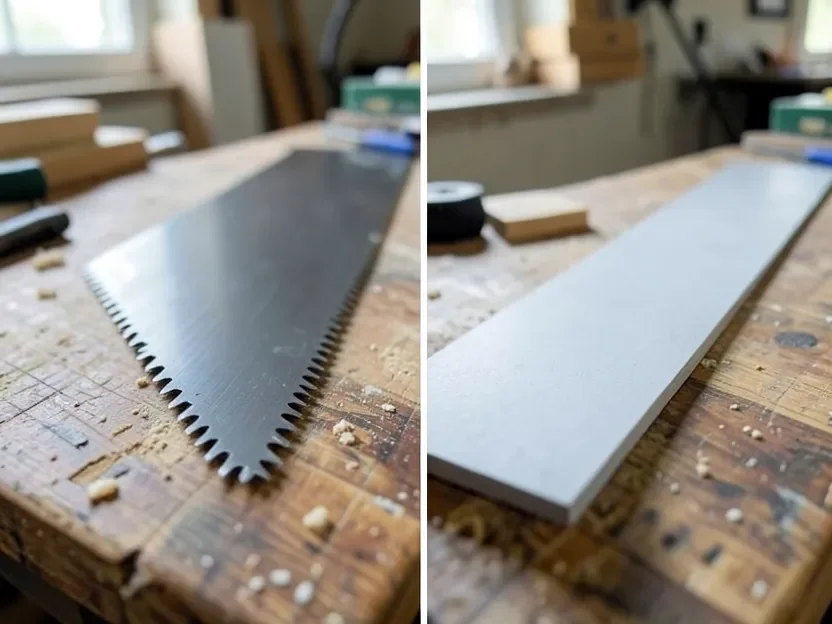
A dull tooth stops shearing chips cleanly and starts tearing and scraping instead, which shows up as more effort to push the saw, burned or fuzzy-edged cuts, excessive splintering, and a higher risk of binding or kickback. For most DIY-grade blades, individual teeth can’t be replaced or re-sharpened cost-effectively, so once several teeth are chipped or the edge is visibly dull, the whole blade gets swapped. Industrial and high-end carbide blades are the exception: specialty shops can grind a fresh edge onto worn carbide teeth or braze on new carbide tips entirely, which is common for large panel-saw and sawmill blades but rarely worth the cost for a $25 blade from the hardware store.
Saw Tooth Safety Basics
Understanding what the teeth are doing also makes a saw safer to use. A few basics worth keeping in mind:
- Match the blade to the material and cut. A rip blade forced into a fine crosscut (or vice versa) fights the wood instead of cutting it.
- Never force the saw. Let the teeth do the work; forcing a dull blade is what leads to binding and kickback.
- Check the blade is secure and spinning true before every use.
- Wear eye protection. Chips and dust come off the teeth at speed.
- Keep the work area clear of sawdust buildup, which is both a slip hazard and a fire hazard near power tools.
FAQ: Saw Teeth
Do all saws have teeth?
Almost all saws built to cut wood, metal, or plastic have teeth. The real exceptions are diamond blades for masonry and abrasive cut-off wheels for metal, which grind through material instead of shearing chips, plus waterjet and laser cutters, which don’t have a blade at all.
Why are saw teeth angled in alternating directions?
That alternating left-right offset is called “set.” It makes the blade cut a kerf slightly wider than the blade itself, so the plate doesn’t bind against the wood from friction as it passes through.
What does TPI mean on a saw blade?
TPI stands for Teeth Per Inch, the number of teeth in one inch of blade edge. Higher TPI means smaller, more numerous teeth for slower, smoother cuts; lower TPI means larger teeth for faster, rougher cuts.
How do I know when a saw blade needs sharpening or replacing?
Watch for a blade that requires more effort to push through material, leaves rough or burned edges, causes excessive splintering, or feels like it’s binding rather than cutting cleanly. Any of those signal it’s time to sharpen (if the blade is a candidate for it) or replace it.
Sponsored / affiliate links. As an Amazon Associate I earn from qualifying purchases. I may earn additional commission from eligible campaigns.