How to Clean Bird Poop Off a Wood Deck
Bird droppings can be a real nuisance on your wooden deck. They look bad, and if left too long, they can actually damage the wood and leave stubborn stains. For many people, especially those new to deck care, knowing exactly how to tackle this problem without making things worse can seem tricky.
You might worry about using the wrong cleaner and causing more harm than good. But don’t worry! This guide will walk you through a simple, step-by-step process that’s effective and safe for your deck.
We’ll cover everything you need to know to get your deck looking great again.
Safe Ways to Clean Bird Poop Off Wood Decks
Keeping your wooden deck looking its best involves regular care and knowing how to handle common issues. Bird droppings are a frequent problem for many homeowners with outdoor living spaces. These little messes are not just unsightly; they can also be acidic and start to eat away at the wood’s finish and even the wood itself if left for extended periods.
The challenge for beginners often lies in choosing the right cleaning agents and methods. Using harsh chemicals or scrubbing too aggressively can lead to discoloration, dulling of the wood’s natural color, or even permanent stains. This section will explore effective and gentle techniques that prevent these issues, ensuring your deck remains beautiful and well-maintained.
It’s important to act fast when you notice bird droppings. The longer they sit, the harder they are to remove and the more potential damage they can cause. Fresh droppings are much easier to clean than dried, baked-on messes.
The acidity in bird waste can break down wood sealants and even begin to etch the wood grain itself. This can lead to dark spots or patches that are difficult to get out.
Many homeowners worry about what to use. Will dish soap be enough? Is bleach too harsh?
The good news is that you likely have many of the necessary supplies already at home. This guide focuses on methods that are gentle yet effective. We’ll help you avoid common mistakes that can ruin your deck’s finish.
By following these simple steps, you can restore your deck’s appearance and protect its longevity.
Understanding Bird Poop and Wood Deck Stains
Bird droppings are a common and often frustrating issue for anyone with a wooden deck. These droppings are not just an aesthetic problem; they can also cause damage to your deck’s surface. The primary concern is staining.
Bird waste often contains uric acid, which is acidic and can etch into the wood and its protective finish. Over time, this etching can lead to permanent discoloration, leaving unsightly dark or bleached spots on your deck.
Beginners might struggle with this because the instinct is often to scrub hard or use strong cleaning solutions. However, aggressive scrubbing can damage the wood grain. Similarly, harsh chemicals like bleach, while effective at cleaning, can strip the wood of its natural color and damage its protective sealant.
This can leave the wood more vulnerable to future stains and weathering. The goal is to lift the stain without damaging the deck’s surface.
The type of wood and its existing finish also play a role. Hardwoods like oak or ipe are more dense and may resist staining better than softer woods like pine or cedar. The condition of the sealant or stain on your deck is also a factor.
If the finish is already worn or damaged, the droppings can penetrate the wood more easily.
Learning how to clean bird poop off a wood deck without staining involves understanding the nature of the mess and the material you’re cleaning. It requires a gentle yet persistent approach. By using the right tools and cleaning solutions, you can effectively remove bird droppings and prevent them from leaving lasting marks.
This knowledge is key to maintaining a beautiful and durable outdoor space.
The Chemistry of Bird Droppings and Wood Damage
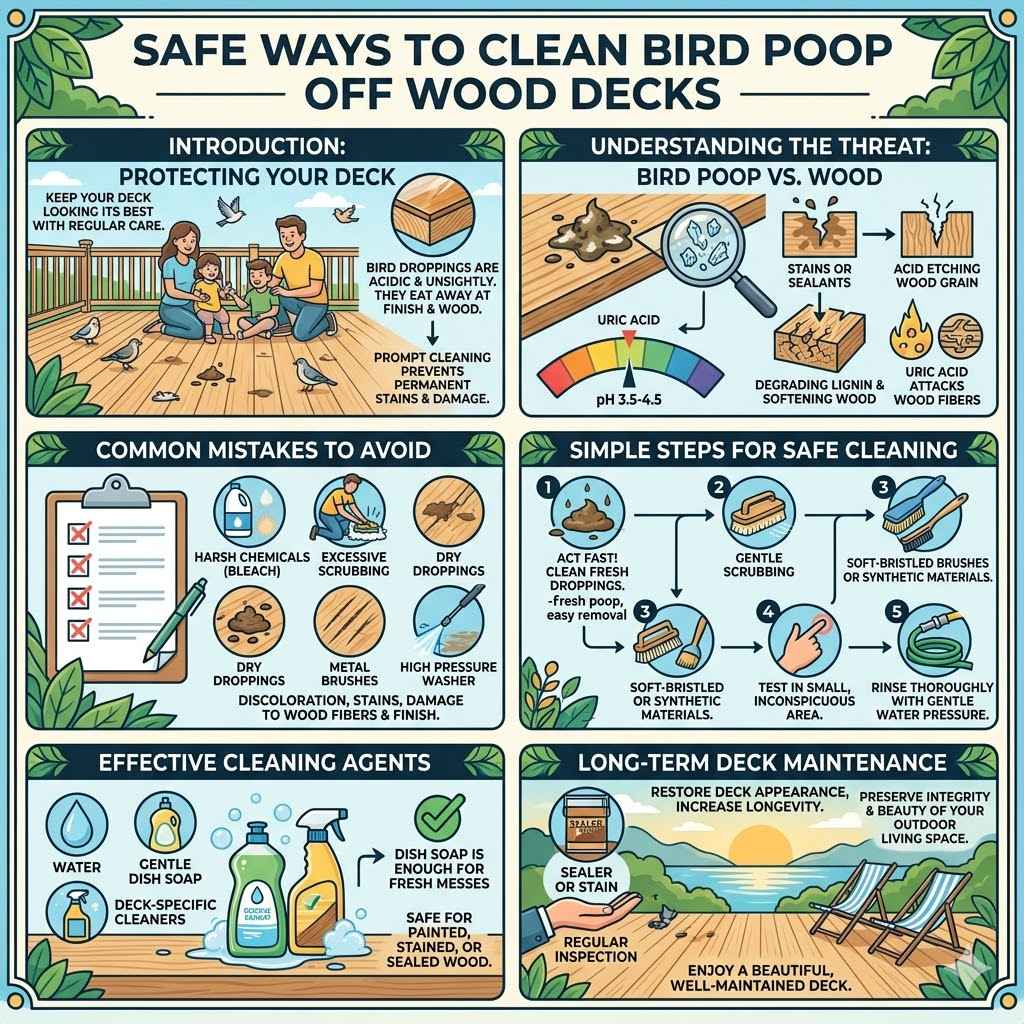
Bird droppings are more than just an eyesore; they are a potent cocktail of waste products that can wreak havoc on your wooden deck if left unattended. The primary culprit is uric acid, a crystalline solid that is a major component of bird excrement. Uric acid is acidic, with a pH that typically ranges from 3.5 to 4.5.
This acidity is strong enough to begin breaking down the protective coatings on your deck, such as stains or sealants. Once these protective layers are compromised, the uric acid can then directly interact with the wood fibers.
The interaction with the wood can manifest in several ways. On stained decks, the acid can lift the pigment, causing a lightening or bleaching effect. On sealed decks, it can etch the surface, creating dull spots.
If left long enough, the acid can even begin to degrade the lignin in the wood, which is a complex polymer that gives wood its rigidity. This degradation can lead to a softening of the wood in the affected area, making it more susceptible to rot and further damage. The longer the droppings sit, the deeper the penetration and the more difficult it becomes to reverse the damage.
Beyond uric acid, bird droppings also contain other substances like undigested food particles and bacteria. These can also contribute to staining and discoloration. Some of these particles can leave behind organic residues that, when wet and then dried, create outlines or shadows on the wood surface.
This is why prompt removal is so crucial for maintaining the pristine appearance of your deck.
Understanding the chemical nature of bird droppings empowers you to choose the most effective and least damaging cleaning methods. It highlights the need for a targeted approach rather than a one-size-fits-all aggressive cleaning strategy. By addressing the acidity and organic components directly, you can effectively clean the mess and preserve the integrity and beauty of your wooden deck.
Common Mistakes to Avoid
Many well-meaning homeowners make common mistakes when trying to clean bird poop off their wood decks. These errors can inadvertently cause more harm than good, leading to staining, discoloration, or damage to the wood itself. Being aware of these pitfalls is the first step in learning how to clean bird poop off a wood deck without staining.
One of the most frequent mistakes is using harsh cleaning chemicals without proper dilution or testing. Bleach, for instance, is a powerful disinfectant and cleaner, but it can strip the natural color from wood, leaving it looking washed out or uneven. It can also damage the wood fibers and any existing sealant or stain, making the deck more prone to future issues.
Strong acids or abrasive cleaners should also be avoided for the same reasons.
Another common error is excessive scrubbing. While it may seem intuitive to scrub away a stubborn stain, applying too much pressure with a stiff brush can scratch the wood surface. This can remove the protective layer of the deck and create a rough texture.
Over time, these scratches can accumulate dirt and moisture, leading to further problems like mold and mildew growth.
Allowing bird droppings to dry completely before attempting to clean them is also a mistake. Fresh droppings are much easier to remove. Dried droppings bond more firmly to the wood and require more effort to lift, increasing the risk of damage during the cleaning process.
Acting quickly significantly reduces the likelihood of staining and makes the entire cleaning job much simpler.
Using the wrong type of cleaning tool is another pitfall. Metal brushes can scratch and gouge wood. Always opt for brushes with natural bristles or synthetic materials that are known to be safe for wood surfaces.
Even the water source can matter; using a pressure washer on too high a setting can also force water into the wood grain and cause damage. A gentle approach is almost always the best way to preserve your deck’s beauty.
Gentle Cleaning Solutions for Your Deck
When it comes to cleaning bird poop from your wooden deck, the key is to use solutions that are effective at breaking down the mess but gentle on the wood. Harsh chemicals can strip finishes and alter the wood’s natural color, creating new problems. This section explores safe and effective cleaning mixtures that you can easily prepare at home or find at your local hardware store, ensuring you know how to clean bird poop off a wood deck without staining.
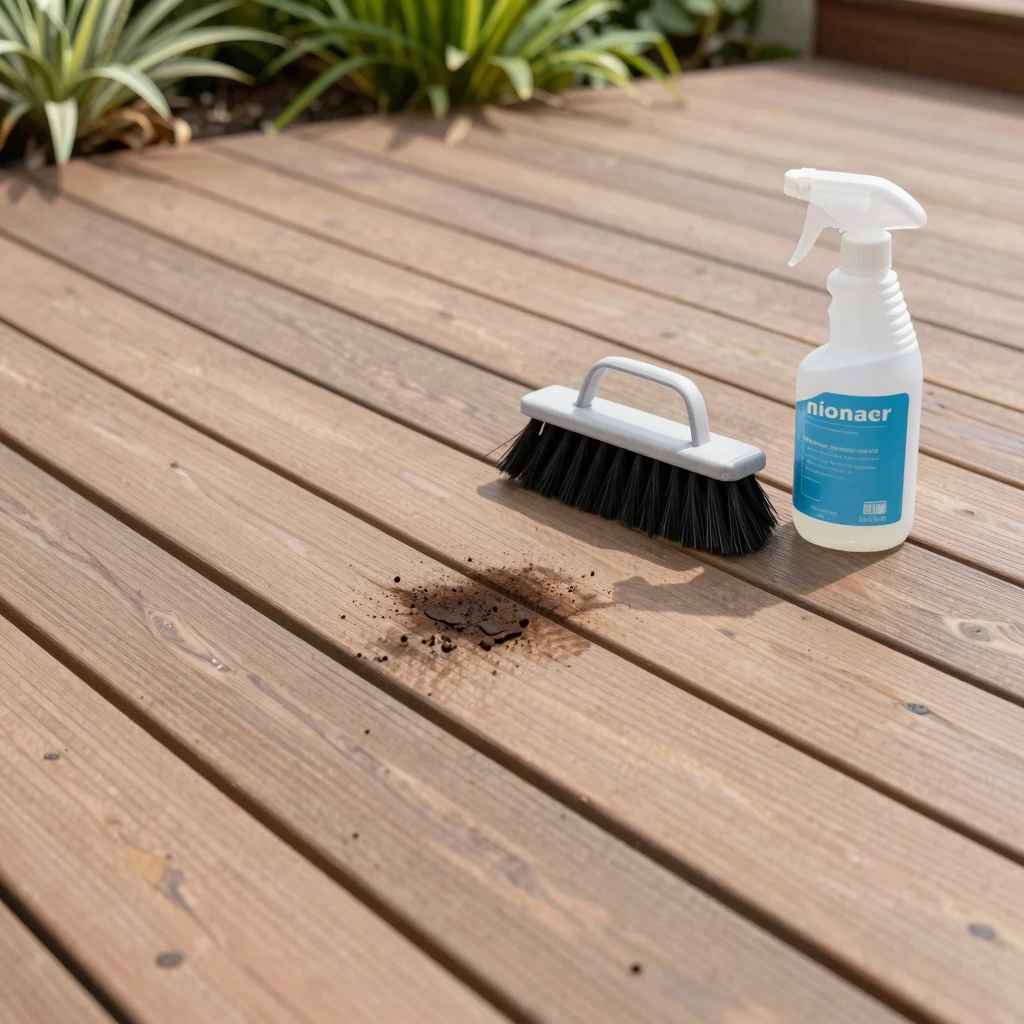
Mild dish soap is often your first line of defense. It’s excellent at cutting through grease and grime, which can sometimes be present in bird droppings. Mix a small amount of mild dish soap with warm water.
This creates a soapy solution that can loosen the droppings without being too aggressive. The gentle nature of dish soap makes it a favorite for everyday deck cleaning tasks.
For tougher spots, a mixture of water and white vinegar can be very effective. Vinegar is acidic, but when diluted with water, it can help break down the acidic components of bird droppings. A common ratio is one part white vinegar to four parts water.
This solution can help lift stains and neutralize odors. It’s important to rinse thoroughly afterward to remove any vinegar residue.
Baking soda is another fantastic natural cleaner. It’s a mild abrasive that can help lift stains without scratching the wood. Make a paste by mixing baking soda with a little water.
Apply this paste to the affected area and let it sit for a few minutes. You can then gently scrub it with a soft brush before rinsing. Baking soda is known for its ability to absorb odors and lift residues.
Never underestimate the power of plain water, especially when combined with immediate action. For fresh droppings, a good soak with a hose and a bit of gentle brushing might be all that’s needed. The goal is to find a balance between cleaning power and wood preservation.
These simple, readily available cleaning agents ensure that you can tackle bird poop effectively and maintain your deck’s attractive appearance.
The Power of Mild Dish Soap
Mild dish soap is a surprisingly effective tool in your arsenal for maintaining a pristine wooden deck. Its primary strength lies in its ability to break down organic matter and grease, components often found in bird droppings. When bird droppings land on your deck, they carry not only uric acid but also undigested food particles and natural oils.
Mild dish soap works by emulsifying these substances, meaning it breaks them down into smaller particles that can be easily lifted away from the wood surface.
The key to using dish soap safely on your deck is to choose a formulation that is truly mild. Avoid dish soaps that contain harsh degreasers, dyes, or strong fragrances, as these can sometimes leave residues or affect the deck’s finish. A simple, clear, pH-neutral dish soap is ideal.
You’ll want to mix a small amount—think a tablespoon or two—with a bucket of warm water. This dilution is crucial; using too much soap can leave a soapy residue that attracts dirt and can make the deck slippery.
When applying the soapy water, use a soft-bristled brush or a clean cloth. Gently scrub the affected area in the direction of the wood grain. The goal here is to loosen the droppings, not to scrub the finish off the wood.
After you’ve worked the soapy water into the spot, rinse the area thoroughly with clean water. It’s important to ensure all soap residue is washed away to prevent it from attracting more dirt or causing discoloration.
This method is particularly effective for fresh bird droppings. For older, more ingrained stains, dish soap might need to be combined with other gentle cleaning agents or require a bit more dwell time. However, for routine cleaning and to prevent minor messes from becoming major problems, mild dish soap is a go-to solution that is safe, readily available, and environmentally friendly, making it a smart choice for anyone asking how to clean bird poop off a wood deck without staining.
Why Vinegar and Water Work
White vinegar, when diluted properly, offers a natural and effective way to combat bird droppings on your wooden deck. Its effectiveness stems from its acetic acid content. Acetic acid, while still an acid, is generally milder than the uric acid found in bird waste.
When used in a diluted solution, vinegar can help to neutralize the alkaline components of bird droppings and break down the uric acid crystals without being overly harsh on the wood’s surface.
The dilution ratio is critical for safety and effectiveness. A common and recommended ratio is one part white vinegar to four parts clean water. This ensures that the acidic nature of the vinegar is tempered, preventing it from stripping the wood’s natural color or damaging its protective finish.
The water acts as a solvent and also helps to rinse away loosened debris and the vinegar itself.
To apply, you can use a spray bottle to lightly mist the affected area or use a cloth soaked in the solution. Allow the mixture to sit on the stain for about five to ten minutes. This dwell time gives the acetic acid a chance to work on breaking down the droppings.
After the dwell time, you can use a soft-bristled brush to gently scrub the area. Again, always scrub in the direction of the wood grain to avoid creating unsightly marks.
After scrubbing, it’s imperative to rinse the area thoroughly with clean water. Residual vinegar can leave a slight odor and, if left on the wood, could still potentially cause some minor etching over prolonged periods. A good rinse ensures that the deck is free of any cleaning solution and ready to dry naturally.
This vinegar and water method is a well-balanced approach that tackles the stain effectively while being considerate of the wood’s integrity, a vital part of learning how to clean bird poop off a wood deck without staining.
The Gentle Abrasion of Baking Soda
Baking soda, also known as sodium bicarbonate, is a fantastic natural cleaner that brings a unique benefit to deck cleaning: gentle abrasion. Unlike harsh abrasive cleaners that can scratch and damage wood, baking soda provides a mild scrubbing action. This fine, crystalline powder can help to lift and dislodge dried-on bird droppings and associated stains without compromising the integrity of the wood grain or its finish.
The most effective way to use baking soda for deck cleaning is to create a paste. Mix about three parts baking soda with one part water. You’re aiming for a consistency that’s spreadable but not too runny – like toothpaste.
This paste allows the baking soda to cling to the stain and work its magic. Applying it directly to the bird dropping ensures the cleaning action is concentrated where it’s needed most.
Once the paste is applied, let it sit for about 10-15 minutes. This dwell time allows the baking soda to absorb any moisture from the droppings and begin to loosen their grip on the wood. During this time, the baking soda can also help to neutralize odors associated with the droppings.
After the sitting period, use a soft-bristled brush, like one made of nylon or natural fibers, to gently scrub the paste and the loosened droppings away.
As with other cleaning methods, rinsing thoroughly with clean water is essential. Make sure all traces of the baking soda paste are washed away. Baking soda is also water-soluble, so rinsing is usually quite straightforward.
This method is particularly useful for older, dried-on droppings where a simple soap and water solution might not be enough. It offers a non-chemical, eco-friendly way to tackle stubborn stains, reinforcing the best practices for how to clean bird poop off a wood deck without staining.
Step-by-Step Guide to Cleaning Bird Poop
Having a clear plan is essential when you’re faced with cleaning bird droppings from your wooden deck. Rushing in with the wrong approach can lead to more problems. This step-by-step guide will walk you through the process of removing bird poop effectively and safely, ensuring your deck remains unstained and looking its best.
It’s a straightforward method designed for ease of use, even for those new to deck maintenance, focusing on how to clean bird poop off a wood deck without staining.
Start by gathering your supplies. You’ll need a bucket, warm water, mild dish soap, a soft-bristled brush, clean cloths or sponges, and a garden hose. For tougher stains, you might also want white vinegar or baking soda, as discussed in the previous section.
Having everything ready before you begin will make the process smoother.
The first crucial step is to remove any loose debris from the deck surface. This includes leaves, twigs, and any other materials that might be lying around. A simple sweeping with a broom is usually sufficient.
This prevents you from accidentally pushing more dirt and debris into the stain while you’re trying to clean it.
Next, address the bird dropping itself. If it’s fresh, you might be able to simply rinse it away with water. For dried droppings, you’ll need to soften them.
Apply a liberal amount of the mild dish soap and warm water solution directly onto the droppings. Let it soak for a few minutes to soften the material. This initial softening step is key to preventing aggressive scrubbing later on.
Once softened, gently scrub the area with your soft-bristled brush. Work in the direction of the wood grain to avoid scratching. If the stain is persistent, this is where you might introduce the vinegar and water solution or the baking soda paste, following the methods described earlier.
Always test any new cleaning solution on an inconspicuous area of your deck first to ensure it doesn’t cause discoloration.
After scrubbing, rinse the area thoroughly with your garden hose. Ensure all soap, vinegar, or baking soda residue is completely washed away. Finally, allow the deck to air dry completely.
Inspect the area once dry. If any faint marks remain, you might need to repeat the process or try a slightly stronger, but still safe, method. Patience and a gentle approach are your best tools.
Step 1 Preparing Your Workspace and Supplies
Before you even think about touching that bird dropping, proper preparation is key to a successful and stress-free cleaning session. This first step ensures you have everything you need at hand, minimizing interruptions and the potential for mistakes. Having your workspace ready means the actual cleaning can begin promptly and efficiently.
Gather your supplies. For basic cleaning, you will need a bucket, warm water, mild dish soap, a soft-bristled brush (plastic or natural fibers, never wire!), a sponge or clean cloths, and access to a garden hose for rinsing. If you anticipate tougher stains, also have on hand white vinegar and baking soda, which are excellent natural cleaning agents.
Clear the area around the bird droppings. Remove any potted plants, furniture, or other items that might be in the way. This ensures you have unobstructed access to the stain and prevents accidentally splashing cleaning solutions onto your patio furniture or nearby landscaping.
A clear workspace also makes it easier to sweep away any loose debris.
Sweep the deck surface. Use a broom to remove any loose leaves, dirt, or other debris that might be on the deck. This prevents you from grinding this extra grit into the wood while you’re trying to clean the bird dropping.
A clean slate is essential for effective stain removal.
Ensure your chosen cleaning tools are clean. A dirty brush or cloth can introduce new stains or contaminants to your deck. Giving your brush a quick rinse before you start is a good habit.
Having everything prepared and clean before you begin the actual cleaning process sets you up for success and helps you properly learn how to clean bird poop off a wood deck without staining.
Step 2 Softening the Droppings
The most crucial step in removing bird droppings without causing stains or damage is softening them. Dried bird poop is hard and can adhere stubbornly to the wood surface. Attempting to scrub it off forcefully at this stage is where many people make mistakes, leading to scratches and further discoloration.
Start by applying a generous amount of your chosen mild cleaning solution directly onto the bird dropping. For most fresh or slightly dried droppings, a solution of warm water and a few drops of mild dish soap works wonderfully. If the dropping is particularly stubborn, you might want to let the solution soak for a few minutes.
This gives the soap time to penetrate and break down the organic matter.
For older or more deeply set droppings, you might consider using the diluted white vinegar solution or a baking soda paste. These solutions have specific properties, as mentioned earlier, that help to break down the acidic and solid components of the droppings more effectively. Whichever solution you choose, the principle remains the same: allow it time to work.
A good rule of thumb is to let the solution sit for at least 5 to 10 minutes. You should see the edges of the dropping begin to soften and perhaps even lift slightly from the wood. This softening phase is what makes the subsequent scrubbing much easier and less aggressive, thus greatly reducing the risk of staining or damaging your wood deck.
It’s this patient approach that truly helps you understand how to clean bird poop off a wood deck without staining.
Step 3 Gentle Scrubbing and Removal
With the bird droppings softened, it’s time for the gentle scrubbing phase. This is where you’ll actively remove the softened mess from your deck. The emphasis here is on “gentle” to protect the wood’s surface and finish.
Dip your soft-bristled brush into the cleaning solution you used for softening. You want the brush to be wet but not dripping excessively. Begin to scrub the affected area.
Always move the brush in the direction of the wood grain. This is incredibly important, as scrubbing against the grain can cause unsightly scratches and damage the wood fibers.
Apply moderate pressure. You’re not trying to gouge the wood; you’re trying to lift the loosened droppings. You should start to see the bird poop coming away from the surface.
If you’re using a baking soda paste, you’ll notice it helping to lift the stain as you scrub.
For very stubborn spots, you might need to reapply a bit more cleaning solution and let it soak for another few minutes before continuing to scrub. It’s better to repeat the softening and gentle scrubbing process a couple of times than to resort to harsh scrubbing. This patience is key when learning how to clean bird poop off a wood deck without staining.
Once the visible droppings are removed, rinse the area thoroughly with clean water from your hose. Make sure no cleaning solution residue remains on the deck. This ensures that no lingering chemicals can affect the wood’s appearance or integrity.
Step 4 Thorough Rinsing and Drying
The final stages of cleaning bird poop from your wood deck are just as important as the initial steps. Proper rinsing ensures that no cleaning solution residue remains, and allowing the deck to dry completely is essential for preventing moisture-related issues and for assessing the final result.
Use your garden hose to thoroughly rinse the cleaned area. Start by rinsing the spot where the bird dropping was, then extend the rinse to a slightly larger area to ensure a uniform look. You want to wash away all traces of the mild dish soap, vinegar, or baking soda paste.
Any lingering soap can make the deck slippery, and residual vinegar or baking soda, while generally safe, is best removed for optimal results.
Pay attention to the wood grain. Sometimes, small particles of debris or cleaning solution can get lodged in the grooves. A good rinse, perhaps with a gentle sweeping motion of the hose, will dislodge these.
After rinsing, allow the deck to air dry completely. Avoid the temptation to walk on the damp deck or place furniture back immediately. The wood needs time to breathe and dry out naturally.
Depending on the weather, this could take a few hours. Once dry, inspect the area. If you notice any faint marks or slight discoloration, it’s a good indication that you might need to repeat the cleaning process, perhaps with a slightly longer soak time or a different gentle cleaning agent.
Consistent, gentle care is the hallmark of understanding how to clean bird poop off a wood deck without staining.
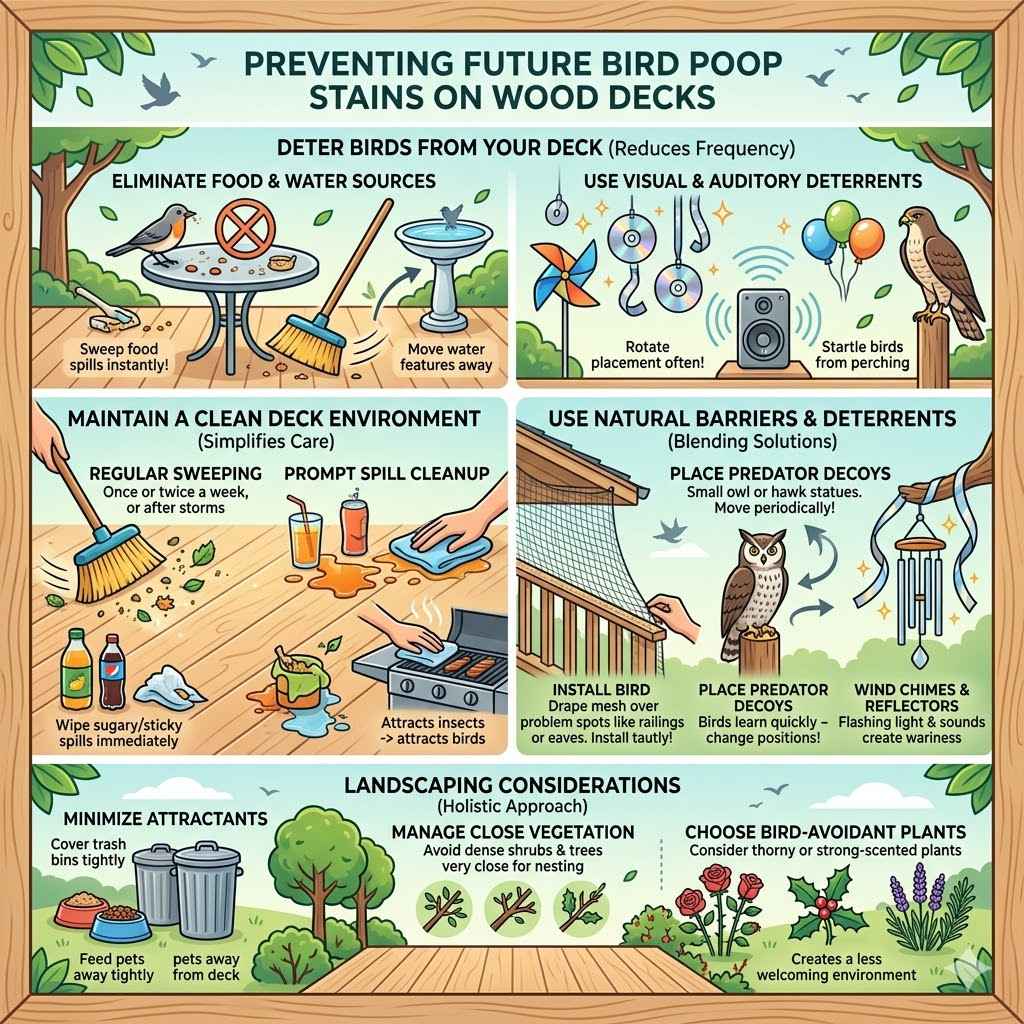
Preventing Future Bird Poop Stains
While cleaning bird droppings is a necessary task, the best approach is always prevention. By taking a few proactive steps, you can significantly reduce the frequency and severity of bird poop messes on your wooden deck, making your maintenance routine much easier. This section offers practical tips for deterring birds and minimizing the impact of their presence, helping you maintain your deck’s beauty with less effort, and ensuring you continue to know how to clean bird poop off a wood deck without staining.
One of the most effective ways to deter birds is by making your deck less appealing to them. Birds are often attracted to food sources, water, and safe nesting spots. Eliminating these attractants can discourage them from frequenting your deck area.
Regular cleaning of your deck, even when there are no droppings, can also help. Keeping surfaces free of spills and crumbs that might attract insects, which in turn attract birds, is a good strategy. A clean deck is less of a destination for birds.
Consider using visual deterrents. Shiny objects, reflective tape, or even small scare birds can sometimes discourage avian visitors. However, birds can get used to these, so rotating their placement or using them in conjunction with other methods might be more effective.
Finally, think about the landscaping around your deck. Dense shrubs and trees close to your deck can provide shelter and nesting sites for birds. While you don’t want to remove all greenery, adjusting the proximity of certain plants might help.
These simple preventive measures can save you a lot of cleaning time and keep your deck looking its best year-round.
Deterring Birds from Your Deck
Discouraging birds from perching and, unfortunately, defecating on your deck is a key strategy in preventing stains. While complete exclusion can be challenging, several methods can make your deck a less attractive spot for avian visitors. These methods focus on disrupting their comfort and sense of security.
One of the simplest deterrents is to eliminate food sources. Ensure that any outdoor dining areas are cleaned thoroughly after use, and bird feeders are placed away from your deck. Leftover crumbs from snacks or spilled pet food can act as a significant attractant.
Similarly, make sure garbage cans are tightly sealed.
Water sources can also draw birds. If you have bird baths or water features, consider placing them at a distance from your deck. Even small amounts of standing water in planters or on tarps can be enough to attract birds, so try to keep these areas dry.
Visual deterrents can be effective, especially when used creatively. Shiny objects that move in the wind, such as old CDs, reflective tape, or specially designed Mylar balloons, can startle birds and make them feel unsafe. Pinwheels can also serve this purpose.
It’s important to note that birds can become accustomed to static deterrents over time, so it’s often beneficial to move these items around periodically.
Auditory deterrents, such as ultrasonic devices or even the occasional loud noise, can also scare birds away. However, these can sometimes be bothersome to humans and pets, so they should be used with caution. The goal is to make your deck feel like a place birds want to avoid, thereby preventing the need to constantly ask how to clean bird poop off a wood deck without staining.
Maintaining a Clean Deck Environment
The foundation of preventing bird droppings from becoming a staining problem lies in maintaining a consistently clean deck environment. A deck that is regularly cleaned and free of attractants is far less likely to become a favorite spot for birds. This proactive approach simplifies your deck care routine and preserves its appearance.
Regular sweeping is your first line of defense. Make it a habit to sweep your deck at least once or twice a week, and especially after windy days or after outdoor meals. This removes fallen leaves, pollen, twigs, and any accidental food crumbs that might otherwise accumulate and attract insects, which in turn attract birds.
Promptly clean up spills. Whether it’s juice, soda, or sauce, any sticky or sugary spill should be wiped up immediately. These spills not only attract insects but can also contribute to deck discoloration on their own if left to dry.
A quick wipe with a damp cloth is often all that’s needed.
If you have outdoor cooking areas or regularly feed pets on your deck, ensure these areas are thoroughly cleaned afterward. Food residue is a major draw for birds. Wiping down grill surfaces and sweeping around pet feeding bowls is essential.
Consider the impact of your landscaping. Plants that produce berries or seeds, or dense bushes that offer excellent nesting opportunities, can inadvertently invite birds. While you don’t need to remove all plants, being mindful of their proximity to your deck can make a difference.
A clean, uncluttered deck is the best deterrent, making the task of how to clean bird poop off a wood deck without staining a less frequent concern.
Using Natural Barriers and Deterrents
In addition to keeping your deck clean, creating physical or visual barriers can also help deter birds. These methods are non-toxic and blend into the environment, making them a good choice for homeowners who prefer natural solutions.
One effective natural barrier is using netting. Bird netting, made of durable mesh, can be draped over areas where birds tend to perch or nest, such as under eaves or on deck railings. It’s crucial to install the netting tautly to prevent birds from becoming entangled.
While it might not be the most aesthetically pleasing solution for all areas, it can be very effective for specific problem spots.
Another visual deterrent that can be considered natural is the strategic placement of predator decoys. Small owl or hawk statues, when moved periodically, can create the illusion of a predator being present, thus scaring birds away. However, birds can quickly learn that these decoys are not real, so their effectiveness diminishes over time if they remain stationary.
The natural movement of wind chimes or reflective elements can also serve as deterrents. The unpredictable flashing of light from reflective surfaces or the unexpected sounds from chimes can make birds wary of landing. These elements can also add a pleasant aesthetic to your outdoor space.
Finally, consider the type of plants you have near your deck. Some plants are naturally avoided by birds. For instance, plants with sharp thorns or strong scents might deter them.
While this is a more subtle approach, it contributes to making your overall outdoor environment less welcoming to unwanted avian visitors, reinforcing a holistic approach to how to clean bird poop off a wood deck without staining.
Frequently Asked Questions
Question: How quickly should I clean bird poop from my deck?
Answer: It’s best to clean bird droppings as soon as you notice them. Fresh droppings are much easier to remove and less likely to cause staining or damage to the wood compared to dried droppings.
Question: Can I use a pressure washer to clean bird poop?
Answer: It is generally not recommended to use a pressure washer on wood decks, especially for stain removal. High pressure can damage the wood grain, strip finishes, and force water into the wood, leading to rot. Gentle cleaning methods are preferred.
Question: Will bird poop stain my deck even if I clean it quickly?
Answer: While cleaning quickly greatly reduces the risk, some bird droppings can still leave a faint mark, especially if they are particularly acidic or if your deck’s sealant is already worn. However, prompt cleaning minimizes the severity of any potential stain.
Question: What if the stain from bird poop is already there?
Answer: If a stain is already present, you may need to repeat the gentle cleaning process, possibly using a baking soda paste or a diluted vinegar solution. For very stubborn or old stains, you might consider deck brighteners or restorers, but always test them in an inconspicuous area first.
Question: How can I protect my deck from bird droppings in the future?
Answer: Prevention is key. Keep your deck clean of food scraps, eliminate nearby water sources, and consider using visual deterrents like reflective objects. Regular maintenance of your deck’s sealant or stain will also provide a better barrier.
Wrap Up
Keeping your wood deck free from bird poop stains is achievable with simple, gentle methods. Act fast, use mild cleaners like dish soap, vinegar, or baking soda, and always scrub gently with the wood grain. This approach protects your deck’s finish and natural beauty, ensuring it stays looking great.
Sponsored / affiliate links. As an Amazon Associate I earn from qualifying purchases. I may earn additional commission from eligible campaigns.