Is Hickory Good Firewood? BTU, Smoke and Splitting Tips
Yes. Hickory is strong firewood for long heat, steady coals, and a distinct smell. Seasoned hickory is commonly rated around 28 million BTU per cord, but it splits harder and dries slower than many other hardwoods. Burn it green or underseasoned, and it smokes more, throws less heat, and raises creosote risk fast.
Hickory firewood overview
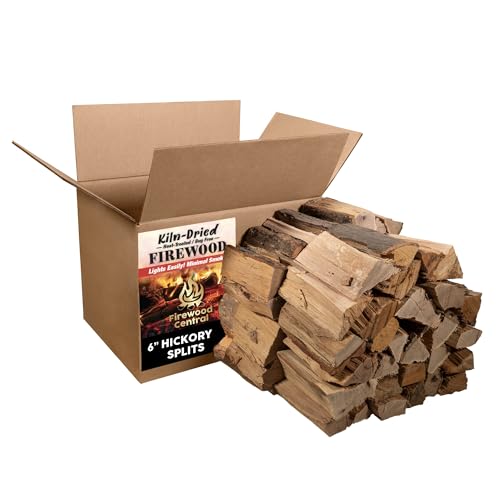
Hickory belongs on the short list for high-heat firewood. It is a dense hardwood with long-lasting coals, low smoke when properly seasoned, and a smell many people like in a fireplace or cookstove. The tradeoff is plain, it is difficult to split, and it needs patient drying before it burns cleanly.
That makes hickory a fit for buyers who care more about heat retention and overnight burn quality than easy handling. If your storage space is tight, your splitting tools are light, or you need wood to burn soon after delivery, oak, ash, or black locust may be a better purchase.
A common first-timer mistake is to buy hickory because it sounds premium, then stack it and try to burn it the next fall. Dense hardwoods do not forgive rushed seasoning. They can still look dry on the outside while holding too much moisture inside.
How much heat does hickory give off?
Seasoned hickory is commonly listed around 28 million BTU per cord, with one source at 28.5 million BTUs per cord. Fire and Saw lists shagbark hickory at 27.7 million BTUs per cord, and bitternut hickory is lower at 26.5 million BTUs per cord. That puts hickory in the premium hardwood tier for heat.
For stove users, the practical advantage is not only peak heat. Hickory holds enough energy to support a strong burn cycle and leave a useful bed of coals for reloads. That matters in overnight burns, where a thinner coal bed can force more kindling and less stable restart conditions.
Compared with oak, hickory sits in the same general neighborhood for useful heat, though exact cord ratings vary by species and source. Ash usually lights easier and seasons faster, but it is often chosen for convenience rather than maximum density. Black locust is also high heat and coal-heavy, so hickory should be judged against it on handling and supply, not just BTU numbers.
Hickory decision matrix
This matrix compares the main firewood choices readers usually weigh against hickory. The numbers and labels below are meant to help with a buying decision, not to create a single ranking for every stove or fireplace.
| Wood | Heat | Coaling | Split difficulty | Seasoning time | Smoke risk | Best use case |
|---|---|---|---|---|---|---|
| Hickory | About 27.7 to 28.5 million BTU per cord | Excellent, long-lasting coals | Difficult | Minimum 12 months; better near 20% moisture content | Low when seasoned; higher when green or partly seasoned | Long burns, overnight reloads, aroma matters |
| Oak | High, usually close to hickory in practical use | Very good | Moderate to hard, depending on species | Usually long; often a year or more | Low when seasoned | General high-heat heating wood |
| Ash | High, but usually easier to handle for the same heat class | Good | Moderate to easy | Usually faster than hickory | Low when seasoned | Faster seasoning, easier processing |
| Black locust | Very high | Very good | Moderate to hard | Often lengthy; drying still matters | Low when seasoned | Maximum heat, compact storage, long coal bed |
Seasoning checklist
| Checkpoint | What to look for | Pass signal |
|---|---|---|
| Drying time | Has the wood had at least 12 months of air drying? | Yes, with full exposure to sun and moving air |
| Moisture level | Use a moisture meter on a fresh split face | About 20% moisture content or lower |
| Split face | Freshly split center should not feel cool and damp | Dry, lighter-feeling inner wood |
| Bark and ends | Look for loose bark, checks, and end cracks | Visible drying signs across the round |
| Burn behavior | Kindling lights cleanly without heavy steam or lingering white smoke | Quick ignition and steady flame |
| Storage condition | Stacked off the ground with air gaps | Covered top, open sides |
Suppose you have a stack of split hickory that has sat through one summer but still reads above about 25% moisture on a meter. It may light, but if hickory is above about 25% moisture, it can behave like half-dry fuel, with more smoke, less heat, and a dirtier flue than a properly seasoned load.
How long does hickory take to season?
Hickory should be given at least 12 months to season, and some sources repeat that same drying window. Better results come when the wood is near 20% moisture content before you burn it. Calendar time helps, but moisture content is the real test.
That matters because dense hardwoods dry from the outside inward. A round that looks pale and cracked can still hold enough water to smolder. If you split hickory before stacking, you expose more surface area and usually speed the drying process.
Signs hickory is ready to burn
- A moisture meter reads about 20% or lower on a fresh split face.
- End checks are visible, and the wood feels lighter than green stock.
- The split face is dry, not cool or tacky.
- When burned, the wood lights without long steaming or lazy yellow smoke.
Does hickory smoke a lot?
Seasoned hickory can burn with low smoke, but green or partly seasoned hickory smokes more and burns less efficiently. That difference matters. The same species can act like clean-burning hardwood or a smoky problem, depending on moisture content and how much airflow the stove or fireplace has.
Creosote risk is lower with low-sap hardwoods than with resinous softwoods, but it does not disappear. Unseasoned wood, mixed loads with damp pieces, and repeated smoldering all increase chimney buildup. A flue that sees a lot of cool, smoky fires can still collect deposits even when the fuel is hardwood.
For low-smoke burning, feed the fire with fully seasoned splits, keep the fire hot enough for clean combustion, and avoid loading damp wood on top of a weak coal bed. A tight fireplace damper or an air-starved stove setting can make even good hickory smoke more than it should.
Low-smoke burning tips for stoves and fireplaces
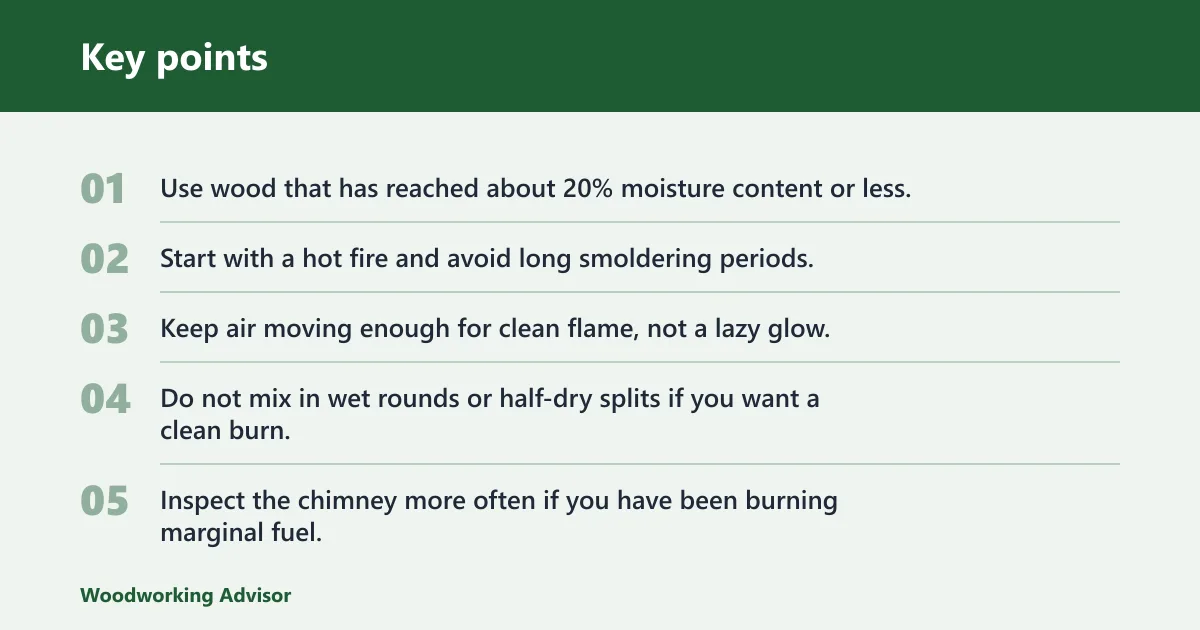
- Use wood that has reached about 20% moisture content or less.
- Start with a hot fire and avoid long smoldering periods.
- Keep air moving enough for clean flame, not a lazy glow.
- Do not mix in wet rounds or half-dry splits if you want a clean burn.
- Inspect the chimney more often if you have been burning marginal fuel.
Is hickory hard to split?
Yes. Hickory is difficult to split because it is dense and often tough-grained. Backyard Boss describes hickory splitting difficulty as difficult, and Timber Gadgets says the same. That means the labor cost is part of the firewood value equation, not a minor side note.
Species matters in practice. Shagbark hickory is often the best-known firewood species, but the split behavior of hickory can vary from one type to another and from one log to another. Straight grain splits more cleanly than knotty or twisted wood, while smaller rounds are easier to handle than wide, heavy stems.
Split before stacking if you can. Smaller pieces dry faster, fit stoves better, and reduce the chance that a large round will sit wet through the center for another full season.
Tools that make the job easier
- A log splitter is often the best choice for larger hickory rounds.
- A heavy-duty axe or maul can handle smaller, straighter pieces.
- Steel wedges help when grain is stubborn or the round has knots.
- Stable splitting blocks reduce bounce and awkward swings.
Can you burn hickory indoors?
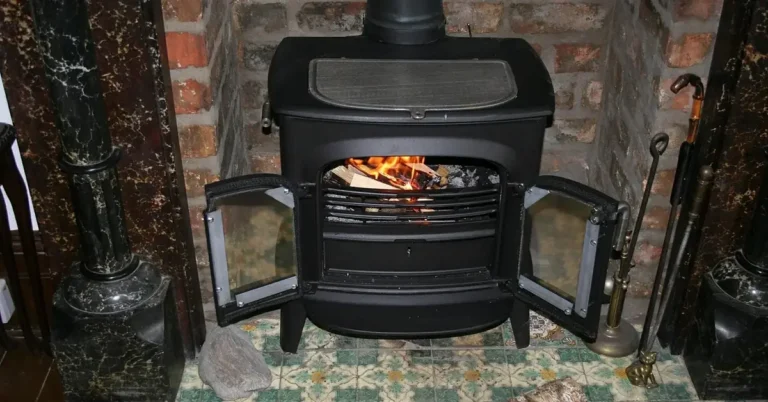
Yes, hickory works in fireplaces and wood stoves when it is fully seasoned. It is a good indoor fuel because it burns hot, gives a long coal bed, and produces a pleasant aroma when the fire is running cleanly. The key condition is dry fuel and enough draft for complete combustion.
Do not treat partly seasoned hickory as acceptable indoor fuel just because the species is desirable. In a fireplace, damp hickory can give off more smoke than the room can handle. In a stove, underseasoned splits can slow the fire, dirty the glass, and leave more residue in the chimney.
Picture a small stove with an overnight reload. If you load one or two damp hickory splits onto a weak coal bed, the fire may spend an hour steaming instead of heating. Dry hickory does the opposite: it lights more readily, throws stronger heat, and leaves coals that help the next reload catch.
When to avoid burning partially seasoned hickory
- When the wood has not reached at least 12 months of air drying.
- When a moisture meter still reads well above 20%.
- When your chimney already shows heavy buildup or your draft is weak.
- When you need a quick, clean indoor fire with minimal smoke.
Frequently asked questions
Is hickory good firewood?
Yes. Hickory is strong firewood when you want high heat, long coals, and a pleasant smell. It is less attractive if you need easy splitting or fast drying. The best results come from seasoned wood that is dry enough to burn cleanly, not from green or partly seasoned pieces.
How many BTUs does hickory firewood produce?
Hickory is commonly rated at 28 million BTU per cord, and one source lists 28.5 million BTUs per cord. Fire and Saw lists shagbark hickory at 27.7 million BTUs per cord, while bitternut hickory is lower at 26.5 million BTUs per cord. Exact numbers vary by species.
Does hickory smoke a lot when burned?
Seasoned hickory is described as low smoke, but green or partly seasoned hickory smokes much more. The difference is moisture, not species alone. If you want clean burning, use dry splits and keep enough air moving through the stove or fireplace for a hot, active flame.
Does hickory make good coals?
Yes. Hickory is known for excellent quality coals, which is one reason it works well for long burns and reloads. Those coals help keep a stove warm through the night and make restart easier. In a fireplace, they also help maintain heat after the bright flame stage ends.
Sponsored / affiliate links. As an Amazon Associate I earn from qualifying purchases. I may earn additional commission from eligible campaigns.