Oak Lumber Grade Chart Explained
For oak lumber, FAS gives the most clear cuttings, Select gives slightly fewer, and Common grades trade clear area for lower cost; for visible furniture parts, start with FAS or Select, and use Common only when you can nest small parts. Picking a grade that is too low can leave you with scrap after defect removal, extra glue-ups, and weak-looking exposed parts. This guide explains the oak lumber grade chart, what defects each grade allows, and which grade fits furniture, cabinetry, and trim.
What oak lumber grades mean


Oak lumber grades measure yield, not strength. The NHLA hardwood grading system is commonly used for domestic hardwoods such as oak and ranks boards by how much clear wood can be cut from them, while softwood structural grading is generally focused on load-bearing use in framing.
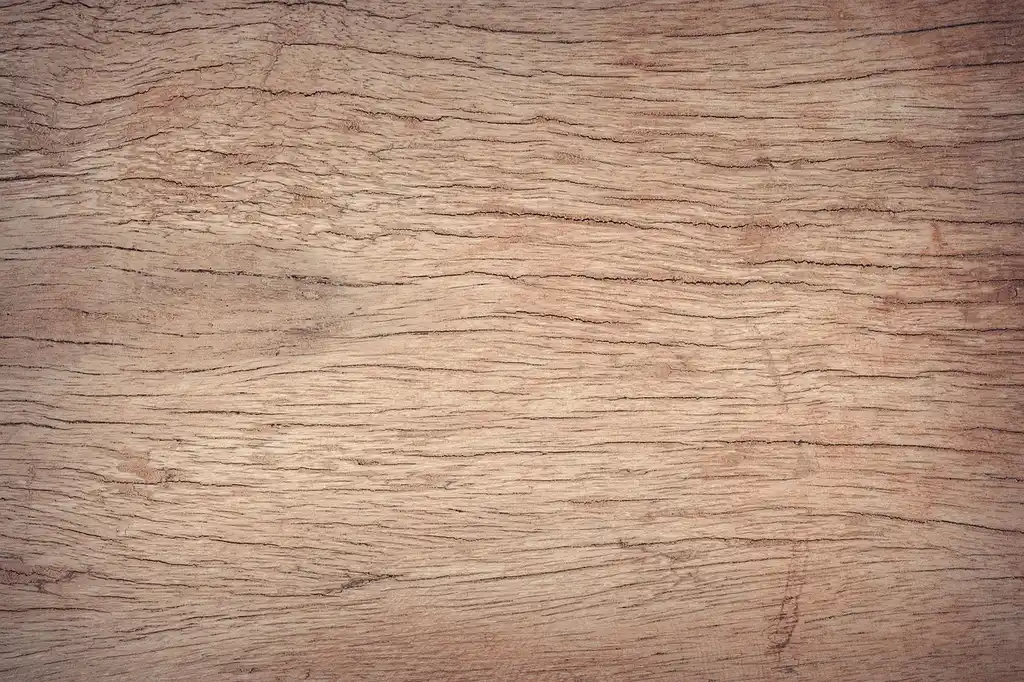
That difference matters. A board can be structurally sound and still be a poor choice for a cabinet door if the face is full of sapwood, checks, or mineral streaks. Hardwood grading tells you how much usable clear area a board should provide after you cut around defects.
In the NHLA system, grades run from FAS to No. 3B Common. For oak buyers, the useful question is simple: how much clear material do you need in the finished part, and how much waste can you tolerate while milling to size?
Why clear cuttings matter more than board appearance alone
A wide board with visible defects can still grade lower than a narrower board with better clear sections. That is why oak grading is built around clear cuttings rather than surface looks alone. The grade tells you the expected yield after you remove defects and trim for your project.
For a tabletop, door stile, or face frame rail, the visible face matters most. For internal rails, stretcher parts, and carcass members, you can accept more defect if the board still gives you the clear length and width needed after cutting.
Where oak grades fit in the NHLA system
FAS is the top hardwood grade. Select, also called FAS One Face, sits just below it in a practical buying sense because one face meets FAS standards while the reverse face meets #1 Common. Below that, #1 Common, #2 Common, and #3 Common give less clear wood and more potential waste.
That ladder matters when you compare boards at the yard. Oak is often sold by grade and by board foot, so the right grade depends on the part size you need, not on the idea that a higher grade is always the best buy.
Oak grade buying matrix
Use this matrix as a buying shortcut. It ties each oak grade to visible-face use, expected waste, and the best-value use case so you can match the board to the cut list instead of paying for yield you will not use.
| Grade | Project type | Visible-face use | Expected waste | Best-value use case |
|---|---|---|---|---|
| FAS | High-end furniture, premium millwork | Excellent for large exposed parts | Lowest waste, though size may exceed smaller parts | Wide doors, tabletops, long matchable members |
| FAS 1-Face / Select | Cabinetry, paneling, face parts | One strong face for exposed surfaces | Moderate waste if the back face is less clean | Visible fronts where one clean face is enough |
| #1 Common | Furniture parts, case parts, trim | Good for smaller visible pieces after cut-up | Moderate waste from defect removal | Stiles, rails, legs, short panels, parts you can nest |
| #2 Common | Rustic or budget work | Limited visible-face use | Higher waste from sapwood and defects | Small parts, painted stock, rustic boards |
| #3 Common | Paint-grade, utility, rough work | Least suited for exposed grain matching | Highest waste, but lowest purchase cost | Hidden members and short cut-around parts |
Board by board, the buying rule is straightforward. If you need a large clean surface, pay for higher grade. If your cut list breaks into short, narrow parts, lower grade can return more usable pieces per dollar.
Say your oak cabinet door needs two 3-inch-wide stiles and two 20-inch rails. A #1 Common board can be a smart buy if the clear sections are long enough to nest those parts around defects. Paying for FAS may buy more clear area than the door can use.
FAS and Select explained
FAS stands for Firsts and Seconds, and it is the highest hardwood grade. FAS lumber must be at least 6 inches wide and 8 feet long, and it requires at least 83.3 percent clear cuttings. That is why it is favored for high-end furniture and millwork.
Select, also called FAS One Face, is a cost-saving option for visible work. Select lumber needs only one FAS-quality face, so it can reduce cost when the exposed side matters more than the back side or the hidden edge.
Choose FAS when the part must be broad, clean, and visually consistent after machining. Tabletops, large drawer fronts, and long trim runs often benefit because you need fewer seams and less defect removal. The larger clear area can also reduce glue lines.
That said, FAS is not always the best value. If the project will turn into narrow parts, you may pay for clear area that gets cut away. Lower grades can be a better yield choice when the cut list is small and the defects fall outside the final part dimensions.
When Select beats paying for all-FAS stock
Select is often a better buy for cabinet sides, paneling, and face parts where one side will be exposed and the reverse side will be hidden. You get a clean viewing face without paying for two perfect surfaces.
For many oak projects, that is the middle path. It saves money while keeping the visible face clean enough for finishing. It also gives you more boards to choose from than waiting for perfect FAS stock in every dimension.
How #1 Common and #2 Common compare
#1 Common and #2 Common are where many oak buyers find the best value for cut-up work. #1 Common yields 66.7 percent clear cuttings and boards must be at least 3 inches wide and 4 feet long. #2 Common allows 50 percent clear cuttings and usually carries more sapwood and defects.
The practical difference is yield. #1 Common often gives you enough clean stock for furniture parts after you cut around knots, checks, and color change. #2 Common can still work, but you need smaller parts, more layout discipline, and more tolerance for waste.
What defects matter most in oak
In oak, sapwood is often the first defect to watch because it can stand out strongly beside the darker heartwood. Mineral streaks can also affect appearance, especially on visible faces where grain match matters. Checking at the ends or along the face can shorten usable length fast.
Those defects do not make a board useless. They change how you use it. A board with a bad edge can still yield a clean center strip, and a checked end can still provide a shorter part if you trim past the damage.
When #1 Common is the better buy
#1 Common often wins when your parts are shorter than the board and narrow enough to fit around defects. It is a strong value for legs, rails, face frame stock, and many cabinet parts. You can cut away the defect and keep the clear center sections.
For a 30-inch shelf rail or a 24-inch door rail, a full FAS board may not recover its extra cost. A good #1 Common board can give the same finished parts with less money tied up in unused clear area.
When #3 Common makes sense
#3 Common is often among the more affordable hardwood grades mentioned in this guide. It gives about one-third clear cuttings, so expect the most character, the most defects, and the least clean yield. That can still be a sensible choice for paint-grade or utility work.
It is also useful for very small parts. If the final pieces are short, narrow, and hidden after assembly, the lower grade can still produce enough usable stock to keep the project moving.
Paint-grade and utility uses
#3 Common makes sense when the final surface will be painted or concealed. A face frame behind doors, utility shelving, shop fixtures, or subparts inside a larger assembly can all accept more defect if the paint or placement hides it.
It can also work for rustic builds where the goal is character rather than uniform grain. Even then, the board still needs to be sound enough to machine without breaking down at the checking or split areas.
Oak board foot and moisture guide

Hardwoods are sold by the board foot. The calculation uses thickness times width times length divided by 12. That pricing unit helps you compare grades and species on the same basis before you decide whether a higher grade is worth the added cost.
Moisture content matters just as much. Kiln-dried lumber is dried to 6 to 8 percent moisture content, and air-dried lumber reaches 12 to 15 percent. For indoor furniture and cabinetry, that difference affects movement, milling waste, and the chance that a board changes shape after you buy it.
How moisture content affects waste and stability
Wetter oak often moves more after milling, which can turn an otherwise good board into extra waste. If you machine a board before it is suited to indoor use, you may lose more material to later movement, twist, or cup. That is a grading issue only in a practical sense, but it changes your yield.
For furniture and cabinet work, kiln-dried stock is usually the safer starting point. It gives you a better chance that the parts stay close to final size after acclimation and machining. Air-dried stock may still work, but it needs more caution and more time to settle.
Picture a shop buying rough oak for a bathroom vanity. A board graded high but carrying excess moisture may still twist after milling, which adds planing loss and can ruin the clean face you paid for. A slightly lower grade that is properly dried may be the better finished result.
- List the final parts and their sizes before you buy.
- Decide which faces will be visible after assembly.
- Choose FAS for large exposed parts that need long clear cuttings.
- Choose Select when one clean face is enough.
- Choose #1 Common when you can cut around defects and nest smaller parts.
- Use #2 Common or #3 Common for rustic, paint-grade, or utility work where character and lower cost matter more than long clear faces.
- Check moisture content before you commit to indoor furniture or cabinetry stock.
How to choose the right grade
The right oak grade depends on part size, visible faces, and waste tolerance. For furniture parts and cabinet faces, higher grade reduces layout risk and sanding time. For trim, panels, and rustic builds, lower grade can be the better value if you can cut around defects.
Do not pay for clear area you will cut away. Do not buy lower grade for a large exposed panel unless you are comfortable with patches, seams, or extra sorting. The best grade is the one that matches the cut list with the least waste.
Furniture parts
For furniture parts, start with FAS or Select when the part is broad, highly visible, or matched across multiple boards. For smaller furniture parts, #1 Common is often enough. It can supply legs, rails, stretchers, and short panels without forcing you to buy more clear wood than the project needs.
Cabinet doors and face frames
Cabinet doors often work well with Select or #1 Common, depending on whether the design leaves one face highly visible or requires large uninterrupted surfaces. Face frames are usually a good place for #1 Common because you can cut long narrow rails and stiles around defects.
Trim, panels, and rustic builds
Trim often rewards higher grades because long runs show color and grain changes. Paneling can go either way, depending on whether you want a consistent look or a more varied one. Rustic builds are the easiest place to use #2 Common or #3 Common because the design can absorb more character.
A common first-timer mistake is buying FAS for a project made of 1 1/2-inch-wide rails and short stiles. If the cut list is small, that premium clear area often ends up as offcuts. A lower grade may return the same finished parts at better yield.
Frequently asked questions
How is lumber graded?
Hardwood lumber is graded by usable clear cuttings, not by strength. The NHLA hardwood grading system measures how much defect-free material you can obtain from a board, with grades running from FAS to No. 3B Common. Softwood structural grades follow a different system for load-bearing use.
What are the grades of lumber?
For domestic hardwoods like oak, the common grades in this guide are FAS, Select, #1 Common, #2 Common, and #3 Common. FAS is the top grade, while #3 Common is the lowest common hardwood grade mentioned here. Each step down gives less clear wood and usually lower cost.
What is lumber grading?
Lumber grading is the process of sorting boards by quality and expected yield. In hardwoods, that means judging how much clear wood remains after defects are counted. The result helps you compare price to usable area, which is especially useful when you are buying oak for furniture or cabinetry.
What is the difference between #1 Common and #2 Common oak?
#1 Common oak offers 66.7 percent clear cuttings and must be at least 3 inches wide and 4 feet long. #2 Common allows 50 percent clear cuttings and usually includes more sapwood and defects. #1 Common is often better for furniture parts; #2 Common is better for rustic or budget work.
What does FAS mean in hardwood lumber?
FAS stands for Firsts and Seconds. It is the top hardwood grade and requires boards to be at least 6 inches wide and 8 feet long, with at least 83.3 percent clear cuttings. It is commonly used for high-end furniture and millwork where large clean areas matter.
What is the best grade of oak lumber for furniture?
There is no single best grade for every furniture project. FAS is the best choice for large visible parts and premium work. Select and #1 Common often give better value for smaller parts, because they can provide enough clear wood without paying for unused yield.
Sponsored / affiliate links. As an Amazon Associate I earn from qualifying purchases. I may earn additional commission from eligible campaigns.