Oak Species Identification Chart by Leaf Shape
Identify oak species from leaves by sorting the lobe tips first, then the sinuses: rounded tips usually mean white oak group, bristle-tipped lobes usually mean red oak group. Miss that split and you can mislabel lumber, tree care, and leaf samples. This chart shows how to separate the groups by leaf shape, then handle wide leaves, narrow leaves, damaged samples, juveniles, and hybrids.
How do you identify oak leaves fast?
Check leaf arrangement and leaf type first
Oak leaves are alternate and simple on the twig, not compound. That quick check keeps you from confusing an oak with a compound-leaved tree such as hickory or ash. Once you know the leaf is a single blade attached one at a time along the twig, move to the lobe tips.
Use lobe shape before you reach for bark or acorns
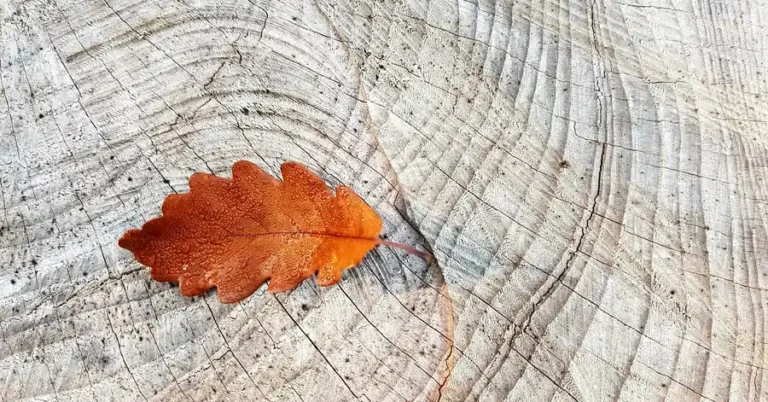
Rounded lobes point you toward the white oak group. Bristle-tipped lobes point you toward the red oak group. Bark can help later, and acorns can confirm the call, but leaf shape is the faster first pass when the tree is in leaf.
What to do with damaged or partial leaves
With torn, chewed, or clipped leaves, use the surviving lobe tips and the spacing between sinuses. If the blade is missing its outer half, a midrib fragment can still suggest the group. If only a small piece remains, treat the result as provisional and wait for a better leaf, twig, or acorn.
White oak or red oak?
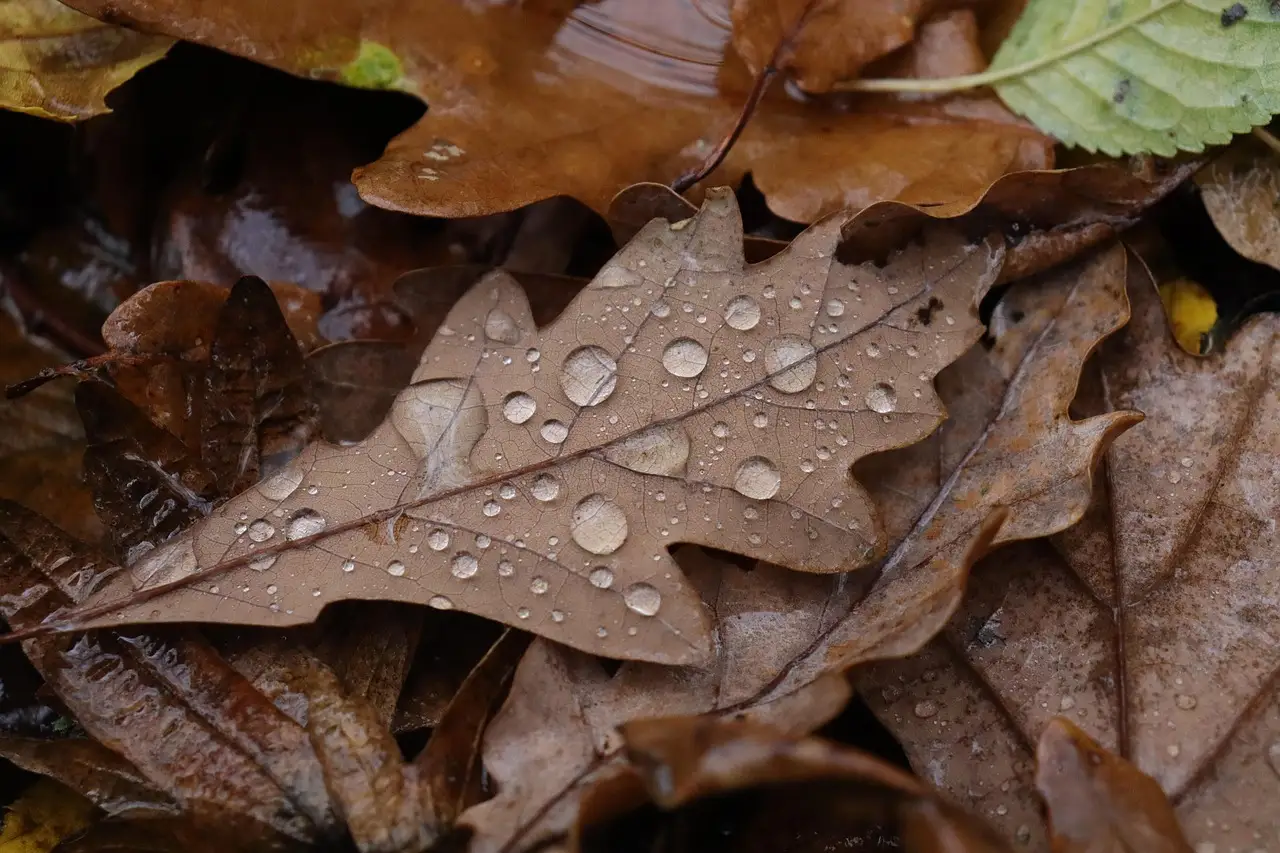
White oak leaves usually have rounded lobes and no bristle tips. Red oak leaves usually have pointed lobes with bristles at the ends. That group split matters because it also tracks acorn timing: white oak group acorns mature in one season, while red oak group acorns take two seasons to mature.
Rounded lobes and no bristle tips
The white oak group includes white oak, bur oak, chestnut oak, swamp white oak, and live oak. Their leaves often look softer at the margins, even when the lobes are shallow or irregular. Bur oak can look surprisingly variable, and chestnut oak may seem almost toothed rather than deeply lobed.
Pointed lobes and bristle tips
The red oak group includes red oak, pin oak, scarlet oak, black oak, and willow oak. The lobes usually end in a point with a tiny bristle. Willow oak is the odd-looking member here because its leaf is narrow and straplike, but it still belongs with the red oaks.
Why acorn maturity helps confirm the group
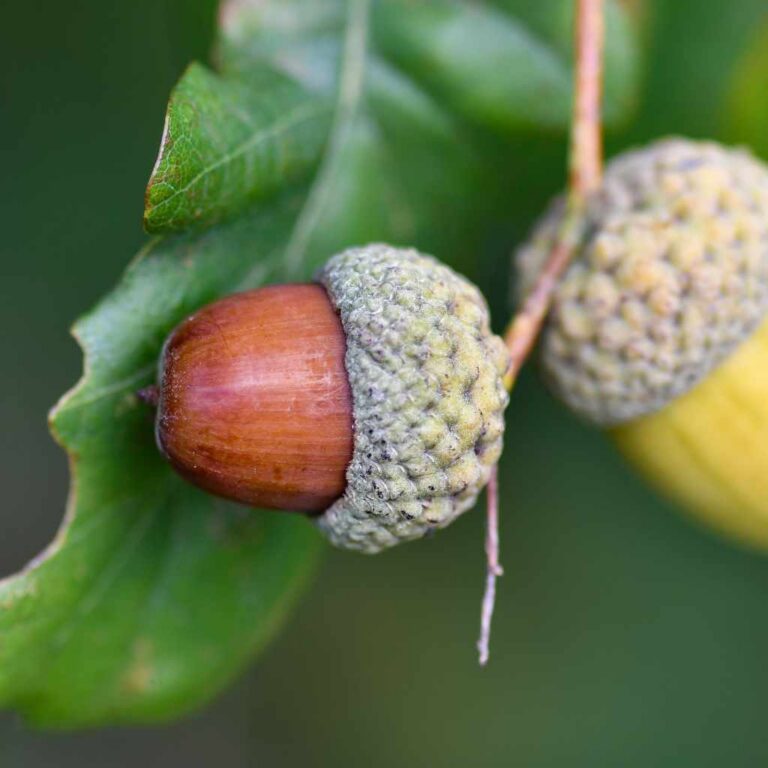
Acorns are a confirming clue, not the first clue. If you have a tree in fruit, white oak group acorns mature in one season. Red oak group acorns need two seasons. That difference is useful when the leaf is messy, but it will not help with a leaf-only sample in midsummer.
What order should you use?
Use a fixed order so you do not chase the wrong trait. Start with lobe tip, then judge sinus depth, then check overall leaf width and shape. That sequence works better than flipping between bark, acorns, and leaf color, especially when the tree is young or the fallen leaf is worn.
Start with lobe tip
Ask first: rounded or bristle-tipped? That single step usually splits the oak into white oak group or red oak group. It is the fastest filter and the one most likely to stay visible on a partial leaf.
Use sinus depth second
Sinuses are the cuts between the lobes. Deep sinuses matter when you are sorting pin oak, scarlet oak, and some red oak types from broader, shallower-lobed leaves. Shallow sinuses can also appear on white oak leaves, so do not overread this one trait alone.
Finish with leaf width and overall shape
Width and silhouette help finish the job. Bur oak is broad and variable. Chestnut oak tends toward a thicker, heavier look with shallow tooth-like lobes. Willow oak is narrow and lance-shaped, which is why it gets mistaken for a non-oak so often.
Say your leaf has rounded lobes, a broad blade, and a pale underside. That points toward swamp white oak or white oak before you even look for acorns. Suppose the same leaf is narrow, glossy, and tapered at both ends. Then willow oak becomes a stronger candidate than any broad-leaved oak.
Oak leaf ID chart
This matrix covers 13 oak species and gives you a practical leaf-first path. It includes lobe tip, sinus depth, leaf width and length pattern, underside color, and the two most likely lookalikes. Use it as a sorting tool, not a final verdict.

What the matrix includes
The details below are chosen for field work: what you can see on a leaf in the hand or on the ground. The chart also notes where a trait is unreliable, such as on young shoots or damaged leaves. For woodworkers, the point is to reduce species mismatch before you assume grain, color, or pore structure.
How to read the 13 species rows
Read across each row in the same order every time. If the lobe tip does not fit, stop there and try a different species group. If it does fit, use sinus depth and leaf shape to narrow the match. Do not force a species name onto a leaf that only fits halfway.
| Species | Lobe tip | Sinus depth | Leaf width / length pattern | Underside color | Top two lookalikes |
|---|---|---|---|---|---|
| White oak | Rounded | Moderate to deep | Broad, classic lobed outline | Paler than top, not strongly two-tone | Bur oak; swamp white oak |
| Bur oak | Rounded | Variable, often deep near the middle | Broad, irregularly lobed, often bold and uneven | Paler below | White oak; swamp white oak |
| Chestnut oak | Rounded to shallow tooth-like | Shallow | Thick-looking blade, longer than wide in many leaves | Paler below | White oak; swamp white oak |
| Swamp white oak | Rounded | Shallow to moderate | Broad leaf with a clear upper-lower contrast | Dark green above, almost white below | White oak; bur oak |
| Live oak | Simple, solid, not lobed | None | Evergreen, narrow to oval, leathery | Paler below | Willow oak; non-oaks with simple leaves |
| Red oak | Pointed with bristles | Moderate | Broad, classic red oak form | Paler below | Scarlet oak; black oak |
| Pin oak | Pointed with bristles | Deep | Large leaf, sharply cut, often with a narrow middle | Green above, paler below | Red oak; scarlet oak |
| Scarlet oak | Pointed with bristles | Deep to very deep | Narrower than red oak, with deep cuts | Paler below | Pin oak; black oak |
| Black oak | Pointed with bristles | Deep | Broad leaf; 5-7 bristle-tipped lobes, 5-10 inches long, 3-8 inches wide | Pale to fuzzy beneath on many leaves | Red oak; scarlet oak |
| Willow oak | Pointed with bristles at the ends of narrow lobes or teeth | Very shallow or nearly absent | Narrow, lance-shaped, tapered ends | Paler below | Live oak; narrow non-oak leaves |
| Post oak | Rounded | Shallow to moderate | Cross-shaped tendency in some leaves, broad and stiff | Paler below | White oak; chestnut oak |
| Water oak | Rounded to weakly pointed | Shallow | Small to medium leaf, variable outline | Paler below | Pin oak; red oak |
| Northern red oak | Pointed with bristles | Moderate to deep | Broad leaf with symmetrical look | Paler below | Red oak; black oak |
How to use lookalikes without overcalling a match
If a leaf has one strong match and one weak match, stop short of a firm species name. For example, a broad rounded leaf may fit white oak and bur oak at the same time. A narrow red-oak leaf may sit between scarlet oak and pin oak until you see the tree, the twig, or the fruit.
Which oak leaves look most alike?
The hardest pairs are often the ones that share the same group traits. Pin oak and red oak can look close, bur oak and white oak can blend together, and willow oak can fool you into thinking it is not an oak at all. Use the leaf-first order before you compare bark or fruit.
Pin oak versus red oak
Pin oak is usually the more deeply cut leaf, with a sharper, slimmer look. Red oak is broad and classic in outline. Pin oak also deserves special attention because it is a fast-growing shade tree and can show chlorosis if the soil pH is wrong. Correcting soil pH or injecting iron can reverse pin oak chlorosis.
Bur oak versus white oak
Bur oak is a white oak group member, but its leaves can be more variable than white oak leaves. The best field clue is not the leaf alone. Bur oak also has the largest acorns of any North American oak species, with a mossy, fringed cup that is hard to miss once you see it.
Willow oak versus non-oaks
Willow oak is the odd one out in a lot of yard plantings. Its narrow, lance-shaped leaves and tapered ends can make it look more like a willow than an oak. If the leaf is simple and alternate and the tree later shows acorns, the oak ID becomes much stronger.
When does leaf shape lie?
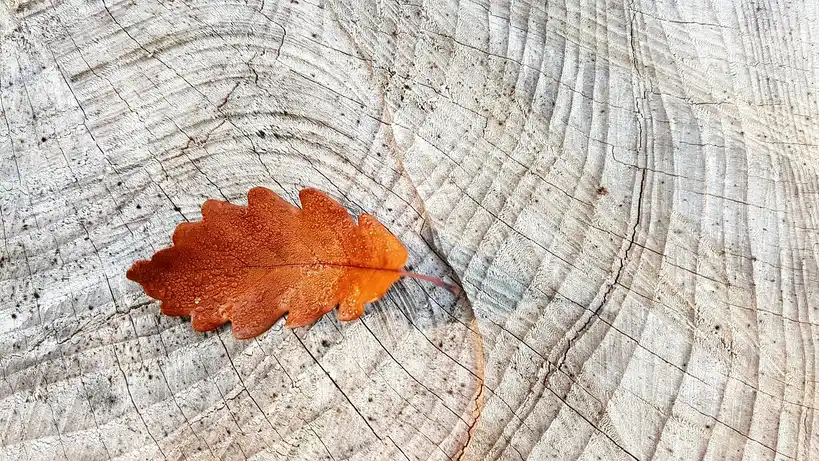
Leaf shape becomes less reliable on young leaves, shade-grown leaves, drought-stressed leaves, hybrid-looking trees, and fallen fragments. In those cases, keep the group call tentative and add twig, acorn, bark, and site clues. A leaf can still point you in the right direction, but it may not close the case on its own.
Young leaves and juvenile shoots
Young leaves can be narrower, less divided, or oddly shaped compared with mature foliage. Juvenile shoots may also carry a leaf form that shifts as the tree matures. That is why a small tree in a fence line can look different from the same species in full sun.
Shade-grown leaves and drought-stressed leaves
Shade-grown leaves often stretch wider or thinner than expected, while drought stress can shrink the blade and sharpen the overall look. Those shifts can blur the difference between a broad red oak leaf and a narrower one. If the tree sits in a dry parking island or deep shade, expect more variation.
Hybrid-looking leaves and fallen leaf fragments
Hybrid-looking leaves can split the difference between two species and still belong to one parent tree. Fallen leaf fragments are even less dependable because the tip, margin, or sinus may be missing. In both cases, treat the leaf as a clue, not a final answer.
A common first-timer mistake is to identify a shredded leaf from the lawn as a complete sample. Suppose only the center section is left, with no tip and one side missing. That fragment can still hint at red oak group or white oak group, but it should not decide the species by itself.
Common species at a glance
For homeowners, gardeners, and woodworkers, the main goal is not a perfect name from one leaf. It is a better prediction of the tree you are dealing with. Species-level mistakes matter because they change expectations for growth habit, fall color, and the look of the wood once it is milled.
White oak group species
White oak group species in this guide are white oak, bur oak, chestnut oak, swamp white oak, and live oak. Their leaves trend toward rounded lobes or, in live oak’s case, a solid simple blade. Their acorns mature in one season, and the wood is commonly associated with a calmer, more even look in finished work.
Red oak group species
Red oak group species in this guide are red oak, pin oak, scarlet oak, black oak, willow oak, water oak, and northern red oak. Their leaves usually show bristle-tipped lobes or a narrow tapered form. Pin oak leaves are large and turn red and bronze before dropping, which makes autumn ID easier on healthy trees.
Field clues that matter most for each species
White oak group leaves usually tell you the group first, then the species. Bur oak needs the acorn clue when possible. Swamp white oak is often described as having dark green leaves above and paler undersides, and its acorns are commonly said to sit on long stalks. Chestnut oak is easier once you notice its thick bark and shallow tooth-like lobes.
Black oak is one of the clearest red oak group members once you know what to look for. Its leaves have bristle-tipped lobes, and the bark is dark to black. Scratch the outer bark lightly and the inner bark shows yellow-orange. That bark clue should confirm the leaf call, not replace it.
Frequently asked questions
How do I identify oak species by leaf shape?
Start with the lobe tips, then check sinus depth, then judge leaf width and overall outline. Rounded lobes usually point to the white oak group. Bristle-tipped lobes usually point to the red oak group. Use acorns, bark, and twig traits only after the leaf shape gives you a workable first split.
What is the difference between white oak and red oak leaves?
White oak leaves usually have rounded lobes and no bristle tips. Red oak leaves usually have pointed lobes with bristles. That difference is the fastest field clue, and it also lines up with acorn timing: white oak group acorns mature in one season, while red oak group acorns take two seasons.
Which oak leaves have rounded lobes versus bristle tips?
Rounded lobes are the white oak group pattern, seen in white oak, bur oak, chestnut oak, swamp white oak, and live oak’s simple blade as a special case. Bristle tips are the red oak group pattern, seen in red oak, pin oak, scarlet oak, black oak, willow oak, water oak, and northern red oak.
How can I tell pin oak from red oak by the leaves?
Pin oak usually has a more deeply cut leaf with a narrower, sharper look. Red oak is broader and less finely cut. Pin oak leaves are also large, and the tree often turns red and bronze before leaf drop. If the soil pH is wrong, pin oak may show chlorosis, which can help explain a pale canopy.
What oak has a leaf that looks like a willow leaf?
Willow oak is the main answer. Its leaves are narrow, lance-shaped, and tapered at the ends, which makes them look unlike the broad lobed leaves most people expect from an oak. It is still in the red oak group, so the tree can be confirmed later with fruit and twig traits.
Which oak species has the biggest acorns?
Bur oak has the largest acorns of any North American oak species. The acorns also have a mossy, fringed cup that helps separate the tree from other white oak group members. Even so, do not rely on acorns alone if you are working from a leaf-only sample or a winter twig.
Sponsored / affiliate links. As an Amazon Associate I earn from qualifying purchases. I may earn additional commission from eligible campaigns.