Oak and Walnut Trees Guide: How to Identify and Choose
Oak and walnut trees are often easiest to tell apart by their leaves and fruit: oaks have simple lobed leaves and acorns, while walnuts have compound leaves with many leaflets and round husked nuts; for yards, allow a generous buffer from foundations or septic lines. Get that choice wrong and you may plant a tree that overruns the site, drops heavy mast across paths and drives, or shuts down nearby planting for decades. This guide compares field ID, site fit, mature size, wildlife value, lumber potential, and long-term management tradeoffs side by side.
Oak and walnut at a glance
What counts as oak
Oak means Quercus, a genus in the beech family, Fagaceae. Oaks are a genus in the beech family, Fagaceae. Oak has some 475 species worldwide, and most gardeners first sort them into two field groups that matter fast, white oak and red oak.
That split changes leaf shape, acorn timing, bark look, wood use, and site behavior. On the ground, I look for one solid leaf blade with rounded or pointed lobes, then for the acorn, a single nut set in a cap. Oaks are also major wildlife trees; oak supports more than 950 species of caterpillar.
What counts as walnut
Walnut means Juglans. For yard and wood decisions, the two names that matter most are black walnut and English walnut.
Black walnut is the common timber comparison because of its dark heartwood, yard impact, and long-term lumber value. English walnut enters the discussion for home orchards and nut production, but it also brings its own disease and decline concerns.
The quickest trait split
If the tree has one leaf blade with lobes, think oak first. If the tree has one long central stalk carrying many separate leaflets, think walnut.
That one split settles most field calls before bark or fruit enter the picture. Then check fruit, bark, and the growing site instead of hanging the whole ID on one clue.
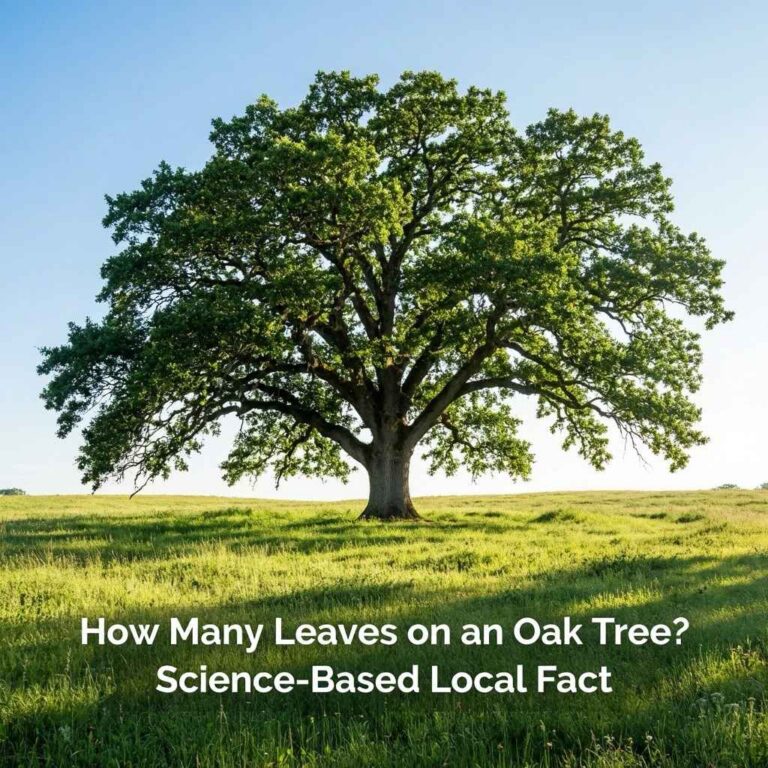
📊 White oak can reach 24 to 30 metres at maturity. Source: Quercus alba.
How do I tell an oak tree from a walnut tree?
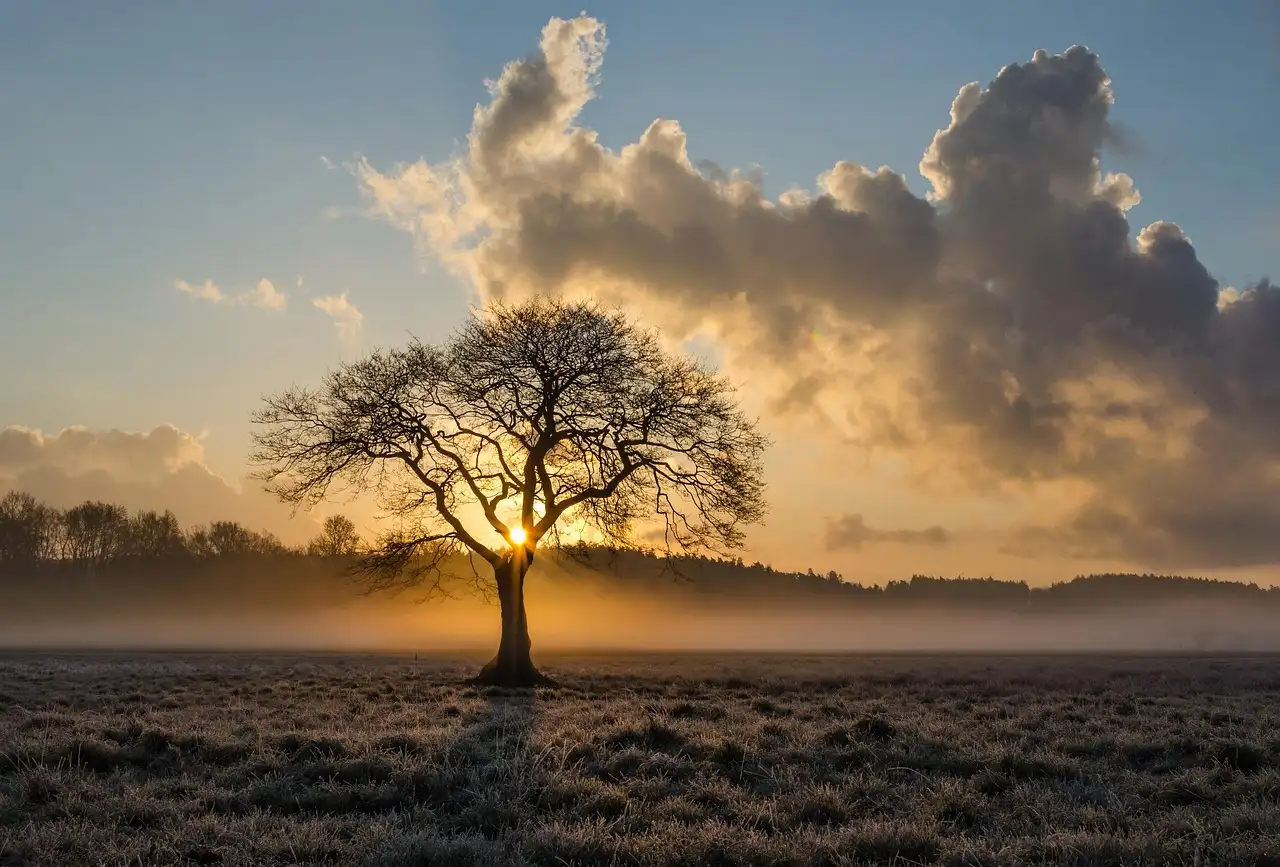
Start with the leaf, then confirm with fruit, bark, and site. Oaks carry simple leaves with lobes and produce acorns with a cup; walnuts carry compound leaves made of multiple leaflets and produce round nuts inside a husk. In winter, bark, branching, and seedlings under the canopy help settle the call.
Start with the leaf
- Pick up one complete leaf with the stem attached, not a ripped section or one loose leaflet.
- Check whether it is one blade or many leaflets on one stalk.
- If it is one blade with lobes, move toward oak.
- If it is many leaflets on one central stem, move toward walnut.
- Then verify with acorns or husked nuts, and check the bark before you decide.
Misidentification often starts with grabbing one walnut leaflet and treating it like a whole leaf. A true walnut leaf is compound. What looks like several narrow leaves is actually one leaf made of many leaflets.
Check the fruit next
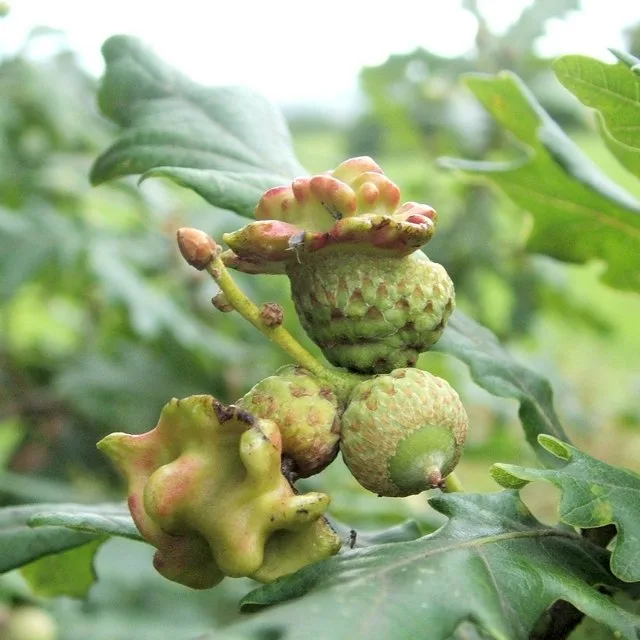
Acorns are direct and distinctive. They have a cap, also called a cupule or cup, and a single seed.
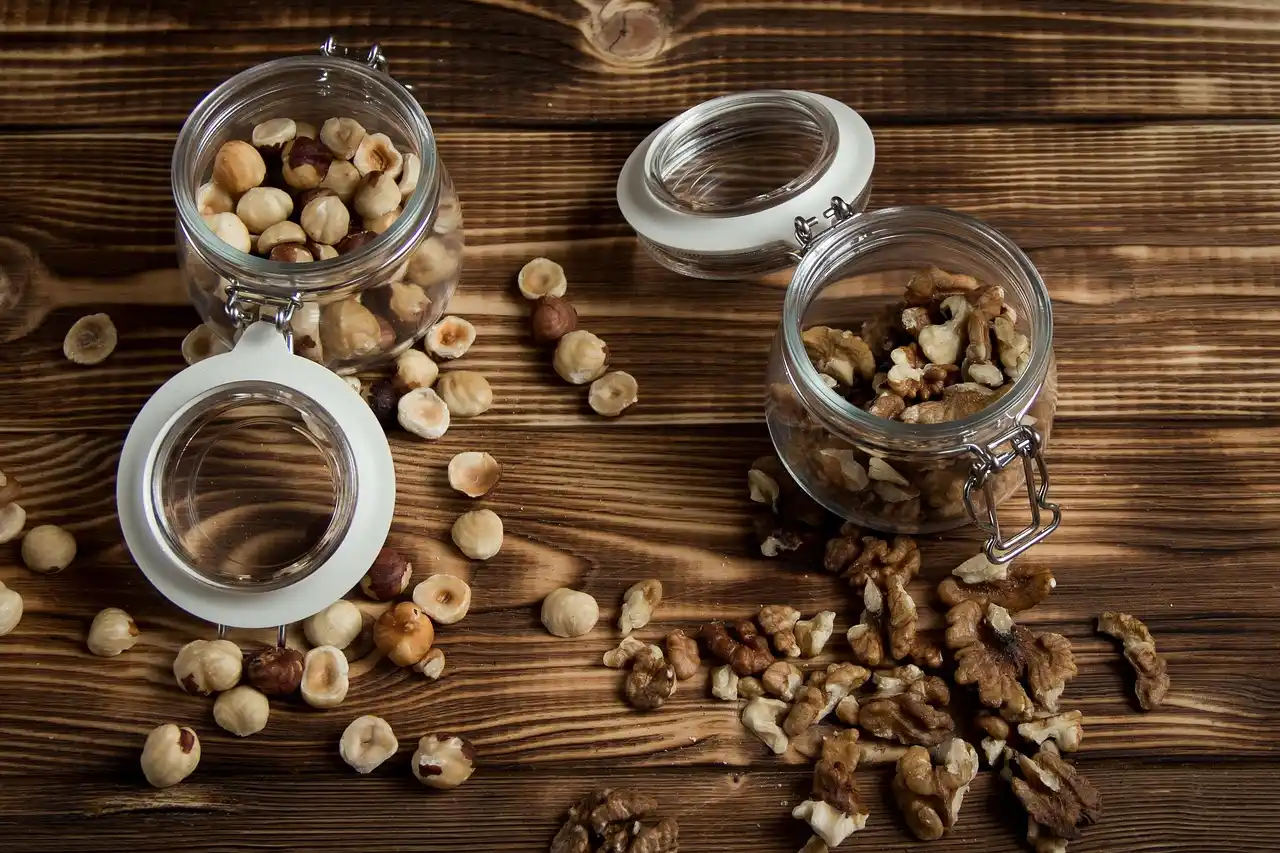
Walnut fruit is bulkier. The outer layer is a green husk, and inside that husk is a hard shell containing the edible kernel. At a glance, acorns look capped; walnuts look husked.
Use bark and branching when leaves or fruit are missing
White oak often shows light gray bark and a broad, heavy branch structure. Red oak tends toward darker bark and more obvious ridging. Those are field cues, not perfect rules.
Walnut bark usually reads as furrowed and darker than white oak, and the crown often feels more open. In winter, the branch spacing on walnut can make the canopy look lighter and less solid than a mature oak crown.
Use site context and nearby seedlings to confirm the call
Under oaks, volunteers usually appear as simple-leaved seedlings. Under black walnut, seedlings often carry that same compound-leaf pattern as the parent tree.
Site also helps. A tree standing alone with sparse underplanting and poor growth from nearby sensitive ornamentals can hint at black walnut because of root-zone chemical effects.
What is the difference between oak and walnut leaves?
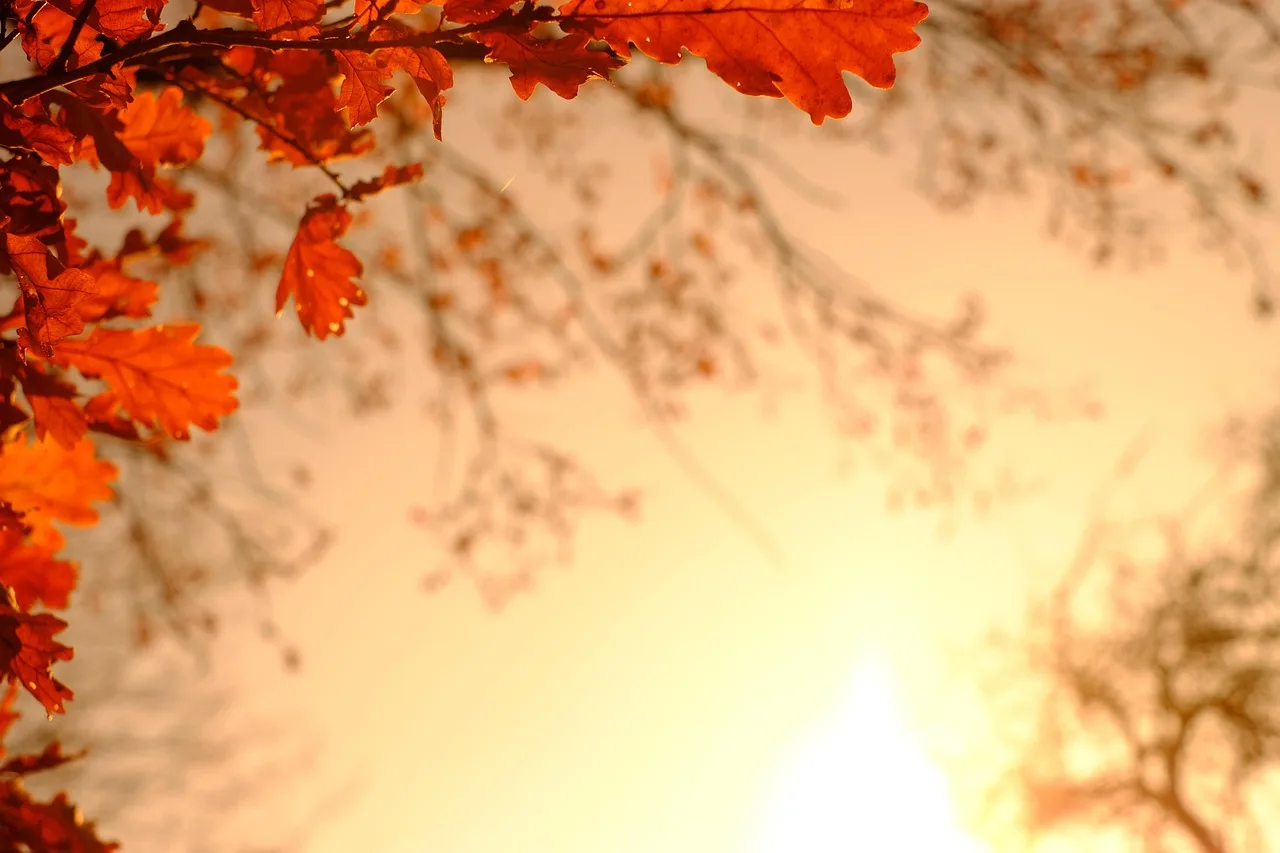
Oak and walnut leaves differ in basic structure before they differ in shape. Oak leaves are simple and usually lobed; walnut leaves are compound, with several leaflets attached to one central stalk. Within oak, white oak shows rounded lobes, while red oak shows pointed lobes with bristle tips.
Oak leaf basics
Oak leaves are one piece. The cuts between lobes are sinuses, and the depth of those cuts can vary a lot by species.
Some oak leaves are broad and shallow-lobed. Others are cut much deeper. Even so, the whole thing remains one leaf blade attached by one petiole.
White oak versus red oak leaves
White oak leaves usually have rounded lobes. Red oak leaves usually have pointed lobes with bristle tips.
That white-oak versus red-oak split is worth learning because it stays useful beyond leaf season. White oak acorns take one season to mature. Red oak acorns take about two seasons to mature. Leaf shape and acorn timing reinforce each other.
Walnut leaf basics
Walnut leaves are compound, so each leaf carries multiple leaflets. On black walnut, the leaf often reads long, feathered, and loose compared with an oak leaf.
Leaflet count can vary by species and vigor, which is why overall form matters more than chasing a perfect count. The key point is structural: one stem, many leaflets, no true oak-style lobes.
Common leaf-season mistakes
The biggest mistake is comparing one walnut leaflet to one whole oak leaf. The second is trying to use color alone, because both can shift a lot by season, drought, and nutrient stress.
Young sucker growth can also throw off shape. When leaves look odd, move to fruit and bark instead of forcing a leaf-only answer.
What do oak acorns and walnut nuts look like?
Oak fruit and walnut fruit separate cleanly once they are in hand. An acorn is a single seed partly enclosed by a cup; a walnut is a round fruit with a green husk outside a hard shell. White oak and red oak acorn timing adds another clue that walnuts do not share.
Acorn structure and timing
An acorn has a cap, or cupule, attached to a single seed. That cap is usually the fastest visual clue on the ground.
Timing matters too. White oak acorns take one season to mature, while red oak acorns take about two seasons to mature. When a tree is carrying developing acorns across seasons, that pushes the call toward the red oak group.
White oak acorns versus red oak acorns
In the field, white oak acorns often pair with rounded-lobe leaves and lighter bark. Red oak acorns pair with pointed, bristle-tipped leaves and darker bark tendencies.
The acorns themselves vary by species, so use the maturity pattern and leaf group rather than trying to memorize every cap shape. I find that faster and more reliable in a yard.
Walnut fruit structure
Walnut fruit starts as a green husked ball. As it matures, the husk darkens and breaks down around a hard inner shell.
That outer husk is the part that makes cleanup messy. It stains hands, hard surfaces, and mower decks. English walnut is grown more for nut production, while black walnut is often what homeowners notice first for wood value and yard impact.
Cleanup, staining, and wildlife use
Acorns are smaller but can arrive in volume. They roll underfoot, fill gutters, and make a hard rattle under mower tires.
Walnuts drop fewer pieces in many yards, but each piece is heavier and more troublesome. Husks stain. Shells can dent mower blades or get kicked out by equipment. For wildlife planting, both matter, though oaks often offer broader food-web value because oak supports more than 950 species of caterpillar.
How big do oak and walnut trees get, and how fast do they grow?
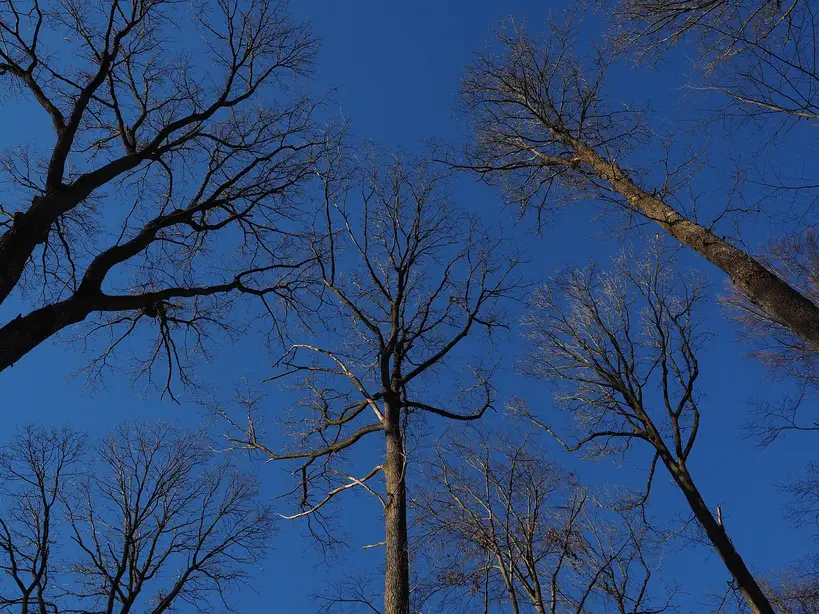
Both trees become large yard trees, but they fill space differently. White oak can reach 24 to 30 metres at maturity, and many oaks build dense, broad crowns over time. Walnuts often feel more open in canopy texture, yet still need major root room, branch clearance, and wide setbacks from hardscape.
Mature height and spread that matter in a yard
White oak can reach 24 to 30 metres at maturity and may live 200 to 300 years. That is a long commitment. Red oaks are also large shade trees in practical yard terms, even when exact size varies by species.
Black walnut also becomes a large tree with a broad crown and strong lateral reach. In small suburban lots, both can outgrow the available root zone long before the trunk looks oversized.
Shade pattern and crown form
Many oaks cast heavier shade, especially once lower branching fills in and the crown widens. That suits summer cooling but can thin out lawn and compress planting options below.
Walnut shade often feels more filtered. It is still real shade, but the bigger issue under black walnut is often root competition and allelopathy rather than darkness alone.
Growth rate by stage
In practical terms, black walnut often puts on visible juvenile growth when planted in deep, fertile soil with enough moisture. Many oaks spend more time building roots and structure first, then settle into steadier long-term growth.
That does not make walnut the automatic better choice. Faster early growth can still be a bad bargain if the site cannot handle future spread, nut drop, or disease pressure.
Root space, pavement conflict, and setback planning
Both trees need room away from foundations, septic fields, and driveways. The opening rule of at least 50 feet is a sensible minimum for planning around structures and buried systems.
Also think above ground. A future crown over a sidewalk means acorns or walnuts where people walk, not just where the trunk stands today.
Which tree is better for my yard, oak or walnut?
For most homeowners, oak is the safer default when the goal is long-term shade and fewer planting conflicts. Walnut becomes the better fit when nut production or future specialty lumber matters more than underplanting flexibility, husk cleanup, or disease exposure. The right answer depends on site size, soil depth, maintenance tolerance, and planting goal.
Best fit for shade with fewer planting restrictions
Oak usually wins the typical yard decision. It still gets big and drops acorns, but it does not bring black walnut’s allelopathy issue.
That matters if the plan includes beds, vegetables, fruit trees, or mixed ornamentals nearby. Oak also gives clearer choices within the genus: white oak for long-term structure and red oak for strong shade and common lumber use.
Best fit for wildlife planting and mast production
Oak is hard to beat for broad wildlife value. Acorns feed many animals, and oak supports more than 950 species of caterpillar.
Walnut still feeds wildlife, but if the goal is a food-web tree rather than a nut tree alone, oak usually brings more ecological return around a home or field edge.
Best fit for future lumber or specialty value
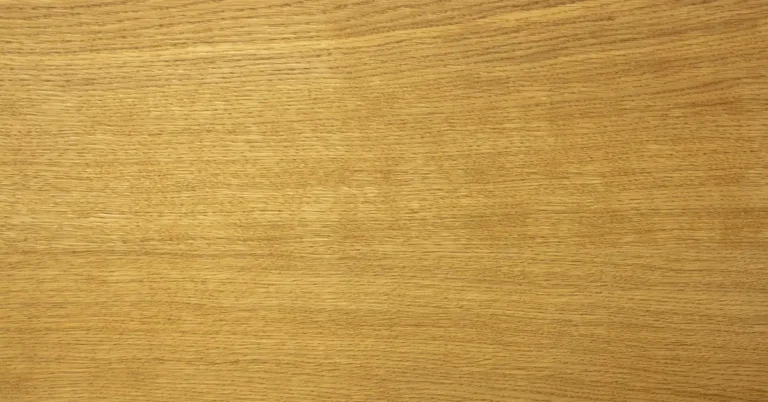
Black walnut is often the better pure value play for fine furniture lumber. Walnut wood starts with a deep chocolate-brown heartwood, and the pale sapwood contrast is part of what buyers notice.
Still, wood value is only part of the decision. A yard tree with metal in the trunk, storm breakage, or poor form may be worth far less than the species name suggests.
When black walnut allelopathy changes the answer
Black walnut may limit what grows well nearby. Sensitive plants may yellow, stall, or fail in the root zone.
That alone rules walnut out for many home yards. If the yard is small, heavily planted, or expected to support vegetables and mixed ornamentals, oak is usually easier to live with.
Soil, moisture, and planting site tradeoffs
Where oaks tend to fit better
Oaks are not one-size-fits-all, but many handle ordinary yard conditions better than walnut does. White oaks often suit well-drained soils and reward patience on stable sites. Red-oak-group trees can be useful where a homeowner wants a large shade tree without the planting limits that black walnut creates.
As a group, oaks often cope better with average suburban planting than walnuts in thin, compacted, or interrupted soils. That does not mean they like abuse. Root disturbance, fill soil, and chronic summer drought still catch up with them.
Where walnuts tend to fit better
Walnuts generally make the most sense on deeper, better soils with decent fertility and moisture. Black walnut especially tends to justify itself where there is true room, decent rooting depth, and a reason to tolerate the nut mess.
English walnut belongs more in a nut-growing frame than a generic shade-tree frame. It is useful in home orchard planning, but site quality and disease pressure matter more than catalog appeal.
Regional planting cautions
Low wet spots are poor choices for both if drainage stays bad. Compacted builder-grade lots push the decision toward the more forgiving oak options, while exposed ridges can stress young trees before roots establish.
In dry years, newly planted trees fail less from species identity than from poor watering, mulch piled against trunks, and turf competition left right up to the bark.
Spacing, transplanting, and early care
Plant small enough stock that the root system can recover fast. Large-caliper trees often look impressive on day one and struggle for years after.
Keep turf back, mulch lightly, and water deeply during establishment. Neither oak nor walnut likes repeated trunk injury from mowers or string trimmers, and that avoidable damage often opens the door to decay later.
Decision table: oak vs walnut for ID, planting, and wood value
| Decision point | Oak | Walnut | Best for |
|---|---|---|---|
| Identification cues | Simple leaves, usually lobed; acorns with a cup; white oak with rounded lobes, red oak with pointed bristle tips | Compound leaves with 9-23 leaflets; round green husked fruit over a hard shell | Fast field ID from leaf structure first |
| Mature size | Large shade tree; white oak can reach 24 to 30 metres at maturity | Large shade tree with broad root needs and substantial crown spread | Large properties, setback-conscious planting |
| Soil preference | Often more adaptable across ordinary yard soils, depending on species group | Usually better on deeper, fertile soils with steadier moisture | Oak for mixed suburban sites; walnut for good farmstead soils |
| Shade pattern | Often denser canopy and heavier summer shade | Often more open canopy feel, but stronger underplanting limits from black walnut roots | Oak for shade; walnut for lighter crown where room exists |
| Cleanup load | Acorns can be heavy in mast years but are smaller and easier to rake or mow around | Husked nuts are heavier, stain, and create more mower trouble | Oak for lower-friction yard cleanup |
| Disease risk | Root damage, drought stress, decay, and decline patterns matter most in yards | Thousand canker disease risk, plus decline issues in stressed or orchard settings | Oak where long-term stability matters more than specialty value |
| Wood value | Ring-porous hardwood; white oak used for furniture and barrels; red oak common in flooring and interior work | Semi-ring-porous; dark heartwood and pale sapwood; black walnut often brings higher value | Walnut for future specialty lumber; oak for dependable general-use timber |
| Best-for recommendation | Homeowners, wildlife planting, broad shade goals | Future lumber, nut interest, large sites that can handle allelopathy and cleanup | Choose oak for most yards; choose walnut for targeted goals |
Selecting the right oak species for furniture projects
Choosing between white, red, or quarter-sawn oak changes your project’s durability and cost. White oak offers superior strength and dent resistance, making it ideal for tabletops and doors, while red oak is more affordable and easier to finish for general cabinetry. Quarter-sawn white oak adds a premium grain pattern and tighter movement control for high-end pieces.
To help you match specific projects to the best lumber grade, our guide compares oak species by movement, grain visibility, and finish behavior. oak species comparison details when the extra cost of quarter-sawn is justified and how to avoid common finishing errors like blotching or visible movement cracks.
Are oak and walnut trees good for lumber?
Yes, both can produce useful lumber, but they pay off in different ways. Oak is a ring-porous hardwood valued for strength, grain, and common utility, while walnut is semi-ring-porous and valued for dark heartwood, contrast, and furniture appeal. For a planted tree, usable lumber depends as much on site, form, and defects as species.
Oak wood traits
Oak is a ring-porous hardwood, which helps explain its visible grain and why growth-ring lines stand out in flatsawn boards. White oak and red oak do not behave the same in use.
White oak is prized for furniture and barrels. Its anatomy is why it is preferred for cooperage. Red oak is common for lumber, flooring, and general interior work where the bold grain is welcome.
Walnut wood traits
Walnut is semi-ring-porous. The wood look is usually less about coarse ring contrast and more about color, figure, and the split between heartwood and sapwood.
Walnut wood starts with a deep chocolate-brown heartwood. Black walnut is rated at 1,010 lbf Janka hardness in the comparison, and prices are often higher than oak when logs are sound and boards show good color.
Janka and shop feel
Black walnut and white oak differ strongly in Janka hardness. Oak is denser than black walnut in the cited comparison. Those numbers help compare dent resistance and working feel, but they do not predict figure, drying defects, metal damage, or hidden decay.
A straighter oak log can outproduce a crooked walnut in real boards. Species matters. Log quality matters more.
When a yard tree turns into usable lumber
Good future lumber starts with a straight trunk, enough clear stem, and low metal risk. Trees grown in cramped yards often swallow nails, fencing, clothesline hooks, and hardware.
Storm breakage, low forks, and sweep can ruin the best wood plan. Planting for lumber only makes sense if the site can also grow a healthy, stable tree for decades.
What problems commonly kill oak trees or walnut trees?
Walnut decline gets attention because thousand canker disease can move fast, but oaks also die from common yard failures such as root damage, drought stress, and decay after years of stress. Walnut tends to carry sharper disease concern; oak more often declines from cumulative site and root problems.
Thousand canker disease in walnut
The walnut twig beetle spreads thousand canker disease. The disease involves the beetle and Geosmithia fungus, and thousand canker disease can kill walnut trees in one to three years.
Symptoms often include thinning crowns, dieback, and decline that moves faster than ordinary stress. Management centers on removing infected trees, because once the decline is established, recovery odds are poor.
Walnut decline in orchards and home settings
English walnut is often discussed in orchard terms because nut production keeps tree health under closer watch. Decline issues can stack up from stress, poor siting, and disease pressure.
A productive walnut on the wrong site can slide fast. Wet roots, heat stress, trunk injury, and crowded canopies make disease problems harder to contain.
Common oak failure modes
Oak problems in yards are often slower and more structural. Root cutting for driveways, trenching, fill soil over the root zone, and repeated drought stress are common triggers.
After that, secondary decay moves in. Crown thinning, branch dieback, dead upper leaders, and mushrooms near the root flare deserve attention before the tree becomes a removal problem.
What to monitor each year
- Sudden canopy thinning
- Dead branch tips spreading inward
- Cracks at major unions
- Fungal growth at the trunk base
- Heavy lean after storms
- Repeated poor leaf size or early leaf drop
For walnut, add close attention to rapid decline patterns. For oak, pay special attention after construction or grade changes. Trees often fail years after the original damage.
Frequently asked questions
How do I tell an oak tree from a walnut tree?
Check the leaf structure first. Oaks have simple leaves, usually with lobes, and they produce acorns with a cup. Walnuts have compound leaves made of many leaflets on one stalk and produce round nuts inside a green husk. Bark and site clues help when fruit is missing.
What is the difference between oak and walnut leaves?
Oak leaves are single blades, often lobed, with white oak showing rounded lobes and red oak showing pointed lobes with bristle tips. Walnut leaves are compound, so one leaf contains many separate leaflets. That structural difference is far more reliable than leaf color or fall appearance.
How big do oak and walnut trees get?
Both become large trees that need generous setbacks and deep root room. White oak can reach 24 to 30 metres at maturity, and black walnut also needs major space above and below ground. In a home yard, the practical issue is less exact height than future crown spread and root-zone conflict.
Which tree is better for my yard, oak or walnut?
Oak is usually the better yard tree for homeowners who want long-term shade without black walnut’s planting restrictions. Walnut fits better on larger sites where nut production or future lumber value matters enough to accept husk mess, heavier cleanup, and harder underplanting near the root zone.
Are oak and walnut trees good for lumber?
Yes. Oak is a ring-porous hardwood widely used for furniture, flooring, interior work, and, in white oak, barrels. Walnut is semi-ring-porous with deep chocolate-brown heartwood and strong furniture appeal. Still, straight growth, low metal contamination, and freedom from decay decide whether a yard tree mills well.
What problems commonly kill oak trees or walnut trees?
Walnut can be hit by thousand canker disease, spread by the walnut twig beetle, and that decline can kill trees in one to three years. Oaks more often die from root damage, drought stress, and decay after site disturbance. Rapid crown thinning, dieback, and fungal growth at the base deserve prompt attention.
Sponsored / affiliate links. As an Amazon Associate I earn from qualifying purchases. I may earn additional commission from eligible campaigns.