How to Clean Mold From a Wood Deck Safely
Cleaning mold from your wood deck can seem like a big chore, especially if you’ve never done it before. You might worry about damaging the wood or not getting all the mold off. It’s a common challenge because mold loves damp wood, and decks are often exposed to the elements.
But don’t fret! We’ve got a simple, step-by-step plan that will make How to Clean Mold From a Wood Deck Safely and Completely much easier. We’ll walk you through everything you need to know to get your deck looking great again without any fuss.
Why Deck Mold Becomes A Problem
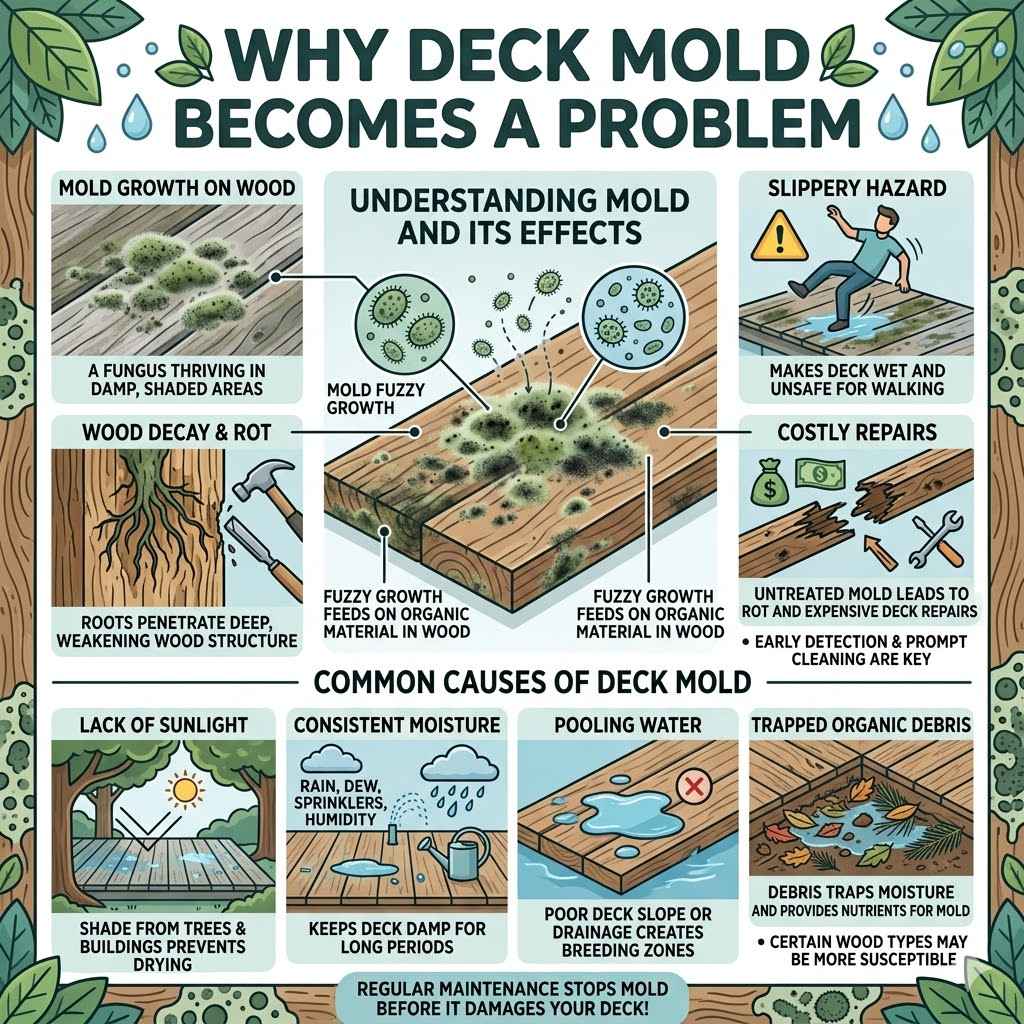
Mold on a wood deck is more than just an eyesore; it can actually harm your deck over time. This fuzzy growth thrives in damp, shaded areas and feeds on the organic material in your wood. If left untreated, it can weaken the structure of your deck, leading to rot and decay.
This means you might end up facing costly repairs sooner than you’d like. For many homeowners, spotting mold for the first time can be a bit alarming, and figuring out the best way to deal with it without causing more damage is a common concern.
Understanding Mold and Its Effects
Mold is a type of fungus that grows in moist environments. It reproduces by releasing spores, which can travel through the air and land on surfaces like your deck. When these spores find a suitable spot with moisture and food (your deck wood), they begin to grow.
You’ll often see mold as dark green, black, or gray patches. Besides looking bad, mold can also make your deck slippery, posing a safety hazard for anyone walking on it. Over extended periods, the roots of the mold can penetrate the wood fibers, causing them to break down.
The longer mold stays on your deck, the deeper it can go into the wood. This makes it harder to remove and can lead to permanent discoloration or damage. Think of it like a stain that sets in.
Early detection and prompt cleaning are key to preventing these issues. Regular maintenance can stop mold from becoming a major problem.
- Mold is a natural organism that thrives in damp conditions.
- It feeds on the organic material found in wood, causing damage.
- Mold can make your deck slippery and unsafe.
- Early treatment prevents deep-set stains and structural weakness.
Common Causes of Deck Mold
Several factors contribute to mold growth on wood decks. One of the biggest culprits is shade. If your deck is always in the shadow of trees or buildings, it doesn’t get enough sunlight to dry out properly.
Moisture is another huge factor. Rain, dew, sprinklers, and even humidity can keep your deck damp for long periods. If water pools on the surface because of poor drainage, mold has an ideal breeding ground.
Debris like fallen leaves, dirt, and pine needles can also trap moisture against the wood. This organic matter acts like a sponge, holding water and providing food for mold. Furthermore, the type of wood your deck is made from can play a role.
Some woods are naturally more resistant to mold, while others can be more susceptible.
- Lack of sunlight due to shade promotes dampness.
- Consistent moisture from rain, dew, or sprinklers fuels mold growth.
- Pooling water due to poor deck slope or drainage creates breeding zones.
- Trapped organic debris holds moisture and nutrients for mold.
Preparing To Clean Your Wood Deck
Before you start scrubbing, it’s important to prepare your deck and gather the right supplies. This makes the cleaning process smoother and safer. You’ll want to clear everything off the deck, from furniture to planters.
This gives you a clean slate to work with and ensures you don’t miss any spots. Protecting surrounding plants and surfaces is also a smart move, as some cleaning solutions can harm them.
Choosing the right cleaning solution is key. You want something effective against mold but gentle on your wood. Safety gear is also a must.
You’ll be working with cleaning products and potentially dealing with mold spores, so wearing gloves, eye protection, and old clothes is highly recommended. Preparing your workspace ensures you can tackle the mold head-on with confidence.
Gathering Your Cleaning Supplies
To effectively clean mold from your wood deck, you’ll need a few essential items. First, you’ll need a stiff-bristled brush or a deck-scrubbing tool. A broom can also be useful for sweeping away loose debris before you begin.
For your cleaning solution, you can choose from several options. A common and effective choice is a mixture of water and oxygen bleach, which is gentler than chlorine bleach. You can also use a dedicated deck cleaner designed for mold and mildew removal.
Alternatively, a solution of one part white vinegar to four parts water can work for lighter mold issues. You’ll also need buckets for mixing your cleaning solutions and rinsing. And don’t forget your safety gear: rubber gloves, safety goggles, and old clothing you don’t mind getting dirty.
A garden hose with a spray nozzle is essential for rinsing the deck thoroughly.
- Stiff-bristled brush or deck scrubber for agitation.
- Buckets for mixing and holding cleaning solutions.
- A safe and effective cleaning agent like oxygen bleach or vinegar.
- Rubber gloves, safety goggles, and old clothing for protection.
- Garden hose with a spray nozzle for rinsing.
Protecting Surrounding Areas and Yourself
Safety first is the golden rule when cleaning your deck. Mold spores can be released into the air when you start cleaning, so wearing a mask is a good idea, especially if you have respiratory sensitivities. Protect your eyes with safety goggles; cleaning solutions can splash.
Rubber gloves will shield your hands from harsh chemicals and prevent skin irritation. Always wear old clothes, as cleaning solutions can discolor fabric.
Also, protect the plants and grass around your deck. Many deck cleaners can harm vegetation. You can cover them with plastic sheeting or tarps.
If using a hose, be careful not to spray cleaning solutions directly onto your garden beds. Rinsing the surrounding areas thoroughly after cleaning your deck is also important. This helps wash away any residual cleaning chemicals.
- Wear safety goggles to protect your eyes from splashes.
- Use rubber gloves to prevent skin contact with cleaning agents.
- Cover surrounding plants and grass with plastic sheeting.
- Wear old clothes that can be stained or damaged.
- Consider a mask if you are sensitive to mold spores.
How to Clean Mold From a Wood Deck Safely and Completely Step-by-Step
Now that you’re prepared, it’s time to get down to business. Following these steps will ensure you clean your deck effectively while keeping the wood and your surroundings safe. We’ll start with clearing the deck and then move on to applying the cleaner, scrubbing, and rinsing.
This process breaks down the task into manageable parts, making the entire job feel less overwhelming. By the end, your deck will be free of mold and look much healthier.
Step 1 Sweep and Clear the Deck
The very first step in cleaning your deck is to clear it completely. Remove all outdoor furniture, potted plants, grills, doormats, and any other items. This gives you full access to the entire deck surface.
A clear deck allows you to work efficiently and ensures no moldy spots are hidden underneath.
Once the deck is clear, give it a good sweep. Use a stiff broom to sweep away all loose dirt, leaves, twigs, and other debris. Pay attention to corners and gaps between deck boards where debris tends to accumulate.
This sweeping action removes organic matter that can trap moisture and feed mold, making the cleaning solution more effective.
This step helps prevent the mold from spreading further. It also makes the actual cleaning process much easier and faster. Imagine trying to scrub mold with furniture in the way; it’s not practical.
A clean sweep sets the stage for a successful cleaning operation.
Step 2 Apply Your Chosen Cleaning Solution
Next, you’ll apply your cleaning solution. If you’re using a commercial deck cleaner, follow the manufacturer’s instructions carefully. If you’re making your own, mix your solution in a bucket.
For an oxygen bleach mixture, use about 1 cup of oxygen bleach powder per gallon of warm water. Stir until the powder is fully dissolved. For a vinegar solution, mix 1 part white vinegar with 4 parts water.
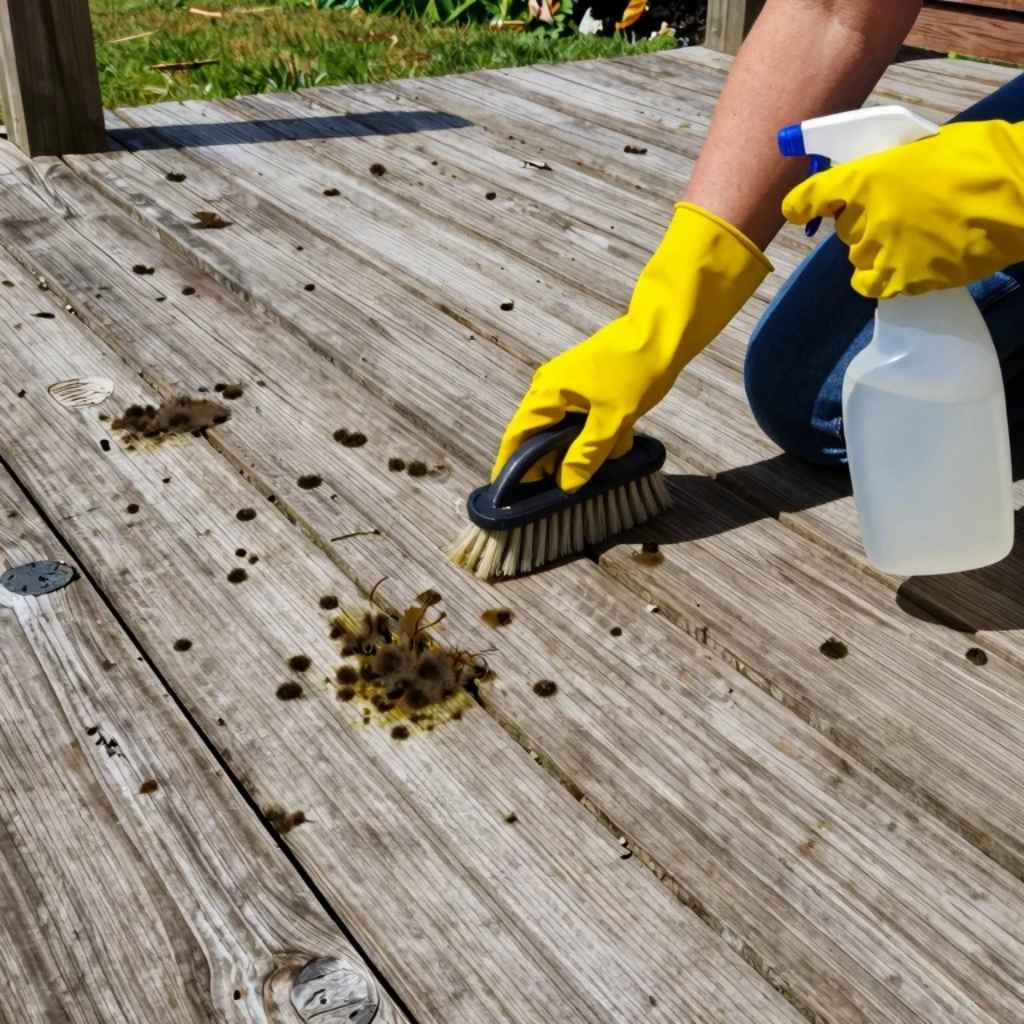
Use a garden sprayer or a large brush to apply the solution generously to the moldy areas of the deck. Make sure to saturate the wood. It’s best to work in small sections, especially if you have a large deck.
This prevents the cleaning solution from drying out before you have a chance to scrub it.
Allow the solution to sit on the surface for about 10-20 minutes. This dwell time is crucial for the cleaner to break down the mold and mildew. Do not let the solution dry completely on the wood.
If it starts to dry, lightly mist it with water.
Step 3 Scrub the Deck Surfaces
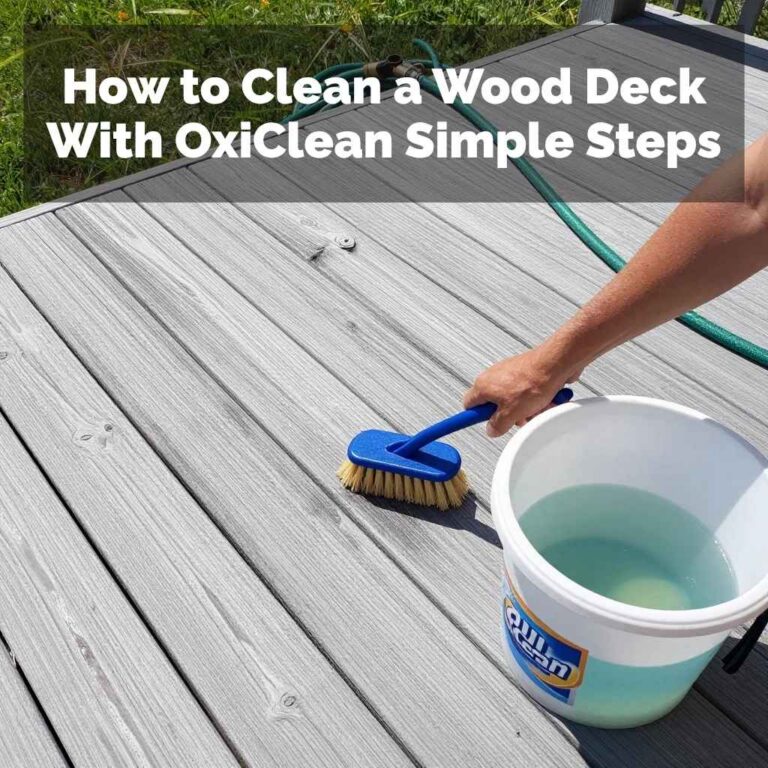
With the cleaning solution applied and given some time to work, it’s time to scrub. Use your stiff-bristled brush or deck scrubber. Apply firm pressure and scrub in the direction of the wood grain.
This helps lift the mold and grime from the surface of the wood. Focus on areas where mold is most visible.
For stubborn mold patches, you might need to scrub a bit more vigorously. If you’re using a pressure washer, use a low-pressure setting and a wide fan tip, and keep the nozzle at least 12 inches away from the wood. High pressure can damage wood fibers, creating a rougher surface that is more prone to future mold growth.
As you scrub, you should see the mold begin to lift away. Rinse your brush frequently in a separate bucket of clean water to avoid spreading mold spores back onto the deck. Work your way systematically across the deck, ensuring you scrub every area that had mold.
Step 4 Rinse the Deck Thoroughly
After scrubbing, it’s vital to rinse the deck completely. Use your garden hose with a spray nozzle. Start at the highest point of your deck and work your way down.
This ensures that all the cleaning solution and loosened mold are washed away. Make sure to rinse thoroughly to remove all traces of the cleaner.
Rinsing is important because any leftover cleaning solution can damage the wood or affect its appearance. It also removes any lingering mold spores, helping to prevent regrowth. Pay close attention to the gaps between deck boards and around any railings or posts.
Thorough rinsing is a key part of the “completely” in How to Clean Mold From a Wood Deck Safely and Completely.
Allow the deck to air dry completely. This can take anywhere from a few hours to a full day, depending on the weather. Avoid walking on the deck until it is completely dry to prevent new dirt from sticking to the damp surface and to avoid tracking mold spores back onto the clean wood.
Preventing Future Mold Growth On Your Deck
Cleaning your deck is a great accomplishment, but preventing mold from returning is just as important. Regular maintenance and a few proactive steps can keep your deck looking good and mold-free for longer. It’s all about creating an environment that mold doesn’t like.
Think of it as giving your deck a healthy lifestyle. By managing moisture, ensuring good airflow, and keeping it clean, you significantly reduce the chances of mold finding a home again. These prevention tips are easy to incorporate into your routine and make a big difference in the long run.
Improve Airflow and Sunlight
One of the best ways to prevent mold is to ensure good airflow around your deck. Trim any overhanging tree branches that cast constant shade on the deck. This allows sunlight to reach the wood, which naturally dries it out and inhibits mold growth.
Good airflow also means moisture can evaporate more quickly after rain or dew.
If your deck is surrounded by dense bushes or fences that block air circulation, consider pruning them back slightly. The goal is to create an environment where the deck can dry out as quickly as possible. Even small changes can make a significant difference in reducing the damp conditions that mold loves.
- Trim overhanging tree branches to allow more sunlight.
- Prune dense shrubs near the deck to improve air circulation.
- Ensure there are no obstructions that trap moisture against the deck.
Regular Cleaning and Maintenance
Consistent cleaning is your best defense against mold. Make it a habit to sweep your deck regularly, especially after windy days or when leaves fall. This removes debris that can trap moisture.
A light wash with soap and water a couple of times a year can also help keep the surface clean and free from organic matter that mold feeds on.
Consider sealing or staining your deck every few years. A good quality sealant or stain creates a protective barrier on the wood. This barrier helps repel water and makes it harder for mold and mildew to penetrate and grow.
When choosing a product, look for one that offers UV protection as well, as sunlight can also degrade wood over time.
- Sweep your deck regularly to remove debris and leaves.
- Perform light washes with soap and water a few times a year.
- Reapply deck sealant or stain every 2-3 years.
- Inspect your deck for early signs of mold and address them promptly.
Proper Drainage
Ensure that water drains away from your deck and its foundation. If your deck has a slight slope, water should naturally run off. Check if there are any low spots where water tends to pool after rain.
You might need to adjust the grading of the ground around the deck or add drainage channels if standing water is a persistent problem.
Gutters from nearby structures should also be checked to ensure they are not directing water onto the deck. Proper drainage is critical because persistent moisture is the primary driver for mold growth. Addressing drainage issues can solve many mold problems before they even start.
- Verify your deck has a slight slope for water runoff.
- Check for and correct any areas where water pools.
- Ensure nearby gutters do not empty onto the deck.
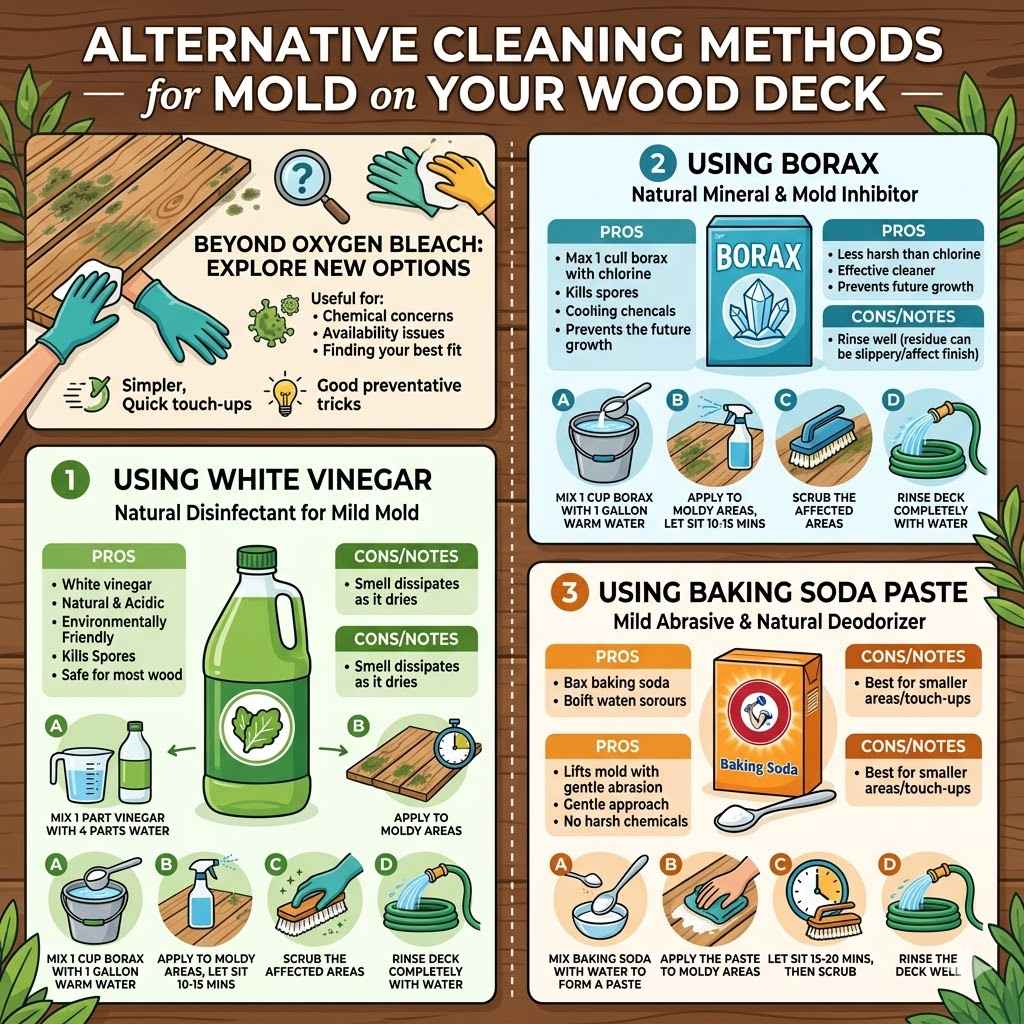
Alternative Cleaning Methods
While the oxygen bleach method is highly effective, there are other options for cleaning mold from your wood deck. These might be useful if you have specific concerns about chemical use or if certain cleaners aren’t readily available. It’s good to have a few tricks up your sleeve.
Exploring different cleaning agents can also help you find what works best for your deck’s specific needs and your personal preferences. Some methods are simpler and require fewer ingredients, making them ideal for quick touch-ups.
Using White Vinegar
White vinegar is a natural disinfectant and a good option for tackling mild mold and mildew. Its acidity can kill mold spores. Mix one part white vinegar with four parts water in a bucket or spray bottle.
Apply the solution to the moldy areas of your deck.
Let the vinegar solution sit for about 10-20 minutes. Then, scrub the area with a stiff brush. Rinse the deck thoroughly with water.
The smell of vinegar will dissipate as it dries. This method is generally safe for most types of wood and is an environmentally friendly choice.
- Mix 1 part white vinegar with 4 parts water.
- Apply to moldy areas and let sit for 10-20 minutes.
- Scrub with a stiff brush.
- Rinse the deck thoroughly with water.
Using Borax
Borax is a natural mineral that can be used as a cleaning agent and a mold inhibitor. It’s less harsh than chlorine bleach but still effective. Mix 1 cup of borax with about 1 gallon of warm water in a bucket.
Stir until the borax is dissolved.
Apply the borax solution to the moldy areas of your deck using a brush or sprayer. Let it sit for about 10-15 minutes. Scrub the area with a stiff brush to loosen the mold.
After scrubbing, rinse the deck thoroughly with clean water.
Borax can also help prevent future mold growth, making it a good preventative treatment. Be sure to rinse well to avoid leaving a residue that could affect the wood’s finish or make it slippery.
- Mix 1 cup of borax with 1 gallon of warm water.
- Apply to moldy spots and let sit for 10-15 minutes.
- Scrub the affected areas.
- Rinse the deck completely with water.
Using Baking Soda Paste
Baking soda is a mild abrasive that can help scrub away mold and mildew. It’s also a natural deodorizer. For a paste, mix baking soda with a little water to create a thick consistency.
Apply the paste directly to the moldy spots on your deck.
Let the paste sit on the mold for about 15-20 minutes. Then, scrub the area with a stiff brush. The baking soda will help lift the mold.
Rinse the deck thoroughly with water to remove the paste and any loosened mold.
This method is best for smaller areas of mold or for touch-ups between deeper cleanings. It’s a gentle approach that can be effective without harsh chemicals.
- Mix baking soda with water to form a paste.
- Apply the paste to moldy areas.
- Let it sit for 15-20 minutes.
- Scrub and then rinse the deck well.
Frequently Asked Questions
Question: How often should I clean my wood deck to prevent mold
Answer: It’s a good idea to sweep your deck at least once a month, especially after windy days or when leaves fall. A more thorough cleaning with a deck cleaner or the methods described above should be done once or twice a year, typically in the spring and fall.
Question: Can I use chlorine bleach to clean mold from my deck
Answer: While chlorine bleach can kill mold, it is often too harsh for wood decks. It can strip natural oils, damage wood fibers, and cause discoloration. Oxygen bleach or natural alternatives like vinegar are generally safer and more effective for wood.
Question: How long does it take for a deck to dry after cleaning
Answer: After rinsing, a wood deck can take anywhere from a few hours to a full day to dry completely. This depends on the weather conditions, such as temperature, humidity, and sunlight. Avoid walking on the deck until it is completely dry.
Question: What if I see mold reappear quickly after cleaning
Answer: If mold returns quickly, it usually means the underlying cause hasn’t been addressed. Check for persistent moisture issues, lack of sunlight, poor airflow, or trapped debris. Addressing these environmental factors is key to long-term mold prevention.
Question: Is it safe to clean my deck if I have pets or children
Answer: Yes, but it requires caution. Always use pet- and child-safe cleaning solutions. Ensure the deck is thoroughly rinsed and completely dry before allowing pets or children back onto it.
Keep them away from the area while you are cleaning.
Conclusion
You now have the knowledge to tackle mold on your wood deck effectively and safely. Remember to prepare your supplies, protect yourself and your surroundings, and follow the step-by-step cleaning process. By taking these actions, you can restore your deck’s beauty and prevent future mold issues.