How to Clean Rust Off a Table Saw Top (Cast-Iron-Safe Method)
Clean rust off a table saw top with 0000 steel wool and light oil, or a rust-remover gel like Evapo-Rust for heavier spots — never bleach, ammonia, or an aggressive power sander, which pit soft cast iron. Skip the wax reseal and rust can return within weeks in a humid shop. This guide covers the safe removal steps, three DIY cleaner options, and the paste-wax routine that keeps a cast-iron table saw top slick and rust-free.
This guide focuses on the flat top surface specifically. For a broader walkthrough covering the whole saw, see our complete rust-removal guide. If the pitting is deep enough that a clean-and-wax pass won’t fix it, see restoring a cast-iron table saw top instead.
7 Steps to Clean Rust Off a Table Saw Top
Best Rust Remover Pick
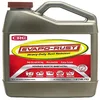
Evapo-Rust CRC Heavy Duty Rust Remover for Metal and Tools – $12.98
Handles the stubborn spots Step 4 covers when vinegar and baking soda aren’t cutting it — non-acidic, safe to let dwell on the table top without etching cast iron.
- Best for: Deep or stubborn rust that a scrub-and-vinegar pass didn’t clear
- Why we picked it: Non-acidic gel formula won’t etch cast iron the way stronger acids can
- Main drawback: Needs a longer dwell time than spray-on rust removers
Compare more rust cleanup and protection options
 Option 1 HOMAX #0000 Steel Wool Pad (12 Pads) – $4.98
|
 Option 2 Trewax Clear Paste Wax with Carnauba Wax – $11.99
|
 Option 3 Minwax Paste Finishing Wax, Natural, 1 lb – $13.33
|
As an Amazon Associate we earn from qualifying purchases.
Removing rust from a table saw top is a routine job, not a restoration project — you don’t need to pull the top off the base for a standard cleanup. Follow these steps in order.
Step 1: Gather the necessary materials and tools
Before you begin, gather these items:
- 0000-grade steel wool or a non-woven abrasive pad
- A non-acidic rust remover gel (Evapo-Rust or naval jelly) or white vinegar and baking soda
- 400–600-grit wet/dry sandpaper for stubborn spots only
- Light machine oil or WD-40, used as a lubricant while scrubbing
- Clean microfiber cloths
- Silicone-free paste wax (carnauba-based) for the final protective coat
- Protective gloves and safety goggles
Step 2: Prepare the table saw for cleaning
Turn the saw off and unplug it from the power source. Clear any sawdust, debris, or loose objects off the top so you have a clean working surface.
Step 3: Remove loose rust
Cast iron is softer than most people expect, so skip wire brushes and coarse sandpaper — they gouge the surface. Use 0000 steel wool or a non-woven pad to knock off loose, flaking rust first.
Step 4: Apply a rust remover or vinegar and baking soda paste
For light surface rust, mix equal parts white vinegar and baking soda into a paste, apply it, and let it dwell a few minutes. For heavier or stubborn rust, use a non-acidic gel like Evapo-Rust or naval jelly per the label — both dissolve rust without etching cast iron the way stronger acids can.
Step 5: Scrub and, if needed, lightly sand the rusted areas
Scrub with 0000 steel wool lubricated with a few drops of light oil or WD-40, working in circular passes with light pressure. If rust is still stubborn after two passes, switch to 400–600-grit wet/dry sandpaper — never a power orbital sander, which removes more material than cast iron can spare and can leave low spots that throw off cuts.
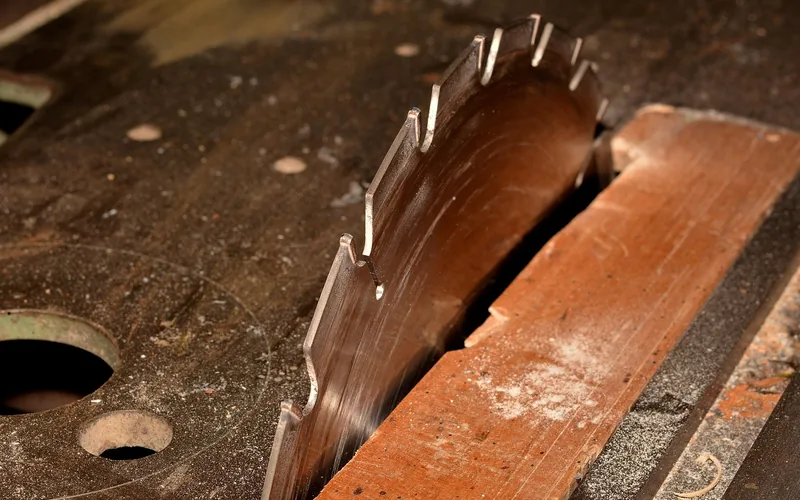
Step 6: Wipe off residue and clean the surface
Wipe the top down with a clean, dry cloth until no rust, cleaner residue, or oil film remains. This step matters more than it looks — leftover oil keeps paste wax from bonding to the surface in the next step.
Step 7: Apply a rust-inhibiting paste wax
Apply a thin, even coat of silicone-free carnauba paste wax with a clean cloth, let it haze for about 10 minutes, then buff it out. This forms a moisture barrier that keeps rust from coming right back.
Prevent Rust on a Table Saw Top: Maintenance Tips
Keeping the top rust-free is easier than cleaning it repeatedly. For a deeper prevention-focused walkthrough, see keeping a cast-iron table saw from rusting. The short version:
- Keep it clean and dry: Wipe the top down with a clean cloth after every session to remove dust, sawdust, and any moisture before it sits overnight.
- Control shop humidity: A dehumidifier or silica gel packs near the saw help keep relative humidity below the threshold where iron starts to oxidize (see the data point below).
- Reapply paste wax monthly: More often in a humid or unheated garage; a fresh coat is the single biggest factor in whether rust comes back.
- Cover it in storage: A dust cover or plastic sheet over the top blocks moisture and airborne contaminants when the saw sits unused.
- Inspect weekly in humid seasons: Catching rust as a light film means a five-minute steel-wool pass instead of a full cleaning session.
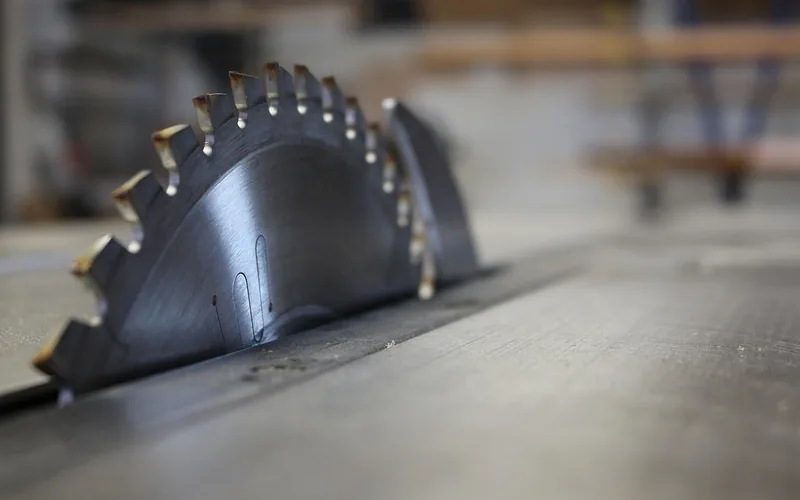
📊 Relative humidity above roughly 60% is the threshold most corrosion research cites for iron oxidation to accelerate — a dehumidifier set to 45–50% RH keeps a cast-iron top safe even through a humid summer. Source: BryAir Technical Article, Corrosion Causes and Large-Scale Losses
“Remove rust as soon as it appears and apply a rust inhibitor or paste wax to protect the table surface afterward — the wax step is what most shops skip until the rust comes back.”
DIY Cleaners to Clean Rust Off a Table Saw Top
All five of these use ingredients most shops already have on hand. Vinegar-and-baking-soda and citric acid are the gentlest options for cast iron; skip anything not listed here, including CLR, bleach, or ammonia (more on why in the FAQ below).
| Cleaner | Best For | Risk to Cast Iron | Time Needed |
| Vinegar & Baking Soda | Light, fresh surface rust | Low | 10–15 min |
| Potato & Dish Soap | Very light spot rust | Very low | 5–10 min |
| Coca-Cola | Light rust, no rush | Low | Several hours to overnight |
| Citric Acid Solution | Moderate, even-coverage rust | Low if rinsed promptly | 15–30 min |
| Rust-Remover Gel (Evapo-Rust, naval jelly) | Heavy or stubborn rust | Very low (non-acidic) | 20 min–overnight |
FAQs
Is it necessary to remove the table saw top from the base to clean rust?
No. For routine cleaning, treat the rust in place with the saw off and unplugged. Only a full cast-iron restoration — deep pitting, repainting the base — typically calls for pulling the top, and that’s a bigger job than a standard rust cleanup.
Can I prevent rust by waxing the table saw top?
Yes, but skip anything labeled “silicone.” Silicone residue can cause fisheye and adhesion problems in stain or finish later, even on unrelated projects done on the same bench. Use a carnauba-based paste wax instead, buffed to a dry shine, and reapply monthly in humid shops.
What should I do if the rust doesn’t come off completely?
Repeat the process with a stronger option — Evapo-Rust or naval jelly instead of vinegar — and let it dwell longer per the label. Pitting that survives two passes is usually permanent, but it won’t affect cuts as long as the surface is otherwise flat and waxed.
How often should I clean and wax a table saw top to prevent rust?
Wipe it down after every session, and wax monthly in a humid or unconditioned shop — every 2–3 months is enough in a climate-controlled space. Check weekly during humid seasons: surface rust can start within days once shop humidity climbs above roughly 60% relative humidity.
Can I use bleach, ammonia, or CLR to clean rust off a table saw top?
No. These household cleaners don’t remove rust effectively and can pit or discolor cast iron — bleach and ammonia are also dangerous if they’re ever mixed. Stick to a rust-remover gel, naval jelly, or the vinegar-and-baking-soda paste covered above.
Conclusion
A rust-free table saw top comes down to two habits: cleaning it with the right tools for cast iron, and waxing it every time. Skip harsh chemicals and power sanders, use 0000 steel wool or a non-acidic gel remover, and reseal with a silicone-free paste wax when you’re done.
For general (non-rust) cleaning, see our table saw top cleaning guide, or browse the full Table Saw hub for setup, fence, and maintenance guides.
Sponsored / affiliate links. As an Amazon Associate I earn from qualifying purchases. I may earn additional commission from eligible campaigns.