Best Products for Bamboo Floors: Based on Specs and Reviews
Use a pH-neutral hardwood floor cleaner for light dullness, a bamboo-safe polish only on polyurethane-finished floors, and a finish-specific restorer or recoating product for worn spots; avoid waxing and oil-based dressings on most bamboo floors. The wrong product can leave haze, buildup, or a slippery surface that needs stripping. This guide ranks the safest shine-restoring products by bamboo finish type and floor condition.
Quick comparison
| Product | Badge | Best for | Price | ||
|---|---|---|---|---|---|
 |
Bona Hardwood Floor Cleaner Refill – 128 fl oz – UnscentedBona | Our pick | 128 fl oz · Unscented · Refill | $19.97
Price as of 19 Oct 2026
|
View |
 |
Osmo – Polyx-Oil – 3051 Raw – .75 LiterOsmo | Also great | 0.75 L · Raw · Oil | $59.99
Price as of 19 Oct 2026
|
View |
 |
Howard Products Beeswax Wood Polish & Conditioner,HOWARD | Also great | 16 Oz · Orange · Beeswax | $10.98
Price as of 19 Oct 2026
|
View |
Start with the floor’s finish, not the brand name on the bottle. Bamboo floors are often finished with polyurethane or aluminum-oxide topcoat, and that coating decides whether a polish is suitable or whether you need only a cleaner.
If the finish is intact, a bamboo-safe polish can help. If the surface is sticky, cloudy, or worn through, polish is the wrong fix.
How we chose
Each option was judged against four practical filters: finish compatibility, residue risk, sheen control, and cleanup ease. That matters because the wrong chemistry can leave a cloudy film, feed dirt, or interfere with later refinishing.
The list also separates bamboo construction from finish type. Solid bamboo and engineered bamboo can both carry similar topcoats, but the topcoat is what decides product choice.
Finally, the rankings favor products that fit a real maintenance step: clean first, then restore shine only if the finish is still sound.
Which shine restorer fits your bamboo floor?
| Floor condition | Finish type | Safe product category | What to avoid | Application notes | Red-flag symptoms |
|---|---|---|---|---|---|
| Dull but intact bamboo | Polyurethane or aluminum-oxide topcoat | pH-neutral floor cleaner, then bamboo-safe floor polish | Wax-based polish, vinegar, ammonia, steam mop | Vacuum in hard-floor mode first, clean with a microfiber mop, then apply thin coats only to a dry floor | Haze that returns after drying, streaks, or a slippery feel |
| Oiled bamboo | Oiled finish | Finish-specific oil maintenance product | Film-forming polish meant for polyurethane floors | Use only a product made for the existing oil finish; test on a small area if the label allows | Patches that look darker, sticky spots, or uneven absorption |
| Lightly scratched high-traffic floors | Intact polyurethane topcoat with minor wear | Bamboo-safe polish for polyurethane-finished hardwood, or a low-speed buffer after cleaning | Abrasive cleaners, wax, steam, heavy wet mopping | Clean first, then use a soft non-marking pad if extra shine is needed | Scratches that catch a fingernail, dull lanes that do not improve, worn-through edges |
| Sticky residue buildup | Any finish with layered residue on top | pH-neutral cleaner and residue removal before any polish | More polish, wax-based products, soap-heavy cleaners | Strip the film created by old products first; do not add another coat until the surface is clean and dry | Cloudy film, drag underfoot, dull patches that smear when wiped |
| Floors needing refinishing | Finish worn through, damaged, or failing | Recoat or refinishing system | Polish as a substitute for repair | Stop using shine products once the wear layer is failing; prepare for a finish repair plan | Gray wood, bare spots, deep scratches, water damage, or finish that looks patchy and thin |
Best bamboo floor polish for intact finishes
The best shine-restoring product for an intact polyurethane bamboo floor is a water-based bamboo floor polish labeled safe for bamboo or polyurethane-finished hardwood. It is the right choice only when the finish is still whole, because bamboo flooring polish can restore shine without refinishing. Choose it when the goal is sheen, not repair.
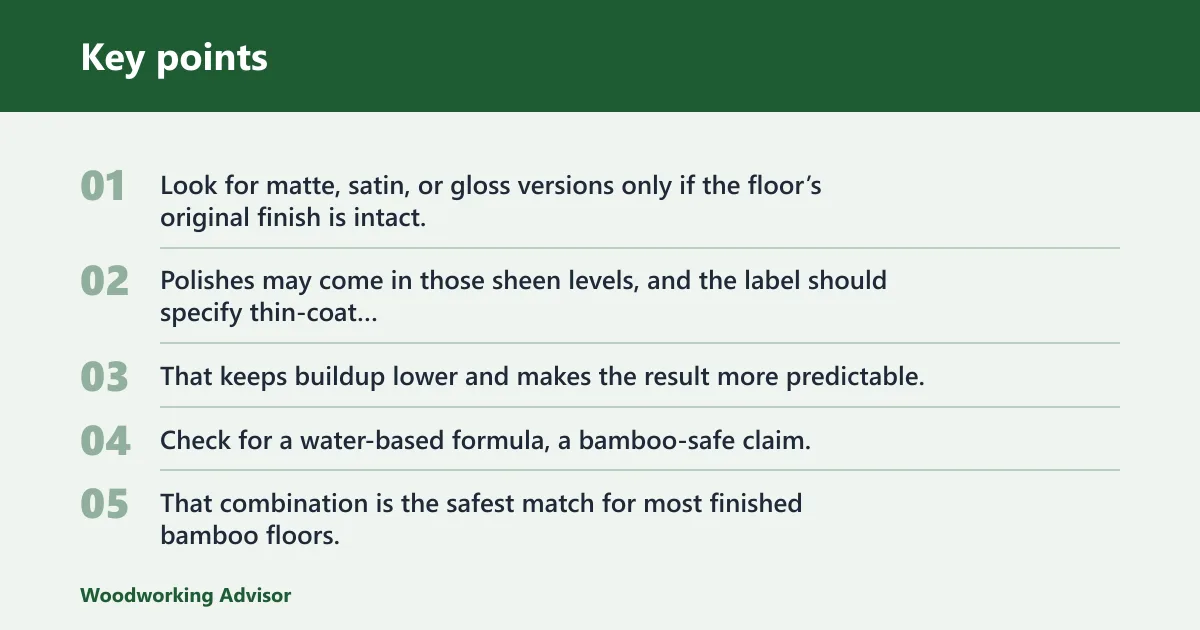
Look for matte, satin, or gloss versions only if the floor’s original finish is intact. Polishes may come in those sheen levels, and the label should specify thin-coat application on a dry, cleaned floor. That keeps buildup lower and makes the result more predictable.
What to look for on the label
Check for a water-based formula, a bamboo-safe claim, or wording that says safe for polyurethane-finished hardwood. That combination is the safest match for most finished bamboo floors. If the label calls for multiple coats, follow the exact drying time between coats and do not rush the surface back into traffic.
Say your living room has a 12-foot traffic lane that looks flat but not damaged. A bamboo-safe polish can help if the topcoat is still intact; if the same lane turns cloudy after the first coat, the problem is often residue, not missing shine.
Sheen levels and thin-coat application
Thin coats matter more than brand names. A thick coat can leave streaks, a tacky feel, or a visible film that catches light in patches. Apply only to a dry floor that has already been cleaned with a residue-free cleaner.
Keep furniture and rugs off freshly polished floors for about 24 hours if directed. That gives the film time to settle before weight, friction, or trapped moisture disturb it.
Dry time, recoat timing, and traffic limits
Water-based polyurethane is described as drying quickly and having low odor. Water-based finishes may cure in 24 hours for light foot traffic, while full cure may take 7–14 days. Those figures help set expectations, but always follow the label on the product you buy.
Do not confuse dry to the touch with ready for furniture. A floor can seem dry early and still mark under chair legs or rugs if the coating has not finished curing.
Best pH-neutral cleaner for prep
The best prep product is a pH-neutral floor cleaner used with a microfiber mop. It removes dust and surface film without adding new residue, and it creates the clean, dry base that polish needs. For most bamboo floors, prep matters as much as the shine product itself.
Use a vacuum in hard-floor mode first, with no beater bar, to remove grit before wet cleaning. That reduces scratch risk and keeps the mop from dragging abrasive particles across the finish.
Why prep matters before any polish
A polish applied over dust or old cleaner residue can streak, haze, or cure unevenly. Sweep or vacuum first, then clean with a damp microfiber mop rather than a soaking wet mop. A damp mop is recommended, not a soaking wet mop.
Vinegar should be avoided on bamboo floors. Ammonia should be avoided on bamboo floors. Wax-based soaps should be avoided on bamboo floors. Those products can leave film, dull the sheen, or make later recoating harder.
Microfiber mop and vacuum setup
Use a microfiber mop with a well-wrung head so the surface gets wiped, not flooded. Microfiber lifts fine dust well and is non-abrasive when kept clean. If the mop head drips, it is too wet for bamboo.
A common first-timer mistake is mopping the floor twice with the same dirty water. That spreads residue back across the boards and can leave a milky cast when the floor dries.
Residue-free cleaning habits
Choose a pH-neutral cleaner that is made for wood floors and does not promise shine by itself. That keeps the prep step simple. The cleaner should leave the floor clean, not glossy.
After cleaning, let the floor dry fully before any polish or furniture goes back in place. If the surface still feels slick after drying, there may be leftover cleaner or film that needs another pass with a proper wood-floor cleaner.
Can you use hardwood polish on bamboo floors?
Yes, but only if the label explicitly says it is safe for bamboo or for polyurethane-finished hardwood. Bamboo floors with a polyurethane or aluminum-oxide topcoat often accept the same film-forming polish that is made for finished wood floors. The key is finish compatibility, not the word “hardwood” alone.
Do not assume every hardwood polish fits bamboo. Some products are built for oily, waxed, or unfinished wood, and those can leave buildup or a slippery surface on bamboo.
When the answer is yes
If the bottle says bamboo-safe or safe for polyurethane-finished hardwood, and the floor is clean and intact, the product can be a fit. That is the safest path for a floor that is dull but still sound.
The same rule applies to engineered bamboo and solid bamboo when the topcoat is the same. Finish type matters more than construction for this decision.
When to avoid it
Skip hardwood polish if the floor is oiled, sticky, or visibly worn through. Also skip it if the label does not mention bamboo or polyurethane-finished hardwood. In those cases, the wrong chemistry can create haze or interfere with future repair.
Do not use wax-based polish on bamboo floors. Wax can build up, attract dirt, and complicate future refinishing.
Label checks that matter most
Look for three things: water-based formula, bamboo-safe or hardwood-safe wording, and a sheen level that matches the existing floor. If the product does not state how it should be applied, thin coats and full drying time are still the safest approach.
If the bottle promises to fix scratches, treat that claim cautiously. Surface polish can improve dullness, but it does not repair deep damage or worn-through finish.
Do bamboo floors need different products than solid wood?
Yes and no. Bamboo floors often need the same category of cleaner or polish used on finished wood, but the finish type matters more than the construction type. Solid bamboo and engineered bamboo can both be finished with similar topcoats, so the finish decides compatibility first.
If the floor has a polyurethane or aluminum-oxide topcoat, a bamboo-safe polish may fit. If it is oiled, waxed, damaged, or unknown, the product choice changes even if the floor looks like other wood.
Why finish type matters more than construction
A polyurethane topcoat is a film. An oiled finish behaves differently and absorbs maintenance products instead of holding a film on top. That is why a bamboo floor’s visible finish matters more than whether the core is solid or engineered.
Water-based polyurethane preserves bamboo’s natural color, which is one reason many homeowners look for water-based maintenance products that match that type of finish.
Engineered bamboo and solid bamboo with the same topcoat
If both floors have the same topcoat, they usually share the same basic care path: vacuum, clean with a pH-neutral cleaner, then polish only if the finish is intact. That is the practical rule that keeps product choice simple.
Suppose a kitchen has engineered bamboo and a nearby hallway has solid bamboo, both finished with polyurethane. You would still choose by finish condition, not by core material. The same restorer can fit both if the label matches the finish.
When the substrate changes the repair plan
Construction matters when damage goes deeper than the surface. Solid bamboo can often be refinished if the wear layer is thick enough. A floor can need refinishing when polish is not enough. Engineered bamboo may have different limits, so worn-through spots should be checked before any shine product is added.
If the surface shows gray wood, bare patches, or water damage, skip polish and move toward repair or recoating. Shine products are for intact finishes, not failed ones.
Best bamboo floor polish: Bona cleaner for prep, not a polish substitute
Bona’s hardwood floor cleaner refill is the best buy for prep before polishing because it is pH-neutral, residue-free, and safe for wood floors. Based on the listed specs and buyer feedback, it fits the cleaning step that should happen before any shine restorer goes down.
It is for homeowners who need to remove dust, light film, and cleaning residue before using a bamboo-safe polish. The unscented formula and refill format make it practical for routine maintenance.
The drawback is simple: it does not restore shine by itself. It prepares the floor for the right restorer, but it is not the restorer.
Best finish-specific restorer: Osmo Polyx-Oil for oiled bamboo
Osmo Polyx-Oil is the best fit here only for bamboo floors that already have an oil finish and need an oil-compatible maintenance product. Based on the manufacturer’s product details, it is meant for wood surfaces that accept oil maintenance rather than a film-forming polish.
It suits smaller areas where the existing finish is oiled and the goal is to refresh the surface without using a polyurethane-style polish. That makes it the most finish-specific option in this list.
The drawback is that it is not the right choice for most polyurethane-finished bamboo floors. Using an oil product on the wrong finish can create uneven appearance and cleanup problems.
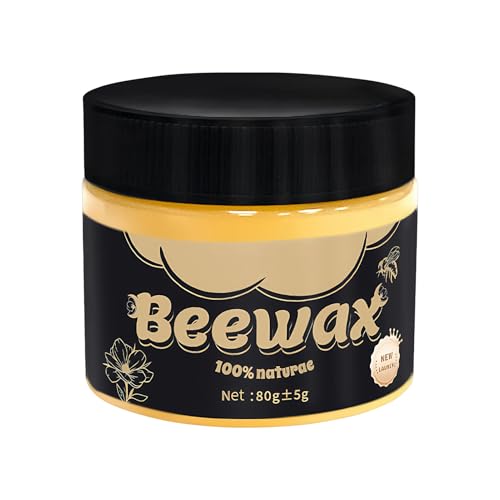
Best maintenance polish to avoid buildup: Howard Feed-N-Wax
Howard Feed-N-Wax is not the recommended choice for most bamboo floors, even though it can add a soft luster to wood. The product is wax-based, and wax is the wrong chemistry for most bamboo finishes because it can build up, attract dirt, and make later refinishing harder.
It may appeal to buyers who want a quick visual change on furniture or other wood surfaces, but that is exactly why it is risky on bamboo flooring. A floor product needs to match the finish, not simply look shiny in the bottle.
The drawback is major: wax-based products are not recommended for bamboo floors. If the goal is long-term care, this is the one to skip.
Which one should you buy?
If your floor is dusty but the finish is intact, buy Bona for prep and then choose a bamboo-safe polish with the right sheen. If your floor is oiled bamboo, choose an oil-maintenance product like Osmo instead of a film polish. If the finish is failing, buy neither and plan refinishing.
If you want the lowest buildup risk, start with a pH-neutral cleaner and stop there unless the floor truly needs shine restoration. That approach avoids stacking product on top of product.
If you are unsure whether the surface is polyurethane or oil, check the manufacturer’s installation notes or test only with a cleaner first. Do not guess with wax or steam.
Frequently asked questions
What is the best product to restore shine to bamboo floors?
The best product is a bamboo-safe, water-based polish for polyurethane-finished floors, but only when the finish is still intact. For dullness caused by dust or residue, a pH-neutral cleaner is the better first step. If the finish is worn through, polish is not enough and refinishing is the right path.
How do I know if my bamboo floor needs polish or refinishing?
Use polish only when the finish is dull but still intact. If you see gray wood, bare spots, deep scratches, or areas where the topcoat is gone, the floor likely needs refinishing. Sticky residue, cloudiness, or repeated streaking usually points to cleanup problems, not a need for more polish.
Are wax-based products safe for bamboo floors?
No. Wax-based soaps and wax-based polish are not recommended for bamboo floors. They can build up, attract dirt, and interfere with future refinishing. They also make it harder to tell whether the floor needs cleaning, recoating, or a repair plan.
Can I use a steam mop on bamboo floors?
No. Steam cleaners and steam mops should be avoided on bamboo floors because excess moisture and heat can damage the finish. A damp microfiber mop and a pH-neutral cleaner are the safer choice for routine cleaning before any polish is applied.
How do I restore shine without making the floor sticky or cloudy?
Vacuum in hard-floor mode first, clean with a pH-neutral cleaner and a well-wrung microfiber mop, then apply only a thin coat of a bamboo-safe polish to a dry floor. Avoid wax, avoid overapplying, and keep furniture off the surface until the product has dried as directed.
What cleaner should I use before polishing bamboo floors?
Use a pH-neutral floor cleaner made for wood floors, paired with a microfiber mop. That prep step removes dust and film without leaving residue that can cloud the polish. A vacuum in hard-floor mode should come first so grit does not scratch the surface.
Do engineered bamboo floors need different products than solid bamboo floors?
Not usually. Finish type matters more than construction. If the engineered bamboo and solid bamboo have the same topcoat, the same cleaner or polish category often applies. The difference matters most when the surface is worn through or the repair has to go deeper than the finish.
Sponsored / affiliate links. As an Amazon Associate I earn from qualifying purchases. I may earn additional commission from eligible campaigns.