Glue Joint Cracking in Cold Weather: Causes and Prevention
If a glue joint cracks in cold weather, common causes can include glue applied in cold conditions, wood movement, or a brittle adhesive; warming the joint before regluing can help. Leave it alone, and the crack often returns, weakens load-bearing parts, and can stain or split nearby wood. This guide explains why winter joints fail, which glues fit each failure, and how to repair and prevent cracks by joint type.
This guide is part of our Wood glue essentials: types, uses, and cure times series.
Why do glued wood joints crack in cold weather?
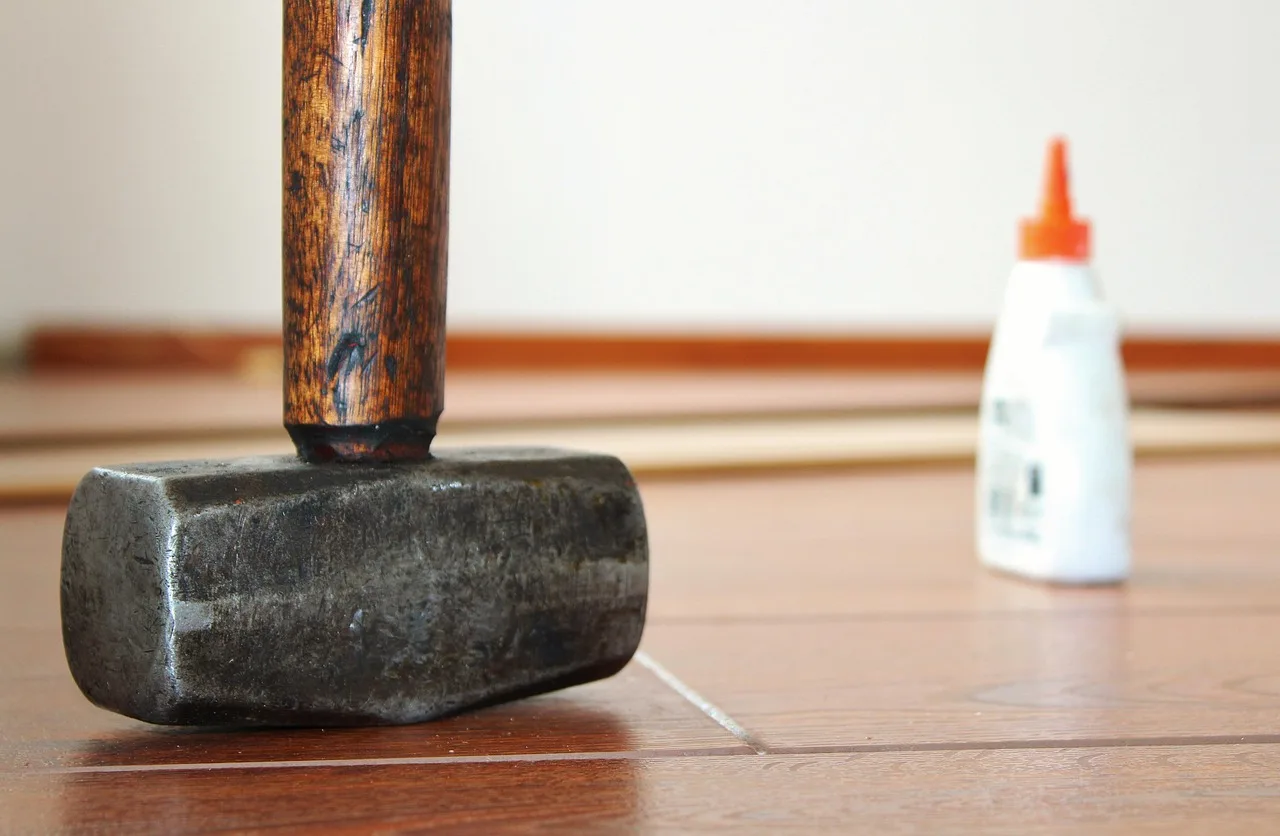


Cold-weather cracking usually comes from two failures at once. Dry winter air pulls moisture from wood, so the parts shrink across the grain. At the same time, a cold glue line sets more slowly and may never wet the surface well, so the seam stays weak where movement is highest.
That is why a joint can look fine on the bench and fail later in the house, garage, or shop. The wood moves, the bond line does not take the stress, and the crack opens at the weakest edge.
How low temperature and dry air shrink wood
Wood changes size with moisture content. In winter, heated rooms and dry shops lower the moisture in the parts, and the joint can lose enough grip that a seam opens even when the adhesive did cure.
The seam is often blamed first. The wood may be the part moving most.
Why a cold glue line can reopen after cure
A glue line that cured while the parts were cold may hold poorly because the adhesive took longer to wet the fibers, clamp pressure was uneven, or condensation sat on the bond line. Once the piece warms up and moves under load, the seam can reopen.
That is common in chair rails, table aprons, and loose casework corners.
What changes in open time and clamp time
Open time is the time before glue starts to set. In a cold shop, that window changes from job to job: the glue can thicken, spread poorly, and still take longer to cure. Clamp time also stretches, because the joint may need more time under steady pressure before it is safe to handle.
Clamp pressure matters because the glue needs to keep the faces in contact while the wood is trying to move apart again.
Does wood glue get brittle in freezing temperatures?
Yes, but the practical problem is usually not a cured glue line suddenly turning to glass. The bigger risk is glue that cured too cold, or a joint under stress from shrinking wood. A stressed seam can crack at the glue line, at the fibers beside it, or right through a weak repair.
Cured glue vs glue that cured too cold
Wood glue is often called white glue and carpenter’s glue. It is described as polyvinyl acetate, or PVA, adhesive, and it works for wood, paper, and other porous materials. It will not bond metal, glass, or plastic. When it cures under poor conditions, the bond can be weak long before freezing weather arrives. (familyhandyman.com)
Clamps are usually needed for wood glue to reach full holding power. If the joint was cold, damp, or poorly fitted, the clamp did not have much to work with.
Where brittleness shows up first
Brittleness tends to show first in thin glue lines, sharp corners, end-grain edges, and joints that flex. A chair rung can crack before a wide, quiet case seam does. A finish break near the joint can also point to movement around the glue line, not only adhesive failure.
What cold does to a stressed joint
Cold makes the whole system less forgiving. The wood contracts, the glue line gets less time to flow and bond, and the joint sees a sharper stress spike when the piece is loaded. A joint that survived summer may fail in January for that reason alone.
Which adhesive fits which winter repair?
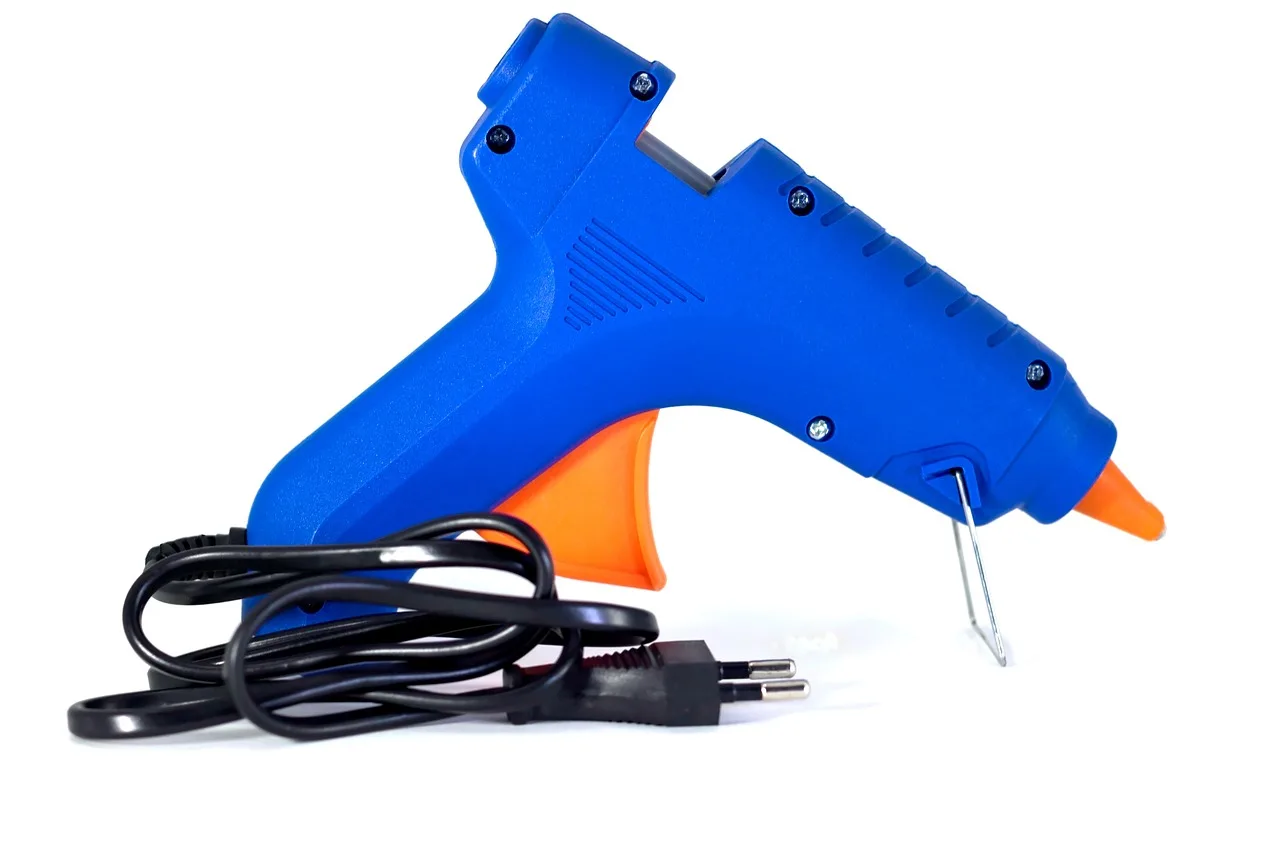
Pick the adhesive by failure mode, not by habit. Standard wood-to-wood joints usually want PVA wood glue. Mixed materials, wet-out problems, and gap-prone repairs often call for polyurethane glue or epoxy. CA glue is for small, quick repairs, not for load-bearing winter joints that keep moving.
PVA wood glue for standard wood-to-wood joints
PVA is the first choice for clean, tight, porous wood joints. It is the usual option when both faces fit well and the piece can be clamped and left alone. Only certain wood glue formulations are suitable for wet conditions, so the label matters when the repair may see dampness.
Interior and water-resistant versions are not the same thing as waterproof. Match the rating to the exposure, then keep the joint warm and dry during cure.
Polyurethane glue for mixed materials and wet-out issues
Polyurethane glue can bond wood, stone, metal, plastic, and other materials. It forms a flexible, waterproof bond, needs moisture to cure, and expands as it dries. That expansion helps fill minor voids, but it can also push a joint apart if clamp pressure is poor.
Use it when the repair includes mixed materials or a joint that does not wet out well with PVA.
CA glue for small, fast fixes
CA glue is fast-acting and can be thin or gel. It cures quickly at room temperature when it contacts moisture. It is useful for tiny checks, chip repairs, and very small seams, but it can be brittle when cured and is sensitive to heat.
It weakens with extended water contact, so it is not a long-term answer for a winter chair leg that still sees stress.
Epoxy adhesive for gaps and repair work
Epoxy adhesive is a strong repair choice when extra fill or strength is needed. It is often chosen for loose mortise-and-tenon repairs, worn chair joints, and seams that have lost material. It is also the better option when the repair needs controlled gap filling rather than squeeze-out-only contact.
For cold-weather work, epoxy is often the most forgiving when the joint cannot be made perfectly tight.
How cold is too cold for wood glue to cure?
As a practical rule, if the shop is near freezing, move the repair indoors or warm the parts first. A room in the mid-60s Fahrenheit gives many woodworking adhesives a reasonable chance to wet the fibers and cure on schedule. If the wood feels cold to the touch, the bond line is probably too cold too.
Practical shop-temperature thresholds
At cooler shop temperatures, glue behavior can become less predictable, and open time may be less useful because the adhesive can thicken while the wood still cools the bond line. Around 65°F, repairs are much easier to control. A cold floor, cold clamps, or a metal bench can drag the joint temperature down fast.
When to warm the parts instead of forcing the repair
Warm the parts when the repair is a clean wood-to-wood joint and the piece can be moved safely. A small space heater, a warm room, or time near indoor temperature is better than trying to make glue work against a cold substrate. Avoid overheating, which can create condensation when the piece moves back into a warmer, moist room.
Signs the bond line never reached a proper cure
A repair that stays rubbery, dull, or easy to peel at the edge often never cured under good conditions. Squeeze-out that skinned over but left the seam weak is another warning. If the joint opens again as soon as clamp pressure comes off, the adhesive likely never got a real chance.
Can I reglue a cracked chair joint in winter?
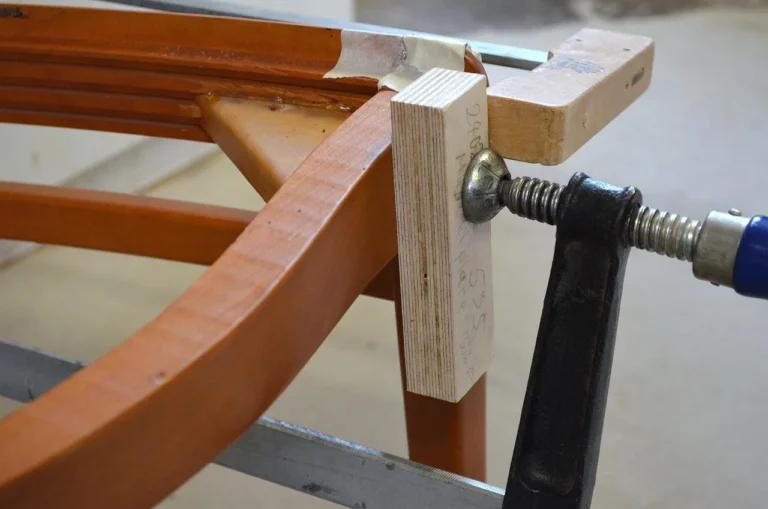
Yes, but only after the piece and the joint are dry, warm, and free of old glue that blocks contact. Chair joints are high-stress repairs. If the joint is loose, cracked, or racked out of shape, the repair should move indoors or wait for warmer shop conditions rather than being forced in a cold garage.
Chair joints, furniture seams, and mixed-material repairs
For a cracked chair joint, epoxy or a proper PVA reglue is often the safer path, depending on fit and movement. For a furniture seam that only opened because winter shrinkage pulled it apart, a clean PVA repair may be enough. For a wood-to-metal or wood-to-plastic repair, polyurethane is usually the better match.
What a winter chair repair needs before glue
- Dry-fit the parts and confirm the crack closes fully.
- Remove old glue that prevents full contact.
- Warm the joint and the surrounding wood.
- Keep condensation off the bond line.
- Clamp firmly for the full clamp window.
Should I use PVA, polyurethane, or epoxy for cold-weather repairs?
For a clean wood-to-wood repair indoors, PVA is still the first choice. For mixed materials or slightly rough gaps, polyurethane is better. For loose, damaged, or gap-prone joints, epoxy is often the most reliable winter fix. The right adhesive is the one that matches the failure mode.
Why moisture and exposure matter for adhesive selection
Water resistance rating should match the real exposure. Interior PVA is fine for dry furniture. Water-resistant or waterproof products belong where moisture or outdoor exposure is likely. Polyurethane glue needs moisture to cure, but the finished bond is waterproof. Epoxy is often picked when the repair must survive abuse, gaps, or repeated movement.
Winter-specific rule of thumb
If the joint is clean, tight, and wood-only, use PVA. If the parts are mixed or the fit is imperfect, use polyurethane or epoxy. If the joint is small and non-structural, CA glue can work. If the piece must carry load, do not trust a fast fix where movement is still active.
How do I stop glue joints from cracking again after a winter repair?
Stop the next crack by controlling wood movement, joint temperature, and cure conditions. Acclimate the stock, keep condensation off the bond line, use the correct adhesive rating, and maintain clamp pressure long enough for a full cure. Most repeat failures are prep failures, not glue failures.
Acclimate stock before gluing
Let the parts sit in the repair space until they match the room as closely as practical. That reduces post-repair shrinkage and keeps the joint from reopening as soon as the heat comes on.
Keep moisture and condensation off the bond line
Cold parts moved into warm air can sweat. Wipe and dry the surfaces, then wait until the wood is at room temperature before applying glue. A damp surface can ruin adhesion faster than a poor clamp setup.
Seal and monitor the area after repair
Finish near the joint should be continuous enough to slow moisture swings, but not built so thick that it causes bonding problems during the repair. Afterward, keep the piece out of sudden heat blasts, wet floors, and unfinished outdoor exposure.
| Symptom | Most likely cause | Best adhesive/prep fix |
|---|---|---|
| Open seam that returns after clamping | Wood shrinkage plus a bond line that cured cold or with poor contact | Move indoors, warm the parts to room temperature, clean the joint, then use PVA on a tight-fit wood seam or epoxy if the fit is loose |
| Cracked chair joint that moves under load | Stress concentration in a high-motion joint, often with old glue still in the socket | Remove old glue, dry-fit, then use epoxy for worn joints or PVA only if the fit is still tight and clamping is solid |
| Mixed-material bond that keeps failing | Wrong adhesive for the substrate, plus cold surfaces or moisture mismatch | Use polyurethane glue or epoxy, warm both surfaces, and keep condensation away from the bond line |
| Glue line looks intact but lets go later | Adhesive cured before proper wetting or stayed brittle under movement | Rebuild with a better fit, correct clamp pressure, and an adhesive matched to exposure, such as waterproof polyurethane or epoxy |
Winter repair checklist: room temperature or cold shop?
Use room temperature now if the joint is structural, the piece is furniture, or the repair depends on tight wood-to-wood contact. Warm the parts first if the wood is sound but cold. Wait for better shop conditions if condensation, frozen stock, or poor clamping control would make the repair unreliable.
Repair indoors now
Choose this when the piece is load-bearing, the joint is small, and you can control temperature, drying, and clamp pressure. Chair joints, table rails, and cabinet corners usually belong here.
Warm the parts first
Choose this when the job is simple but the shop is cold. Bring the parts to a warm room, hold them there until they equalize, and then glue. This is the best middle ground for many furniture repairs.
Wait for better shop conditions
Choose this when the shop is damp, near freezing, or too cold to keep the bond line stable. Waiting is faster than redoing a failed winter repair.
What causes glue failure when wood shrinks in the cold?
Glue failure from winter shrinkage happens when the wood moves more than the joint can absorb. The fibers pull away, the glue line is stressed in peel rather than shear, and the seam opens. A cured adhesive can be fine and still lose because the wood itself changed size.
Clamp pressure and wood movement
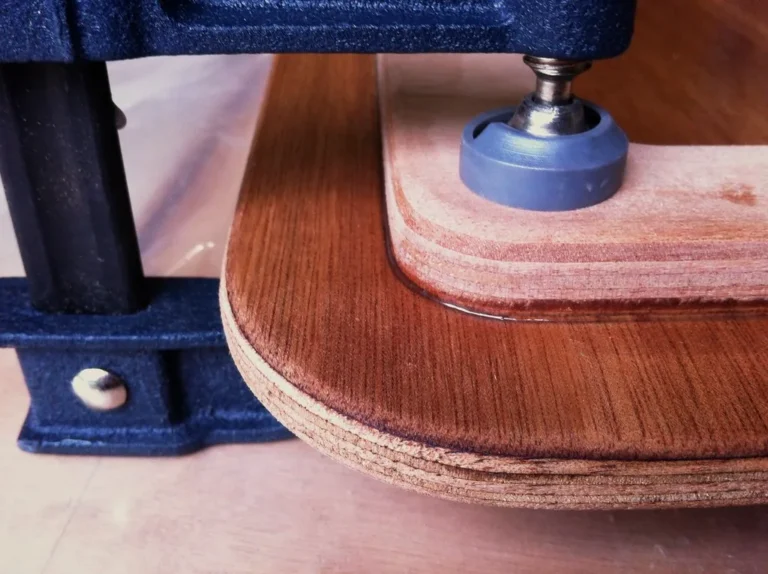
Enough clamp pressure is needed to bring the surfaces into close contact, but clamps cannot fix a loose joint that is already moving. If the wood is shrinking, the seam can reopen even after a good clamp-up unless the parts were warmed and acclimated first.
Exposure control after repair
After the repair, keep indoor pieces away from heaters, vents, and repeated damp-to-dry swings. Outdoor or utility pieces need a waterproof adhesive and a finish schedule that limits seasonal movement. Stable exposure keeps the seam from working itself apart again.
Frequently asked questions
What glue works best for wood joints in cold weather?
For clean wood-to-wood repairs, PVA wood glue still fits best if the parts are warmed and clamped well. For mixed materials or looser fits, polyurethane or epoxy is often the better winter choice. CA glue is for small repairs, not stressed furniture joints.
Sponsored / affiliate links. As an Amazon Associate I earn from qualifying purchases. I may earn additional commission from eligible campaigns.