How to Make a Folding Chair Out of Wood: X-Brace to One-Piece
To make a folding chair out of wood, cut and assemble a hinged frame using an X-brace or piano-hinge mechanism, or trace and cut a single sheet of plywood into one continuous flat-folding shape with no hinges at all. The hinged-frame method below is sturdier for daily use; a one-piece plywood design (like a simple stool build) is faster if you only have a jigsaw and basic tools.
Where hinged folding chairs usually fail is under-sized hardware — thin piano hinges or undersized bolts flex and eventually crack at the pivot point under repeated weight-bearing use, so hinge gauge matters more than the wood species you build the frame from.
Below, we walk through both build methods in detail — cut list, hinge placement, and assembly order — plus how to reinforce the pivot points so the chair holds up to daily folding.
Introduction To Woodworking And Folding Chairs
Best Folding Hardware Pick
Locking Hinge Brackets (4-Pack)
Self-locking 90° hinges that hold your folding chair open safely — a real upgrade over a plain bolt pivot.
- Best for: an X-brace or hinged-frame chair that needs to lock open reliably
- Why we picked it: the self-locking action prevents accidental collapse mid-use
- Main drawback: adds bulk compared to a simple bolt-and-washer pivot
 Option 1 Epoxy-Coated Exterior Wood Screws
|
 Option 2 TotalBoat Marine Spar Varnish
|
 Option 3 Titebond III Waterproof Wood Glue
|
As an Amazon Associate we earn from qualifying purchases.
Woodworking is a fun and rewarding hobby. Creating furniture yourself can be exciting. DIY furniture allows for personal expression and creativity. It can also save money compared to store-bought options.
Folding chairs are practical and space-saving. They are great for small homes or events. Making your own chair lets you choose the design and materials.
Choosing wood for your folding chair offers many benefits. Wood is strong, durable, and can last for years. It also provides a warm, natural look. Different types of wood can give unique styles.
| Benefits of Wood | Details |
|---|---|
| Durability | Wood can withstand regular use. |
| Customizable | You can paint or stain wood to match your decor. |
| Eco-friendly | Wood is a renewable resource. |
Choosing The Right Wood
Choosing the right wood is key for a folding chair. Hardwoods like oak and maple offer great durability. They resist wear and tear well.
Softwoods such as pine are lighter and easier to work with. They can still look beautiful with the right finish. Cedar is another option; it is naturally resistant to rot.
Eco-friendly wood options include bamboo and reclaimed wood. Bamboo grows quickly and is very strong. Reclaimed wood adds character and helps the environment.
Consider your needs for durability and aesthetics. The right wood will enhance both function and beauty.

Tools And Materials Needed
To make a folding chair, gather some basic woodworking tools. Essential tools include a saw, hammer, and drill. A measuring tape and square are also important for accuracy.
Don’t forget to have sandpaper for smoothing edges. A paintbrush or roller is useful for finishing. A workbench or sturdy surface will help during the project.
Safety is crucial. Always wear safety goggles to protect your eyes. Use ear protection when using loud tools. Dust masks can help keep you safe from wood dust.
| Tools | Supplies | Safety Gear |
|---|---|---|
| Saw | Wood | Safety goggles |
| Drill | Screws | Dust mask |
| Hammer | Glue | Ear protection |
| Measuring tape | Finishing paint |
Designing Your Folding Chair
Designing a folding chair requires careful attention to key measurements. Start with a seat height of about 18 inches. This height suits most people comfortably. The seat depth should be around 16 to 18 inches. Ensure the backrest is about 14 to 16 inches high for good support.
Choose a width of 20 inches for comfort. Make sure the chair folds easily. Use sturdy hinges for durability. Test the chair’s stability before use. Consider adding a cushion for extra comfort.
| Measurement | Recommended Size |
|---|---|
| Seat Height | 18 inches |
| Seat Depth | 16-18 inches |
| Backrest Height | 14-16 inches |
| Chair Width | 20 inches |
Cutting And Shaping The Wood
Start with the right tools for precision cutting. Use a saw to make straight cuts. A miter saw is great for angles. Measure twice to ensure accuracy.
After cutting, focus on shaping the wood. Sand the edges to make them smooth. This improves comfort when sitting. Curved shapes look more stylish.
Use a router for decorative edges. This adds a unique touch to your chair. Keep testing the shape for comfort. Test the chair before final assembly.
Assembling The Chair
To build a strong folding chair, focus on joinery techniques. Use dowels, mortise and tenon, or biscuits for a solid connection. These methods create a sturdy frame that lasts. Make sure to measure all pieces accurately for a perfect fit.
Next, think about the folding mechanism. Use hinges that are strong and durable. The hinges should allow easy opening and closing. Consider using a locking system for safety. This prevents the chair from collapsing unexpectedly.
Choose high-quality wood for durability. Oak or maple works well for this project. Sand all surfaces to avoid splinters. Finally, finish with varnish or stain for a beautiful look.
Finishing Touches
Start by sanding the wood to make it smooth. Use fine-grit sandpaper for the best results. Make sure to reach all corners and edges. This step makes the chair comfortable to use.
Choose a paint or stain that matches your style. Apply the first coat evenly. Let it dry completely before adding more layers. Two or three coats give a nice finish.
After painting, apply a protective coating. This can be polyurethane or varnish. It helps to protect the wood from scratches and water damage.
Consider adding decorative details. Use stencils or wood burning for designs. These touches can make your chair unique and personal.
Care And Maintenance
Regular cleaning helps keep your folding chair looking great. Use a soft cloth to wipe off dust. For stubborn stains, use a mild soap solution.
Check for loose screws or joints often. Tighten them to ensure stability. If you notice any cracks, consider using wood glue for repairs.
Apply a protective finish to the wood. This helps prevent moisture damage and scratches. Reapply every few years for best results.
Store the chair in a dry place to avoid warping. Avoid leaving it outside in harsh weather. Proper storage extends the life of your chair.
How The Folding Mechanism Actually Works
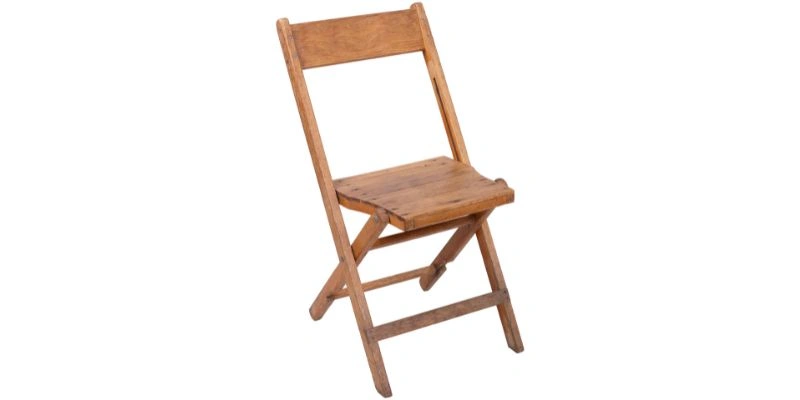
Most wooden folding chairs use one of two mechanisms. An X-brace design crosses two frame members at a pivot point (a single bolt or dowel), letting the seat fold flat when you bring the legs together — this is the classic director’s-chair and camp-chair layout. A piano-hinge design instead uses a continuous hinge (or several separate hinges) along one edge of the seat or backrest, letting a panel fold flat against the frame. X-braces fold more compactly; piano hinges are simpler to build and more forgiving for a first project.
A Simpler Alternative: One-Piece Plywood Folding Chairs
If the hinged-frame build above feels like more than you want to take on, there’s a genuinely different approach: cutting an entire flat-folding chair from a single sheet of plywood with just a jigsaw, no hinges or hardware required. The parts interlock through slots cut directly into the plywood, and the whole chair folds flat for storage since it never had separate hinged joints to begin with. It’s a faster build with fewer tools, though it won’t be as sturdy for daily heavy use as a properly braced hinged frame.
Frequently Asked Questions
How Do I Choose Wood For A Folding Chair?
Selecting the right wood is crucial for durability and comfort. Consider hardwoods like oak or maple for strength. Softwoods like pine are lighter but less durable. Ensure the wood is free of knots and defects. This will enhance the chair’s longevity and stability.
What Tools Do I Need To Build A Folding Chair?
Essential tools include a saw, drill, and sander. You will also need clamps for holding pieces together. Measuring tools like a tape measure are vital for accuracy. Finally, a screwdriver and wood glue will help in assembly. Having the right tools makes the process smoother.
Can A Beginner Make A Folding Chair?
Yes, a beginner can successfully make a folding chair. Start with a simple design and clear instructions. Familiarize yourself with basic woodworking techniques. Take your time and ensure measurements are precise. With patience, even novices can create functional and attractive chairs.
How Long Does It Take To Build A Folding Chair?
Building a folding chair typically takes 4 to 6 hours. This includes measuring, cutting, and assembling the pieces. If you’re a beginner, it may take longer. Factor in drying time if you’re using glue or finishes. Planning ahead will help manage your time effectively.
What’s The Difference Between An X-Brace And A Piano-Hinge Folding Mechanism?
An X-brace crosses two frame members at a single pivot point, folding the whole chair compactly — the classic director’s-chair layout. A piano hinge runs continuously along one edge, letting a panel fold flat against the frame. X-braces fold smaller; piano hinges are simpler for a first build.
Can You Make A Folding Chair From A Single Piece Of Plywood?
Yes — some designs cut an entire flat-folding chair from one sheet of plywood using interlocking slots instead of hinges, built with just a jigsaw. It’s faster and needs fewer tools than a hinged frame, but it won’t hold up to daily heavy use as well as a properly braced hinged chair.
Conclusion
Creating a wooden folding chair is a rewarding project. It combines craftsmanship with functionality. By following the steps outlined, you can build a sturdy and stylish chair for any space. Remember to personalize your design to fit your style. Enjoy your new chair and the satisfaction of your handiwork!
Sponsored / affiliate links. As an Amazon Associate I earn from qualifying purchases. I may earn additional commission from eligible campaigns.