How to Remove Wood Glue From Clothes Fast and Safely
Scrape off excess wood glue first, then treat fresh stains with warm water and a little mild detergent; if the glue is fully cured, soften or freeze it before peeling, and only move to white vinegar, rubbing alcohol, or acetone if residue remains. If I start with the wrong step, the stain can sink deeper, spread, or leave a hard patch that grips the weave.
What you’ll need


- Warm water
- Mild detergent
- Clean cloths or paper towels
- Plastic spoon
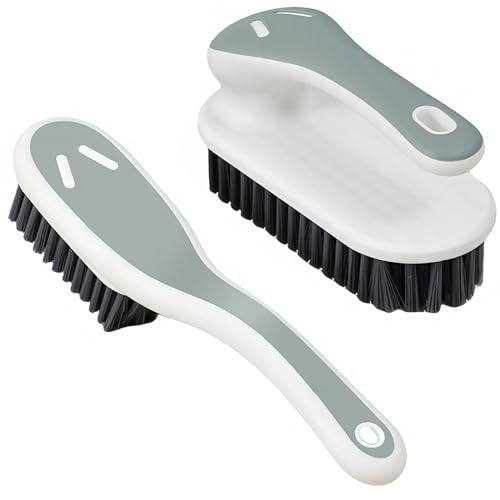
- Nylon-bristled brush
- White vinegar
- Rubbing alcohol
- Acetone
- Hidden test spot on the garment seam or hem
According to 5 Easy Ways to Remove Wood Glue from Clothes (That Actually Work!) — Most wood glues cure effectively between 55°F and 75°F.
How wood glue behaves on fabric
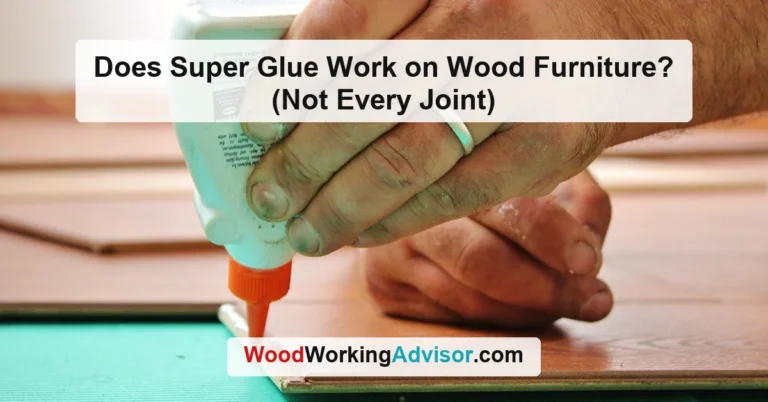
Polyvinyl acetate (PVA) wood glue is water-soluble while fresh, then cures into a stronger bond as it dries. In practice, that gives you a small window, usually the first 10-15 minutes, where removal is easiest. After that, dried wood glue often needs scraping, softening, or both before any cleaner can do much.
Why the glue stage matters
Fresh wood glue comes off far more easily than dried glue. Once it hardens, it clings to the fibers instead of sitting on top. Warm water is the safest first cleanup for fresh or tacky residue because it works on the water-based part before the bond finishes setting.
How fabric type changes the cleanup
Cotton and other natural fibers often soak up more adhesive than synthetic materials. Synthetics may let go more easily, while delicate garments need extra care because hard scrubbing, heat, or strong solvents can warp the fabric before the glue leaves.
Can you remove wood glue from clothes at home?
Yes, most fresh PVA wood glue stains can be removed at home with warm water, mild detergent, and careful blotting. Once the glue has cured, home removal is still possible in many cases, but the method usually has to move in stages: scrape, soften, test, then clean again.
When water-based cleanup is enough
If the stain is still wet or tacky, start with warm water and a clean cloth. Fresh wood glue can often be handled within a 10-15 minute window, and that is the point where the lightest touch usually works best. Blot first; do not rub the glue deeper into the weave.
When the stain has cured
If the glue is hardened, water alone usually will not lift it. Dry material needs a plastic spoon, gentle softening, and sometimes a solvent step after a patch test. Dried wood glue is harder to remove than wet glue, so the cleanup path has to slow down instead of getting harsher right away.
What to do with fresh wet wood glue
Fresh wet wood glue should be blotted immediately, then rinsed with warm water before it cures further. Hunker advises treating wet stains as soon as possible and blotting the wet material with paper towels; I follow that same approach because the goal is to lift the glue before it locks into the fibers.
- Lift off excess glue with a clean cloth or paper towel.
- Blot, do not rub, from the outside toward the center.
- Rinse the back of the stain with warm water.
- Apply a small amount of mild detergent to the spot.
- Rinse again and check the fabric before drying.
If that didn’t work, try this next
- Mix white vinegar with warm water at 1 part vinegar to 4 parts warm water.
- Dab the residue gently with a cloth or nylon-bristled brush.
- Rinse clean and repeat only on the remaining glue.
- Wash the garment normally if the stain is lifting.
How to remove dried wood glue from clothes
Dried wood glue usually needs mechanical removal first, because the hardened residue resists water and detergent. Start by loosening the top layer with a plastic spoon, then soften what remains before using a brush or solvent. Do not force a blade or metal edge into the fabric.
Step-by-step removal order
- Let the glue dry fully if it is still gummy.
- Scrape the hardened residue with a plastic spoon.
- Work from the outside toward the center.
- Apply warm water to soften the remaining film.
- Use a nylon-bristled brush after a hidden patch test.
If that didn’t work, try this next
- Use white vinegar and warm water, 1:4, on the remaining residue.
- Let it sit briefly, then brush gently again.
- If the fabric is colorfast and still holds glue, spot-test rubbing alcohol.
- Move to acetone only as a final treatment step, and test first.
How the removal method changes by fabric
Fabric type changes the risk level as much as the glue stage does. Cotton holds more adhesive and may need more patience. Synthetics often release easier. Delicate garments need the most caution, because a strong cleaner can damage the cloth even when it removes the glue.
Cotton
Cotton and natural fibers often absorb more adhesive than synthetics, so cotton shirts, jeans, and canvas pieces may need repeated rinsing and a gentle brush. Use warm water first, then vinegar if residue remains, and avoid hard scrubbing that can flatten fibers or warp the weave.
Synthetics
Polyester and similar fabrics often let go of glue more readily, especially if cleanup starts early. Still test the cleaner on a hidden spot. If the stain survives warm water and detergent, move to vinegar or a solvent step only after checking for color change or finish damage.
Delicate garments
Delicate fabrics and structured garments usually need a lighter touch. Skip hard scraping, strong rubbing, and long solvent contact. If the stain has cured into the fabric, professional dry cleaning is often the safer end point than repeated home treatments.
Decision table for wood glue on clothes
This table separates the glue stage first, then names the safest next step. That order matters because fresh wood glue and cured glue do not behave the same way.
| Glue condition | Safest removal method |
|---|---|
| Wet | Blot immediately, rinse with warm water, then wash with mild detergent. |
| Tacky | Rinse with warm water first, then use 1 part white vinegar to 4 parts warm water on what remains. |
| Dried | Scrape gently with a plastic spoon, soften with warm water, then brush after a patch test. |
| Fully dried | Scrape, then move to a hidden test spot with rubbing alcohol or acetone only if residue remains. |
Fabric-risk checklist
- Cotton: higher absorption risk; start early and rinse thoroughly.
- Synthetics: often release easier; still patch-test for color change.
- Delicate garments: avoid hard scraping and go straight to careful testing or dry cleaning.
- All fabrics: test every cleaner on a hidden spot before full treatment.
Common mistakes
The biggest mistakes are simple. Heat can set the glue deeper. Scrubbing hard can spread the stain and distort the fabric. Strong solvents can discolor sensitive cloth if they are used before a patch test. Each of those errors makes the cleanup harder than the glue itself.
- Do not iron or tumble-dry the garment before the glue is gone.
- Do not attack dried residue with a knife or metal tool.
- Do not jump straight to acetone on delicate or dyed fabric.
- Do not soak without testing the cleaner first.
- Do not keep rubbing once the glue stops lifting.
If that didn’t work, try this next
If warm water, vinegar, and detergent fail, stop home scrubbing and reassess the fabric. A second solvent pass on a hidden area is safer than random repetition on the stain itself. When the cloth is delicate or the glue covers a large patch, professional dry cleaning is the cleaner exit.
Frequently asked questions
how to get wood glue out of clothes
Blot fresh glue, rinse with warm water, and apply mild detergent. If the glue has set, scrape the top layer with a plastic spoon first, then use a 1:4 white vinegar and warm water mix on the residue. Dry only after the stain is gone.
how to get dried wood glue out of clothes
Start by scraping the hardened glue with a plastic spoon from the outside toward the center. Soften what remains with warm water, then use a nylon-bristled brush after a hidden patch test. If residue stays, try rubbing alcohol before moving to acetone.
how to get wood glue out of a shirt
Lay the shirt flat, blot any wet glue, and rinse the back of the stain with warm water. Use a little mild detergent, then check the spot before drying. If the glue is cured, scrape first and test vinegar or rubbing alcohol on a seam.
can you remove wood glue from clothes
Yes, especially when the glue is fresh. PVA-based wood glue is water-soluble while fresh, so warm water and detergent often work. Once it cures, removal becomes slower and more fabric-dependent, and delicate garments may be safer with a dry cleaner.
how to remove wood glue on clothes
Remove the excess first, then match the cleaner to the glue stage. Wet glue gets warm water and detergent. Tacky residue can take the vinegar mix. Dried glue needs scraping and possibly a solvent test. Skip heat until the glue is fully gone.
how to remove wood filler from clothes
Let wood filler dry, then scrape off the top layer with a plastic spoon. After that, test warm water and detergent on the remaining mark. If it has hardened deeply into the weave, treat it like a cured residue and stop before damaging the fabric.
Sponsored / affiliate links. As an Amazon Associate I earn from qualifying purchases. I may earn additional commission from eligible campaigns.