Can You Freeze Wood Glue to Extend Shelf Life Safely?
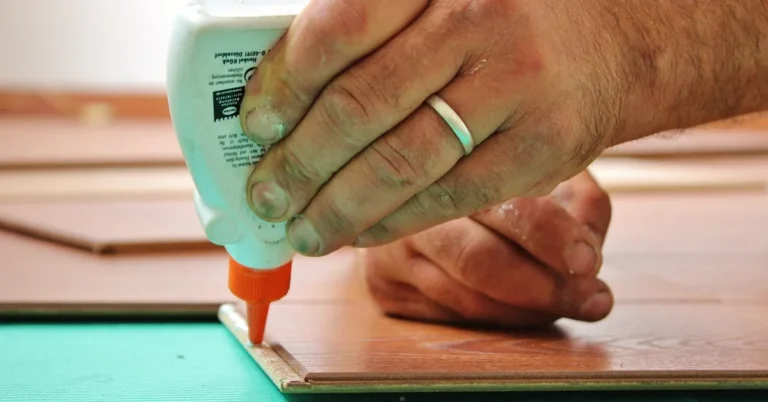
Yes, some wood glues can survive freezing, but only when the label allows it. If a thawed bottle comes back lumpy, stringy, split, or won’t stir to a smooth cream, I throw it out. Bad glue wastes wood, time, and clamps. This guide gives a practical way to judge thawed glue and store bottles through winter without guessing.
Can you freeze wood glue to extend shelf life?
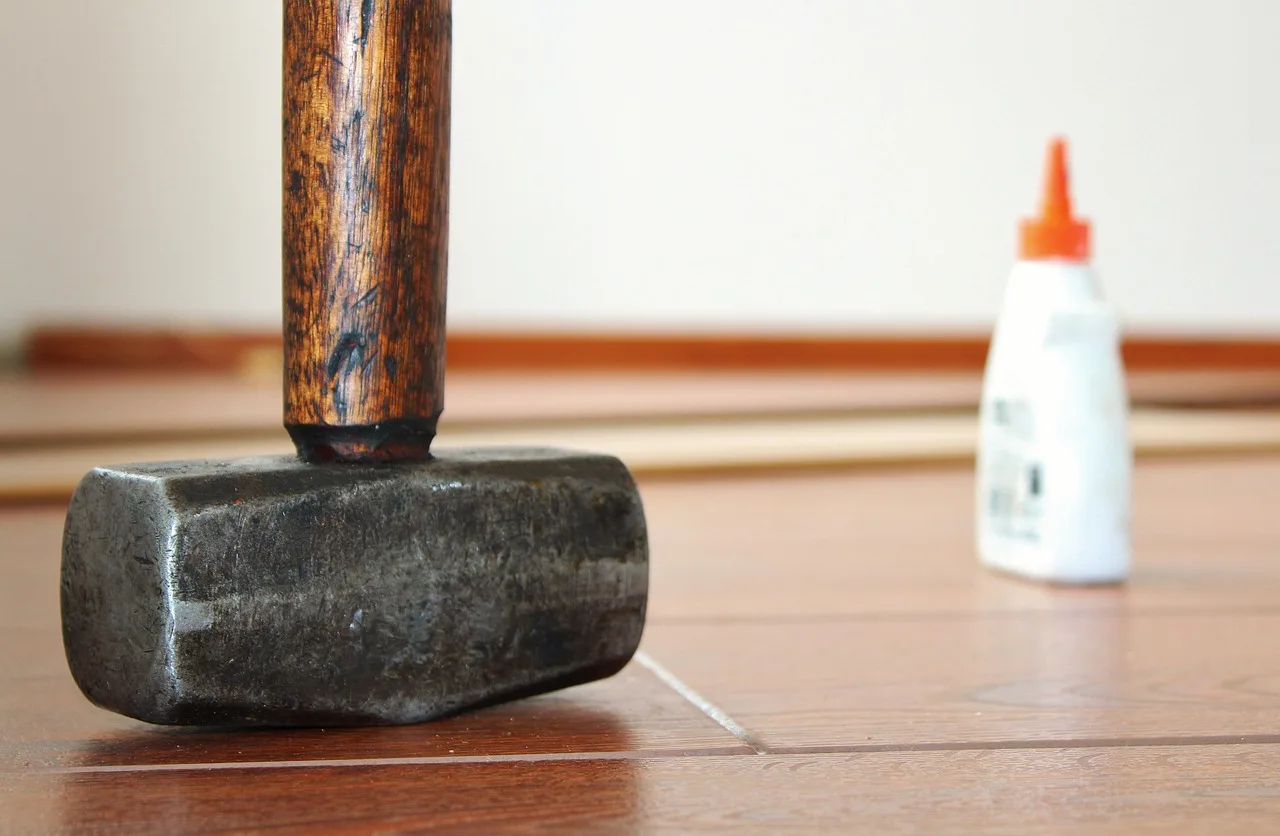


For most PVA wood glue, freezing is a poor plan. These are water-based polyvinyl acetate emulsions, and cold can sometimes break that emulsion. Some unopened bottles may survive a cold spell, but the label is the final word. If the label says not to freeze it, a frozen bottle should be treated as suspect.
What freezing changes inside the bottle
When the water in the glue phase freezes, the emulsion can separate. After thawing, the binder may not go back into full suspension. That is why a bottle can look normal from the outside and still fail at the joint line.
The usual failure modes are easy to spot once you know them: separation, curdling, thick sludge, rubbery bits, and a weak, watery glue line that looks set but does not hold well.
Why unopened and opened bottles behave differently
An unopened bottle has a better chance because the seal can limit air exposure and skin formation. An opened bottle already has contamination risk, moisture loss, and dried chunks around the neck or cap. A freeze cycle is more likely to turn that older bottle into trouble.
Even a good-looking unopened bottle can be compromised if it sat in a freezing shed or a cold truck for days. Date code matters. So does storage history.
What happens if you freeze wood glue?
Freezing can break down PVA wood glue by separating the water phase from the binder, thickening the liquid, and creating lumps or gel bits after thawing. The glue may still spread, but it can lose bond strength, shorten open time, or cure unpredictably. That is why cold storage needs inspection, not hope.
Emulsion breakdown and separation
PVA glue depends on a stable water emulsion. Cold makes that system less stable. If the bottle splits into watery and pasty layers, the formula may not return to its original state after warming.
That breakdown is not always obvious at first glance. Shake marks can hide it for a while. A bottle can also feel normal until you pour it and see a thin stream followed by clumps.
Lumps, gel bits, and thickness changes
After freezing, many glues become grainy, stringy, or jellylike. Some thicken enough to drag under the spreader. Others look smooth but leave tiny curds in the joint line. Those solids are warning signs, not cosmetic flaws.
How cold can weaken bond strength
Weak bond strength is the main risk. If the glue film does not wet the wood fibers properly, the joint can look cured and still fail early. Cold glue can also slow initial grab, which makes clamping less reliable.

What do manufacturers say about storage temperature?
Manufacturers’ label instructions take priority. Many specify a minimum storage temperature, often around freezing or above, and some say frozen product may lose performance or void claims. If the label is silent, I treat that as a reason to stay cautious, not as permission to ignore cold storage.
Reading the label and date code
Check the bottle for storage limits, shelf life, and date code or manufacture date. A fresh bottle stored warm is a different case from an old bottle that spent weeks in an unheated garage. Date codes help you judge how much risk remains.
| Storage condition | Typical risk level | What to do |
|---|---|---|
| Sealed, inside climate-controlled shop | Low | Use until date code or texture changes |
| Opened, stored warm, cap cleaned | Medium | Inspect before each use; rotate bottles fast |
| Unopened, exposed to one freeze event | Medium to high | Thaw, inspect, and test on scrap first |
| Opened, repeatedly frozen and thawed | High | Replace for anything important |
Why warranty and performance claims may stop at freezing
Once a glue bottle freezes, the maker may no longer stand behind the original performance claim. That does not mean the glue is automatically ruined. It means the burden shifts to inspection and testing before the glue touches a real joint.
What to do when the label gives no clear limit
If the label does not give a storage floor, use a cautious shop rule: keep PVA glue above freezing, avoid cold shipping exposure where possible, and treat any bottle that has been frozen as untrusted until it passes the freeze-test checklist below.
How do you tell if thawed wood glue is still usable?
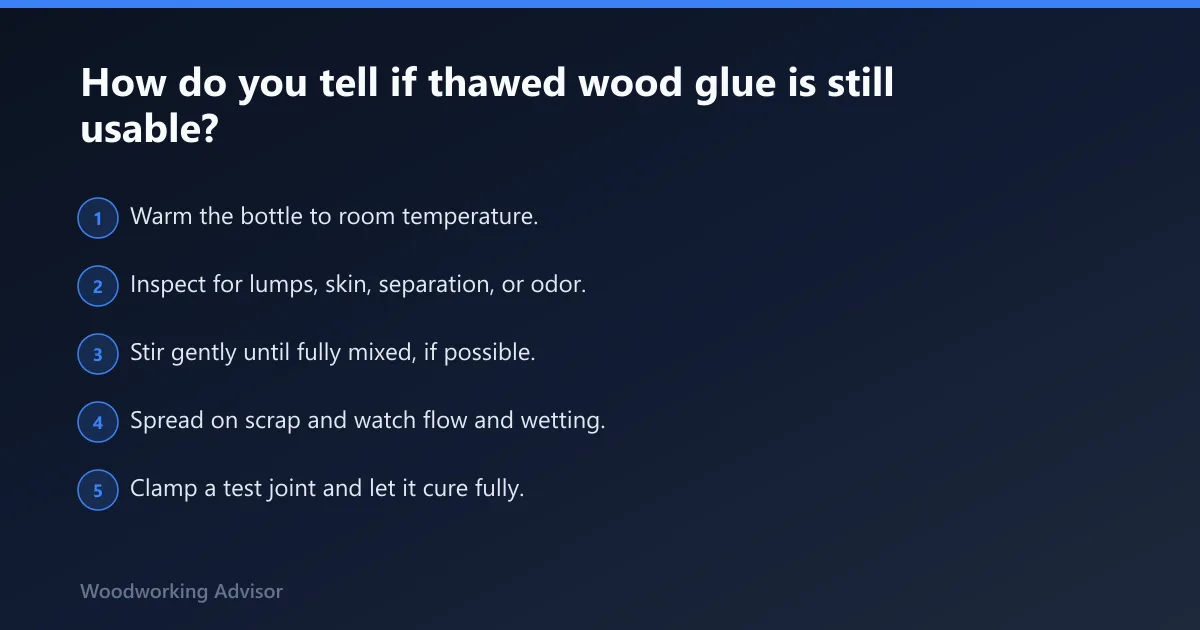
Use a simple check: look at it, feel it, then test it on scrap. Thawed PVA glue is usable only if it returns to a smooth, even liquid, spreads like normal glue, and passes a small cure test. If it stays grainy or stringy, do not risk a real joint.
Appearance check
Pour a small amount into a clean cup. Good glue should look uniform, with even color and no curds, skin, or watery separation. Bad signs include visible lumps, gel bits, clouding, and oily or watery layers that do not blend after gentle stirring.
Texture and spread test
Spread a thin film on scrap with a brush or spreader. The glue should move smoothly and wet the wood without dragging or breaking into strings. If it clots, pulls in threads, or leaves clumps behind, set it aside.
Shaking alone is not enough. Gentle mixing can help bring a stable bottle back together, but hard shaking can trap bubbles and hide the real condition. If the glue still looks off after careful mixing, trust that signal.
Scrap cure test before real work
Make a small lap joint or edge joint on scrap with fresh surfaces and let it cure fully. Clamp normally and let it cure fully. A sound sample should dry hard, grab the wood well, and fail wood fibers before the glue line lets go. If the glue line peels cleanly or feels rubbery, discard the bottle.
- Warm the bottle to room temperature.
- Inspect for lumps, skin, separation, or odor.
- Stir gently until fully mixed, if possible.
- Spread on scrap and watch flow and wetting.
- Clamp a test joint and let it cure fully.
- Reject the glue if the sample peels, powders, or releases weakly.
How should you store wood glue through winter?
Store PVA glue above freezing, in a sealed container, with the cap kept clean and the date written on the bottle. A warm basement or heated shop is usually safer than a garage or shed. If the glue has to live in a cold space, move it indoors before the first hard freeze.
Best storage temperature and location
Keep glue where winter lows stay above freezing. A steady room-temperature shelf is better than a spot that swings between hotter and colder conditions. Avoid windowsills, uninsulated cabinets on exterior walls, and any area where a bottle can sit against frozen concrete.
How to seal, date, and rotate bottles
Wipe the threads before capping. Seal the bottle fully. Mark the purchase date or opening date on the label with a permanent marker. Use older bottles first and keep the newest stock behind them. That simple rotation keeps forgotten half-bottles from aging out.
What to do with garage, shed, and basement storage
Garages and sheds are risky in winter. Basement storage is usually better if it stays dry and above freezing. If an unheated shop space is the only option, move glue indoors during cold snaps and return it only after the weather moderates.
When should you replace old glue instead of risking it?
Replace old glue when the joint matters more than the bottle, when the glue has been frozen more than once, or when it refuses to return to a smooth, creamy consistency. Use questionable glue only for scraps or test pieces. A failed drawer side costs more than a new bottle.
Unopened bottle decision rule
If the bottle is unopened, within date, and stored warm, it is usually worth keeping. If it froze, inspect it after thawing and run the scrap cure test. If the label forbids freezing, or the bottle sat cold for an unknown stretch, replace it before critical work.
Opened bottle decision rule
An opened bottle has a shorter practical life because air exposure and contamination add to the freeze risk. If it is older, partially skinning, or slightly separated before the freeze, the better move is replacement. Opened glue with any doubt belongs on noncritical scraps, not furniture parts.
When thick or separated glue is only fit for test scraps
Thick or separated glue can sometimes still tell you something on practice cuts, but that is the limit. If the bottle will not remix fully, or the scrap test shows weak release, do not trust it for face frames, tabletops, stair parts, or any joint that is hard to redo.
Wood glue freeze-test checklist
Use this one-page rule set after any cold spell. Score each category on a small scale, from 0 to 2. A total score in the higher range means the glue is likely usable for normal work. A total score in the mid range means use the glue only for low-risk scraps. If the score is three or less, the glue should be replaced.
| Category | 2 points | 1 point | 0 points |
|---|---|---|---|
| Appearance | Uniform color, no skin, no separation | Slight haze, minor edge skin that strains out | Lumps, curds, visible layers, bad odor |
| Texture | Smooth, creamy, pours cleanly | Thicker than normal but still mixes smooth | Grainy, stringy, gelled, or gritty |
| Spreadability | Wets wood and spreads evenly | Needs extra effort but still covers well | Drags, clots, or leaves bare spots |
| Cure test | Scrap joint cures hard and fails in wood | Acceptable for light-duty or hidden joints | Peels cleanly, feels rubbery, or crumbles |
Replace-vs-risk decision tree
Start with the project. If the joint is structural, visible, expensive, or hard to repair, replace questionable glue. If the bottle is unopened, within date, and passed the checklist, it can stay in service. If it is opened, old, and only partly recovered, use it only when failure would not matter much.
- Was the glue frozen?
- If no, use normal shelf-life checks.
- If yes, warm it to room temperature.
- Inspect appearance, texture, and smell.
- Run a scrap cure test.
- If any step fails, replace the bottle.
- If all steps pass, use it only for the work level the bottle deserves.
Frequently asked questions
Can you freeze wood glue to make it last longer?
Freezing is not a storage method for most PVA wood glue. Cold can break the water emulsion and leave the bottle with separated layers, curds, or weak bond performance. If the label does not say freezing is acceptable, store it above freezing instead.
Is frozen wood glue still good after thawing?
Sometimes, but only after inspection and a scrap test. If the glue returns to a smooth, even texture and passes a small cured joint test, it may still be usable for noncritical work. If it stays lumpy, stringy, or weak, discard it.
How should wood glue be stored to extend shelf life?
Keep it sealed, dated, and above freezing in a stable location. A heated shop or basement is better than a garage or shed. Clean the cap threads, rotate older bottles first, and avoid leaving glue in a cold truck or near an exterior wall.
How do you know if wood glue has gone bad?
Bad wood glue often shows lumps, skin, separation, bad odor, stringiness, or a grainy feel. It may also spread unevenly or fail a scrap joint test. If it will not remix to a smooth cream, or the test joint peels weakly, replace it.
What temperature should wood glue be kept at?
Keep wood glue above freezing and as close to room temperature as practical. The exact lower limit depends on the product label, but cold storage is where trouble starts for most PVA formulas. A steady indoor shelf is safer than a space that freezes overnight.
Does PVA wood glue expire even if unopened?
Yes. Unopened bottles last longer than opened ones, but they still age. Date code, storage temperature, and freeze exposure all matter. A sealed bottle stored warm may be fine for a long time, while a sealed bottle that froze may need testing before use.
Can you save old wood glue that is thick or separated?
Maybe, but only if it remixes fully and passes a scrap cure test. Thickened or slightly separated glue can sometimes still work on low-risk pieces. If the bottle stays grainy, stringy, or weak after warming and mixing, it is safer to replace it.
Sponsored / affiliate links. As an Amazon Associate I earn from qualifying purchases. I may earn additional commission from eligible campaigns.