Is It Normal for 6×6 Posts to Crack? Yes — Here’s When to Worry
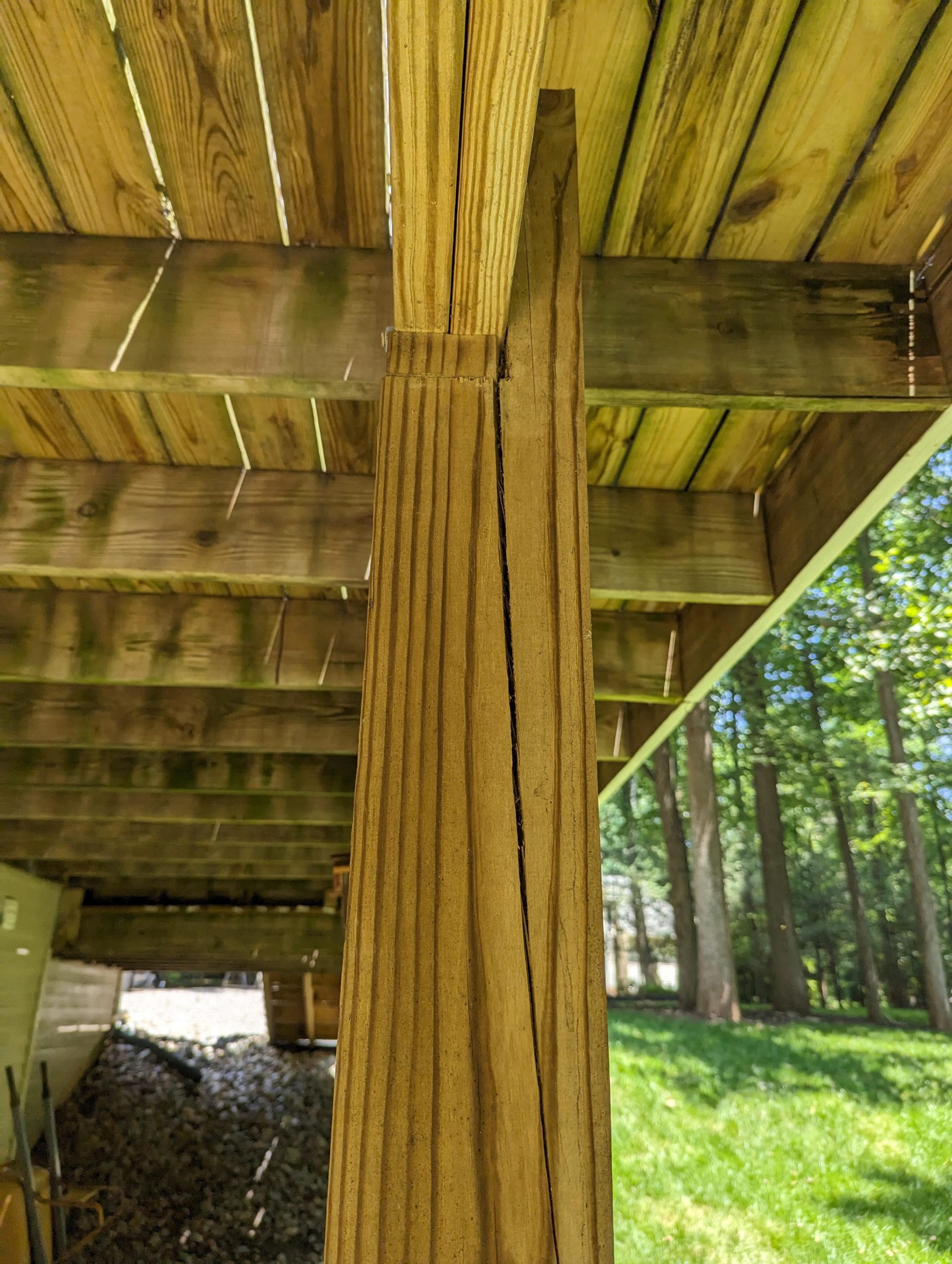
Yes, it’s normal for a 6×6 post to develop a crack, and in most cases it isn’t a sign anything is wrong. These cracks, called checks, form as the outer wood dries and shrinks faster than the still-damp core underneath. It’s one of the most common things homeowners notice on deck posts, fence posts, and porch columns, and on its own it rarely means the post is failing.
Why 6×6 Posts Develop Cracks
Best For Sealing And Repairing A Checked Post
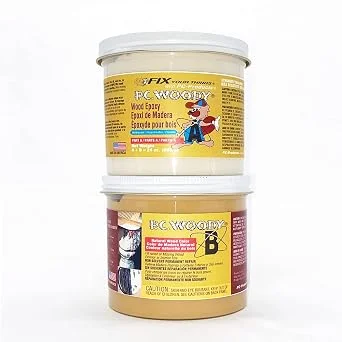 |
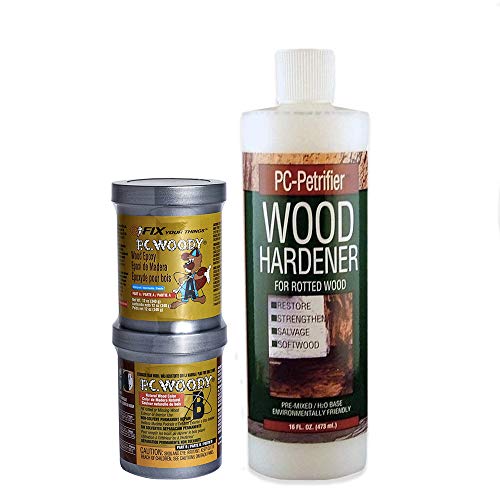
PC-Woody Wood Repair Epoxy Paste, 24 oz – $25.95 A two-part epoxy paste built to fill a check or split so it stays weatherproof, sandable, and paintable once it cures.
|
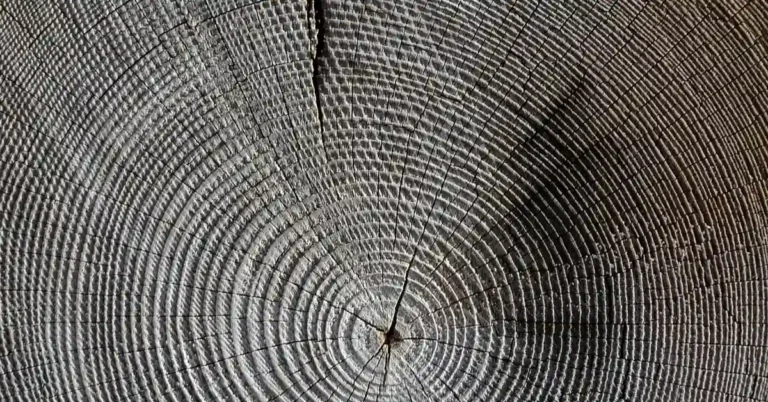
Every piece of lumber holds moisture unevenly. When a 6×6 is milled, the surface is exposed to air right away while the center of the post can stay damp for months or even years, since wood loses moisture far more slowly through its end grain than most people expect. As the outside dries and shrinks first, it pulls against the wetter, still-swollen core. Once that pulling force is stronger than the wood fibers can hold, the surface gives way in a straight line along the grain – that line is the check you’re looking at.
Pressure-treated pine, the most common material for 6×6 posts, is especially prone to this because the treatment process saturates the wood with liquid preservative right before it’s shipped and installed. That post is often still far wetter than its final in-service moisture content when it goes into the ground or onto a footing, so a fair amount of drying – and checking – happens after the post is already load-bearing. Cedar and redwood check less because they’re naturally lower in moisture and more dimensionally stable, but they aren’t immune, especially in a hot, dry, sunny location.
Surface Checks vs. Structural Splits
Not every crack in a post is the same kind of crack, and telling them apart is what actually matters.
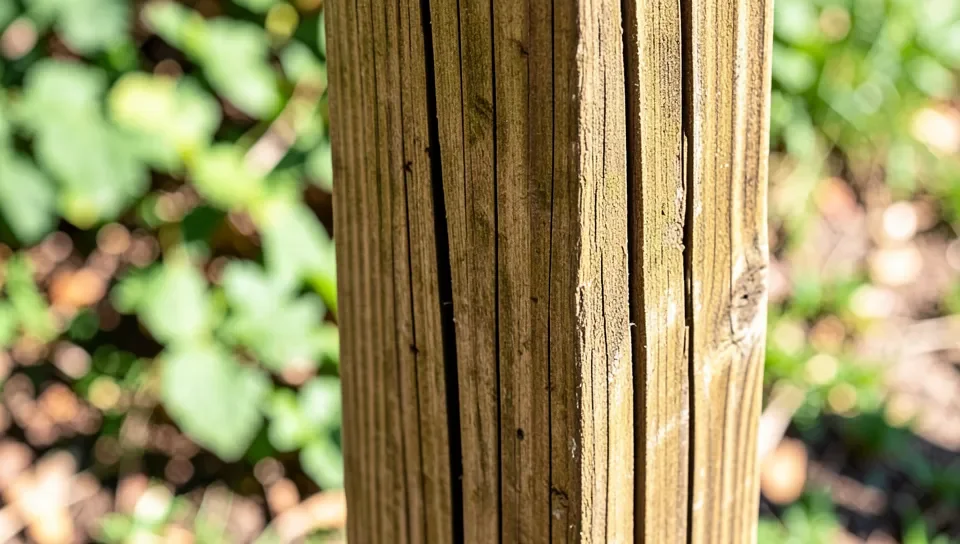
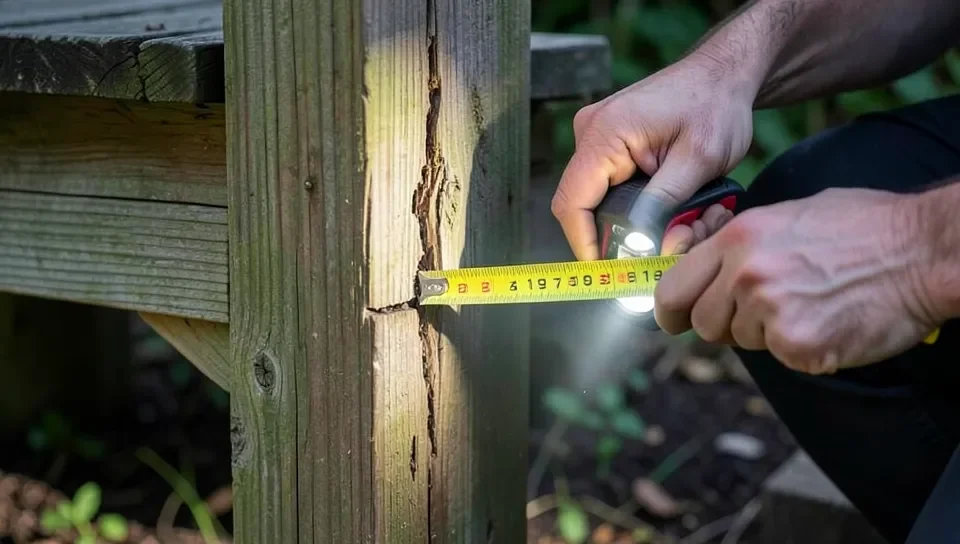
- Surface checks run along the grain, are usually under 1/4 inch wide, and taper off within an inch or two of the surface. They open and close slightly with the seasons as the wood keeps adjusting to humidity, and they don’t meaningfully affect how much load the post can carry.
- Deep splits extend well into the cross-section – sometimes most of the way through – and can keep growing over time, especially if the post sees repeated wetting and drying at the same spot, like near a sprinkler head or a gap in flashing.
A rough rule of thumb: if a check is shallower than about a third of the post’s 5.5-inch actual width, it’s almost always cosmetic. Past that, or if you can see two separate checks meeting to form a wedge, it’s worth a closer look.
When a Crack Signals a Real Problem
A post’s job is to transfer load straight down its length, and wood is actually very good at carrying that kind of compression even with a check running through part of it, because the fibers on either side of the crack are still pressing against each other. What changes the picture is a crack combined with something else going on.
- The post feels soft, spongy, or crumbly at the crack – that’s rot, not drying, and rot doesn’t stop on its own.
- The crack sits right at a bolted or nailed connection, like where a beam or joist saddle attaches – splitting at a fastener location can reduce how much load that connection actually holds.
- The post visibly leans, twists, or has shifted at its base since the crack appeared.
- Water collects inside the crack instead of draining or drying out, which speeds up rot from the inside.
If none of those apply, you’re almost certainly looking at ordinary seasonal checking that every outdoor post develops sooner or later.
How to Prevent Excess Cracking
You can’t stop wood from drying, and you shouldn’t want to – but you can slow it down and make it more even, which is what actually reduces checking.
- Seal every cut end as soon as you make it. End grain loses moisture ten to fifteen times faster than the sides of a board, which is why checks so often start right at a post’s freshly cut top or base.
- Choose kiln-dried-after-treatment (KDAT) lumber when it’s available – it starts out closer to its final moisture content, so there’s less shrinking left to do once it’s installed.
- Keep the post out of standing water and away from sprinkler spray, since repeated soaking and drying at one spot is what turns a small check into a growing split.
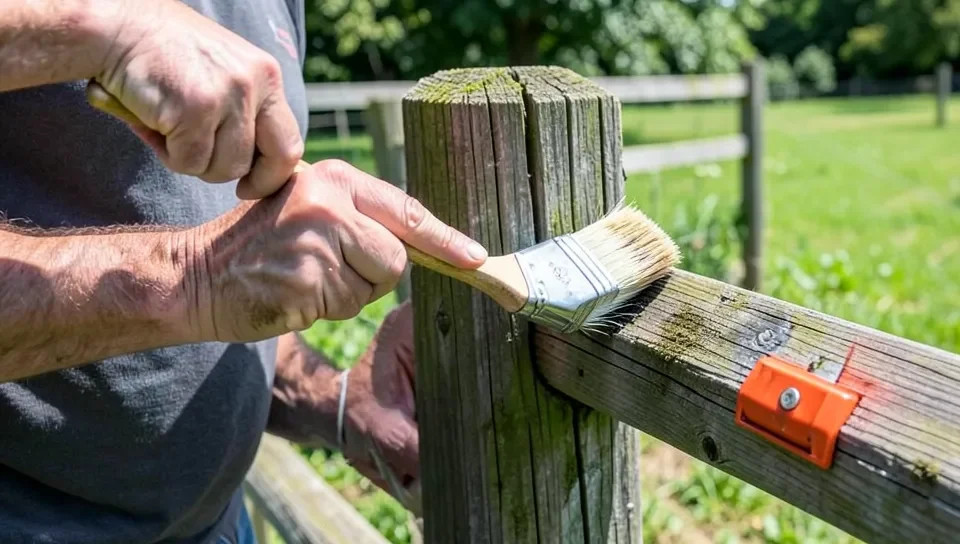
- Apply an exterior wood finish or sealer and refresh it every one to two years. This won’t stop checking entirely, but it evens out how fast moisture moves in and out.
Repairing a Cracked 6×6 Post
For a shallow, cosmetic check, a two-part exterior wood epoxy is the most durable fix: clean out any dirt or old finish, press the epoxy into the crack with a putty knife, let it cure fully, then sand it flush and refinish to match. Unlike a caulk or a latex filler, a cured epoxy won’t shrink back out of the crack or wash out in the rain.
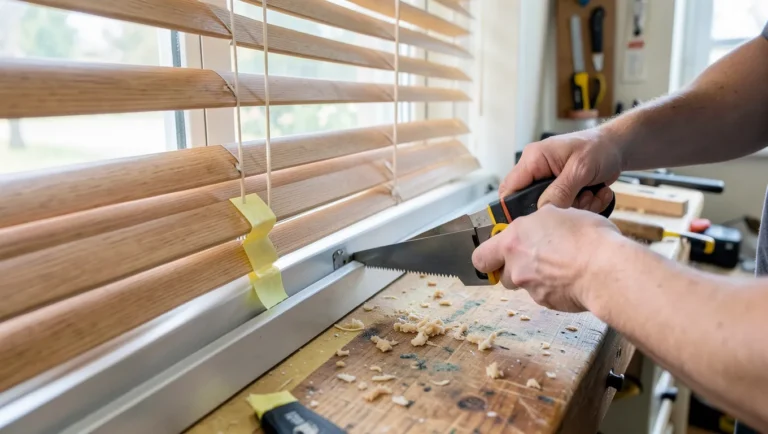
If the post has failed instead of just checked – deep rot, a split that’s opened into two pieces, or visible movement at the base – replacement is the right call rather than a repair. Remove the old post, cut a new one to length, and reset it plumb and secure. A
12-inch sliding miter saw makes a clean single-pass square cut on 6×6 stock, which matters for getting a solid, flat bearing surface where the post meets its footing or base connector.
When to Call a Professional
Most checked posts are a five-minute inspection and, at most, a weekend repair. Bring in a contractor or structural engineer if the post carries a significant load (a second-story deck ledger beam, for example), if you find rot alongside the crack, if the post has visibly shifted, or if you’re simply not sure whether what you’re looking at is cosmetic. It’s a small cost compared to what a failed post could mean for the structure above it.
Frequently Asked Questions
Why Do 6×6 Posts Crack?
Wood keeps losing moisture from the outside in long after it’s been cut and installed. As the outer fibers shrink faster than the wetter core, tension builds along the length of the post until the surface splits open in a straight line. That split is called a check, and it’s the wood’s normal way of relieving that stress.
Are Cracks In 6×6 Posts Dangerous?
Most are not. A shallow check that follows the grain and doesn’t go more than an inch or so into the wood is cosmetic and won’t reduce how much weight the post can carry. A crack becomes a real concern only if it runs most of the way through the post, splits the post into separate pieces, or shows up at a load-bearing connection like a beam saddle.
How Can I Prevent 6×6 Posts From Cracking?
Start with kiln-dried or incised pressure-treated lumber, which checks less than green or surface-treated stock. Seal the cut ends and any newly exposed faces with an end-grain sealer or exterior wood finish, keep the base out of standing water, and re-coat the post every couple of years so it dries and rewets more slowly and evenly.
Should I Replace A Cracked 6×6 Post?
Not for a typical surface check. Replace the post if the crack runs through more than half the post’s width, if you can see daylight through it, if it’s located right at a structural connection, or if the post also feels soft or spongy, which points to rot rather than ordinary drying.
Conclusion
A crack in a 6×6 post is almost always just wood doing what wood does as it dries – not a defect and not, by itself, a structural failure. Check the depth, watch for the real warning signs above, and seal or fill it if it bothers you. Reserve full replacement for the cases where rot, a deep split, or movement at the base is involved.
Sponsored / affiliate links. As an Amazon Associate I earn from qualifying purchases. I may earn additional commission from eligible campaigns.