Is MDF Waterproof When Painted: Stunningly Essential
No, MDF is NOT inherently waterproof, even when painted. While a quality paint job can offer significant water resistance, it doesn’t make MDF truly waterproof. For wet areas, it’s best to use alternatives or add extra protective layers. We’ll show you how to make painted MDF as water-resistant as possible for your projects!
Working on a DIY project can be incredibly rewarding. You bring your ideas to life with your own hands! Sometimes, though, you encounter materials that leave you scratching your head. “Can I use this here? Will it hold up?” MDF (Medium-Density Fibreboard) is one of those materials. It’s affordable and smooth, making it great for painting, but a big question often pops up: “Is MDF waterproof when painted?
It’s a frustrating concern, especially when you envision your beautiful painted creation getting a splash of water. Don’t you worry! This guide is here to clear things up. We’ll break down exactly what you need to know about MDF and water, and how to get the best protection for your painted projects. Let’s dive in and make your woodworking dreams a reality, safely and smartly!
Understanding MDF and Water: The Basics
Before we talk about painting, let’s get a clear picture of what MDF is and how it behaves around moisture. MDF is made by breaking down hardwood and softwood into wood fibres, then combining them with wax and resin binder. This mixture is heated and pressed into flat, dense sheets. It’s this process that gives MDF its smooth, splinter-free surface, making it a dream for painters. However, it also means there are no natural grains or resins to repel water like solid wood.
When MDF gets wet, it doesn’t just warp; it can swell significantly. The fibres absorb water, push apart, and lose their structure. This swelling is often irreversible, meaning even after it dries, the MDF can remain distorted and weaker than before. Think of it like a sponge—it soaks up water, expands, and when it dries out, it’s never quite the same. This is why many DIYers and professionals hesitate to use MDF in areas prone to moisture, like bathrooms or kitchens.
Painting MDF: Does it Make it Waterproof?
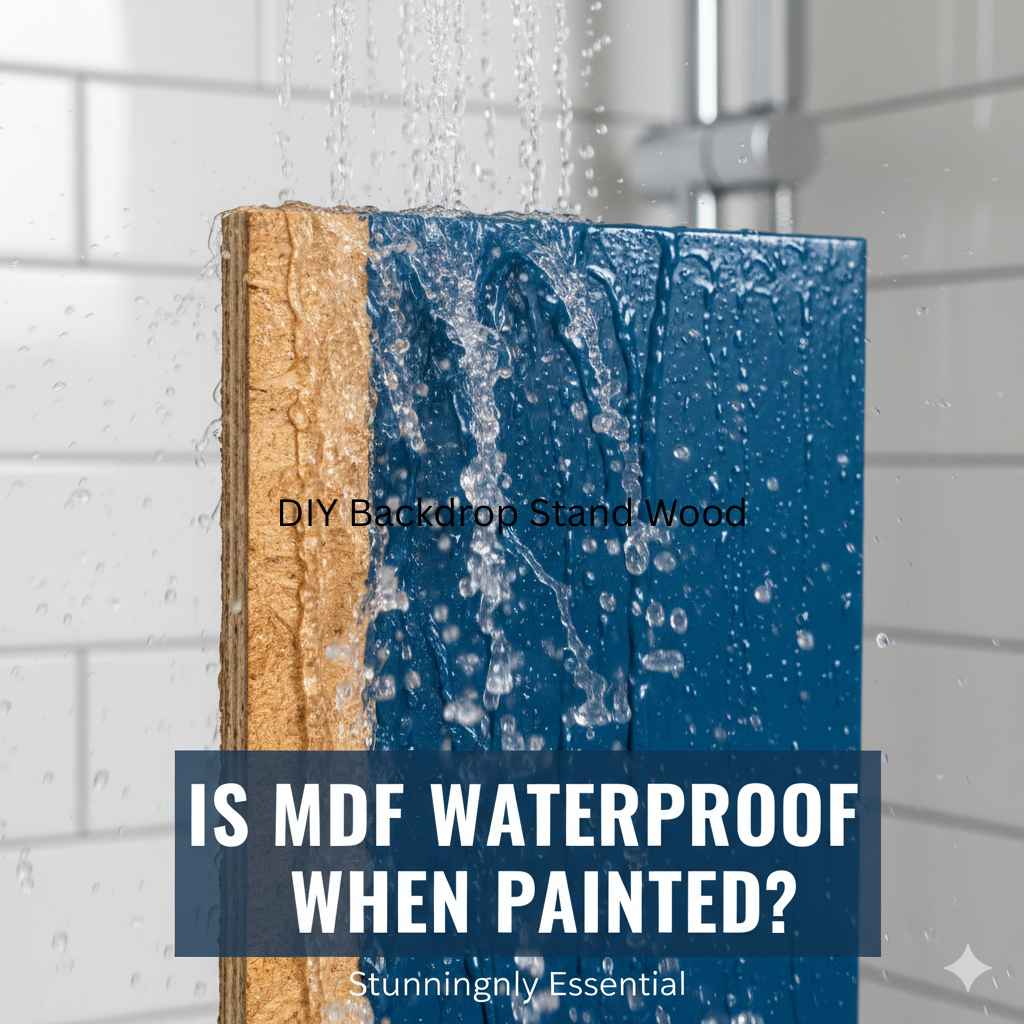
This is the million-dollar question! Painting MDF can definitely improve its resistance to moisture, but it’s crucial to understand what “resistance” means here. A well-applied paint job acts as a barrier. It prevents water from directly soaking into the wood fibres. However, it’s like putting on a raincoat; it protects you from a light shower, but being caught in a monsoon will likely still get you wet.
The effectiveness of the paint depends on several factors:
- Type of Paint: Some paints offer better moisture protection than others.
- Number of Coats: More coats generally mean better coverage and sealing.
- Primer: Using a good primer is essential for sealing the MDF and ensuring the paint adheres well.
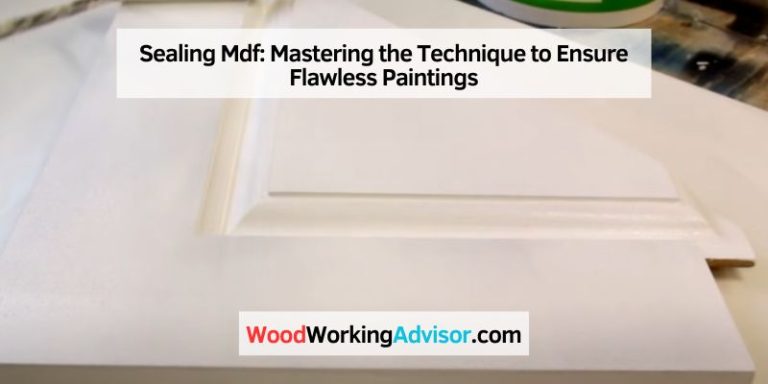
- Sealing Edges and Cut Ends: These are the most vulnerable areas and need extra attention.
- Immersion vs. Splashes: Is the MDF going to be constantly wet, or just exposed to occasional splashes?
For casual splashes or a slightly humid environment, painted MDF might be perfectly fine. But if your project will be submerged in water or sit in a consistently damp place, even the best paint job won’t be enough to make it truly waterproof.
When Painted MDF is a Good Choice (and When It’s Not)
Let’s be realistic about where painted MDF can shine and where it’s best to avoid it.
Good Choices for Painted MDF:
- Decorative elements: Shelves, wall paneling (wainscoting), decorative trim in living rooms, bedrooms, or hallways.
- Furniture: Tables, dressers, cabinets in drier areas of the home.
- Craft projects: Items that are purely decorative or functional in dry environments.
- Areas with minimal moisture: Think dry office spaces or formal dining rooms.
Poor Choices for Painted MDF:
- Direct contact with water: Shower walls, bathtub surrounds, sink bases if leaks are common.
- High-humidity areas without ample ventilation: Unventilated bathrooms, steamy kitchens near the stovetop, laundry rooms.
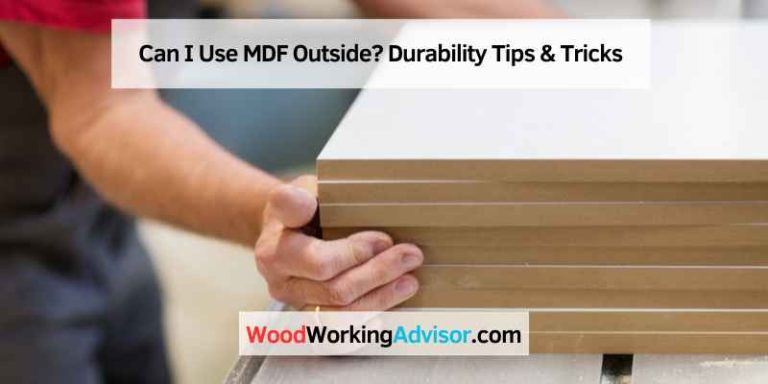
- Outdoor projects: MDF degrades quickly when exposed to the elements.
- Subflooring or areas prone to spills: Even sealed, prolonged exposure will cause damage.
It’s all about managing expectations and understanding the material’s limitations. When in doubt, it’s always better to err on the side of caution and choose a more water-resistant material.
How to Maximize Water Resistance in Painted MDF
If you’ve decided to use MDF and want to give it the best possible protection against moisture, follow these essential steps. This isn’t about making it truly waterproof, but about making it as water-resistant as achievable for your project.
Step 1: Choose the Right MDF (If You Have Options)
While standard MDF is common, you might encounter moisture-resistant MDF. This type is often colored green and has added resins to increase its density and swelling resistance. It’s a better starting point for projects where moisture is a concern, though still not entirely waterproof. If you can’t find moisture-resistant MDF, don’t worry—we can still improve standard MDF’s performance.
Step 2: Proper Surface Preparation is Key
Before any paint touches MDF, the surface needs to be perfectly prepped. This is non-negotiable for a good finish and better protection.
- Clean the Surface: Ensure the MDF is free from dust, grease, and any debris. A slightly damp cloth can work, but let it dry completely afterward.
- Sand Smooth: Gently sand the MDF surface with fine-grit sandpaper (around 120-150 grit). This helps to create a smooth canvas for the primer and paint, and also helps the primer adhere better. Wipe away all dust with a tack cloth or a slightly damp, lint-free cloth.
- Fill Holes and Imperfections: If there are any dings or screw holes, fill them with a good quality wood filler. Let it dry completely, then sand it smooth and flush with the surface.
Step 3: Apply a High-Quality Moisture-Resistant Primer
This is arguably the most crucial step for water resistance. A good primer seals the porous surface of MDF and provides a base for your paint to adhere to properly. For moisture protection, an oil-based or a shellac-based primer is often recommended. These primers create a harder, more impermeable seal than standard latex primers.
Key considerations for priming:
- Coverage: Ensure you get complete, even coverage.
- Edges and Cut Ends: Pay extra attention to the edges and any cut ends of the MDF. These are like the “open doors” for water to seep in. Apply multiple coats of primer to these areas. Some people even brush on a thin layer of waterproof wood glue or a specific edge sealer first to create an extra barrier.
- Drying Time: Let the primer dry thoroughly according to the manufacturer’s instructions before moving to the next step.
For more information on primers and their properties, resources like Building Science Information offer excellent insights into material performance against moisture.
Step 4: Choose the Right Paint and Apply Generously
Once primed, it’s time for paint. For the best moisture resistance, opt for a high-quality interior paint. Oil-based enamel paints are known for their durability and moisture resistance, though they can be trickier to work with and have stronger fumes. Modern water-based acrylic enamels or latex paints with a satin or semi-gloss finish are also great options and much easier to use.
Painting Tips for Water Resistance:
- Multiple Coats: Apply at least two to three thin coats of paint. This builds up a more robust barrier than one thick coat.
- Complete Coverage: Just like the primer, ensure you paint every surface, paying special attention to edges, corners, and cut ends.
- Durable Finish: Paints labeled “kitchen & bath” or “scuff-resistant” often have enhanced durability and moisture-repelling properties.
- Curing Time: Allow the paint to cure fully. This can take several days to a couple of weeks, depending on the paint type. During the curing process, the paint hardens and achieves its maximum durability and water resistance.
Step 5: Consider Extra Sealing for High-Risk Areas
If your project is near a sink, in a bathroom, or anywhere it might encounter more than a casual splash, you can add extra layers of protection. After your final coat of paint has thoroughly dried and cured, you could apply a clear, waterproof sealant or a topcoat specifically designed for moisture protection. Products like a marine-grade spar varnish or a polyurethane topcoat can add a significant layer of defense.
Important Note: Always test any sealant or topcoat on a scrap piece of MDF first to ensure it doesn’t react with your paint and provides the desired finish.
Types of Paint and Their Water Resistance Properties
Not all paints are created equal when it comes to battling moisture on MDF. Understanding the differences can help you make the best choice for your project.
| Paint Type | Pros | Cons | Water Resistance |
|---|---|---|---|
| Oil-Based Enamels | Extremely durable, hard finish. Excellent adhesion. Good moisture and stain resistance. | Strong fumes, requires mineral spirits for cleanup. Longer drying times. Can yellow over time. | Very High |
| Water-Based Acrylic Enamels / Latex Paints | Easy to use, low odor, quick drying, easy cleanup with water. Available in many finishes. | Less durable than oil-based unless specifically formulated. May require more coats for best coverage. | Moderate to High (especially high-quality formulations) |
| Specialty “Kitchen & Bath” Paints | Formulated with mildewcides and enhanced moisture resistance. Good durability. | Can be more expensive. Limited color selection sometimes. | High |
| Polyurethane/Varnish (as a topcoat) | Adds a robust protective layer to paint. Excellent durability and water resistance. | Can alter the sheen of the paint. Requires careful application to avoid brush marks. | Very High (adds to paint’s resistance) |
For the DIYer, high-quality water-based acrylic enamels designed for durability are often the sweet spot, balancing ease of use with good protection.
Alternative Materials for Wet Areas
Sometimes, despite your best efforts, MDF simply isn’t the right material for the job. If your project involves significant exposure to water, moisture, or humidity, consider these alternatives:
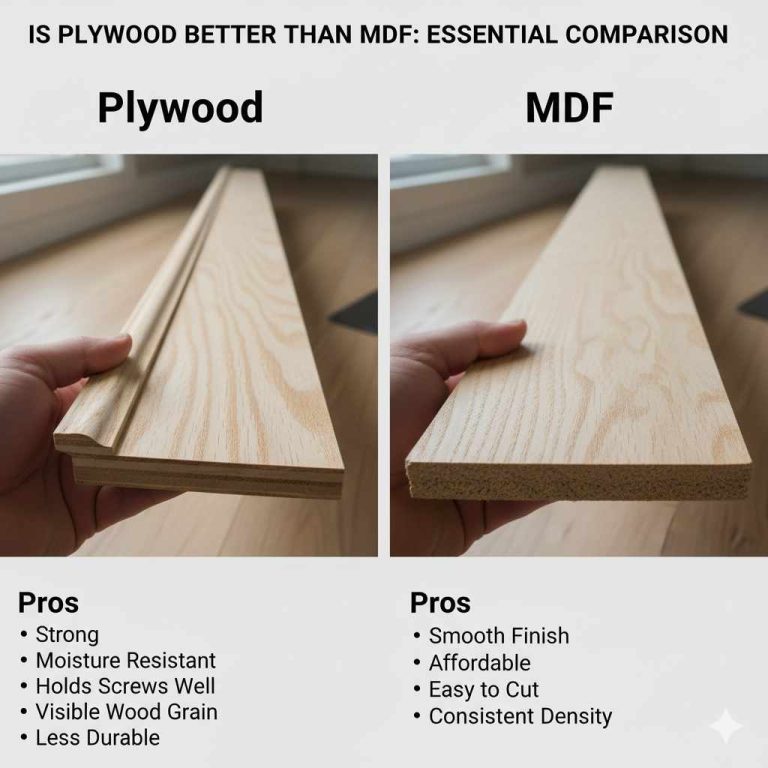
- Plywood: Exterior-grade or marine-grade plywood is significantly more resistant to moisture than MDF. It uses waterproof glues and has layers that make it more stable.
- Solid Wood: Naturally resistant woods like cedar, cypress, or teak can be used, although they are more expensive. Other hardwoods, when properly sealed, can also work.
- Moisture-Resistant Particleboard (MRPB): Similar to MDF but designed with water-repellent additives. Always check the manufacturer’s rating for its intended use.
- PVC or Composite Boards: These are completely waterproof and ideal for very wet environments like shower stalls or boat building. They can be more challenging for DIYers to cut and join.
- Cement Board: Primarily used as a substrate for tile in wet areas like showers, cement board is inherently waterproof and stable.
The Fine Homebuilding website has excellent guides on selecting materials for various building applications, including those exposed to moisture.
FAQ Section
Q1: Can I paint MDF for a bathroom vanity?
A: You can, but with extreme caution and thorough sealing. A bathroom vanity is exposed to splashes and high humidity. Use moisture-resistant MDF (if available), a high-quality moisture-resistant primer (oil or shellac-based), and multiple coats of durable, preferably satin or semi-gloss, paint. Ensure excellent ventilation in the bathroom. However, for maximum longevity and to avoid potential swelling or delamination, consider using exterior furniture-grade plywood or a marine-grade plywood instead.
Q2: How many coats of paint are needed for MDF to resist water?
A: It’s not just about the number of coats, but their quality and coverage. Typically, at least two to three thin, even coats of paint are recommended after priming. The goal is to create a seamless, unbroken barrier over the entire surface, including all edges.
Q3: Does sealing MDF edges make it waterproof?
A: Sealing MDF edges significantly improves their water resistance by preventing water absorption through the porous end grain. This is a critical step for any project where moisture is a concern. However, it doesn’t make the MDF waterproof. It’s a vital part of making it water-resistant.
Q4: What’s the difference between water-resistant and waterproof?
A: Water-resistant materials can repel water to a certain extent or for a limited time. They are designed to withstand occasional splashes or light exposure to moisture. Waterproof materials, on the other hand, are impervious to water; they will not absorb water or be damaged by it, even when submerged for extended periods.
Q5: Can I use regular latex paint on MDF for a kitchen cabinet?
A: For a kitchen cabinet, which can be exposed to steam, spills, and cleaning, simply using regular latex paint might not be sufficient for long-term durability. It’s best to use a high-quality acrylic enamel or a specialist “kitchen & bath” paint. Always prime first and apply multiple coats. Oil-based enamels or a good quality polyurethane topcoat will offer even better protection if durability is a top priority.
Q6: Will painting MDF prevent it from swelling?
A: Painting MDF offers a degree of water resistance, which can help reduce swelling by preventing moisture from reaching the wood fibres. However, if the MDF is fully submerged or exposed to prolonged moisture, water can eventually find its way through or around the paint layer, leading to swelling. It’s a protective barrier, not an impenetrable shield.