What to Do If You Breathe in MDF Dust: 5 Steps to Take Right Now
Breathing in MDF dust means leaving the area for fresh air immediately — a standard dust mask alone won’t block the formaldehyde vapor MDF releases when it’s cut or sanded. Repeated exposure without an organic-vapor respirator can trigger asthma-like symptoms or chronic bronchitis, according to OSHA and NIOSH. This guide covers the five immediate steps, when symptoms mean you need a doctor, and the respirator upgrade most woodworkers skip.
Quick Answer
If you breathe in MDF dust, leave the area for fresh air immediately, then rinse your eyes and nose and drink water to soothe your throat. Seek medical care if wheezing, chest tightness, or a cough lasts more than 24 hours. A standard dust mask won’t block formaldehyde vapor — use a NIOSH-approved formaldehyde/organic-vapor respirator for repeat MDF work.

Immediate Steps If You Breathe In MDF Dust
Best MDF Dust Respirator Pick
3M Professional Half Mask Organic Vapor, P95 Respirator – $43.51
Combines an organic-vapor cartridge with a P95 particulate filter in one reusable half mask — the exact combination this guide recommends for repeated MDF cutting or sanding sessions.
- Best for: Regular MDF cutting, routing, or sanding sessions
- Why we picked it: Covers both the dust and the formaldehyde vapor gap this guide flags — not particulate protection alone
- Main drawback: Needs a proper fit check and cartridge replacement over time; overkill for a single quick cut
Compare more MDF dust protection options
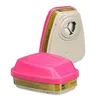 Option 1 3M P100/OV Cartridge (Formaldehyde-Rated) – $30.99
|
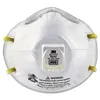 Option 2 3M 8210V Particulate Respirator (10-Pack) – $22.09
|
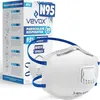 Option 3 VEVOX N95 Valved Masks (20-Pack) – $34.99
|
As an Amazon Associate we earn from qualifying purchases.
Do these five things in order, starting the moment you notice you’ve inhaled a cloud of MDF dust:
- Leave the area immediately. Move to fresh outdoor air or a ventilated room away from the dust source — this stops further exposure, which matters more than anything else you do next.
- Blow your nose gently and rinse your eyes. Use clean water to clear settled dust from your nasal passages and eyes without rubbing, which can push particles deeper or scratch the eye surface.
- Shake dusty clothing outside. Removing and shaking out a dust-covered shirt or apron before going back indoors keeps you from re-breathing settled sawdust later.
- Drink water. This loosens mucus and soothes a throat that’s dry or scratchy from the dust.
- Monitor your breathing for 24 hours. Mild throat scratchiness from a single short exposure usually clears on its own. Wheezing or chest tightness does not — that’s your signal to move to the next step.
How Long MDF Dust Symptoms Usually Last
MDF dust irritation is a short-term reaction to formaldehyde vapor and fine wood particles hitting your airway. From a single brief exposure — a few minutes without a mask — expect coughing, sneezing, and a scratchy throat that settles within a few hours once you’re breathing clean air. Symptoms that persist past 24 hours, or that show up every time you work with MDF, point to repeated or heavier exposure rather than a one-off irritation.
A study of MDF furniture factory workers in Thailand found that respiratory symptoms — cough, wheeze, and chest tightness — became more common the longer someone worked around MDF dust and formaldehyde, not just after a single exposure. That’s the pattern to watch for if you cut or sand MDF regularly: occasional light-headedness or throat irritation isn’t unusual, but symptoms that get worse over weeks or months are not something to just push through.
📊 OSHA sets the 8-hour wood dust exposure limit at 5 mg/m³ (10 mg/m³ short-term), and NIOSH recommends a stricter 1 mg/m³. OSHA’s separate formaldehyde limit is 0.75 ppm (2 ppm short-term) — because MDF resin releases formaldehyde gas as it’s cut, not just dust. Source: OSHA Wood Dust — Hazard Recognition
When to See a Doctor
Call your doctor if a cough, sore throat, or breathing difficulty from MDF dust exposure lasts more than a day, or if you develop a rash or eye irritation that doesn’t clear after washing. Mention the formaldehyde exposure specifically — it changes how a doctor evaluates persistent respiratory symptoms.
Emergency Situations
Go to the emergency room or call 911 for trouble breathing, chest pain, swelling of the face or throat, or coughing up blood. These are not symptoms to wait out at home, even if they started with what felt like ordinary dust irritation.
Why a Standard Dust Mask Isn’t Always Enough
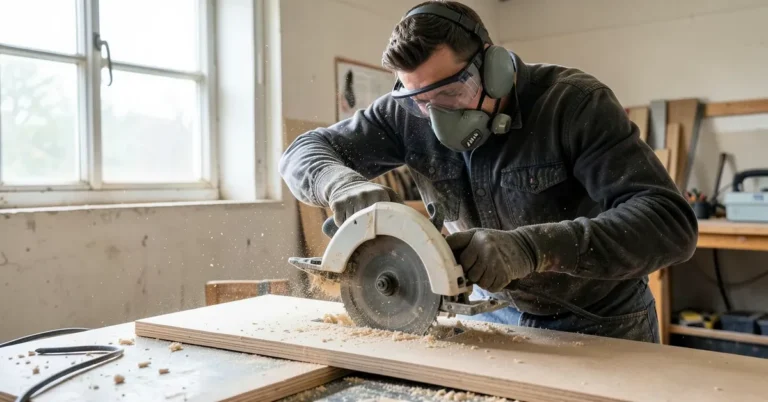
A basic N95 or paper dust mask is built to filter solid particles — it does nothing to stop formaldehyde, which is a gas, not a particle. For a quick pass with hand sanding, an N95 is enough. But if you’re cutting, routing, or sanding MDF for more than a few minutes at a stretch, or doing it regularly, you need a respirator fitted with a formaldehyde/organic-vapor cartridge rated specifically for formaldehyde — a generic “organic vapor” cartridge alone does not cover it. This is the gap most home woodworkers miss: they upgrade to a better dust mask and assume they’re covered, when the actual risk from MDF is partly a gas problem, not just a dust problem.
“Wear a NIOSH-approved dust respirator whenever cutting, sanding, or machining MDF, and increase ventilation to keep dust and formaldehyde vapor below recommended exposure limits.”
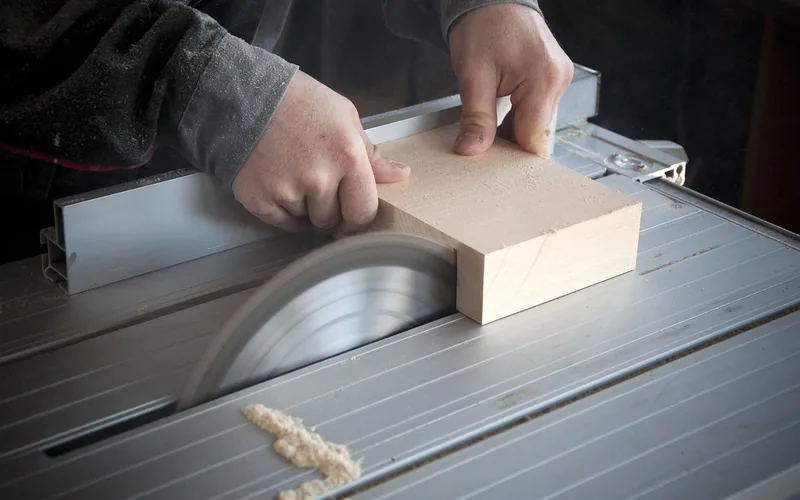
Long-Term Health Risks From Repeated MDF Dust Exposure
Occasional MDF work with proper protection carries low risk. Repeated, unprotected exposure is a different picture — OSHA and NIOSH both list wood dust as a cause of chronic bronchitis, reduced lung function, and (for some hardwood species) nasal cancer with sustained occupational exposure, and formaldehyde specifically is classified as a known human carcinogen at high, sustained exposure levels. If you work with MDF often, get a baseline check of your lung function from a doctor and repeat it periodically rather than waiting for symptoms to show up first — by the time symptoms are obvious, some of the irritation has usually been building for a while.
How to Protect Yourself Next Time
- Wear the right respirator — an N95 for brief hand-sanding, a formaldehyde/organic-vapor cartridge respirator for cutting, routing, or extended sanding.
- Wear gloves and goggles to keep dust off your skin and out of your eyes.
- Work in a well-ventilated area or run a box fan exhausting outdoors — MDF dust and formaldehyde vapor both need somewhere to go.
- Use dust collection at the source. A shop vac or dust collector attached directly to the saw or sander catches most particles before they become airborne — see our guide on how to reduce dust when sanding wood.
- Wet-cut when practical. A light mist on the cut line before scoring MDF cuts down on airborne dust, though it’s not practical for every cut.
Cleaning Up MDF Dust Safely
Vacuum with a HEPA-filter vacuum first — it traps the fine particles a standard shop vac lets pass back into the air. Wipe surfaces with a damp cloth rather than a dry one, since dry wiping just redistributes dust into the air. Mop floors with a wet mop for the same reason, and open windows while you clean to help clear whatever gets stirred up.
Bag dust and debris in sealed plastic bags before disposal — check your local waste rules, since some areas treat treated-wood or resin-bonded dust differently from plain sawdust. Wash clothing worn during cleanup separately in hot water, and keep it out of the regular laundry until it’s been through a wash cycle.
For more on the material itself, see our guides on whether it’s safe to cut MDF and whether MDF is still considered dangerous today, or browse the full MDF safety and handling hub for related guides.
Frequently Asked Questions
What Happens If You Inhale MDF Dust?
Inhaling MDF dust irritates your respiratory system, causing coughing, sneezing, and a scratchy throat as formaldehyde vapor and fine particles hit your airway. A short, one-time exposure usually clears within a few hours in fresh air. Repeated exposure without protection can lead to more persistent respiratory irritation over time.
Are MDF Fumes Toxic?
Yes — MDF fumes are toxic in the sense that cutting or sanding releases formaldehyde gas from the resin binder, which can irritate eyes, nose, and throat and is classified as a carcinogen at sustained high exposure. Working in a ventilated area with the right respirator keeps exposure well below OSHA and NIOSH limits.
How Do You Clear Your Lungs After Inhaling MDF Dust?
Move to fresh air first, then drink warm fluids to help clear mucus and use gentle deep-breathing to help clear residual irritation. A humidifier or a few minutes of steam can loosen congestion. If coughing or tightness persists past 24 hours, or you’re bringing up dark mucus, see a doctor rather than continuing to self-treat.
What Happens If You Inhale Too Much Wood Dust Over Time?
Long-term, unprotected wood dust exposure is linked to chronic bronchitis, reduced lung function, and skin or eye irritation, with some hardwood dusts specifically linked to nasal cancer at sustained occupational exposure levels. Protective gear and dust collection are what keep casual and hobby-level MDF work from reaching that kind of exposure.
Can a Regular Dust Mask Stop Formaldehyde From MDF?
No — a standard N95 or paper dust mask filters solid particles but does not stop formaldehyde gas. For repeated MDF cutting or sanding, use a respirator fitted with a cartridge specifically rated for formaldehyde/organic vapor, not a generic dust mask or a plain organic-vapor cartridge alone.
Conclusion
Breathing in MDF dust once, briefly, is rarely a medical emergency — leave the area, rinse off, drink water, and watch for symptoms that don’t clear within a day. The bigger risk is repeated exposure without the right gear, since a standard dust mask only handles half the problem. Pair dust collection and ventilation with a formaldehyde-rated respirator for any regular MDF work, and get medical attention if symptoms persist or if you notice a pattern building session after session. For more on handling the material safely, see our guide on what happens if you don’t prime MDF.
Sponsored / affiliate links. As an Amazon Associate I earn from qualifying purchases. I may earn additional commission from eligible campaigns.