Can a Dead Tree Be Used for Firewood?
Use this matrix first. It separates usable dead wood from wood that should stay in the woodshed, and it keeps the decision on condition rather than on the fact that the tree is dead. Dead trees can still be firewood if the wood stays hard, dry, and free of rot, but rotten, punky, moldy, or insect-infested material is a poor bet for a stove or fireplace.
Dead tree firewood decision matrix

- Easy-to-read LCD screen
- Tricolor backlight for quick checks
- Includes batteries, pouch, and test pins
| Tree condition | Likely firewood quality | Burn risk | Recommended action |
|---|---|---|---|
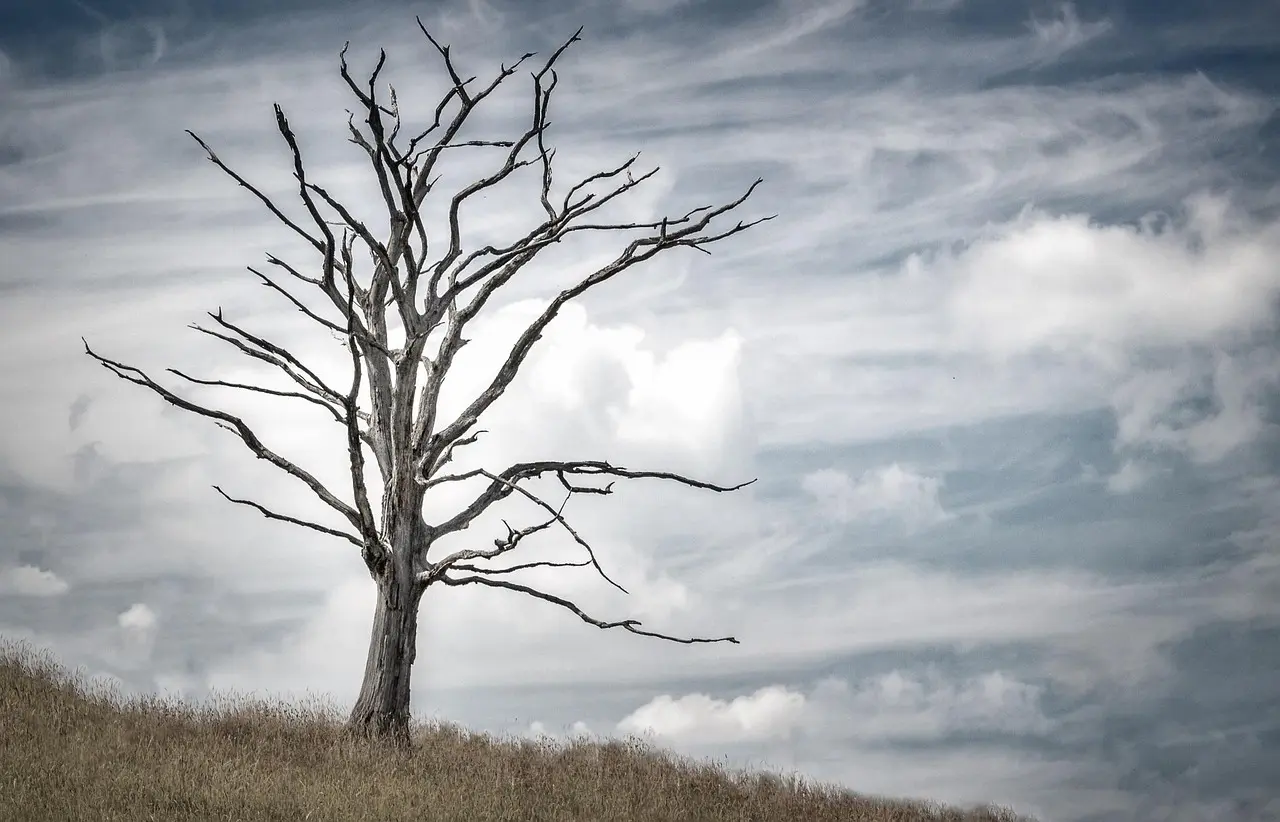
| Standing dead | Often usable if the wood is still hard and reasonably dry; may be partly seasoned | Higher cutting risk from widow-makers, cracked limbs, and hidden defects | Inspect carefully, cut only if stable, and reject any soft or split sections |
| Fallen dead | Usable if the wood remains solid; often more weathered and variable | Higher chance of soil contact, moisture pickup, rot, and insects | Check for decay, bug activity, and punky sections before bucking and hauling |
| Partially rotten | Poor quality; low heat output and short burn time | High smoke, more ash, and creosote risk if burned indoors | Skip for stove or fireplace use; consider only for outdoor disposal where allowed |
| Insect-infested | Variable; sound wood may still burn, but the tree needs caution | Risk of spreading pests and finding hidden galleries or weakened wood | Keep it isolated, inspect all sections, and avoid moving infested wood to clean areas |
| Dead ash | Often good firewood if the wood is still sound and not punky | Breakage risk during handling; ash decline can leave brittle limbs | Cut the sound wood, reject soft sections, and verify moisture before burning |
- Pass: wood is hard, heavy for its size, sounds solid when struck, and has no sour odor or obvious rot.
- Fail: wood crumbles by hand, feels spongy, has deep insect damage, or smells musty or sour.
- Pass: split pieces read at or below 20% moisture on a moisture meter.
- Fail: the wood is wet enough that the meter stays in the 15–25% seasoned range but still trends high, or it is visibly damp from rain and soil contact.
- Pass: storage can keep the wood off bare soil with airflow on all sides.
- Fail: the pile sits tight to the ground, packed in a heap, or sealed from airflow.
Moisture target: fresh-cut wood can contain 50-70% water by weight. Seasoned wood is commonly 15-25% moisture content or less, and 20% or less is the practical guide for clean burning.
Can a dead tree be used for firewood?
Yes, if the wood is still sound, dry enough, and free of punky rot, mold, or heavy insect damage. Dead standing trees can be usable, but they are more likely to hide breakage hazards. Fallen dead trees can also burn well, yet they are more exposed to moisture and decay.
When dead wood is worth cutting
Dead wood is worth cutting when it is hard through the core, splits cleanly, and shows no soft interior sections. Wood species still matter, but condition comes first. A dead oak log with solid fibers is worth more than a dead softwood that has gone fibrous and wet.
Hardwoods such as oak, ash, maple, hickory, and beech usually make longer-burning firewood. Softwoods such as pine, fir, cedar, and spruce burn faster and are better for kindling or quick starts. That difference matters, but it does not override rot, pests, or moisture.
When to leave it alone
Leave a dead tree alone when limbs are unstable, the trunk is split, the wood feels light and hollow, or the surface gives under pressure. Rotten or decayed trees are generally poor firewood because they waste fuel, create excess smoke, and can load a chimney with creosote.
Say your dead maple looks gray and dry from the outside, but a hatchet bites in with very little resistance and the cut face smells sour. That is a fail. The outside can look dry while the inside is still wet and broken down.
How can you tell if dead wood is rotten and unsafe?
Rotten wood is usually soft, crumbly, lightweight, or hollow sounding. If the fibers crush easily, the log feels spongy, or the cut face sheds punky material, treat it as poor firewood. Bark loss alone does not prove dryness, and bark still attached does not prove the wood is sound.
Sound test and hardness
Strike the log with a hammer or the poll of an axe. Sound wood gives a firm, sharp response and resists denting. Rotten wood often sounds dull and breaks down around knots, checks, and branch stubs. A solid center matters more than a dry-looking shell.
If a section splits cleanly and the fresh face feels hard, that is a better sign than bark condition. If the split face is fuzzy, soft, or collapses along the grain, it is likely too far gone for clean indoor burning.
Punky wood, insect holes, and smell
Punky wood is spongy, low-density, and weak. It burns poorly and can leave a lot of ash and smoke. Small holes, sawdust-like frass, or winding galleries can point to insects. A sour, musty, or moldy smell is another warning sign that the wood has started to break down.
A common first-timer mistake is to assume a standing dead pine is dry enough for the stove just because the outside looks weathered. A tree can lose bark yet still hold solid wood, or keep bark while the core has already softened. Check the cut face, the sound, the smell, and the way the split holds together.
Why bark loss is not enough
Bark sheds for several reasons, including weather and age. That is why bark is only a clue, not proof. A dead tree with clean bark loss can still be sound firewood, while a tree that still wears bark may already be too rotten to bother with.
Can fallen trees be used for firewood?
Yes, fallen trees can be used for firewood if the wood remains solid and the log has not sat long enough to turn soft or punky. The main difference from standing dead wood is exposure. Fallen wood usually picks up more moisture, more soil contact, and more decay.
Moisture, soil contact, and decay
Once a tree lies on the ground, one side can wick moisture from soil and standing water. That speeds decay and insect activity. Freshly cut wood can contain 50-70% water by weight, and a fallen log may still hold plenty of moisture even if the outer shell feels dry.
That is why fallen wood needs a closer look than standing dead wood. The top may seem sound, but the underside can show rot where it touched damp ground. If the log has been in mud, leaf litter, or pooled water, inspect it section by section.
What to inspect before bucking
Before you cut a fallen tree into stove-length pieces, check three things: the top surface, the ground-contact side, and the cut ends. Look for soft fibers, insect tunnels, and darkened patches that suggest decay. If the log flexes oddly or collapses when cut, stop and reassess the whole section.
Picture a fallen ash lying across a shaded edge of a yard. The exposed top section may still split into good firewood, while the end buried in wet leaves turns soft and useless. Treat those sections as separate decisions, not one all-or-nothing log.
Does tree species change burn quality?
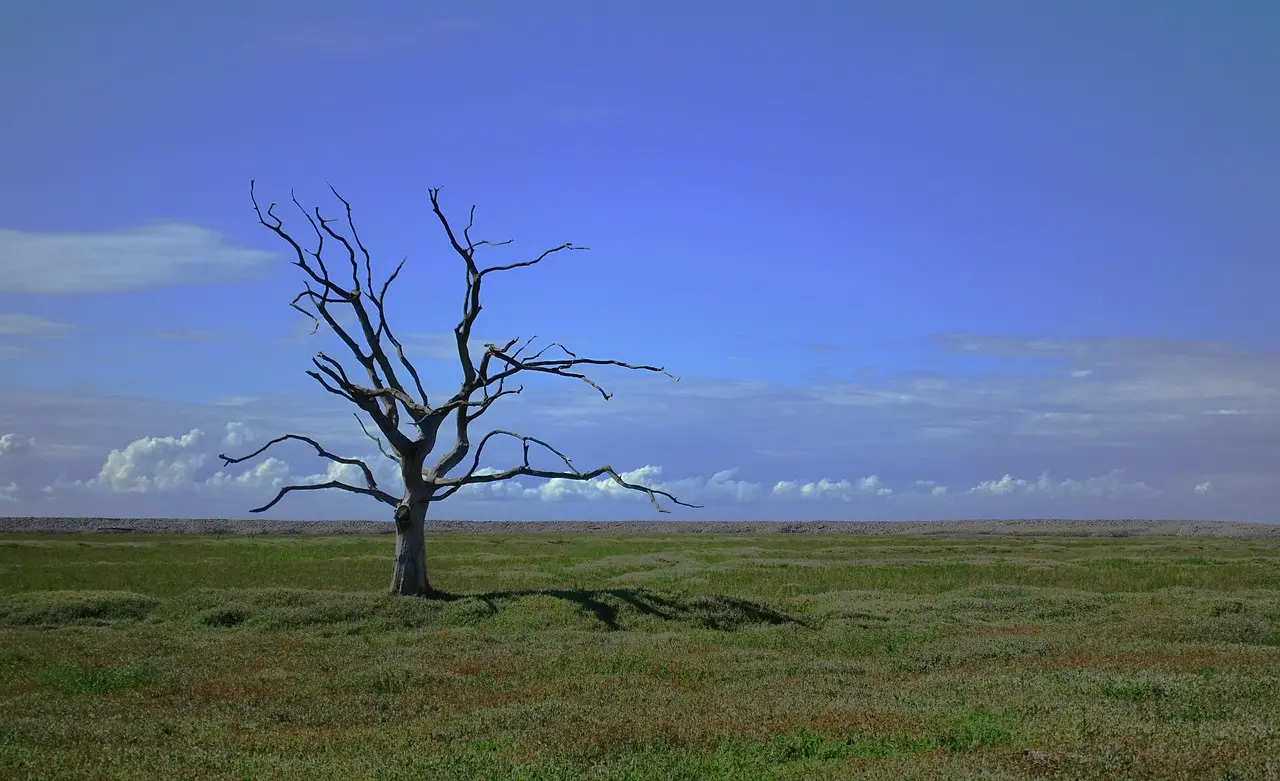
Yes, species changes burn time, heat output, and how fast the wood dries, but it does not replace the condition check. Dead hardwoods usually make better long-burning firewood than dead softwoods. Still, a rotten hardwood is worse than a sound softwood.
Hardwoods: oak, ash, maple, hickory, beech
These high-density woods are widely valued because they burn longer and produce more heat per split than low-density species. Oak, ash, maple, hickory, and beech are the common examples. If they are dead but still sound, they are often worth processing for the stove.
Dead ash deserves special mention. Ash trees can still be good firewood if the wood is sound, but ash decline can leave standing trees brittle and unsafe to work around. Always check for hidden defects, cracked tops, and punky sections before you decide to cut.
Softwoods: pine, fir, cedar, spruce
Softwoods such as pine, fir, cedar, and spruce burn faster and usually give up their heat sooner. That makes them useful for kindling, quick starts, and shoulder-season fires. They are less forgiving if they are wet, so seasoning and moisture checks matter just as much.
Low-density species also tend to dry faster than dense hardwoods. Freshly cut wood can be around 40-50% moisture by weight in common guidance, while seasoned firewood is often in the 15-25% range. Dry wood burns more efficiently because less energy is spent evaporating water.
Why dead ash is a special case
Dead ash can be excellent firewood when the trunk is still hard and the splits are clean. It can also be unsafe when the standing tree has brittle limbs or internal decay. Do not assume ash is good just because it is ash; condition still decides the outcome.
Do not use species alone as the rule. A dead maple that is rotten belongs in the reject pile, and a sound pine split may still be useful for quick indoor starts if it is dry enough and clean enough. The wood must pass the condition test first.
How long should dead tree wood dry?
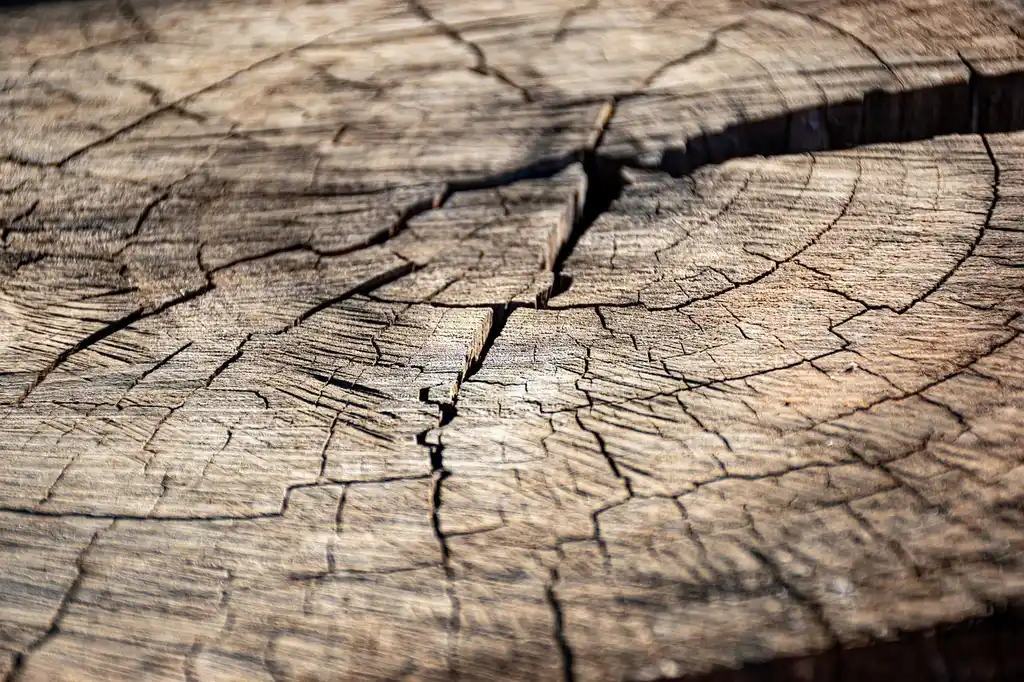
Drying time depends on species, split size, weather, and how wet the tree was when you cut it. The practical target is not a calendar date. It is moisture content. Aim for 20% or less before burning, and use a meter to verify it.
Moisture targets for safe burning
Seasoned wood is commonly described as being in the 15-25% moisture range, with 20% or less as the guide for optimal burning. Freshly cut wood can contain 50-70% water by weight, which makes it smoke more, burn less cleanly, and raise creosote risk in a chimney.
Wet wood increases creosote buildup in the chimney. That matters most for indoor wood stoves and fireplaces, where smoke travels through a flue and deposits residue. Outdoor fires are less demanding, but dry wood still burns more cleanly and with less smoke.
Why split size changes drying time
Smaller splits dry faster because they expose more surface area to air. Large rounds hold moisture in the center and can stay wet long after the outside looks ready. If you want faster seasoning, split the wood soon after cutting so air can reach the fresh faces.
How to use a moisture meter
A moisture meter is the most reliable way to verify burn readiness. Split a piece, expose a fresh interior face, and test the center of the split rather than just the outer shell. The goal is 20% or less. Surface checks can lie, especially on dead wood that has dried unevenly.
Season hardwood for at least 6-12 months and softwood for 3-6 months is a common planning rule, but the meter still gets the final say. Weather, split size, and storage setup can shorten or lengthen that window.
- Inspect the tree for soundness, rot, insect damage, and unsafe limbs.
- Cut only sections that are hard, solid, and worth the effort.
- Split the wood so the interior can dry.
- Stack it with airflow and keep it off the ground.
- Test split faces with a moisture meter before burning.
Processing dead trees safely
Wear chainsaw PPE before any cut: a helmet with visor, chainsaw chaps, hearing protection, and steel-toed boots. Dead trees can fail without warning. Cracked limbs, hung-up tops, and hidden tension can shift when you cut into them.
Cut, split, stack, and store in order
Work in a simple order: inspect, buck, split, stack, and then dry. That sequence reduces handling and makes decay easier to spot. If a section looks questionable once opened, reject it before it reaches the stove pile.
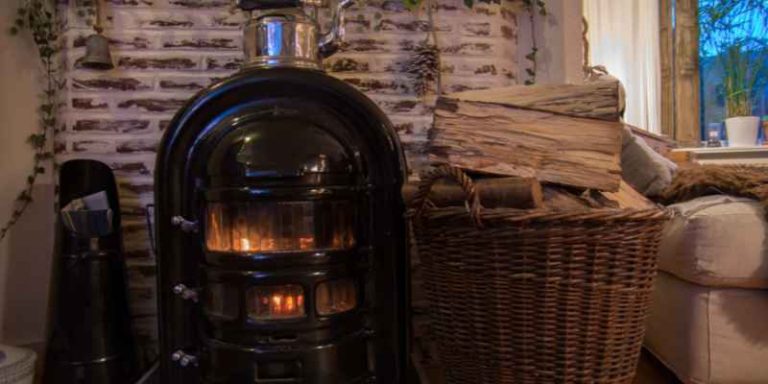
Use dead tree wood in a fireplace or wood stove only after the wood passes the soundness and moisture checks. Indoor appliances are less forgiving than outdoor fires because smoke and creosote matter most indoors. If there is any doubt about rot or moisture, do not burn it inside.
Airflow and off-ground storage
Firewood should be stored elevated off bare soil, with airflow on all sides. Single-row stacking speeds drying because more of the wood is exposed to moving air. A tight heap traps moisture and slows seasoning.
Keep the pile out of direct ground contact and do not bury it under a tarp that blocks airflow. Cover the top if needed, but leave the sides open. That setup helps dead wood finish drying instead of reabsorbing moisture from the ground and rain splash.
Frequently asked questions
Can dead ash trees be used for firewood?
Yes, dead ash can be excellent firewood if the wood is still sound. Ash declines can leave brittle standing trees, so safety matters during cutting. Reject any punky sections, and use a moisture meter before burning indoors, because good species still fails if it is too wet or rotten.
Do dead trees make good firewood?
They can, but only when the wood is still solid. Dead hardwoods usually make better firewood than dead softwoods, yet rot, insects, and moisture can erase that advantage. A dead tree that crumbles, smells sour, or reads wet should be left out of the stove pile.
Can you burn dead tree wood?
Yes, but only after you verify that it is sound and dry enough. Burning wet or rotten dead wood raises smoke output and creosote buildup, especially in fireplaces and wood stoves. Sound wood that is split, stacked well, and under 20% moisture is the safer choice.
How can I tell if dead wood is rotten and unsafe to burn?
Check for softness, punky texture, hollow sound, insect holes, and a musty or sour smell. Rotten or decayed wood is generally not suitable for firewood. If a knife or hatchet sinks in too easily, or the split face crumbles, it should not go into an indoor fire.
How long should dead tree wood dry before burning?
Dry it until a moisture meter shows 20% or less. That often takes 6-12 months for hardwood and 3-6 months for softwood under decent storage conditions, but the meter matters more than the calendar. Split size, weather, and airflow all affect the result.
Can I burn a dead tree in a fireplace or wood stove?
Yes, if the wood is sound, dry, and clean enough for indoor use. That standard is stricter than for outdoor fires because wet wood increases creosote buildup in the chimney. Do not burn punky, moldy, or insect-infested wood indoors, even if it came from a dead tree.
Can burned trees be used for lumber?
Sometimes, but only if the fire damage is shallow and the remaining wood is sound. Charred, cracked, or heat-damaged wood is often weakened and may not be suitable for structural lumber. If the goal is lumber rather than fuel, inspect every board for strength, straightness, and hidden checks.
Sponsored / affiliate links. As an Amazon Associate I earn from qualifying purchases. I may earn additional commission from eligible campaigns.