Is Beech Good Firewood?
Yes. Beech is excellent firewood once it reaches about 20% moisture content or less; green beech is too wet for efficient burning. Burn it too soon and you waste heat on evaporation, get more smoke, and can load creosote into the stove and chimney. This guide covers drying time, heat value, seasoning signs, and when a faster-drying hardwood is the better choice.
How beech performs as firewood
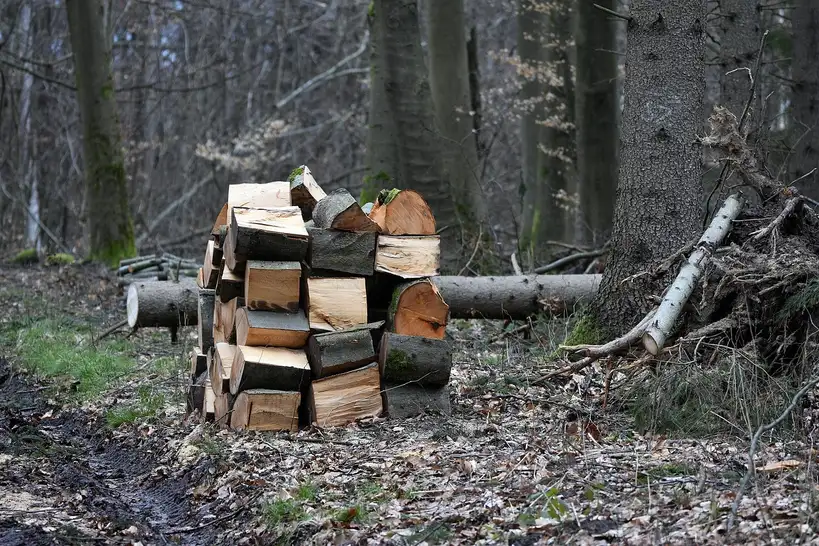


Yes. Beech is a hardwood with a tight grain, high heat output, a long burn, and strong coal formation, so it ranks among the better choices for stoves and overnight heat. The catch is moisture: dry beech performs very well, while green beech burns poorly and smokes more.
Why dry beech earns its reputation
Seasoned beech burns with less smoke, lights more easily than green splits, and leaves a useful coal bed. It is also considered a top firewood type for heat output. In practical terms, that means you can run it in a wood stove for steady heat instead of chasing frequent reloads.
Why green beech is a poor choice
Green beech is harder to light, slower to heat up, and more likely to waste energy boiling off water than warming the room. It can also produce more visible smoke and weaker coals. If winter is close and your woodpile is mixed, a faster-drying hardwood is usually the safer choice for immediate burning.
Beech firewood basics
Beech sits in the hardwood category and has a dense, tight grain. That density gives it strong heat output and a slow, steady burn. It also explains why beech performs well in a stove after proper seasoning, especially when you want a long coaling period rather than a quick flash of heat.
Say your pile includes split beech cut to stove length and stacked under cover in summer. If the splits are thin, the stack has good airflow, and the weather has been warm and dry, the wood can become usable sooner than a thick, poorly stacked pile. The species matters, but drying conditions matter more.
How hot does beech burn?
Beech burns hot. One cord of seasoned beech provides about 27.5 million BTUs, and it is ranked among top firewood types for heat output. That puts it in the same general high-performance group as other premium hardwoods, with the added benefit of long burn time and good coals.
BTU comparison in practical terms
Beech is often compared with oak, hickory, and black locust because those woods are also known for strong heat. Beech belongs near the top of that field, though exact numbers vary by species and moisture. The useful point is simple: seasoned beech is a serious heat wood, not a filler species.
| Wood type | Heat reputation | Practical note |
|---|---|---|
| Beech | High | Strong heat with long coaling when dry |
| Oak | High | Known for steady, lasting heat |
| Hickory | High | Burns hot and is often used for long heat cycles |
| Black locust | High | Favored for dense, lasting firewood |
What that means for daily heating
For a wood stove, beech is useful when you want fewer reloads and a fire that stays active overnight. It is less suited to a quick, short burn. If you need fast startup heat, pair it with easier kindling or a faster-drying hardwood, then move to beech once the firebox is established.
Seasoned beech checklist
Seasoned beech should be dry enough to burn efficiently, with a target near 20% moisture content or less. Beech should be seasoned for at least 12 months, and many argue two years is best. The exact drying time depends on split size, climate, and how well the stack breathes.
How to tell when beech is ready
Ready-to-burn beech feels noticeably lighter than green splits, has bark that loosens or sloughs in places, and gives off a dry, woody smell rather than a damp odor. The sound check helps too: two dry splits tend to ring more sharply when struck together than wet wood.
What affects drying speed
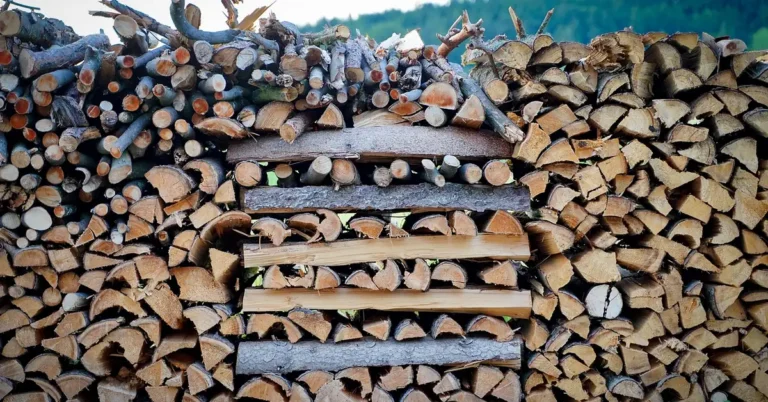
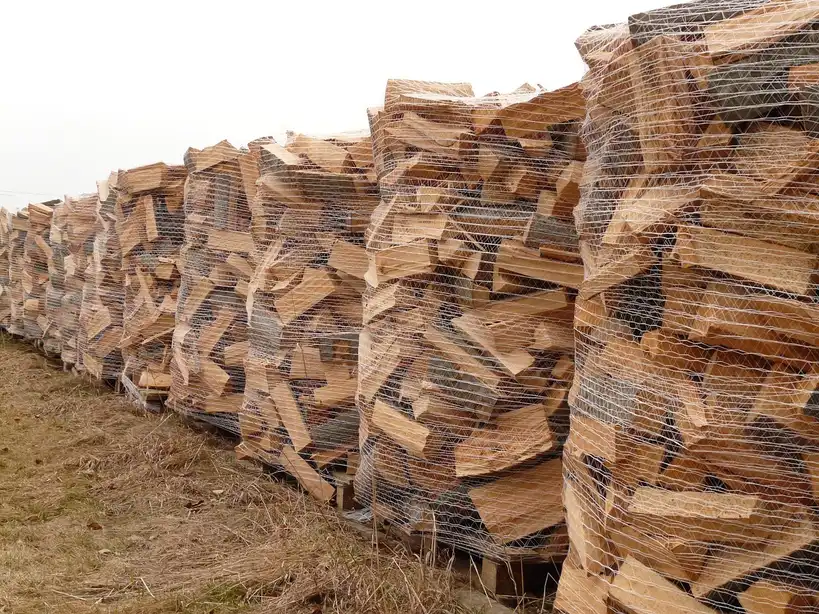
Smaller splits dry faster than large rounds. A sunny, breezy stack dries faster than wood packed in a shaded heap. Keep the top covered so rain and snow stay off, but leave the sides open so air can move through the stack. Poor airflow extends seasoning time even if the wood was cut early.
- Split beech to a size suited to your firebox.
- Stack it off the ground with air moving through the sides.
- Cover only the top to shed rain and snow.
- Wait for a moisture reading near 20% or less.
- Reject pieces that still feel heavy, smell damp, or show soft rot.
Beech firewood buy-or-Burn checklist
| Moisture level | Split size | Bark condition | Smell | Weight | Stove suitability | Expected burn behavior | Recommendation |
|---|---|---|---|---|---|---|---|
| 20% or less | Small to medium splits | Mostly tight, some loosening acceptable | Dry, woody | Noticeably lighter than green wood | Yes, good for most stoves | Easy enough to light, strong heat, good coals, low smoke | Yes |
| Above 20% | Medium to large splits | Tight and fresh-looking | Damp or earthy | Heavy for size | Only if mixed with drier fuel | Slower ignition, more smoke, weaker efficiency | No |
| Unknown, but stored 12 to 24 months | Thin splits | Bark loosening at the edges | Dry with a subtle wood scent | Moderate, not waterlogged | Likely usable after a moisture check | Should burn well if the reading is near target | Yes, if tested |
| Unknown, with mold, punky spots, or rot | Any size | Peeling, soft, or missing in places | Musty or sour | Uneven or suspiciously light | No, not ideal | Unreliable burn, lower heat, more residue | No |
Does beech smoke a lot?
Dry beech generally smokes less than green beech or softer, wetter wood. Once seasoned, it burns fairly cleanly and gives off few sparks compared with larch, alder, and pine. The smoke question is mostly a moisture question, not a species question.
Creosote risk and chimney care
Burning dry fuel reduces creosote buildup. That matters because less smoke and fewer unburned vapors mean less residue in the flue. Hardwood like beech generally carries lower creosote risk than wet softwood, but any fuel can create buildup if it is burned damp or at a smoldering rate. Chimney cleaning still matters.
Fireplace and fire pit use
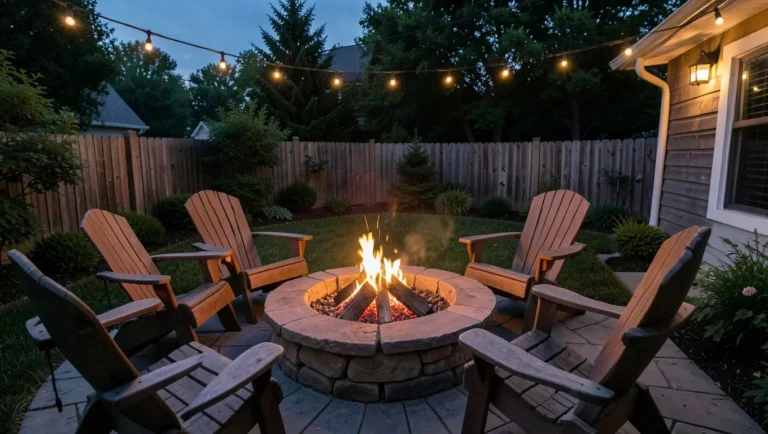
For an indoor fireplace, seasoned beech is a good choice when you want a cleaner fire with moderate spark output and a pleasant, subtle fragrance. For a fire pit, low-spark wood is a safer option than pine, though any open fire still needs clearance, a screen if required, and attention to local rules.
Suppose you load a fireplace with half-seasoned beech on a damp evening. The fire may look active at first, then start pushing out more smoke as the moisture drives off. If the same fireplace gets properly seasoned beech instead, the burn is cleaner, steadier, and less likely to fog the room with smoke.
Aroma and room comfort
Beech has a subtle fragrance and a decent smell when burned. That makes it pleasant without being overpowering. In a small room, though, smell should never be the main reason to choose it. Dryness, draft, and safe venting matter more than aroma.
Is beech hard to split?
Yes, beech can be extremely difficult to split depending on grain and knots. The wood’s density works in your favor for heat output, but it can work against you at the splitter or with a maul. Twisted grain raises the difficulty further, especially after the log has dried and hardened.
Why fresh-cut beech can split easier
Beech is often easier to split when green than when fully dried. Fresh wood usually gives a cleaner break, while dry beech can resist the tool and deflect the split along grain changes or knots. If the log has twisted grain, expect more effort regardless of moisture.
Tools and handling considerations
For dense beech, a hydraulic splitter is useful on knotty sections, and a sharp wedge helps on stubborn rounds. Keep hands clear of pinched grain, and do not force a dangerous split line. If a round refuses to open cleanly, reposition it instead of striking harder at the same point.
Beechwood basics

Beechwood is a useful firewood term, but the label alone does not tell you whether the wood is ready to burn. American beech, European beech, and ornamental copper beech are generally usable for burning if the wood is sound and seasoned. The deciding factor is condition, not the name on the log.
American beech, European beech, and copper beech
American beech and European beech are both used as firewood when properly dried. Copper beech is an ornamental form of European beech, so the fuel value is tied to the same basic wood characteristics. For burning, species differences matter less than moisture content, split size, and whether the wood is healthy.
When damaged beech stops being good fuel
Moldy, punky, partially rotten, or insect-damaged beech is weaker fuel. Soft rot lowers heat value, and punky wood can crumble before it gives you a proper coal bed. If the piece is spongy, sour-smelling, or visibly decayed, set it aside for disposal or noncritical use rather than stove fuel.
Best use case for beech versus faster-drying hardwoods
Beech is worth the wait when you want strong heat and long coal life in a stove, and you can plan ahead by at least one full seasoning cycle. If winter is near and your supply is not dry enough, a faster-drying hardwood may be the smarter burn choice for this season.
Frequently asked questions
Is beech good firewood?
Yes. Beech is one of the better hardwood firewood choices because it burns hot, makes excellent coals, and gives useful overnight heat when seasoned. It is not a good choice when green, though, because wet beech burns poorly and creates more smoke and creosote risk.
Is beechwood good firewood?
Yes, beechwood is good firewood if it is dry and sound. The term can cover American beech, European beech, and ornamental copper beech, but the burn quality depends more on moisture content and wood condition than on the label itself. Properly seasoned beechwood performs very well in a stove.
Is American beech good firewood?
American beech is a dense hardwood that is often reported to provide strong heat output and good coal formation. It should still be seasoned before burning, with a target near 20% moisture content or less. If it is green, it will smoke more and burn less efficiently.
Is European beech good firewood?
Yes. European beech is also a strong firewood choice when dried properly. It behaves like other dense hardwoods: high heat, slow burn, and useful coals. As with any beech, the important question is not the species alone, but whether the splits are fully seasoned.
Is copper beech good firewood?
Yes, if it is sound and seasoned. Copper beech is an ornamental form of beech, so it can be burned like other beech wood once dry. Check for rot, insect damage, or decay before stacking it with stove fuel, because damaged wood loses heat value quickly. (Wikipedia)
How long does beech firewood take to season?
Beech should be seasoned for at least 12 months, and many people prefer two years for a safer margin. Thin splits dry faster, while large rounds, cool climates, and tight stacking slow the process. The most reliable check is a moisture reading near 20% or less.
Does beech make good coals in a wood stove?
Yes. Beech produces excellent coals that can keep a fire burning through the night. That makes it a strong option for a wood stove, especially when you want steady heat and a long burn. It works best after thorough seasoning, not while green.
Does beech firewood smoke a lot?
Dry beech does not smoke much, but green beech does. Moisture is the main reason for smoke, not the species alone. If the wood is seasoned properly, beech burns fairly cleanly and gives lower smoke than many wetter or softer woods.
Sponsored / affiliate links. As an Amazon Associate I earn from qualifying purchases. I may earn additional commission from eligible campaigns.