What Is the Best Oak Species for Furniture Lumber?
For most furniture, white oak is the strongest all-around pick; choose quarter-sawn white oak for movement control, red oak for lower cost and easier finishing, and white oak again when dent resistance or moisture exposure matters. Pick poorly and you can get visible movement, blotchy finish, or tops and doors that wear out faster than the joinery. This guide compares oak species by movement, denting, grain visibility, and finish behavior so you can buy the right lumber for tables, cabinets, chairs, and more.
This guide is part of our Oak and walnut trees guide series.
What makes one oak species better for furniture?


Start with failure mode, not species name. A dining table needs panel stability and dent resistance. A cabinet door needs predictable movement and finish behavior. A chair needs tough, straight-grained stock for parts that take shock. Janka hardness helps with dent resistance, but it does not decide movement, grain appearance, or how a finish will read on the surface.
Choose by the part, not the label
White oak and red oak are the two most common oak furniture choices because they answer different shop problems. White oak is the better pick when moisture exposure, wide-panel movement, or heavier wear are the main risks. Red oak is the lower-cost choice when you need workable stock, familiar stain color, and traditional interior furniture without extra moisture resistance.
Why Janka hardness is only part of the decision
Janka hardness measures resistance to indentation, which matters on table tops, chair arms, and drawer fronts. White oak is generally a bit harder than red oak, so the difference is usually modest. Hard maple is higher at Janka 1450, which is why hardness alone should not be treated as the full answer.
White oak vs red oak: which one fits your project?
White oak is the stronger choice for wide tops, active use, and finishes that need moisture resistance. Red oak is easier on the budget and still a solid furniture wood for cabinets, case goods, and painted or stained parts. If the project lives indoors and does not need extra moisture resistance, red oak often wins on cost.
| Species | Movement | Dent resistance | Grain visibility | Stain response | Ideal furniture uses | Buy / no-buy |
|---|---|---|---|---|---|---|
| White oak | Very good in wide panels | High | Visible, often refined in quarter-sawn stock | Works with oil and water-based finishes | Dining tables, premium case goods, moisture-prone parts | Buy for tops and visible work |
| Red oak | Good for most interior parts | Moderate-high | Open grain is pronounced | Takes stain evenly across the grain | Cabinets, general furniture, value builds | Buy for cost-sensitive projects |
| Live oak | Compare carefully by board | High in sound stock | Can read busy and irregular | Selection and milling matter | Special-case furniture, rustic parts | Buy only after inspection |
| Bur oak | Comparable to white oak in some uses | High | Often coarse-grained | May need extra finish work | Specialty pieces, limited runs | Buy selectively, not blindly |
📊 White oak is rated Janka 1360 and is very stable in wide panels. Source: Best Wood for Furniture: A Species-by-Species Guide.
Is white oak better than red oak for furniture?
White oak is better when the project needs moisture resistance, wider panels, or a cleaner answer to long-term wear. Red oak is better when you want a lower lumber bill and straightforward machining for ordinary interior furniture. The right choice depends on whether the likely failure is movement, finish behavior, or simple budget pressure.
When white oak is the better buy
White oak is the smarter choice for dining tables, bench tops, and case goods that need a more stable panel. It is very stable in wide panels, works with both oil and water-based finishes, and is less likely to telegraph seasonal movement in large visible surfaces. Quarter-sawn white oak adds distinctive ray-fleck figure.
When red oak is the smarter value choice
Red oak is abundant and affordable at $4 to $7 per board foot, which makes it a practical buy for cabinets and general furniture. It is also known for good workability and takes stain evenly across the grain. That matters when you want a consistent color without paying for higher-spec stock.
Where each species creates extra work
White oak can be a poor choice if you want a very smooth, low-grain look without extra filling or careful sanding. Red oak can be a poor fit where moisture exposure or a tighter-grained look matters. Picture a 36 inch by 72 inch tabletop in a bright dining room: red oak will work, but white oak gives more margin for wear and movement.
When is quarter-sawn oak worth the extra cost?
Quarter-sawn oak can be worth the extra cost when the part is wide, visible, or expected to stay flatter through seasonal change. In white oak, quarter-sawn stock adds ray-fleck figure and can improve stability. If the part is small, painted, or hidden, the premium often buys more appearance than function.
What quarter-sawn stock changes
Quarter-sawn white oak usually costs more because it is cut to favor straight grain and the ray-fleck figure that many furniture makers want in doors, panels, and visible rails. The stability benefit matters most in tabletops, door frames, and wide cabinet faces where flatness is a visible requirement.
Pay for quarter-sawn stock when the project is a premium dining table, a front-facing cabinet run, or a piece where the grain is part of the design. Skip it when the part will be painted, covered, or milled into narrow components where the figure will disappear. A common first-timer mistake is spending quarter-sawn money on parts that never get seen.
How do live oak and bur oak compare for furniture lumber?
Live oak and bur oak are comparison species, not default furniture buys. Both can work, but selection matters more than with white oak or red oak. Use them only when you can inspect the boards closely and when the project can tolerate more variable grain, milling behavior, or finishing work.
Live oak selection considerations versus red oak
Live oak should be treated as a special-case buy. Compared with red oak, it may bring more irregular grain and more sorting at the rack. If the lumber is sound and straight enough, it can serve in heavy parts, but it is not the first pick for straightforward cabinet work.
Bur oak selection considerations versus white oak
Bur oak is closer to white oak in furniture conversations, but it is still a selection species rather than a universal replacement. If the lumber came from a clay-soil growth context, expect more variation from board to board and inspect for grain and drying quality before committing it to visible parts.
When to treat either as a special-case buy
Choose live oak or bur oak only when the board quality is clear, the joinery can handle some variability, and the price justifies the extra sorting. If you need predictable results for a production run, white oak or red oak is usually the cleaner answer.
What should you pay for oak lumber?
White oak commonly runs from $8 to $15 per board foot, while red oak runs from $4 to $7 per board foot. Rough-sawn material can look cheaper at the rack, but waste, milling, and grading reduce the apparent savings. Buy for yield, not just the posted price.
Board foot pricing and rough-lumber waste
A standard 36 inch by 72 inch dining table top requires roughly 20 to 28 board feet, and rough-sawn purchases should carry a 20 percent waste factor. That means a table top that needs 24 board feet in the finished size may require closer to 29 board feet before jointing, flattening, and defect loss.
Dealer pricing versus rough-sawn discount
Dealer pricing is higher because the stock is often better surfaced, sorted, or dried to a more predictable level. Rough-sawn lumber can save money only if your milling waste stays controlled. If boards are cupped, short, or knotty, the cheaper ticket can become the more expensive project once yield is counted.
Project-by-project oak selection matrix
Match the species to the failure mode. Dining tables need stable, wear-resistant tops. Cabinets need predictable movement and finish behavior. Chairs need parts that resist denting and shock. Painted furniture changes the ranking because grain visibility matters less than movement, machining, and prep time.
| Project | Best oak choice | Why | Buy / no-buy |
|---|---|---|---|
| Dining tables | White oak, especially quarter-sawn for wide tops | Stable in wide panels, strong dent resistance, good finish compatibility | Buy |
| Cabinet and case goods | Red oak for value; white oak for exposed premium work | Red oak is economical and stains evenly; white oak suits higher wear and moisture exposure | Buy either, based on budget and finish |
| Chairs and high-wear parts | White oak for exposed wear parts | Better dent resistance and stronger fit for parts that take abuse | Buy for seat rails, stretchers, and arms |
| Painted furniture | Red oak only if grain is acceptable; hard maple is the better painted standard | Red oak’s open grain may telegraph through paint; oak is not the easiest paint-ready choice | Conditional no-buy |
| Traditional-style furniture | Red oak | Fits classic cabinetry and familiar stain color ranges | Buy |
| Premium visible case goods | Quarter-sawn white oak | Stable panels and strong ray-fleck figure | Buy |
Dining tables
For dining tables, white oak is the safest all-around answer because table tops punish movement and wear. White oak is listed as the dominant choice for contemporary dining tables, and that fits the part: wide surfaces, frequent cleaning, and visible edges. Red oak works on a tighter budget, especially for smaller tops.
Cabinets
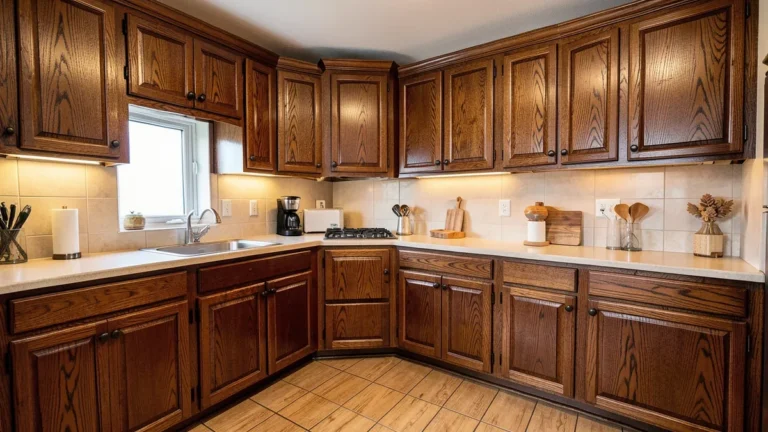
For cabinets, choose red oak when the goal is a traditional look at a lower cost. It takes stain evenly and remains a familiar choice for cabinetry. Choose white oak for a more contemporary appearance, better moisture resistance, or a higher-end finish schedule where the front faces are a selling point.
Chairs and high-wear parts
For chairs, arms, and stretchers, favor white oak where the wear load is higher. Dent resistance matters here more than on a vertical door frame. Red oak still works for many chair parts, but the parts most likely to receive impact deserve the harder, more moisture-resistant stock.
Painted furniture and mixed-finish builds
For painted furniture, oak is usually a secondary choice because open grain can telegraph through the paint film. Hard maple is the professional standard for painted cabinets. If you mix paint and clear finish, keep oak on the clear side where its grain and color can read correctly.
What is the best oak species for furniture lumber?

White oak is the best all-around oak for furniture lumber when you want one species that can handle tables, visible case goods, and higher-wear parts. Red oak is the better value choice for standard cabinets and general furniture. Live oak and bur oak belong in the conversation only when the board quality and project justify the extra sorting.
Frequently asked questions
What is the board foot cost difference between oak species?
White oak commonly runs from $8 to $15 per board foot, while red oak runs from $4 to $7 per board foot. That spread matters fast on large parts. A dining table top can consume 20 to 28 board feet before waste, so the species choice can change the material bill by a noticeable amount.
Which oak is hardest for furniture?
Among the species covered here, white oak is harder than red oak at Janka 1360 versus 1290, so it resists dents slightly better. Hard maple is harder still at Janka 1450. Hardness helps with wear, but it does not replace the need to consider movement, grain, and finish behavior.
Does white oak take stain better than red oak?
Neither species is automatically better in every stain scenario. Red oak is known for taking stain evenly across the grain, which helps when you want a consistent traditional color. White oak works well with both oil and water-based finishes, but its open grain and ray figure can change the final look.
Is quarter-sawn white oak worth it for furniture?
Quarter-sawn white oak is worth it when you want extra stability in wide panels and the ray-fleck figure is part of the design. It is especially sensible for tabletops, doors, and premium visible parts. For painted pieces or hidden parts, the premium is often harder to justify.
What oak should I use for cabinets?
Use red oak for a lower-cost cabinet build, especially when you want a traditional look and even stain color. Use white oak when the cabinets are more exposed, likely to see more wear, or part of a cleaner contemporary design. If the cabinets are painted, oak is usually not the first pick.
Which oak is most stable in wide panels?
White oak is the better choice for wide panels because it is very stable in that use case. Quarter-sawn white oak is the better version still, because the cut improves stability and adds ray-fleck figure. Red oak can work, but it does not offer the same margin for large visible surfaces.
Sponsored / affiliate links. As an Amazon Associate I earn from qualifying purchases. I may earn additional commission from eligible campaigns.